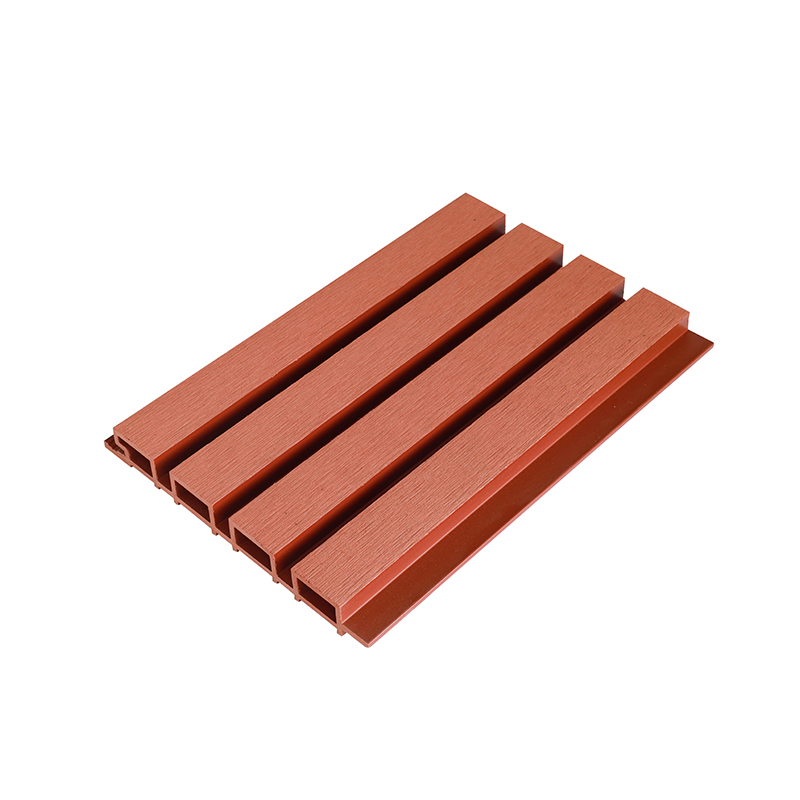
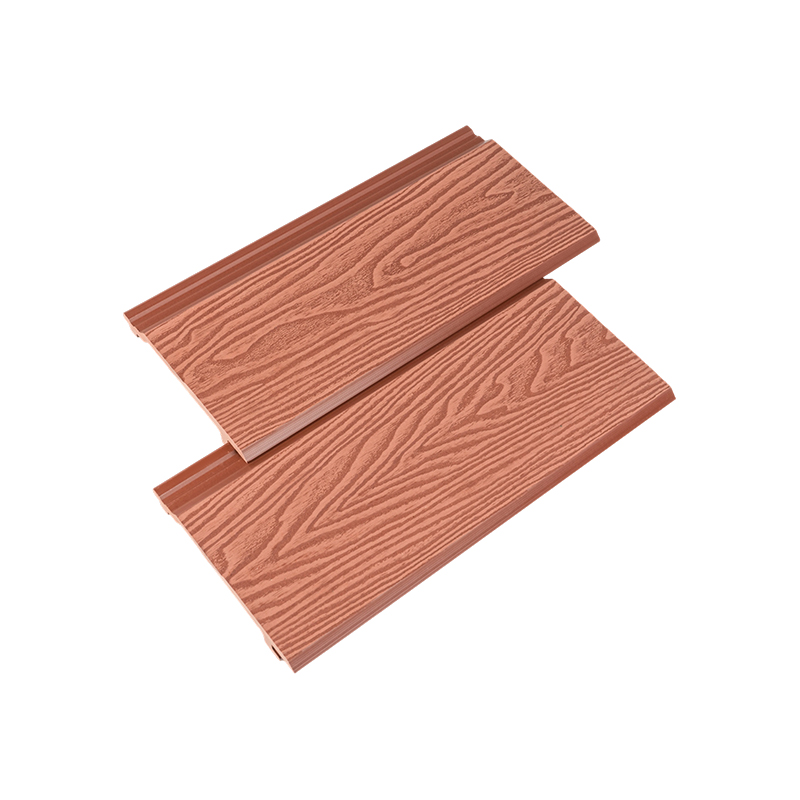
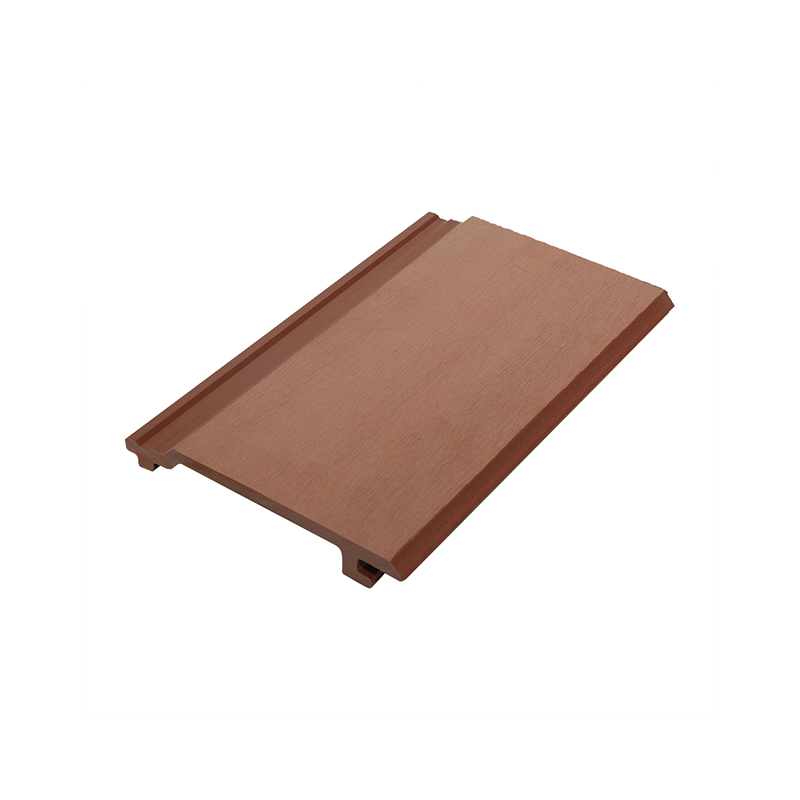
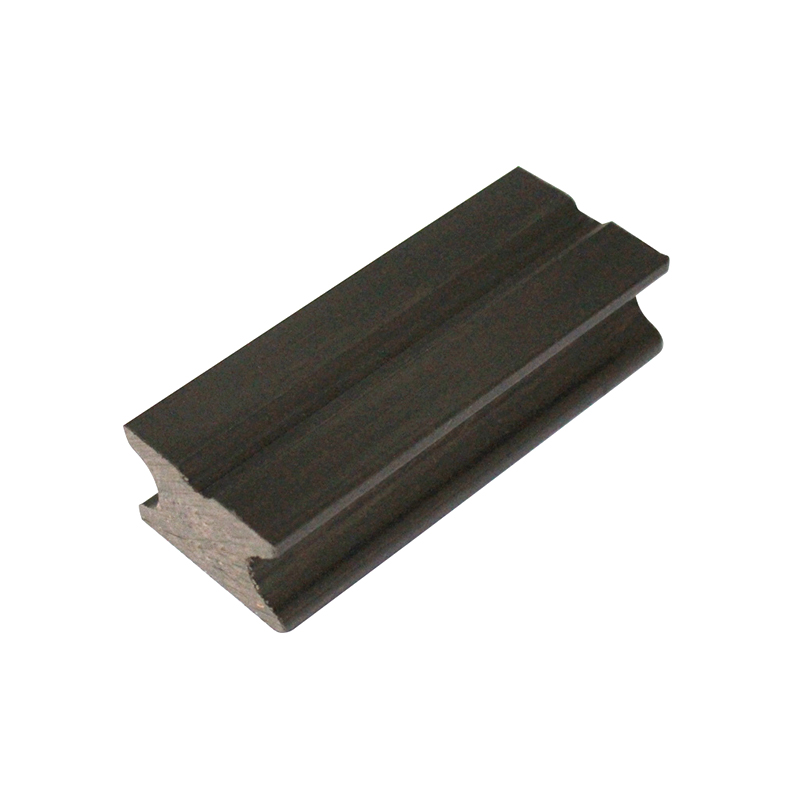
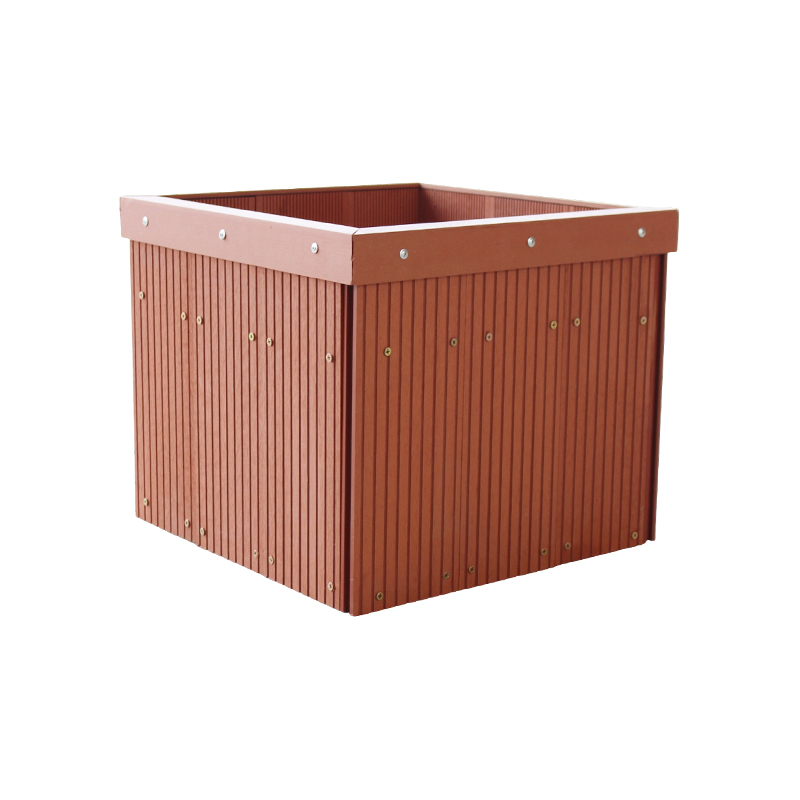
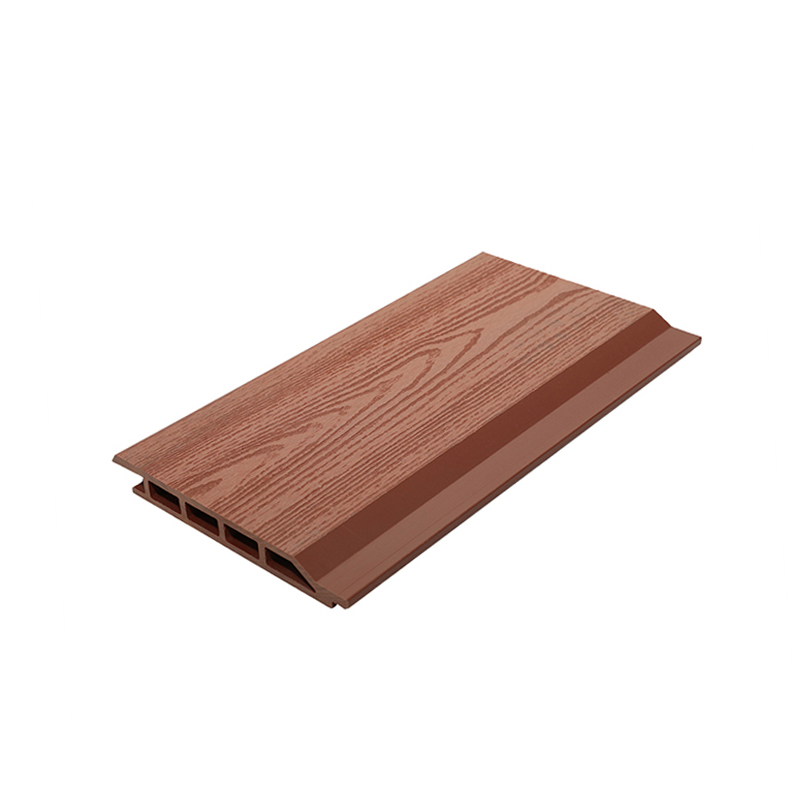
In outdoor decoration, WPC (Wood-Plastic Composite) wall panels have become the top choice for more and more homeowners, thanks to their combination of wood texture and plastic weather resistance. However, product quality on the market varies greatly. When purchasing, you need to focus on three core indicators to avoid pitfalls.
1. Substrate Composition Ratio
High-quality WPC wall panels should have a wood flour to plastic particle ratio of 5:5 or 6:4. Excessive wood flour can easily absorb moisture and deform, while too much plastic will lose the wooden touch and texture. When buying, you can ask the merchant for a test report to check if it meets the requirements for substrate density (≥1.1g/cm³) and bending strength (≥15MPa) specified in the national standard GB/T 24137-2021 "Wood-Plastic Decorative Panels".
2. Surface Treatment Process
Outdoor wall panels are exposed to wind and sun for a long time, so surface protection is crucial. Currently, there are three mainstream processes:
- PVC lamination: Strong scratch resistance but prone to warping at high temperatures.
- UV printing: Rich color options but weak UV resistance, with possible fading in 2-3 years.
- Co-extrusion cladding: Combines an anti-aging layer with the substrate through double-layer co-extrusion, offering the best weather resistance and a service life of over 15 years. It is suitable for areas with high sunshine and heavy rainfall.
3. Installation Structure Design
High-quality WPC wall panels adopt a snap-fit splicing + hidden fixing design. This not only improves installation efficiency by 30% compared to traditional screw fixing but also avoids substrate mold caused by water seepage through screw holes. At the same time, check if the wall panels have reserved expansion gaps. Since the thermal expansion and contraction coefficient of WPC materials is about 1.5 times that of wood, failing to reserve 8-10mm expansion gaps may lead to bulging and deformation in high temperatures.




 English
 Français
 Español
 Deutsch