English
 Français
 Español
 Deutsch
A deck sitting 30 in above grade is a comfortable set of stairs waiting to happen. A deck at 40 in is where most first attempts go wrong, usually because the builder measured to the framing instead of the finished surfa...
READ MORE
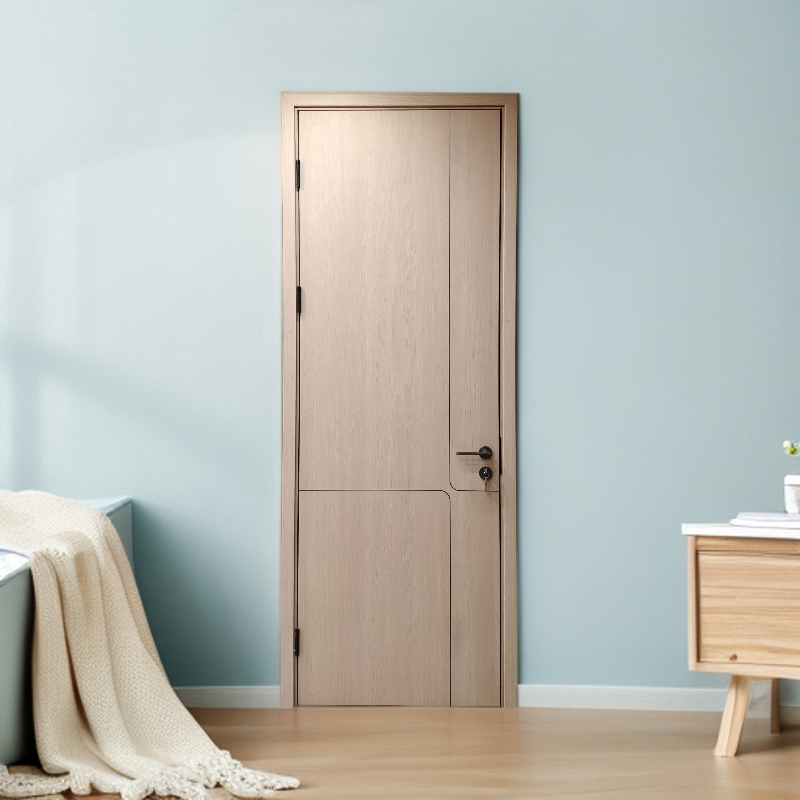
WPC is the short name for wood plastic composite, which is a new type of eco-friendly material, combining the advantages of wood and plastic.
WPC door could reach zero formaldehyde. Compared with traditional MDF(medium-density fiberboard) and solid wood, the biggest advantage of this material is as follows:
waterproof, no deformation, anti-termite, soundproof, easy installation,
durable and customized, etc.
WPC doors and WPC door frame is widely used in households, hospitals, classrooms, and other public locations.

A deck sitting 30 in above grade is a comfortable set of stairs waiting to happen. A deck at 40 in is where most first attempts go wrong, usually because the builder measured to the framing instead of the finished surfa...
READ MOREIf you are building or repairing a porch, railing height is not just a style choice. It affects safety, inspection results, and how the porch feels in daily use. For most residential porches, the top of the guardrail sh...
READ MORETwo suppliers quote the same 420 square metre rooftop terrace. Both describe their boards as green composite decking, both offer a fifteen year warranty, and the two prices sit within four percent of one another. The de...
READ MOREA twelve foot front porch, a tape measure and three saved photos is the easy part. The hard part is choosing a railing that still looks straight after four humid summers, and that is where most front porch railing ideas...
READ MORE

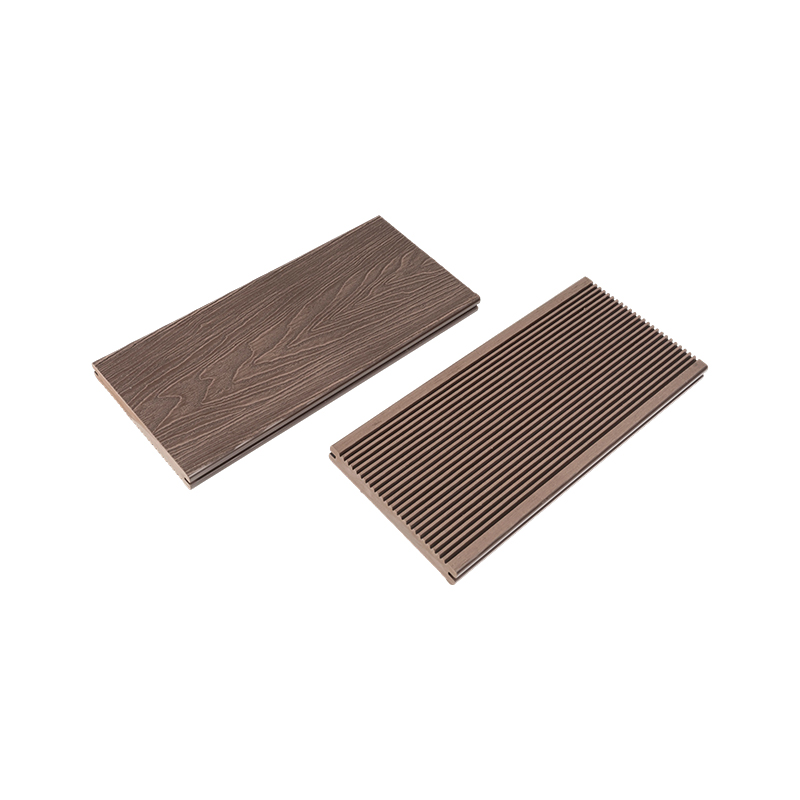
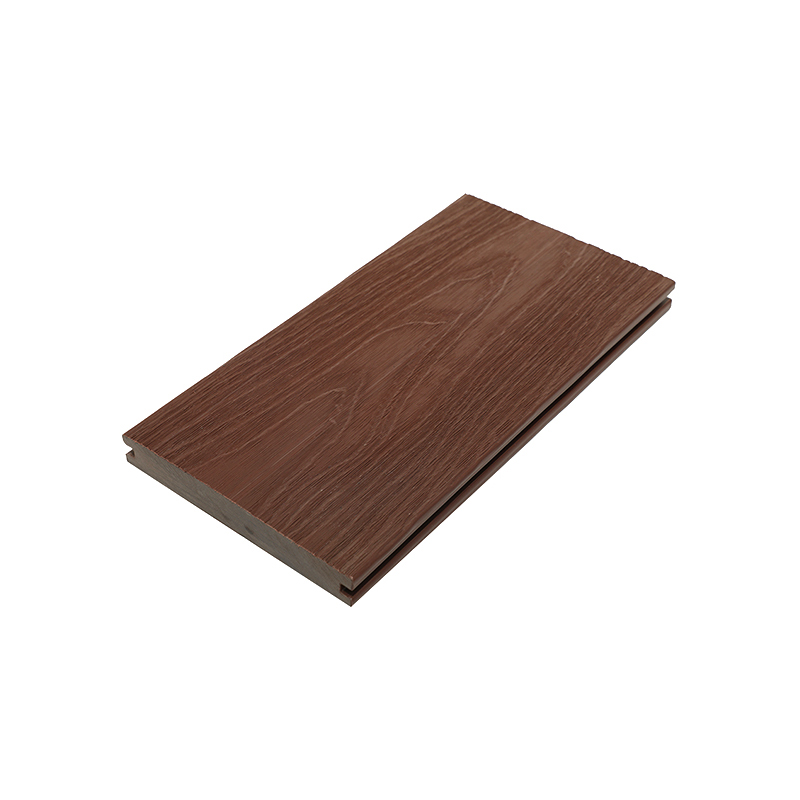
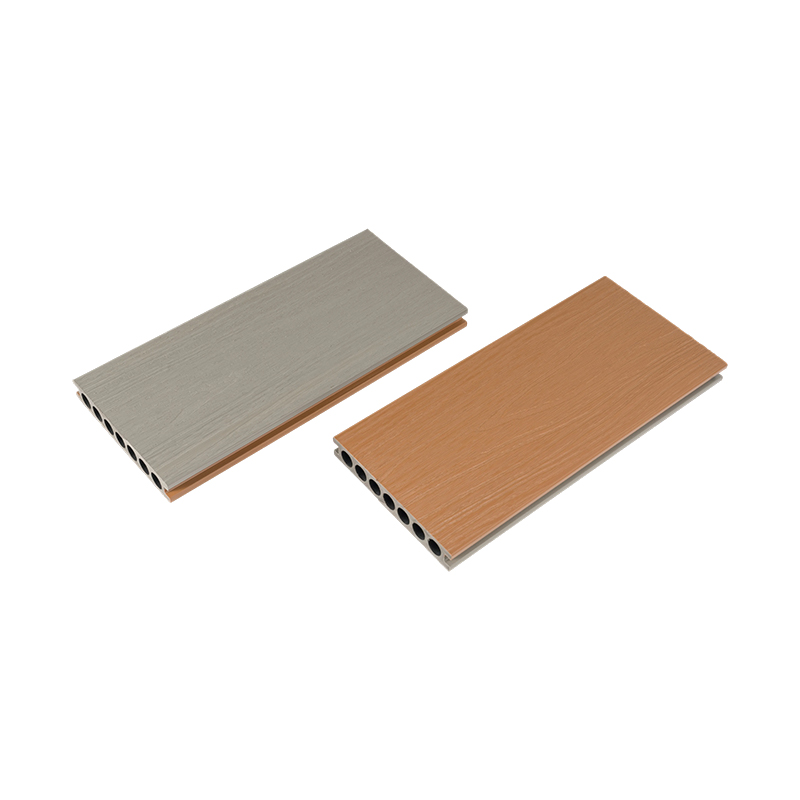
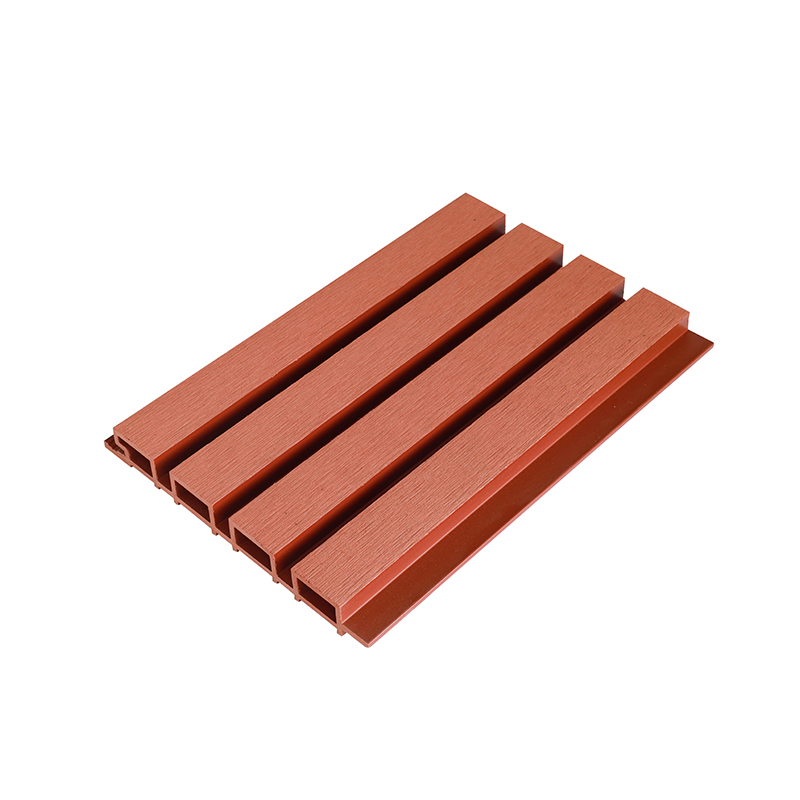
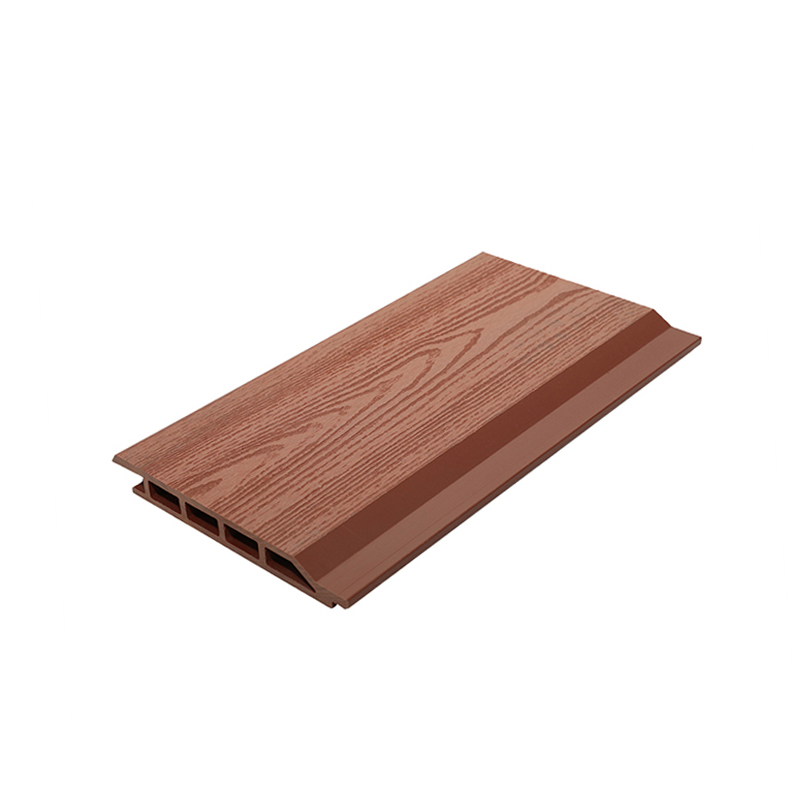
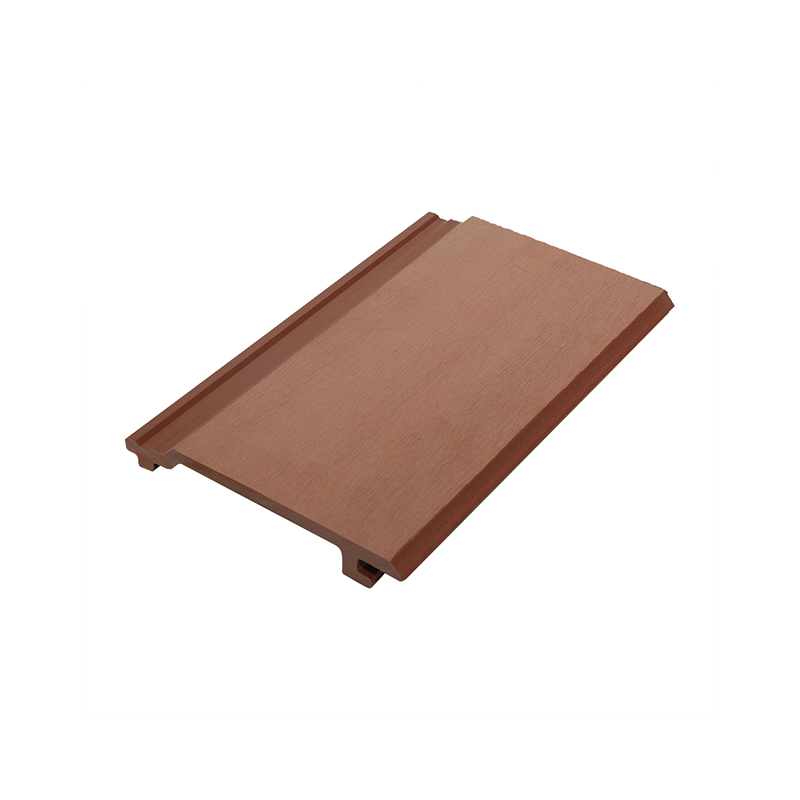
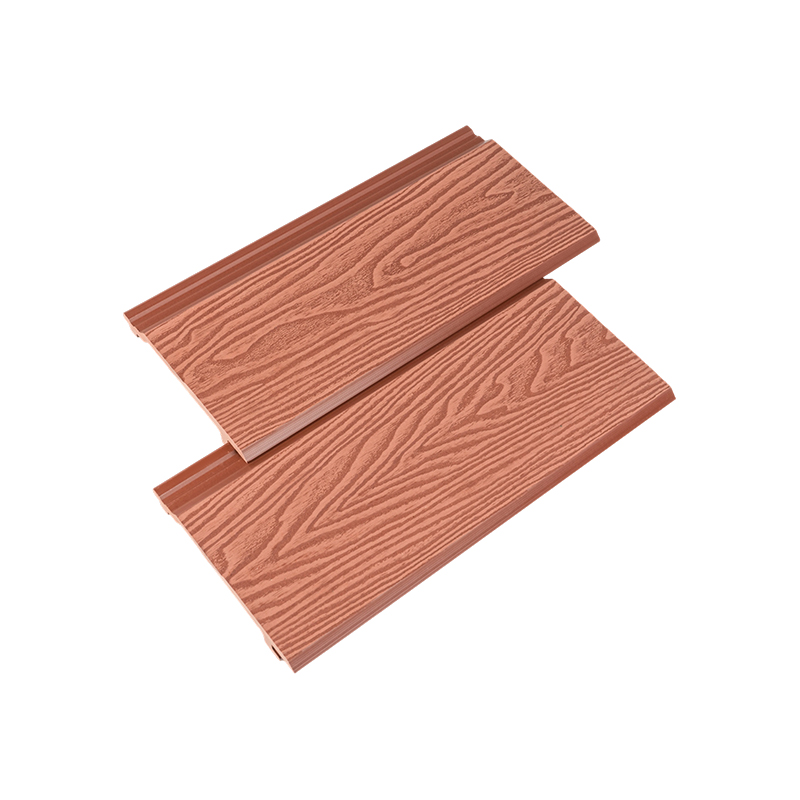
A WPC door is an interior or exterior door manufactured from wood-plastic composite — an eco-friendly engineered material that combines reclaimed wood fibre with recycled thermoplastic polymer to produce a door panel and frame system that inherits the aesthetic warmth of natural wood while eliminating its core structural vulnerabilities. WPC doors can achieve zero formaldehyde emission, contain no chemical adhesives, and are manufactured without the virgin timber consumption or toxic resin binding agents associated with MDF and particleboard door construction.
The material was developed to address the most persistent weaknesses of traditional door materials in real-world use: MDF doors swell and delaminate in humid environments; solid wood doors warp, crack, and require periodic refinishing; hollow-core panel doors provide negligible acoustic privacy and poor impact resistance. WPC doors are engineered to be waterproof, dimensionally stable, termite-resistant, acoustically effective, and maintenance-free — a combination no single traditional door material achieves simultaneously. They are widely used in residential homes, hotels, hospitals, schools, offices, and commercial facilities where long-term performance, hygiene, and low maintenance are all required.
WPC door panels and frames are produced from a blend of 50–70% reclaimed wood fibre — sourced from sawmill residues, wood manufacturing waste, and agricultural fibre — combined with 30–50% recycled thermoplastic polymer, typically polyvinyl chloride (PVC), polyethylene (PE), or polypropylene (PP). Unlike MDF, which uses urea-formaldehyde resin as its binding agent, WPC uses the thermoplastic polymer itself as the binder — activated by heat during processing rather than by chemical curing. This is why quality WPC doors achieve zero formaldehyde emission, meeting the strictest indoor air quality standards without the need for low-emission coatings or laminate barriers over the substrate.
The blended WPC material is processed through one of two manufacturing routes. In the extrusion process, the heated composite is forced through a shaped die to produce door frame profiles — architraves, door jambs, and sill sections — in continuous lengths that are cut to finished dimensions. In the moulding or press process, the composite material is heated and pressed into flat panel moulds to produce door slab panels of defined dimensions and surface finish. Surface texture — wood grain embossing, smooth finish, or panel moulding profiles — is applied during the pressing or post-processing stage. Because colour pigment is incorporated throughout the material during mixing, WPC doors are through-coloured: the substrate colour is consistent from surface to core.
WPC door systems typically include matched WPC door frames — comprising jamb uprights, head jamb, and door stop sections — manufactured from the same composite material as the door slab. The frame and door slab share the same waterproof, dimensionally stable, and termite-resistant properties, eliminating the inconsistency of combining a durable WPC door slab with a timber frame that remains vulnerable to the same moisture and biological attack conditions the WPC slab is designed to resist. A complete WPC door-and-frame system provides uniform performance across the entire door installation, which is particularly important in bathrooms, kitchens, hospitals, and other moisture-heavy environments.
Formaldehyde off-gassing from MDF and particleboard is one of the most significant indoor air quality concerns in residential and commercial buildings. Standard MDF uses urea-formaldehyde (UF) resin, which continues to release formaldehyde vapour into the interior environment for months or years after installation — at levels that the World Health Organization classifies as a Group 1 carcinogen at sustained indoor exposure concentrations. WPC doors contain no formaldehyde-releasing adhesives or resins. The wood fibre is bound by the thermoplastic polymer matrix without any chemical adhesive involvement, achieving zero formaldehyde emission. This makes WPC doors the appropriate specification for children's bedrooms, healthcare facilities, schools, and any environment where occupant health sensitivity to indoor air quality is a priority.
MDF and particleboard door cores absorb moisture readily — causing progressive swelling, surface delamination, and structural compromise when used in bathrooms, kitchens, and other humid interior environments. Even with sealed surfaces, moisture ingress at unprotected edges causes irreversible internal swelling that eventually causes the door face veneer or laminate to peel and bubble. WPC doors are waterproof throughout their full cross-section. The polymer matrix prevents moisture absorption even at cut edges and damaged surface areas, maintaining dimensional stability and surface integrity in persistent humidity, steam, and direct water splash conditions that would destroy an equivalent MDF door within a few years.
Solid wood doors and solid wood door frames are subject to significant seasonal dimensional movement — expanding in humid summer conditions and contracting in dry winter conditions — causing them to bind in their frames in summer and rattle in winter. Over years of this cycling, solid wood doors warp, twist, and cup, eventually requiring planing, rehinging, or complete replacement. WPC doors maintain dimensional stability across a temperature range of -40°C to +70°C and across the full range of indoor humidity conditions encountered in normal building use. A WPC door installed correctly will open and close with the same ease on the first day as it does 15 years later.
Termite damage to timber doors and frames is a significant and recurring problem in tropical, subtropical, and many temperate climates — often concealed within the door core until the structural damage is severe. The plastic content of WPC composite provides no nutritional substrate for termites or wood-boring insects, and the thermoplastic polymer matrix prevents the insects from penetrating the door material even at cut edges and fixings. WPC doors require no insecticide treatment, no termite barrier installation around frames, and no regular inspection for concealed pest activity — all of which are routine management requirements for solid timber door installations in at-risk climates.
The dense, solid composite cross-section of a WPC door provides significantly better airborne sound insulation than hollow-core panel doors, which are the standard low-cost alternative in residential and commercial construction. While solid WPC door slabs do not match the acoustic performance of specialist acoustic door assemblies with lead sheet or mineral wool cores, they provide acoustic performance comparable to solid timber doors of equivalent thickness — typically achieving sound reduction in the range of 28 to 35 dB depending on door thickness, frame sealing, and undercut clearance. For bedrooms, home offices, meeting rooms, hospital wards, and school classrooms, this level of acoustic separation provides effective privacy.
WPC door panels are typically 20–30% lighter than solid timber doors of equivalent dimensions, reducing the physical handling requirement during installation and lowering the structural load on hinge fixings. WPC doors are supplied pre-finished — no on-site painting, priming, or sealing is required before hanging. The WPC frame system is also designed for fast installation: frame sections are cut to length, fixed to the rough door opening structure, and trimmed with integrated architrave profiles that require no separate on-site finishing. The complete door-and-frame system can typically be installed by a competent fitter in under two hours per opening.
Quality WPC doors have a realistic service life of 20 to 30 years under normal interior use conditions — significantly exceeding the typical 10 to 15-year service life of MDF doors in humid environments before swelling, delamination, or surface damage requires replacement. WPC doors are available in a wide range of surface finishes, colours, and panel profiles — from smooth contemporary flush faces to traditional panel moulding designs, in woodgrain textures or plain colours — allowing customisation to suit residential, hospitality, healthcare, and commercial interior design requirements without compromising the material's performance properties.
| Criterion | WPC Door | MDF Door | Solid Wood Door | Hollow-Core Panel |
|---|---|---|---|---|
| Formaldehyde emission | Zero | High (UF resin) | Low (natural) | Moderate (MDF skin) |
| Waterproof performance | Excellent (full cross-section) | Poor (swells at edges) | Moderate (treated surface only) | Poor |
| Dimensional stability | Excellent (no warping) | Moderate (swells in humidity) | Poor (seasonal movement) | Good (low mass) |
| Termite / insect resistance | Excellent | Poor | Poor–moderate | Poor |
| Sound insulation | Good (28–35 dB) | Good (solid core) | Good–very good | Poor (<20 dB) |
| Maintenance required | None (wipe clean only) | Repaint periodically | Repaint / refinish every 3–5 yrs | Repaint periodically |
| Typical service life | 20–30 years | 10–15 yrs (humid environments) | 20–40 yrs (if maintained) | 8–12 yrs |
| Eco credentials | Good (recycled content, zero formaldehyde) | Poor (formaldehyde resins) | Good (if certified timber) | Moderate |
| Installation weight | Light–medium | Medium–heavy | Heavy | Light |
Residential applications are the largest market for WPC doors, driven by the material's combination of waterproof performance in wet rooms and zero formaldehyde emission in sleeping and living environments. In bathrooms and en-suites — where steam, condensation, and occasional direct water contact are normal — WPC doors maintain their dimensional stability and surface appearance without the swelling, delamination, or paint peeling that affect MDF doors in the same conditions within a few years. In bedrooms and children's rooms, the zero formaldehyde specification addresses concerns about indoor air quality that are increasingly important to health-conscious homeowners. WPC is particularly well-suited as a complete door-and-frame system for new bathroom installations, where the frame is exposed to the same humid conditions as the door slab.
Healthcare environments place specific demands on door materials that WPC doors are particularly well-positioned to meet: resistance to repeated cleaning with hospital-grade disinfectants, zero off-gassing into spaces occupied by immunocompromised patients, resistance to bacterial and mould growth at surface damage points, and dimensional stability that prevents binding under the daily traffic loads of hospital corridors and ward doors. WPC doors' smooth, non-porous surface resists the penetration of cleaning chemicals and biological material that compromises porous timber and MDF surfaces over time in healthcare settings. Most WPC door surfaces can withstand repeated cleaning with bleach-based and quaternary ammonium disinfectants without surface degradation.
School environments combine several challenges for door materials: high physical contact and impact frequency from student traffic, persistent humidity in toilets and changing rooms, chemical exposure from cleaning programmes, and indoor air quality sensitivity for the young occupants. WPC doors address all four simultaneously. The solid composite cross-section resists the impact dents and scuffs that damage hollow-core panel doors rapidly in school corridors. The zero formaldehyde specification is particularly important in classrooms and nurseries, where children spend extended periods in the same air volume as the door material.
Hotel guestroom doors and en-suite bathroom doors are among the highest-use door installations in any building — cycled repeatedly by guests, cleaning staff, and maintenance personnel, and subject to the humidity of bathroom environments and the cleaning chemicals of housekeeping routines. WPC doors' combination of waterproof performance, impact resistance, easy cleaning, and zero maintenance requirement makes them operationally well-suited to hospitality applications where minimising refurbishment frequency and maintenance intervention is a direct operational cost consideration.
Open-plan offices, meeting rooms, toilet corridors, and service areas in commercial buildings benefit from WPC doors' acoustic performance, durability, and zero maintenance requirement. For large commercial fit-outs requiring consistent door specifications across dozens or hundreds of openings, the predictable performance, colour consistency, and long service life of WPC doors reduce the maintenance and replacement expenditure that accumulates with lower-quality door specifications over the building's tenancy period.
WPC doors are produced in a wide range of styles and surface finishes to suit the design requirements of different interior environments:
The wall opening must be structurally complete, plumb, and within the dimensional tolerances specified by the door system manufacturer — typically ±5 mm tolerance on width and height relative to the nominal frame size. Excessively out-of-plumb or out-of-square openings require remediation before frame installation; attempting to force a door frame into a significantly out-of-tolerance opening will cause the door to bind on installation or develop progressive binding as the frame is stressed by the wall structure over time.
WPC door frame sections are cut to length, assembled into the door opening, and fixed to the structural wall using frame fixings or frame plugs at regular intervals — typically every 400–600 mm along each jamb. The frame must be checked for plumb and square using a spirit level before fixing is completed, as correcting a frame that has been fixed out of plumb requires removal and reinstallation. Frame-to-wall gaps are filled with expanding foam or frame sealant and covered by the integrated architrave profile of the WPC frame section.
WPC door slabs are hung using standard stainless steel or zinc-alloy butt hinges recessed into the door edge and frame — identical to the process for hanging solid timber or MDF doors. Standard door hardware — handles, locks, latches, and closers — is compatible with WPC doors and fits using standard mortise or bore hole specifications. Stainless steel hardware is recommended for doors in wet room and high-humidity applications to match the WPC door's own corrosion-resistant performance and avoid rusting hardware staining the WPC surface.
Standard WPC doors are not rated fire doors. For applications requiring FD30 or FD60 fire door specifications — habitable room doors opening onto escape routes in residential buildings, compartment doors in commercial buildings — confirm the specific WPC product's fire test certification before specification. Some WPC door manufacturers produce fire-rated variants with appropriate core specifications and intumescent seal provisions; these must be confirmed by an independently certified fire test report rather than by general material claims.
WPC doors are waterproof throughout their full cross-section — not by virtue of a surface coating or laminate, but because the polymer matrix in the WPC material itself prevents moisture absorption through the entire board depth. This is the fundamental structural difference from MDF, where waterproof performance depends entirely on the integrity of the surface finish and fails as soon as unprotected edges or surface damage are exposed to moisture. A WPC door submerged in water will not swell, delaminate, or lose structural integrity — a test that would destroy an MDF door within hours.
WPC door material is waterproof and weather-resistant, and some WPC door products are specified for covered exterior applications such as sheltered entrances, balcony doors, and internal courtyard openings. However, for fully exposed external door positions — front entrance doors subject to direct rain, UV loading, and temperature extremes — a dedicated exterior door specification should be confirmed with the manufacturer. The surface finish must be UV-stable for direct sun exposure, hardware must be rated for exterior use, and the frame-to-wall seal must meet exterior weather exclusion requirements. Standard interior WPC door specifications are not designed for fully exposed exterior duty.
WPC doors can be painted, but paint adhesion to the polymer-rich composite surface requires careful surface preparation — typically mechanical sanding to create a key surface and application of a primer formulated for plastic or composite substrates before the topcoat. Standard water-based emulsion paint applied directly to an unprepared WPC surface will have poor adhesion and peel within a year under normal door use. Because WPC doors are supplied pre-finished from the factory, repainting is typically only considered when a colour change is desired — not for maintenance of a deteriorating surface, since WPC surfaces do not require protective painting to maintain their integrity.
WPC doors require no maintenance treatment. Day-to-day cleaning consists of wiping with a damp cloth or mild detergent solution — the smooth, non-porous surface releases surface soiling readily without scrubbing. For healthcare and commercial applications where disinfectant cleaning is required, most WPC door surfaces tolerate standard hospital-grade disinfectants including dilute bleach solutions without surface damage. Avoid solvent-based cleaners, which can dull the surface finish. The door frame channels and stop sections should be kept clear of debris accumulation to prevent binding, and hinge and latch hardware should be checked for tightening annually.
WPC door slabs can be hung in existing timber frames using standard hinges and hardware — the hinge and latch specifications are compatible with standard door hanging practice. However, for bathroom and kitchen applications where moisture resistance is the primary reason for choosing WPC, replacing the existing timber frame with a WPC frame is strongly recommended. A WPC door in a timber frame does not deliver full moisture resistance at the most vulnerable points of the installation — the frame rebate and stop where the door closes against the frame — which remain susceptible to the same swelling and decay that affects all timber in persistent humidity.
WPC doors typically carry an initial price premium of 15–40% over equivalent MDF doors at the point of purchase. However, when compared over a 15-year horizon — particularly in bathroom and kitchen applications — WPC doors' longer service life and zero replacement cost often produce a lower total cost of ownership than MDF doors that require replacement due to moisture damage within 8 to 12 years. For healthcare and commercial applications where door replacement causes programme disruption and operational downtime, the lifecycle cost advantage of WPC is more significant than the initial price differential suggests.
For standard residential interior applications — bedroom doors, bathroom doors, and corridor doors where basic privacy is the requirement — a 35 mm or 40 mm solid WPC door slab provides adequate sound reduction in the range of 28 to 32 dB. For higher acoustic performance requirements — home cinema rooms, music practice spaces, meeting rooms, and medical consulting rooms — specify a 45 mm or 50 mm WPC slab with full perimeter acoustic seals and a door bottom seal to address the undercut gap, which is typically the primary low-frequency flanking path through any door assembly regardless of the slab's acoustic rating.