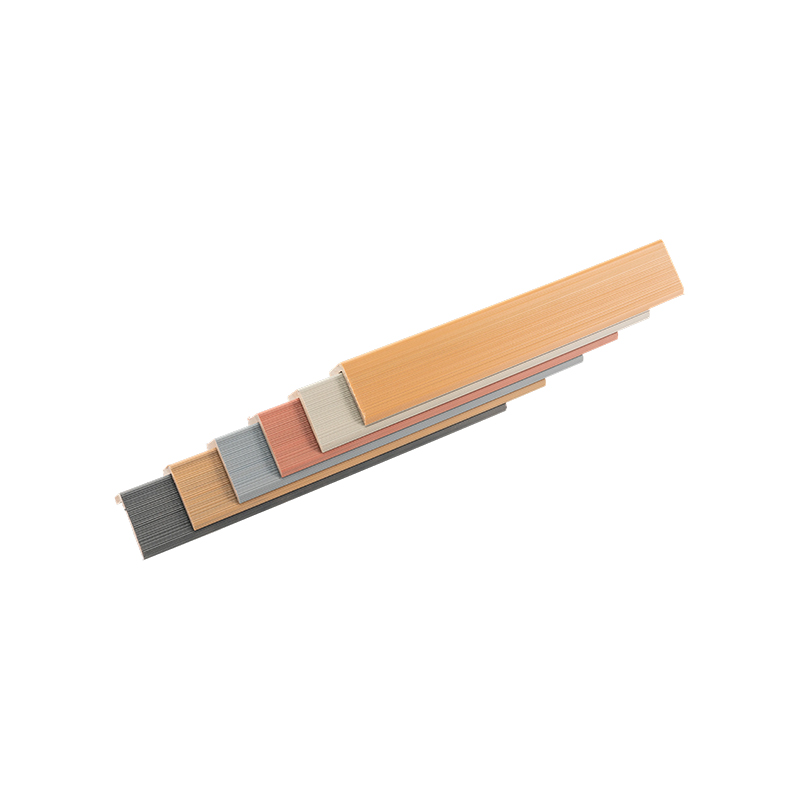
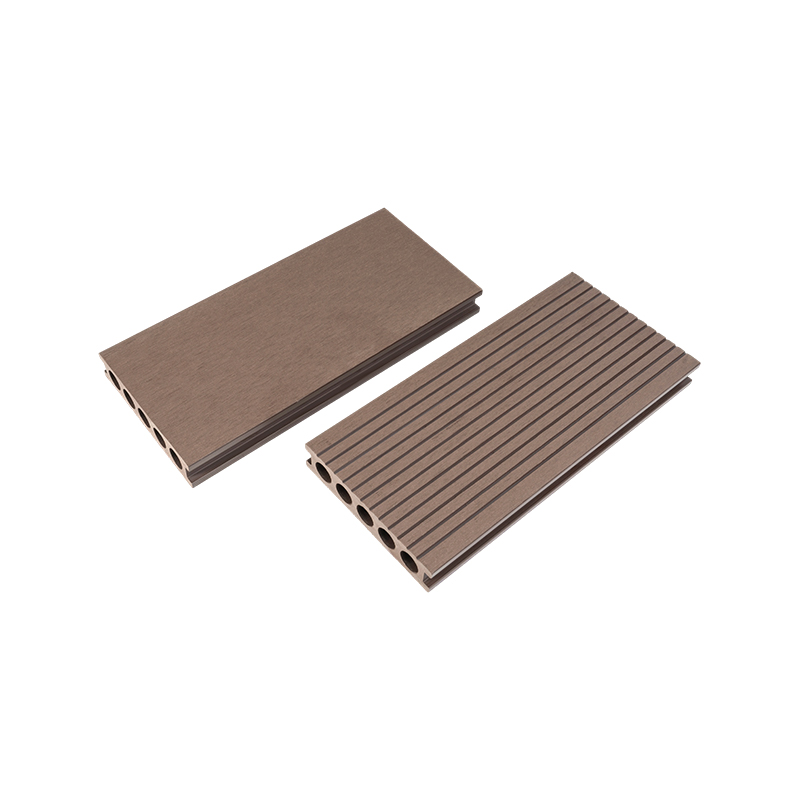
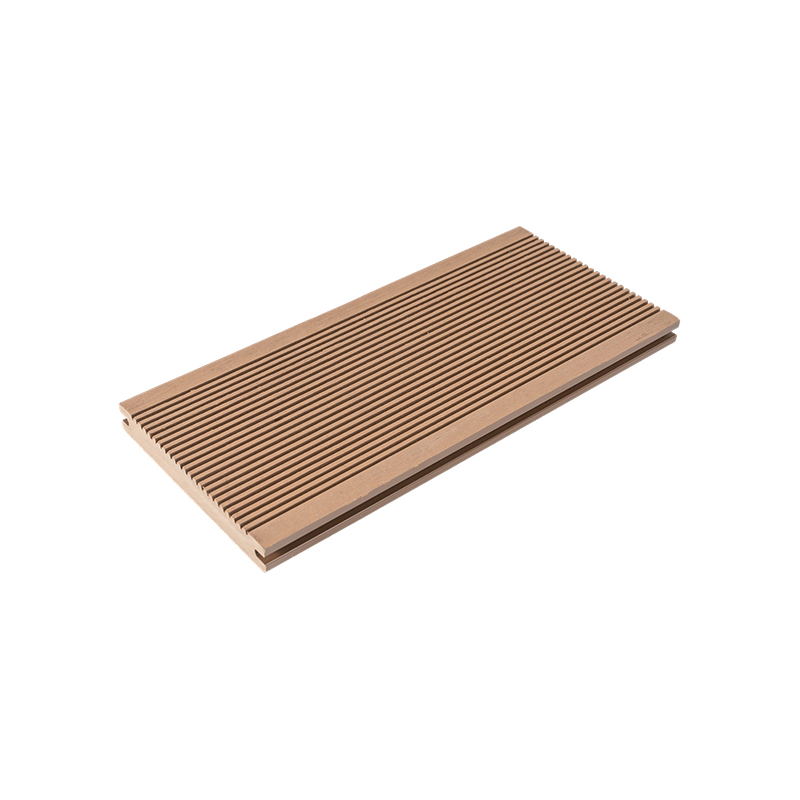
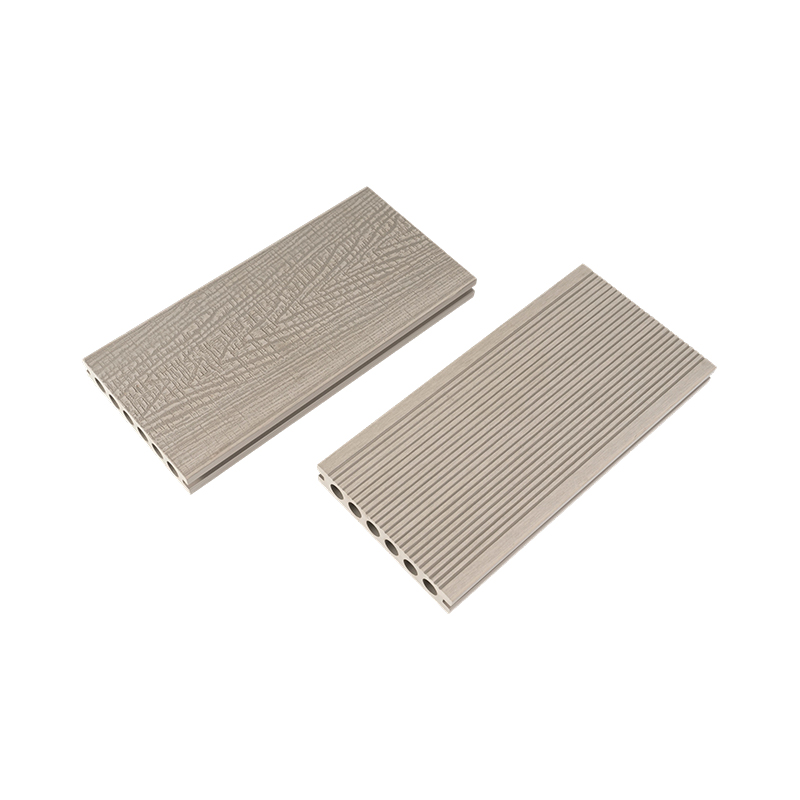
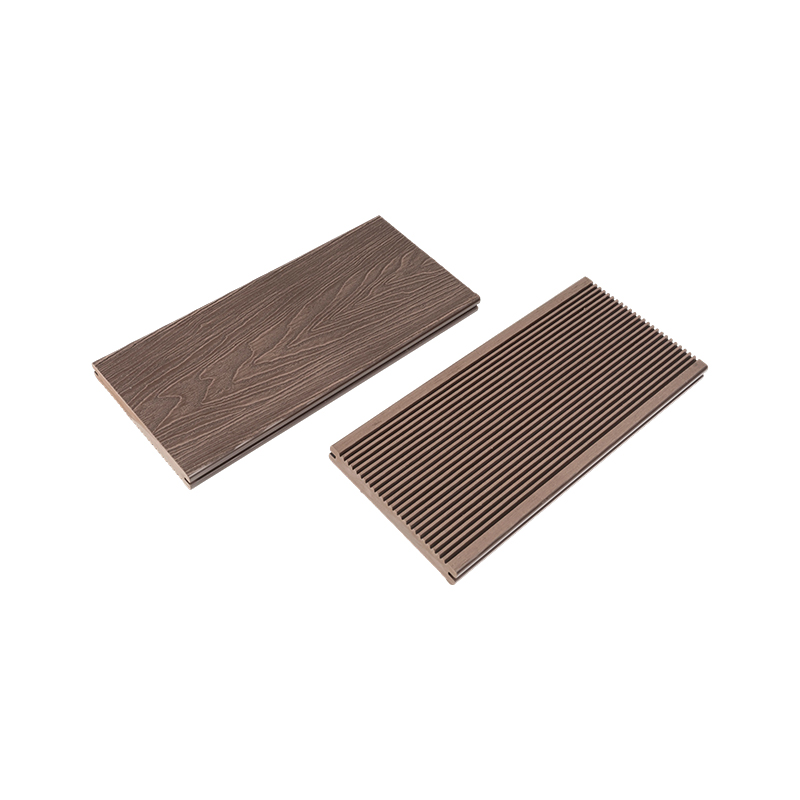
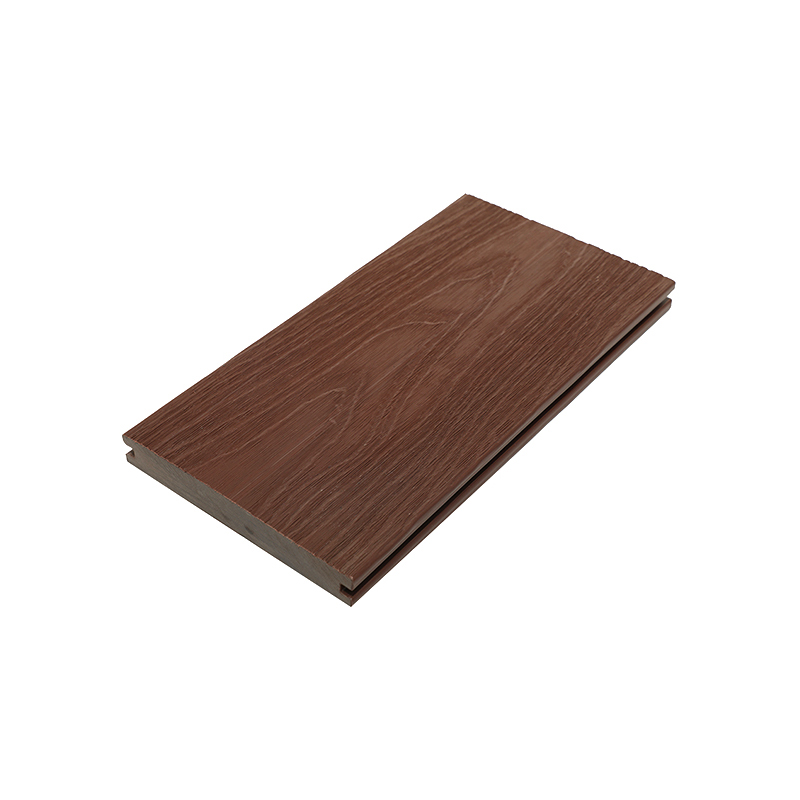
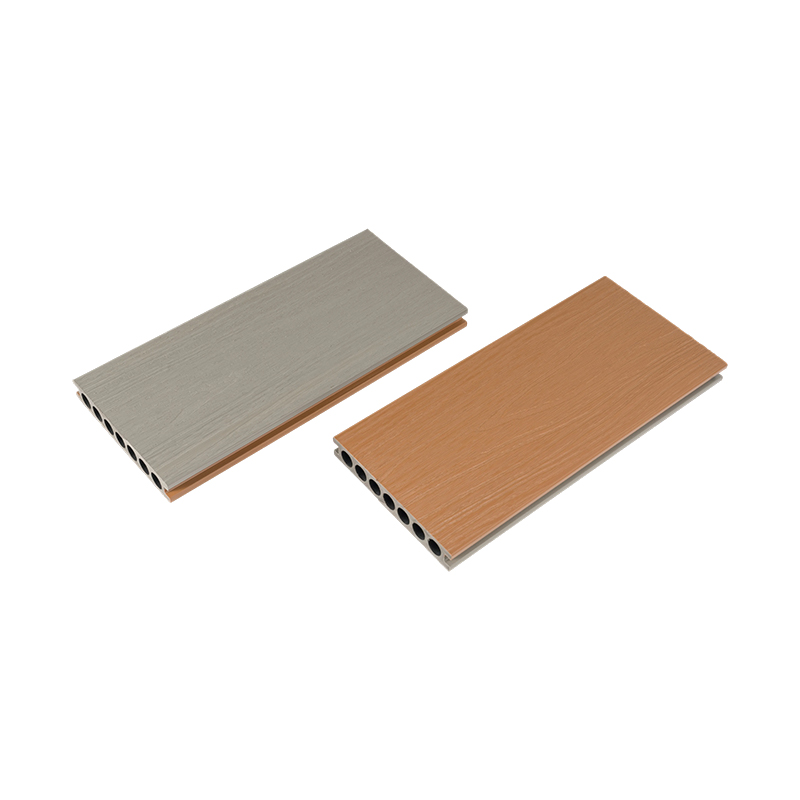
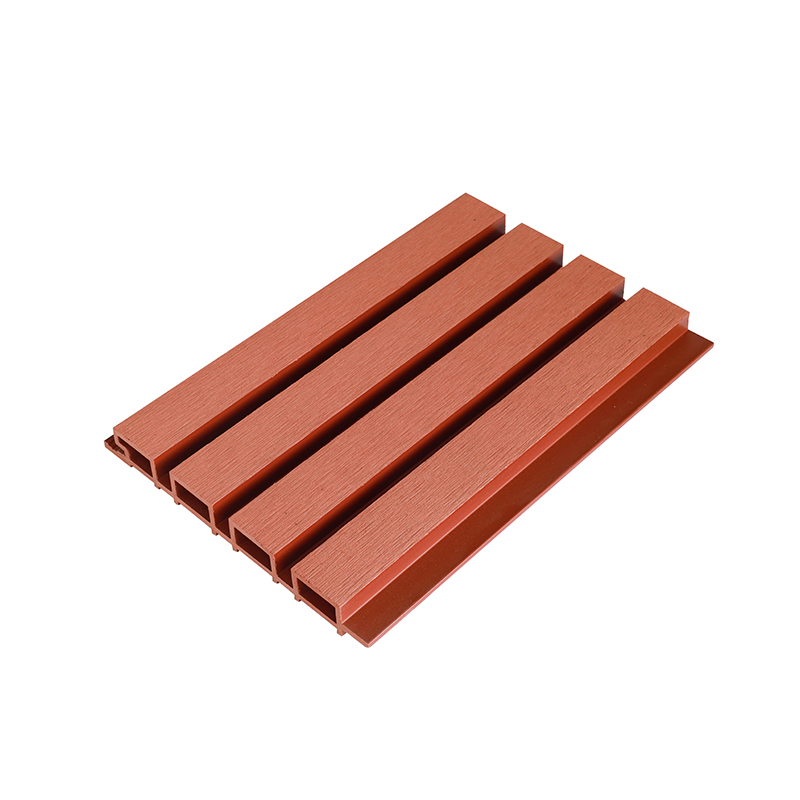
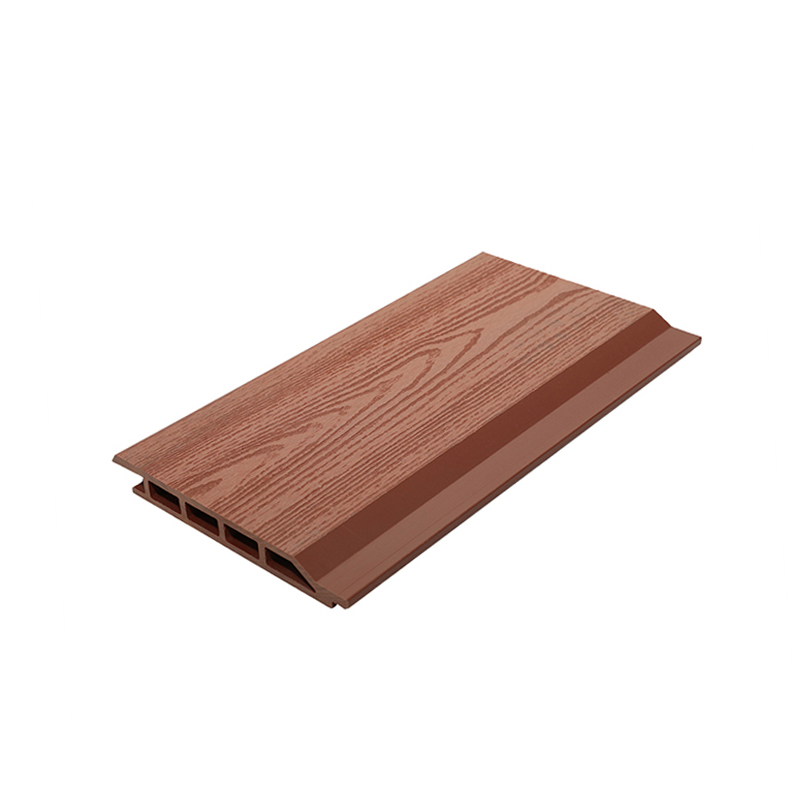
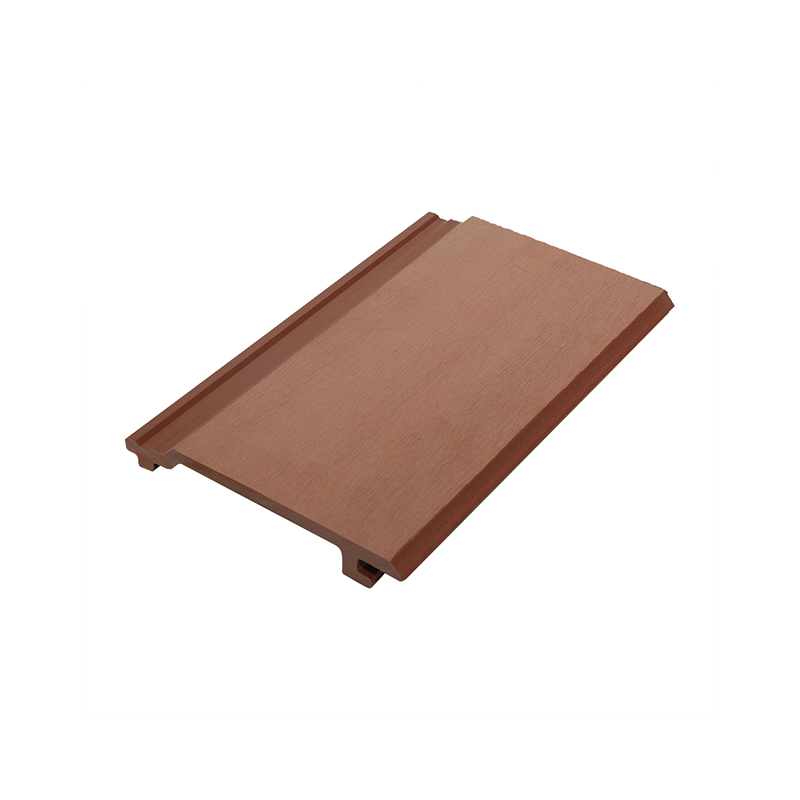
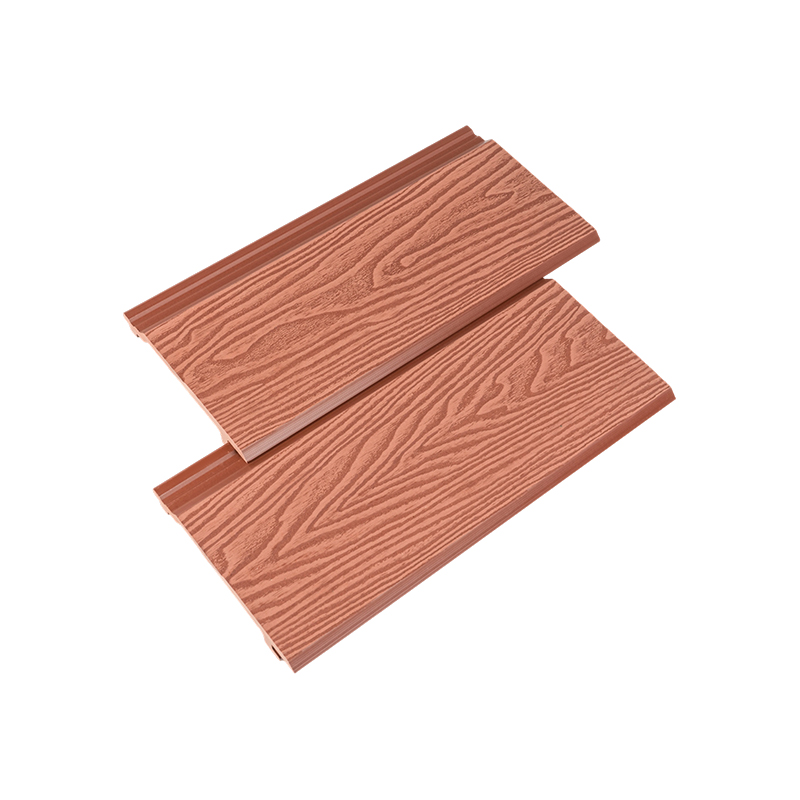
WPC Edge Caps — short for Wood Plastic Composite Edge Caps — are corner and edge protection profiles manufactured from a blend of wood fiber and polymer plastic. This composite formulation gives each cap the warm, organic appearance of natural timber while delivering the dimensional stability, moisture resistance, and impact strength that pure wood cannot achieve on its own.
In structural terms, WPC Edge Caps function as a mechanical shield applied to the exposed perimeter of a surface. The cap's rounded outer profile absorbs and distributes impact energy across a wider area, preventing point-load damage to the underlying board or panel. The smooth, sealed surface simultaneously blocks moisture, dirt, and insects from penetrating the hollow core of composite decking boards — one of the most common failure points in outdoor installations.
Standard Specifications at a Glance
Typical WPC Edge Cap product specifications for standard installations
| Parameter |
Typical Value |
Notes |
| Length |
~2,000 mm |
Matches standard decking board length |
| Cross-section |
Conforms to board end profile |
U-channel, L-angle, or hollow-core cap |
| Standard colors |
Natural light brown, dark brown, gray |
Custom colors available on request |
| Installation method |
Snap-fit, adhesive, or screw |
Choice depends on substrate material |
| Surface finish |
Embossed wood grain texture |
Smooth, splinter-free to the touch |
Key Advantages of WPC Edge Caps Over Alternative Materials
WPC Edge Caps outperform both solid timber edge trims and standard PVC profiles across several critical performance dimensions. Their composite nature means they inherit the strengths of each parent material while largely eliminating the weaknesses.
Weather and Moisture Resistance
Unlike natural wood, WPC does not absorb standing water or swell when exposed to rain. Independent weathering tests show that quality WPC profiles maintain dimensional stability across a temperature range of -40°C to +60°C, making them suitable for climates ranging from northern continental winters to tropical coastal environments. The polymer matrix also resists UV-induced fading — a common complaint with untreated timber trim.
Impact and Wear Protection
The rounded edge profile of a WPC cap distributes impact loads across a wider contact area. In flooring applications, this translates to significantly reduced chipping and delamination at board ends — areas that typically see the highest foot traffic stress. For outdoor decks and landscape paths, the cap also protects against repeated loading from furniture legs, planters, and wheeled equipment.
Aesthetic Consistency
WPC Edge Caps are manufactured with an embossed wood grain surface that closely matches the texture and color of composite deck boards. This eliminates the visible color mismatch that often occurs when metal or plain PVC edge trim is used alongside wood-look composite cladding. Because the color is integral to the cap's surface layer rather than painted on, it does not peel or flake over time.
Low Maintenance Requirements
WPC Edge Caps require no sanding, staining, painting, or sealing after installation. Routine cleaning with mild soap and water is sufficient to maintain appearance. This is in stark contrast to solid timber trim, which typically requires annual oiling or sealing to prevent cracking and discoloration in outdoor environments.
Where WPC Edge Caps Are Used: Applications by Setting
WPC Edge Caps are a versatile accessory used across both residential and commercial contexts. Their protective and decorative dual function means they add value in any setting where a composite or timber board edge is exposed.
Outdoor Decking and Terraces
This is the most common application. Composite deck boards are hollow-core by design, meaning every cut end exposes an internal void. Without a cap, this void allows rainwater, leaf litter, and insects to accumulate inside the board, accelerating internal decay and potentially voiding manufacturer warranties. WPC End Caps seal these voids completely while providing a finished, mitered appearance at deck perimeters and stair nosings.
Wall Cladding and Facade Panels
On exterior wall cladding installations, WPC Edge Caps are applied to the top and bottom horizontal runs of cladding boards to seal exposed grain at building corners and window reveals. This prevents moisture from wicking horizontally into the board end — one of the primary causes of premature cladding failure in wet climates.
Garden Features: Paths, Fences, and Planter Boxes
In landscaping, WPC Edge Caps are used to define and protect the borders of raised pathways, timber-framed planters, and composite fencing. For planter boxes in particular, the cap provides a critical moisture barrier between the soil environment inside and the structural panel outside — a detail that can extend planter box service life by several years compared to uncapped installations.
Indoor Flooring and Furniture Edges
Indoors, WPC Edge Caps serve a safety and finishing role on stair edges, doorway transitions, and exposed furniture corners. Their rounded, splinter-free profile eliminates sharp edges in family living spaces and commercial interiors, meeting common building safety recommendations for high-traffic and child-accessible environments.
Installation Methods: Choosing the Right Approach
WPC Edge Caps can be installed using three primary methods. The best choice depends on the substrate, the installation environment, and whether a permanent or removable fixing is desired.
Snap-Fit Installation
Snap-fit caps are engineered with an internal clip channel that grips the board end under spring tension. This method requires no tools, no adhesive, and no drilling, making it the fastest installation method and the preferred option when boards may need to be removed for maintenance access. Snap-fit caps are best suited to boards with consistent, factory-cut end profiles.
Adhesive Bonding
Construction-grade polyurethane or silicone adhesive provides a watertight, permanent bond between the cap and the board end. This is the recommended method for coastal, poolside, or high-humidity environments where maximum moisture exclusion is required. The board end surface must be clean, dry, and free of dust before application, and the adhesive requires a curing period of typically 24 hours before the surface is exposed to water.
Screw Fixing
For applications requiring maximum mechanical strength — such as stair nosings or high-impact commercial environments — stainless steel screws driven through the cap face and into the board end provide the most secure fixing. Use Grade 316 stainless steel screws in outdoor settings to prevent rust staining. Pre-drilling pilot holes is recommended to avoid splitting the cap.
Comparison of WPC Edge Cap installation methods by key criteria
| Method |
Tools Required |
Removable? |
Best Environment |
| Snap-fit |
None |
Yes |
Residential decks, low humidity |
| Adhesive |
Caulk gun |
No |
Poolside, coastal, wet areas |
| Screw |
Drill, driver |
Yes (with effort) |
Stairs, commercial, high-impact |
Selecting the Right WPC Edge Cap: A Practical Buyer's Guide
Not all WPC Edge Caps are interchangeable. Selecting the wrong profile or material grade is one of the most common causes of poor visual results and premature failure. Use the following criteria as a purchasing checklist.
- Profile compatibility: Measure the exact width, height, and wall thickness of your decking board end before ordering. Cap internal dimensions must match within 1–2 mm for a secure fit.
- Color matching: Always order cap samples alongside deck board samples, as WPC color varies by batch and manufacturer. View both samples in natural daylight before committing to a full order.
- UV stabilizer content: For exposed outdoor use, specify caps with added UV stabilizers. Products without UV protection can fade noticeably within 12–18 months of direct sun exposure.
- Wood fiber content: Higher wood fiber ratios (typically 50–70%) give a more natural appearance but may require more careful moisture management. Lower wood content composites offer greater resistance to swelling in very wet environments.
- Length and wastage: Standard caps are approximately 2 m long. For decks with numerous short cuts, order 10–15% additional length to account for wastage at joints and mitred corners.
Frequently Asked Questions About WPC Edge Caps
Are WPC Edge Caps necessary if my deck boards already look finished at the ends?
Yes. The visual appearance of a board end does not indicate whether the hollow core is sealed. Most composite decking boards are co-extruded hollow profiles. Any cut end, regardless of how smooth it looks, exposes the internal void to water ingress and biological growth. Edge caps are the only reliable way to seal this vulnerability at the perimeter.
Can WPC Edge Caps be painted or stained to match a custom color?
Standard WPC surface coatings do not accept paint or stain well due to the low porosity of the polymer-rich outer layer. For custom color requirements, it is strongly recommended to order factory-colored caps rather than attempting site painting, which will peel within one to two seasons in outdoor conditions.
How do I cut WPC Edge Caps to length on site?
WPC Edge Caps can be cut with a standard fine-tooth wood saw or a mitre saw fitted with a carbide-tipped blade. A blade with at least 60 teeth is recommended to produce a clean, splinter-free cut edge. Always wear eye protection as WPC produces fine fibrous dust when cut. After cutting, lightly sand any rough edges with 120-grit sandpaper before installation.
Do WPC Edge Caps require maintenance after installation?
WPC Edge Caps are essentially maintenance-free. Occasional cleaning with a soft brush and mild detergent will remove surface dirt and any organic build-up. Do not use high-pressure water jets directed at adhesive-bonded caps, as sustained hydraulic pressure may weaken the bond line over time. Snap-fit and screwed caps are unaffected by pressure washing at normal residential settings (under 1,500 psi).
Will WPC Edge Caps expand and contract seasonally?
Yes, like all WPC products, edge caps undergo minor thermal expansion and contraction. The typical linear expansion rate for WPC is approximately 3–5 mm per 2 m length over a 40°C temperature change. For this reason, a small expansion gap of 2–3 mm should be left at each cap joint when installing in runs longer than 2 m, particularly in climates with high seasonal temperature variation.
Environmental and Safety Credentials of WPC Edge Caps
WPC materials are widely regarded as a more sustainable alternative to pure tropical hardwood trim. The wood fiber component is typically sourced from post-industrial sawmill residues or reclaimed wood, diverting material that would otherwise be landfilled. The polymer component may incorporate recycled plastic content, further reducing the net environmental footprint of the product.
From a safety standpoint, the rounded, smooth edge profile of WPC Edge Caps eliminates the splinter and sharp-edge risks associated with raw timber trim. This is particularly relevant in family gardens, children's play areas, and accessible outdoor spaces where contact with edge surfaces is frequent. The material does not require chemical preservatives, stains, or sealers that could leach into soil or surface runoff — a meaningful environmental advantage over pressure-treated timber alternatives in landscape applications.

 English
 Français
 Español
 Deutsch