English
 Français
 Español
 Deutsch
The failure usually appears three months after handover. The wall looks flat from across the room, but angle a work light across it and the WPC PVC panels wave, creak, or open at the joints. In most cases the panel itse...
READ MORE
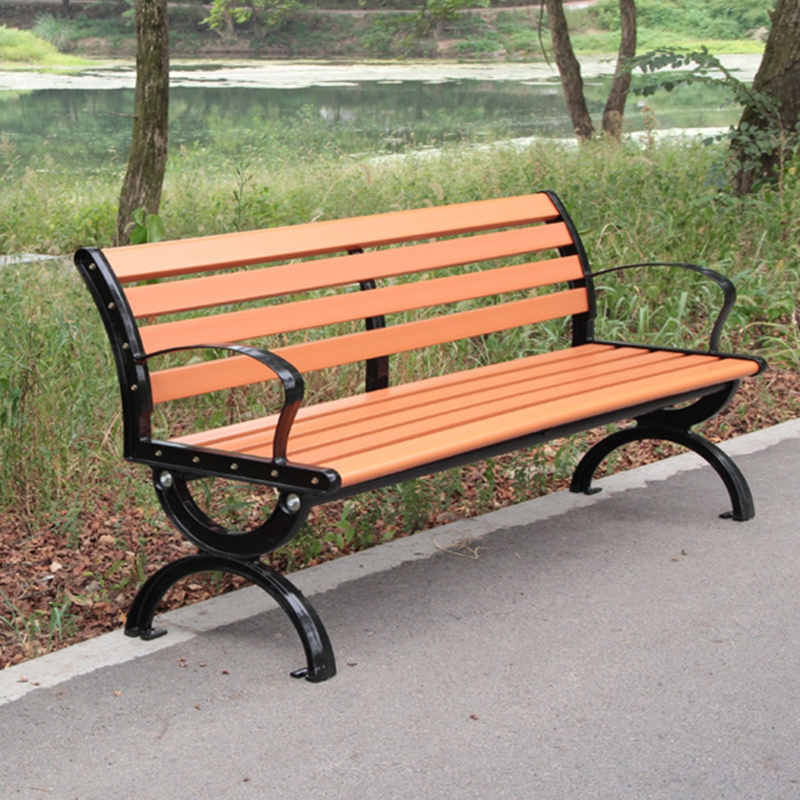
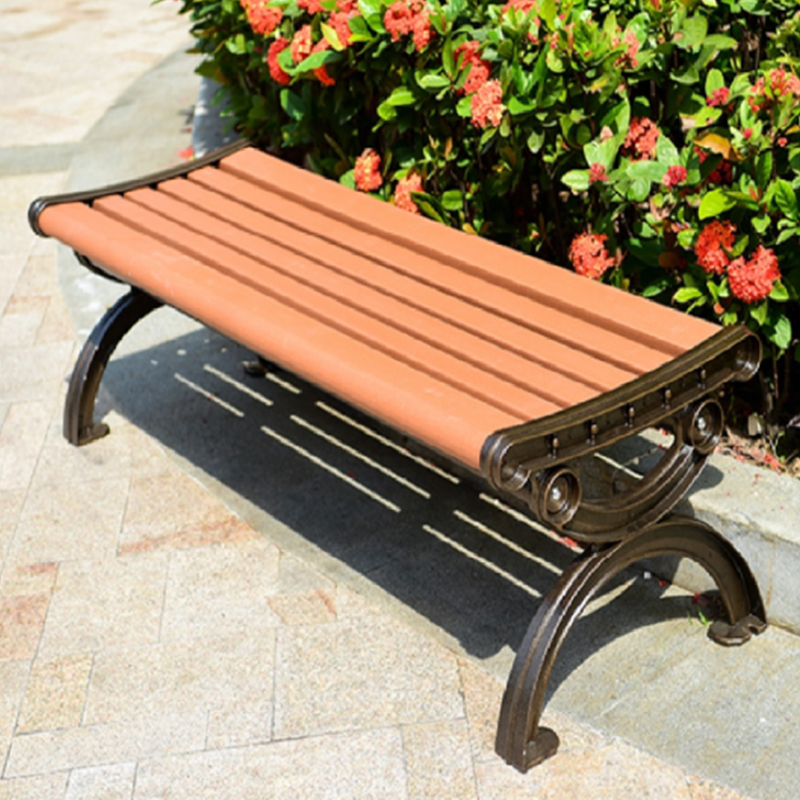
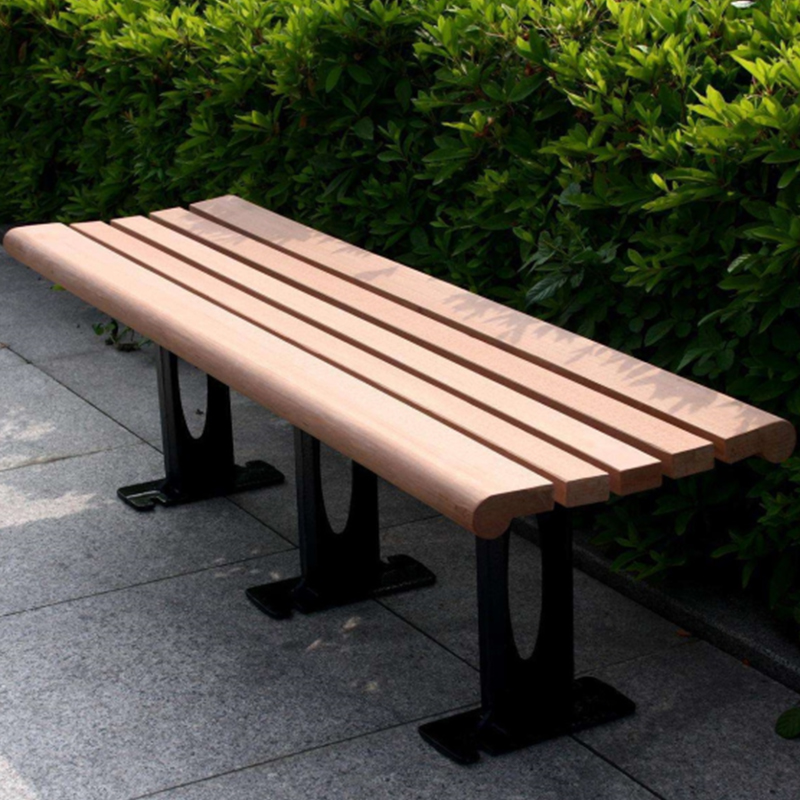
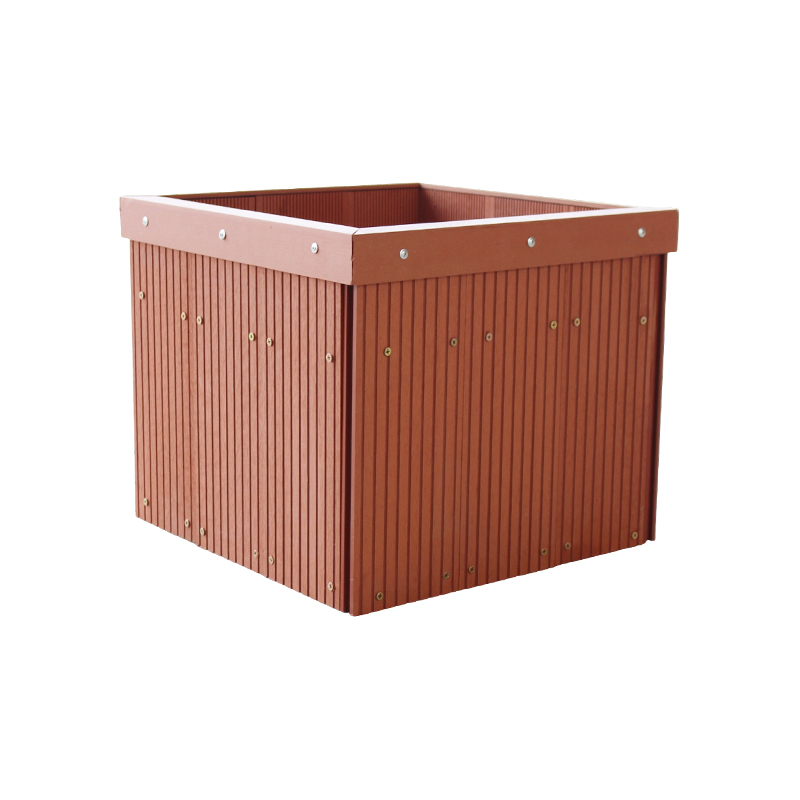
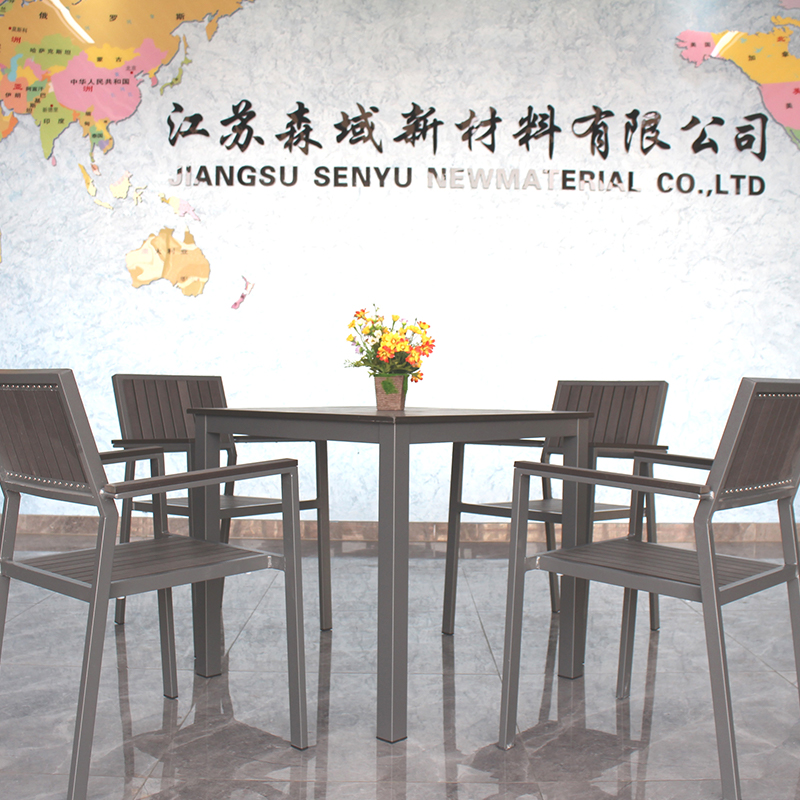
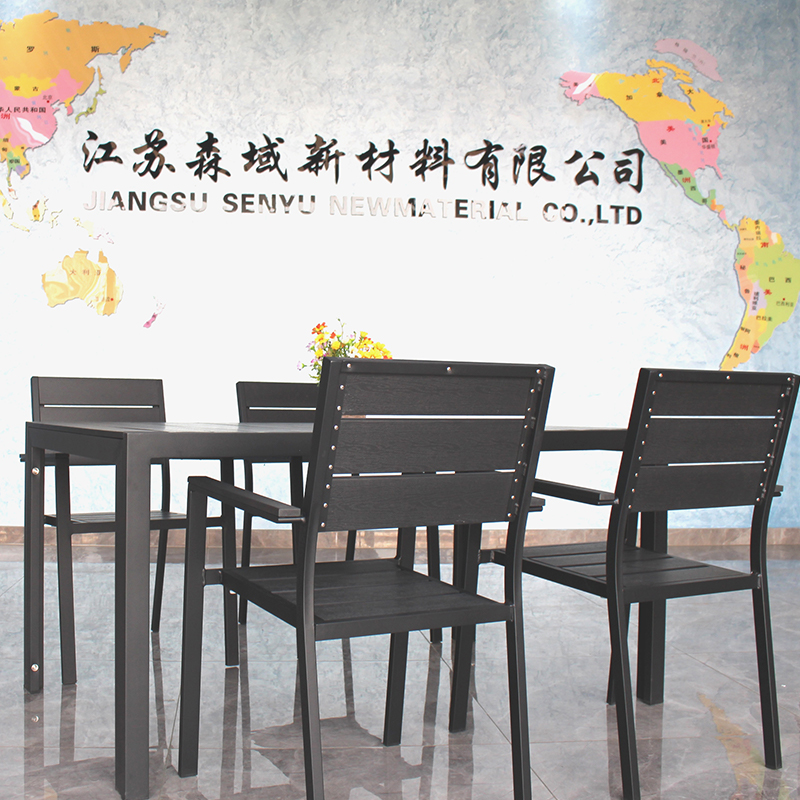
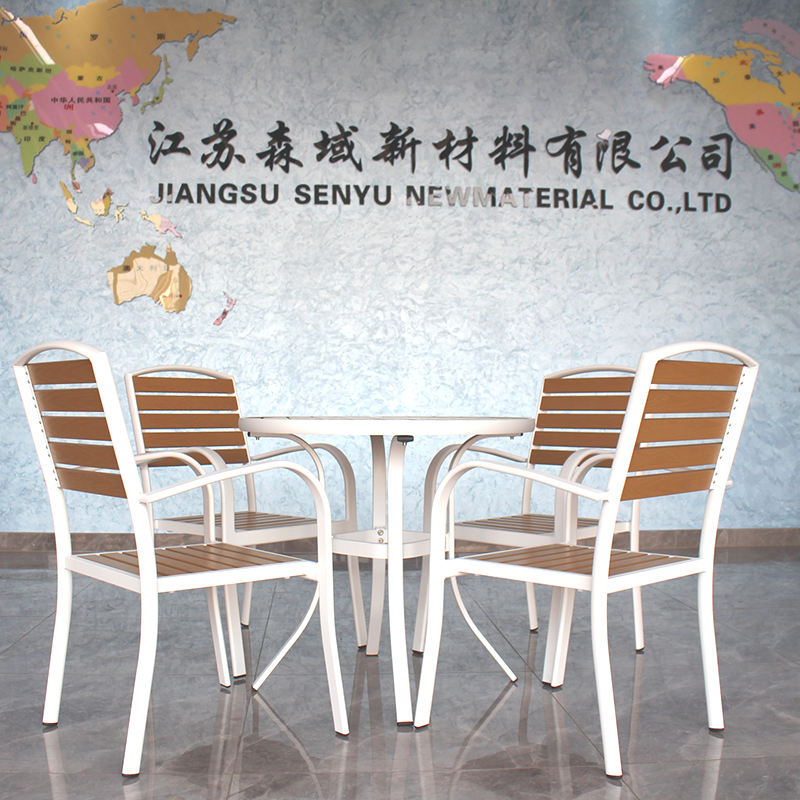
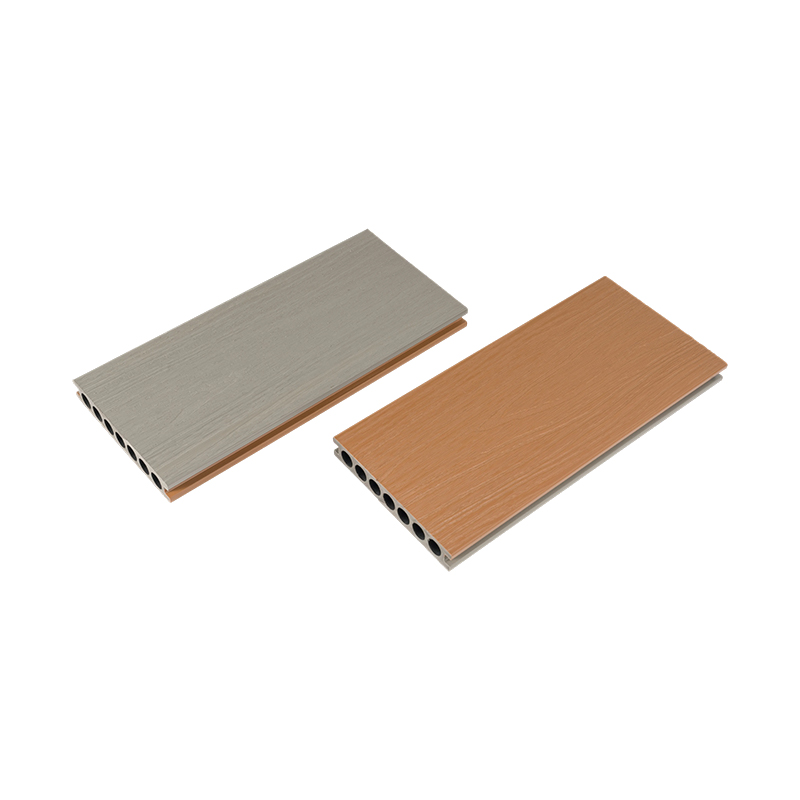
WPC decking board is waterproof, moistureproof,anti-termites, and environmentally friendly, which is very suitable for outdoor use, and can be used for many types of outdoor furniture. There is a garden bench, a garden planter, and an outdoor WPC table set. High "appearance value" and practicality make it a good choice for outdoor life.

The failure usually appears three months after handover. The wall looks flat from across the room, but angle a work light across it and the WPC PVC panels wave, creak, or open at the joints. In most cases the panel itse...
READ MOREMost composite deck problems show up as a symptom in the boards and start as a mistake in the frame. A deck that rattles underfoot usually has joists spaced too far apart. Boards that ripple in midsummer were butted tig...
READ MOREA deck sitting 30 in above grade is a comfortable set of stairs waiting to happen. A deck at 40 in is where most first attempts go wrong, usually because the builder measured to the framing instead of the finished surfa...
READ MOREIf you are building or repairing a porch, railing height is not just a style choice. It affects safety, inspection results, and how the porch feels in daily use. For most residential porches, the top of the guardrail sh...
READ MORE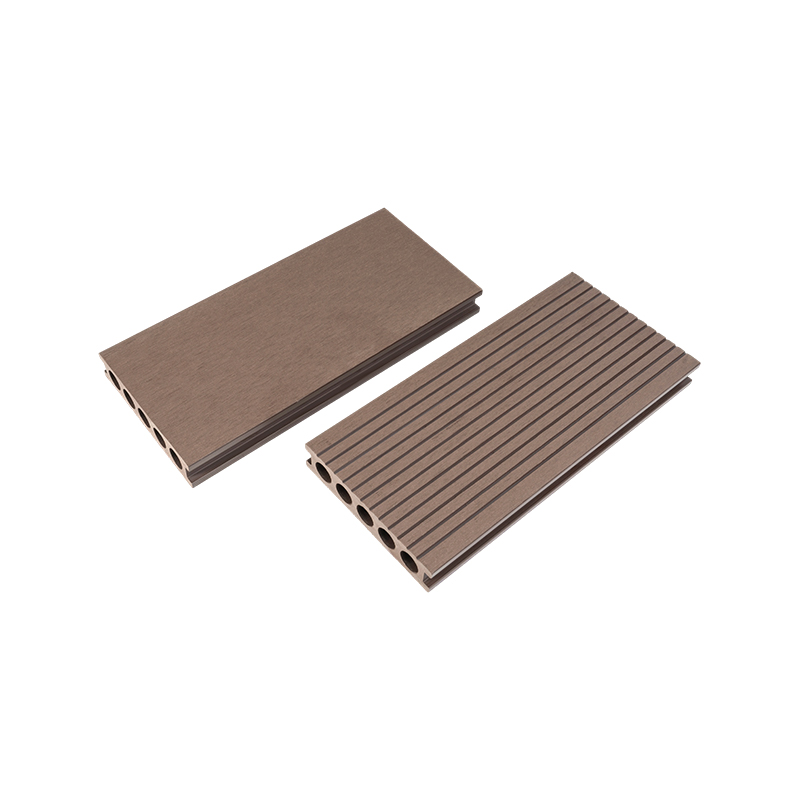

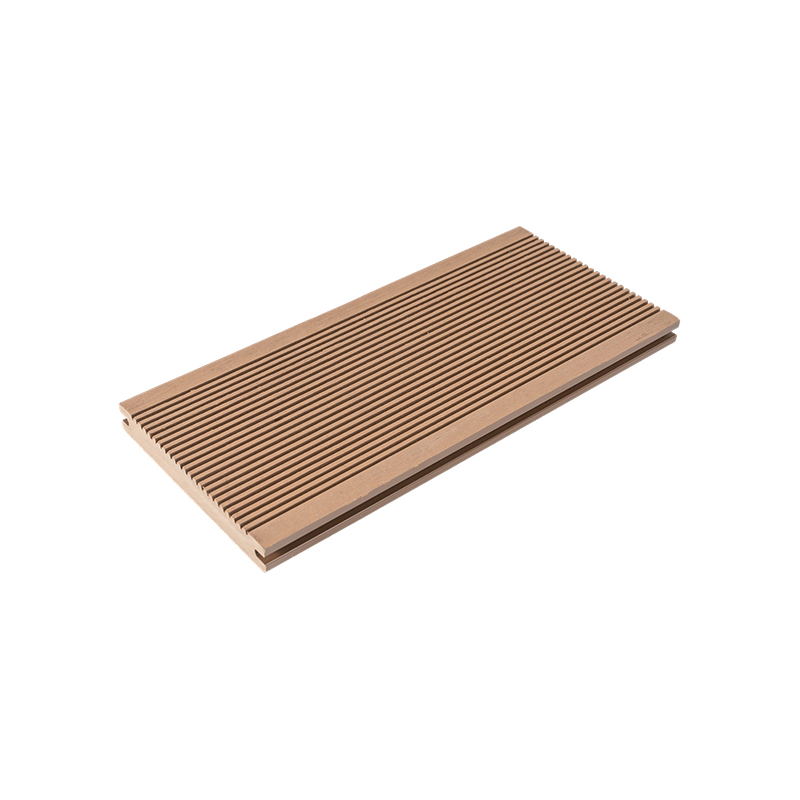
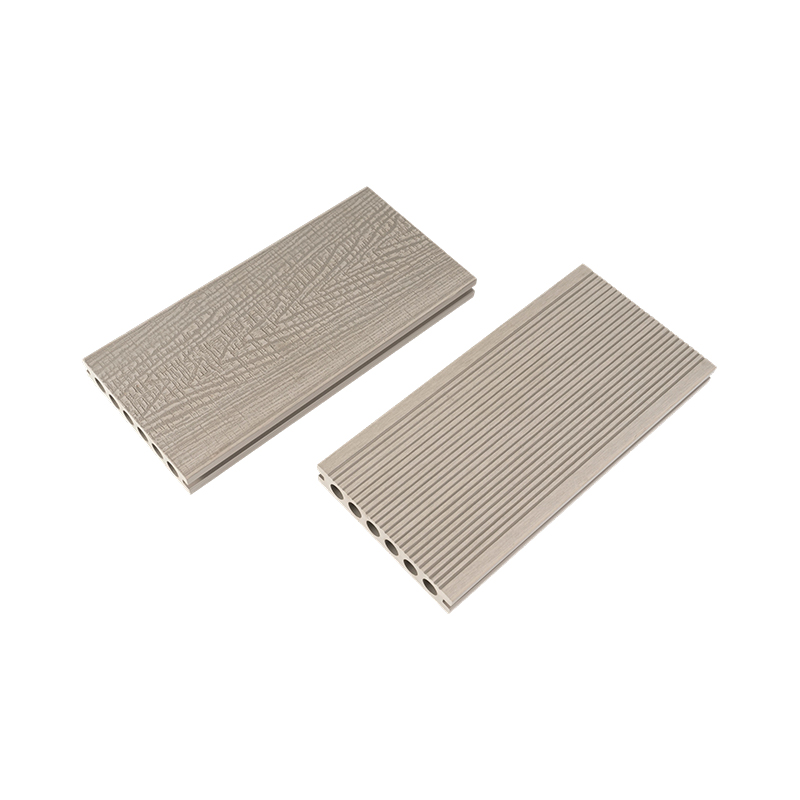
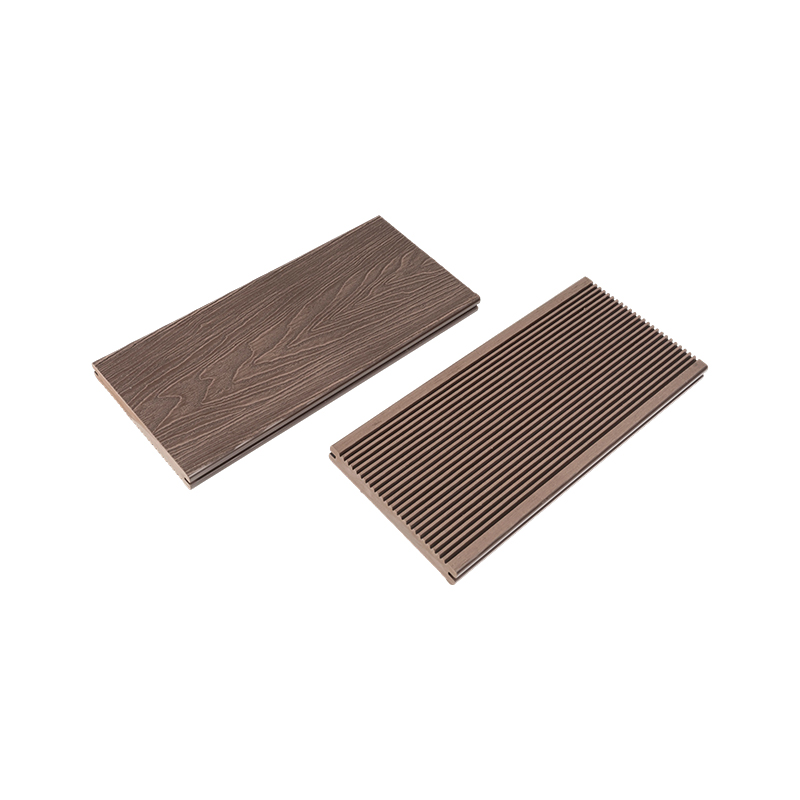
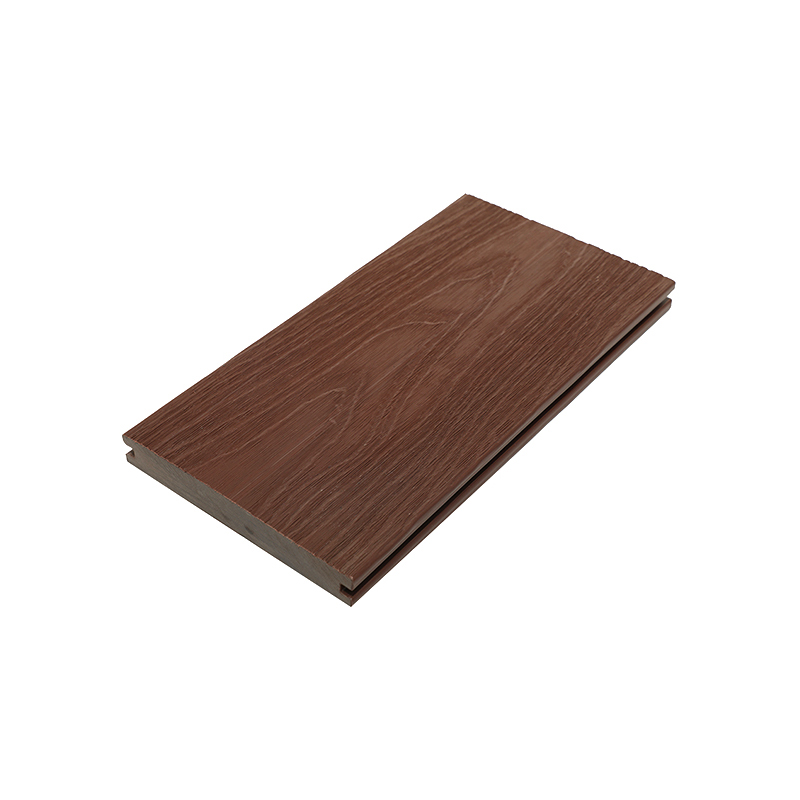
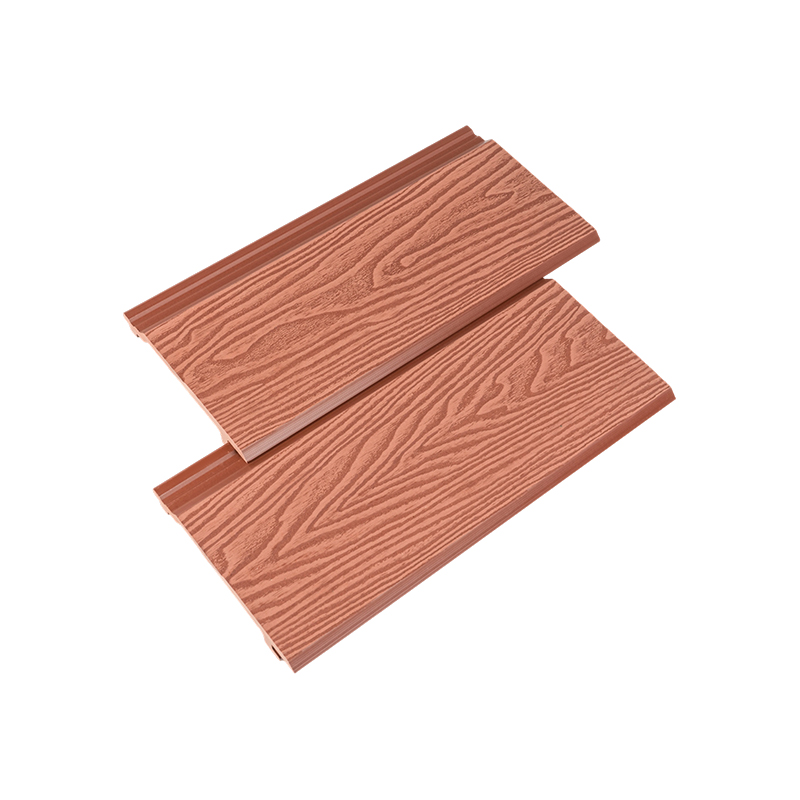
Outdoor furniture must perform in conditions that would destroy conventional indoor furniture within a single season. Rain, UV radiation, temperature extremes, humidity cycling, biological growth, and physical contact with soil and water are the permanent operating environment of garden and patio furniture — not occasional hazards. A piece of outdoor furniture that cannot resist these forces without intensive maintenance is not a durable investment; it is a recurring expense.
The outdoor furniture market spans a wide range of materials — natural timber, aluminium, steel, rattan, plastic, and wood-plastic composite (WPC) — each with different performance profiles, maintenance demands, aesthetic characters, and price points. Understanding which material is genuinely suited to outdoor conditions, and which merely appears so in a showroom setting, is the most important decision in selecting outdoor furniture that delivers long-term value and enjoyment rather than requiring replacement within a few years.
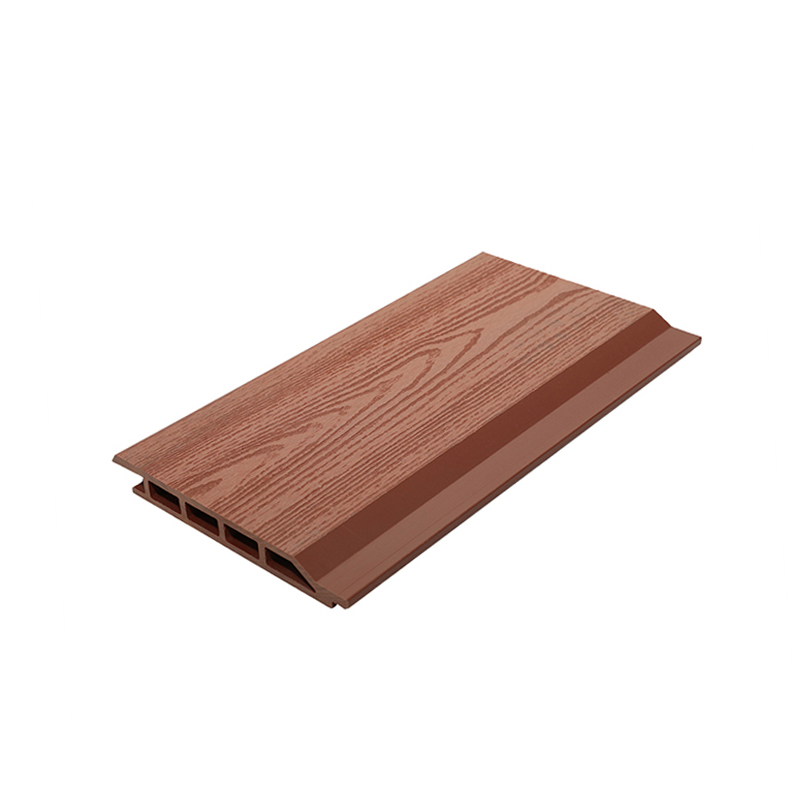
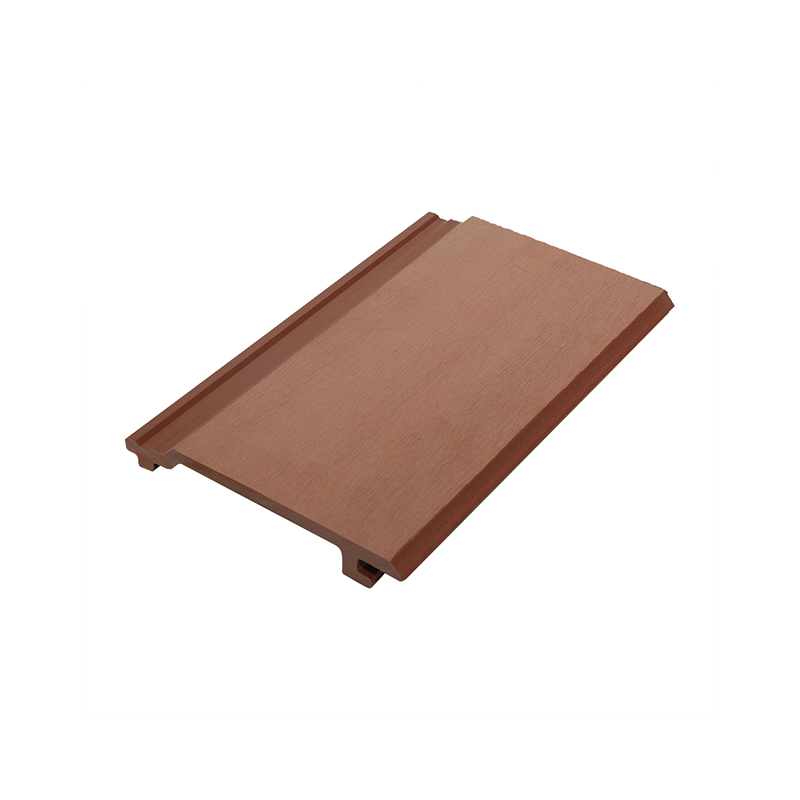
Wood-plastic composite (WPC) has established itself as one of the most practical and visually refined materials for outdoor furniture, combining properties that no single traditional material achieves simultaneously. WPC is manufactured from a blend of 50–70% reclaimed wood fibre and 30–50% recycled thermoplastic polymer, processed through extrusion without chemical adhesives. The result is a material that is:
These properties make WPC suitable for garden benches, outdoor table sets, garden planters, raised decking platforms, pergola cladding, and a wide range of other outdoor furniture and garden structure applications where the combination of natural appearance and low-maintenance durability is the design goal.
| Criterion | WPC | Hardwood Timber | Aluminium | Steel | Synthetic Rattan |
|---|---|---|---|---|---|
| Weather resistance | Excellent | Good (with treatment) | Excellent | Moderate (rusts) | Good |
| Maintenance required | Wash only | Oil every 1–2 yrs | Wash only | Touch up paint / treat rust | Wash only |
| Natural timber appearance | Very good | Excellent | None | None | None |
| Rot / insect resistance | Excellent | Moderate | Excellent | Excellent | Excellent |
| Comfort / warmth to touch | Good (wood-feel surface) | Excellent | Poor (cold / hot in sun) | Poor | Good |
| Typical service life | 15–25 years | 10–20 yrs (maintained) | 20–30 yrs | 10–20 yrs | 5–10 yrs |
| Eco credentials | Good (recycled content) | Good (if certified) | Good (recyclable) | Moderate | Poor (virgin plastic) |
| Weight / portability | Medium | Heavy | Light–medium | Heavy | Light |
The garden bench is one of the most enduring forms of outdoor furniture — and one of the most demanding in terms of weather exposure, since benches are typically left in situ year-round rather than stored seasonally. WPC garden benches maintain their structural integrity and surface appearance without oiling, painting, or seasonal storage. The wood grain surface provides a warm, tactile sitting experience that metal benches cannot match — particularly important in cooler morning temperatures when metal surfaces are uncomfortably cold. WPC garden bench frames are typically constructed with aluminium subframes for maximum structural rigidity and corrosion resistance, with WPC slats forming the seat and backrest surfaces — combining the strength of aluminium with the warmth and appearance of composite timber.
WPC outdoor dining and lounge table sets are designed for permanent outdoor placement on patios, decks, and in garden dining areas. The WPC table surface resists rain, food and drink staining, UV discolouration, and the temperature extremes of outdoor use without requiring the seasonal re-oiling that hardwood outdoor tables need to prevent cracking and greying. A typical WPC outdoor dining table set — 4-seat or 6-seat configurations — combines a WPC-slatted table top with either WPC-slatted or aluminium-framed chairs, providing a cohesive garden dining aesthetic that remains visually consistent year-on-year without the grey, cracked surface that develops on unmaintained timber outdoor furniture within two or three seasons.
WPC garden planters bring together the material's two most relevant outdoor properties — moisture resistance and biological decay resistance — in a single product. A planter holds soil in direct contact with its inner wall surfaces and is subject to constant moisture from watering and drainage. Natural timber planters rot from the inside outward, typically failing structurally within 3 to 5 years even when constructed from treated hardwood. WPC planters are waterproof throughout their full wall cross-section, maintaining their structural integrity indefinitely in direct soil and moisture contact without treatment. Available in raised planter box forms, tall tower planters, and corner configurations, WPC planters suit patios, balconies, roof terraces, and garden borders where a premium planter aesthetic and long service life are both priorities.
Sun loungers and deck chairs are subject to some of the most intense UV and moisture exposure of any outdoor furniture — typically positioned in full sun adjacent to pools or in open garden settings. WPC-slatted loungers with aluminium frames provide the durability required for pool-side use, resisting chlorine-water splashing and continuous direct sun without the surface greying and joint loosening that affects timber loungers within a season or two of pool-side placement. The slatted WPC surface allows water to drain freely, preventing the pooling that soaks cushionless timber lounger frames and causes accelerated surface deterioration.
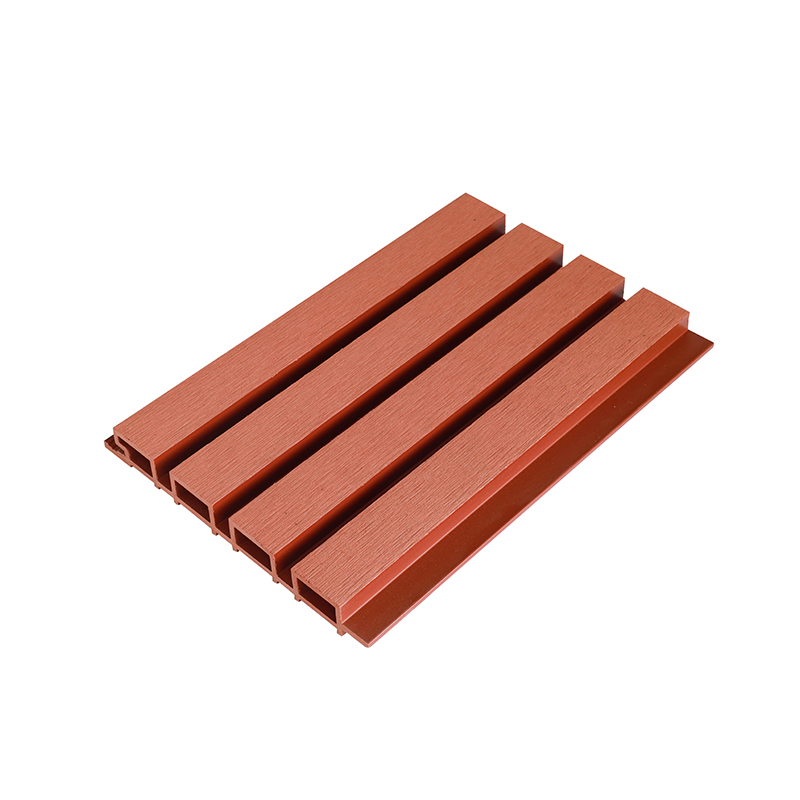
Beyond seating and dining furniture, WPC is increasingly used for outdoor storage benches, garden bar units, outdoor kitchen frames, and pergola cladding — applications where a consistent, premium outdoor material aesthetic is desired across the complete garden setting. WPC garden storage benches — combining seating with a waterproof storage compartment for cushions, tools, or garden equipment — are particularly practical, solving the storage problem of outdoor cushions and accessories while maintaining visual coherence with WPC seating and table sets in the same space.
Hardwood outdoor furniture — teak, iroko, eucalyptus — requires oiling every one to two years to maintain its golden colour and prevent progressive greying and surface cracking. On a 6-seat garden dining set, this is a half-day task involving furniture sanding, cleaning, and oil application that many owners either delay or skip — producing the visually and structurally deteriorated furniture commonly seen in gardens after a few years. WPC outdoor furniture requires no oil, no paint, no stain, and no seasonal treatment at any point in its service life. Annual maintenance consists of washing with mild detergent and water, which takes under 30 minutes for a complete garden furniture set.
Most timber outdoor furniture manufacturers recommend bringing furniture indoors or under cover during winter months to prevent accelerated weathering and joint damage from freeze-thaw cycling. WPC outdoor furniture can be left in position year-round without covers in all but the most extreme climates. The material's waterproof composition prevents moisture absorption that would cause freeze-thaw damage, and the dimensional stability of the composite prevents the joint-loosening that affects furniture whose timber components expand and contract seasonally. For homeowners without large storage facilities, this is a practical advantage that justifies the higher initial cost of WPC over cheaper timber alternatives that require indoor storage to survive winter.
Ageing timber outdoor furniture develops surface splinters as the wood grain opens under weathering — a particularly significant concern for seating, table edges, and decking surfaces used by children and adults in barefoot conditions around pools and patios. WPC surfaces are splinter-free throughout the product's service life, as the composite material does not develop the fibrous surface lifting characteristic of weathered timber grain. This makes WPC outdoor furniture the appropriate specification for gardens used intensively by children and families.
Unmaintained hardwood outdoor furniture turns grey within one to two seasons as surface oils deplete and UV radiation bleaches the timber. WPC outdoor furniture with proper UV stabiliser specification maintains its original colour for 10 to 15 years on standard products, with premium co-extruded WPC products offering fade warranties of 15 to 20 years. For gardens, terraces, and commercial outdoor spaces where visual consistency matters — hotels, restaurants, public parks — this colour stability is a significant practical advantage over timber alternatives that require consistent maintenance to retain their appearance.
WPC outdoor furniture must withstand not just weather but the physical loads of regular use — seating weight, table load from dining, wind loading on freestanding structures, and the mechanical stress of joints and fixings in a material that expands and contracts with temperature. Quality WPC outdoor furniture is designed with these loads in mind: aluminium subframes where structural rigidity is critical, stainless steel fixings that match the WPC material's service life, and composite board thicknesses and profiles engineered to carry the design loads without deflection or joint failure.
Space-efficiency and lightweight portability are the primary requirements on small urban patios and balconies, where furniture must work hard within limited floor area and sometimes needs to be moved for access or storage. A compact WPC 2-seat bistro table set — combining a small square or round WPC-slatted table with two WPC or aluminium-framed chairs — provides functional dining and relaxation space without dominating a small outdoor area. Foldable aluminium-frame options with WPC slat seats allow quick reconfiguration when the balcony is needed for other uses. A raised WPC planter box along a balcony rail adds greenery and privacy screening without requiring floor space, completing the setting with a cohesive material aesthetic.
The suburban family garden typically requires furniture that can accommodate both everyday casual use and larger social gatherings, withstand heavy use by children and pets, and look consistently good through the season without demanding maintenance. A 6-seat WPC outdoor dining table set on a WPC-decked patio provides the anchor for outdoor living, combined with a WPC garden bench on a lawn edge and WPC raised planters to define the garden structure. The consistent material language of WPC across decking, furniture, and planters creates a unified garden aesthetic that elevates the outdoor space rather than creating visual clutter from mismatched materials.
Coastal gardens present the most demanding outdoor furniture environment: persistent salt-air deposition, high wind loading, UV intensity, and constant humidity. Timber outdoor furniture deteriorates rapidly in coastal conditions without intensive treatment. Co-extruded WPC outdoor furniture on aluminium frames is the most appropriate specification for coastal settings — the non-porous polymer cap layer of co-extruded WPC prevents salt-air penetration, and the aluminium frame eliminates the corrosion risk that affects steel fixings and subframes in marine environments. All fixings should be stainless steel.
Commercial outdoor furniture faces higher use frequency, more intensive cleaning regimes, and greater accountability for appearance consistency than residential furniture. WPC outdoor furniture's combination of durable surface, easy cleaning, zero maintenance treatment, and long service life makes it well-suited to hotel terraces, restaurant gardens, café areas, and public park seating where minimising operational maintenance intervention and replacing furniture less frequently are direct cost considerations. The consistent colour and grain character of WPC across a complete commercial installation — where hundreds of seats must match — is also a practical advantage over timber, which requires careful selection and matching to achieve visual consistency at commercial scale.
WPC outdoor furniture requires no painting, oiling, staining, or seasonal treatment. The complete care routine is straightforward:
For most WPC outdoor furniture sets, the total annual maintenance time is under one hour — compared to the half-day or full-day treatment requirement of an equivalent hardwood furniture set needing annual oiling.
Yes — WPC outdoor furniture can be left in position year-round in most climates without covers. The waterproof composite material does not absorb moisture that would freeze and cause structural damage in cold climates, and dimensional stability prevents the joint stress that occurs in timber furniture undergoing seasonal moisture cycling. While furniture covers provide a practical way to keep furniture clean and ready for use during extended periods of non-use, they are not required to protect WPC furniture from weather damage in the way they are necessary for susceptible materials such as unsealed timber or cushioned upholstery.
WPC surfaces absorb and retain heat under direct sun more than light-coloured metal or plastic, but significantly less than dark-coloured metal furniture. In very high ambient temperatures (above 35°C) combined with full direct sun, dark-coloured WPC furniture surfaces can become uncomfortably warm to touch — as will most dark outdoor furniture materials. Lighter WPC colour tones (natural timber tones, grey, off-white) in the same conditions retain noticeably less heat than dark brown or charcoal finishes. For pool-side furniture in hot climates, specify lighter colour tones or arrange furniture with shade provision during peak sun hours.
Quality WPC outdoor furniture has a realistic service life of 15 to 25 years for the WPC board components, with aluminium-framed products carrying structural frame service lives exceeding 30 years. The limiting factor in WPC furniture service life is typically UV-related surface colour change rather than structural failure. Premium co-extruded WPC products with concentrated UV stabiliser cap layers carry explicit fade warranties of 15 to 20 years. Most manufacturers offer structural warranties of 5 to 10 years on assembled furniture products, though the material's realistic service life significantly exceeds this.
Yes — WPC outdoor furniture is well-suited to pool surrounds. The material is waterproof, slip-resistant on its natural slatted surfaces, resistant to chlorinated water splashing, and splinter-free underfoot. For pool-side sun loungers specifically, the slatted WPC surface drains water effectively rather than retaining it on the seating surface. Specify aluminium-framed furniture with stainless steel fixings for pool environments to match the WPC's own corrosion resistance at all metal contact points — pool chemicals accelerate corrosion of galvanised steel and plated zinc fixings.
Both WPC and HDPE recycled plastic outdoor furniture are manufactured from recycled materials and are highly weather resistant. The primary differences are aesthetic and tactile: HDPE plastic furniture has a smooth, solid plastic surface without wood grain character, while WPC furniture has an embossed wood grain surface that provides a natural timber appearance and a warmer tactile quality. WPC furniture typically has slightly lower heat retention than solid HDPE in direct sun. HDPE furniture is marginally lower in maintenance, as it has no surface grain channels that can collect debris. For buyers who prioritise natural wood aesthetics, WPC delivers the appearance; for buyers who prioritise purely functional outdoor utility, HDPE is equally durable at typically lower cost.
Yes, with appropriate consideration for wind loading. Rooftop terraces are typically more exposed to wind than ground-level garden settings, and lightweight furniture on exposed rooftops can be displaced in high winds. WPC garden furniture's medium weight — heavier than cheap plastic but lighter than hardwood or steel — provides reasonable stability in moderate wind conditions. For exposed rooftop terraces in high-wind locations, consider furniture anchoring provisions or specify heavier frame-and-slab configurations rather than slatted designs that present less wind resistance.