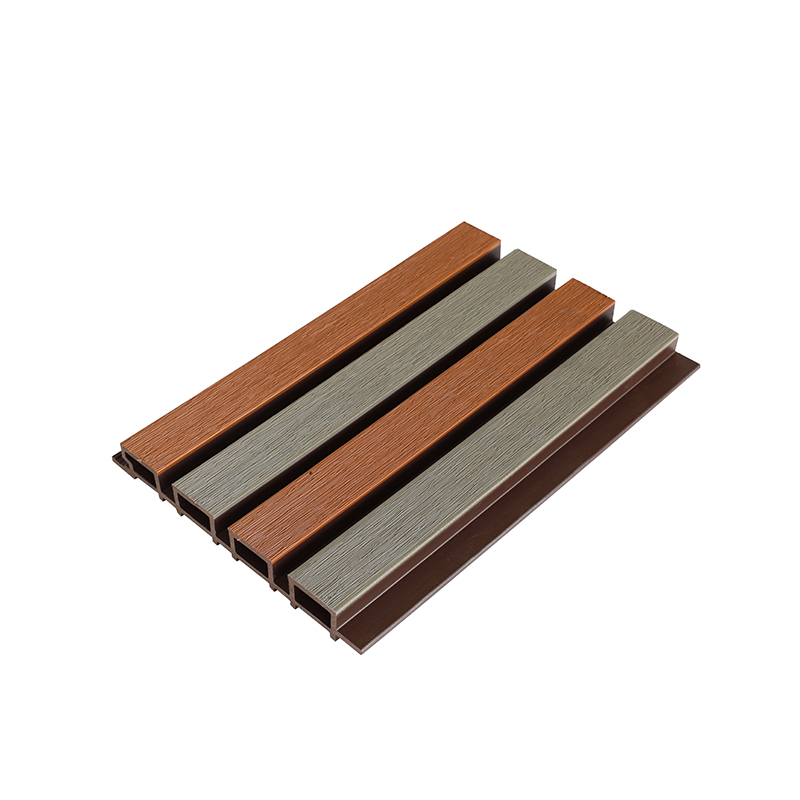
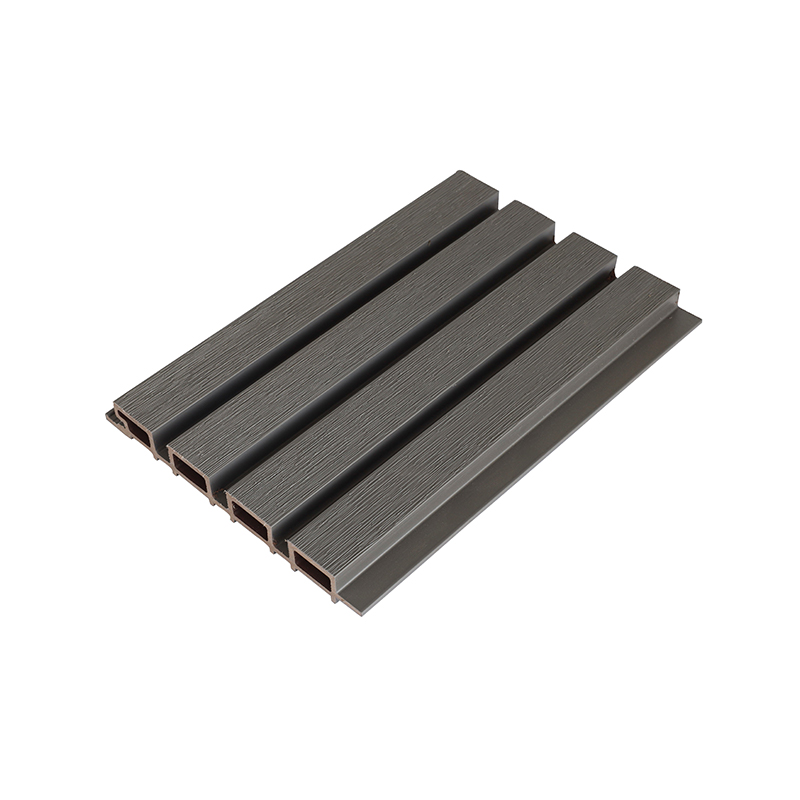
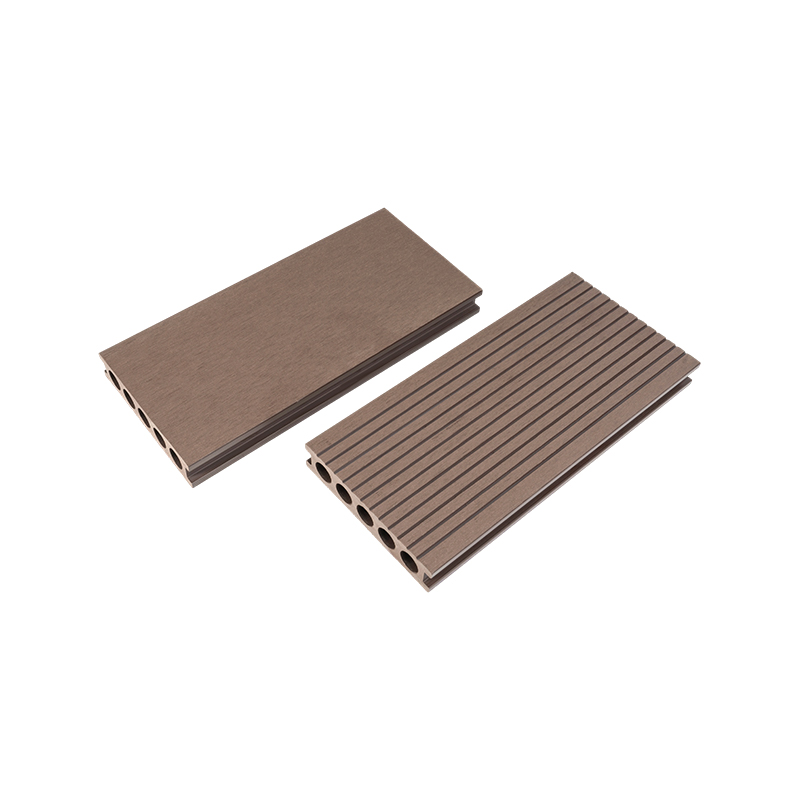
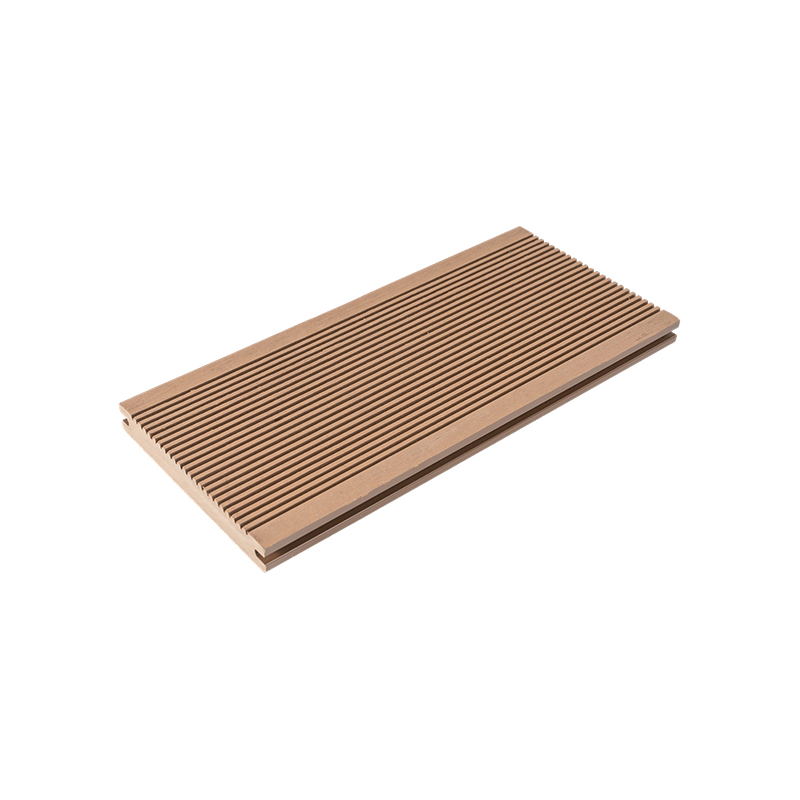
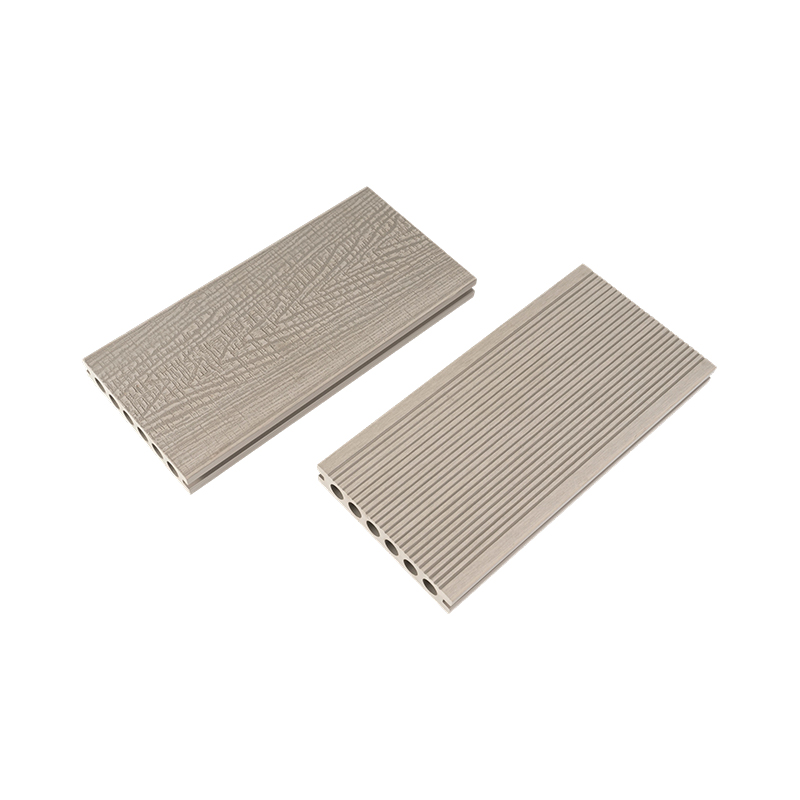
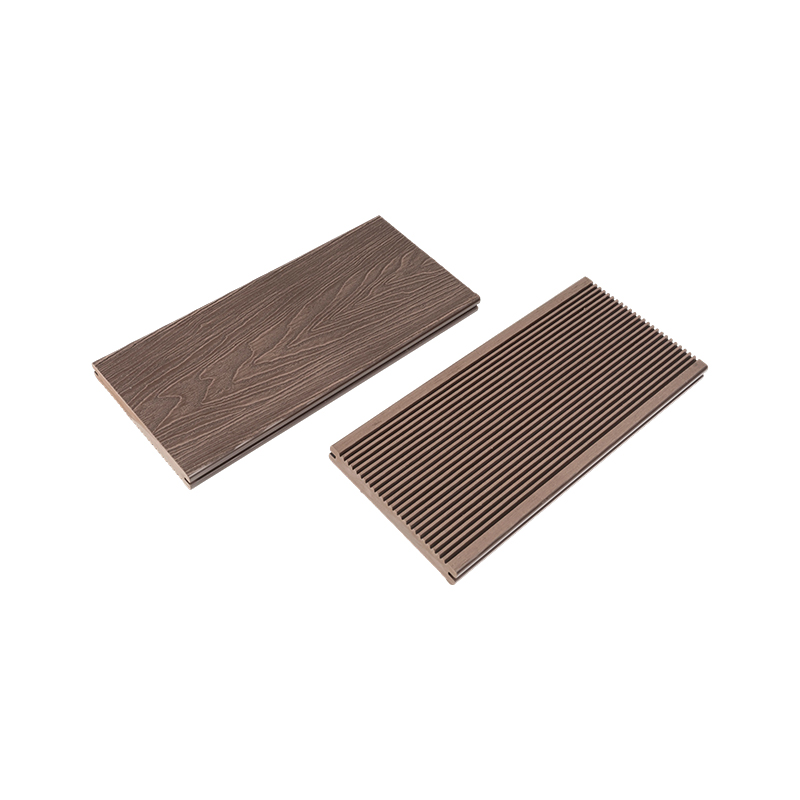
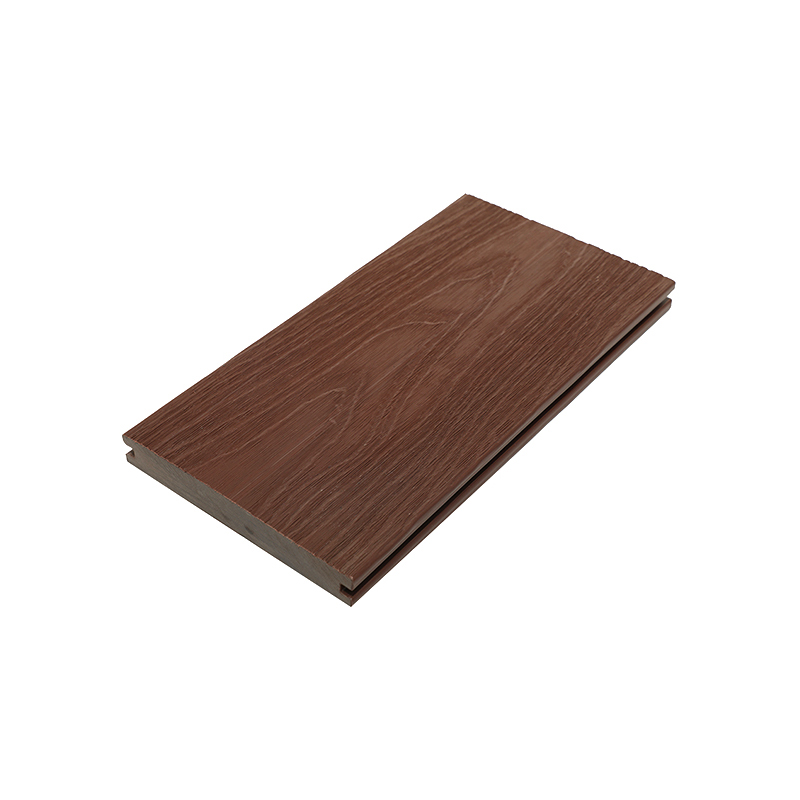
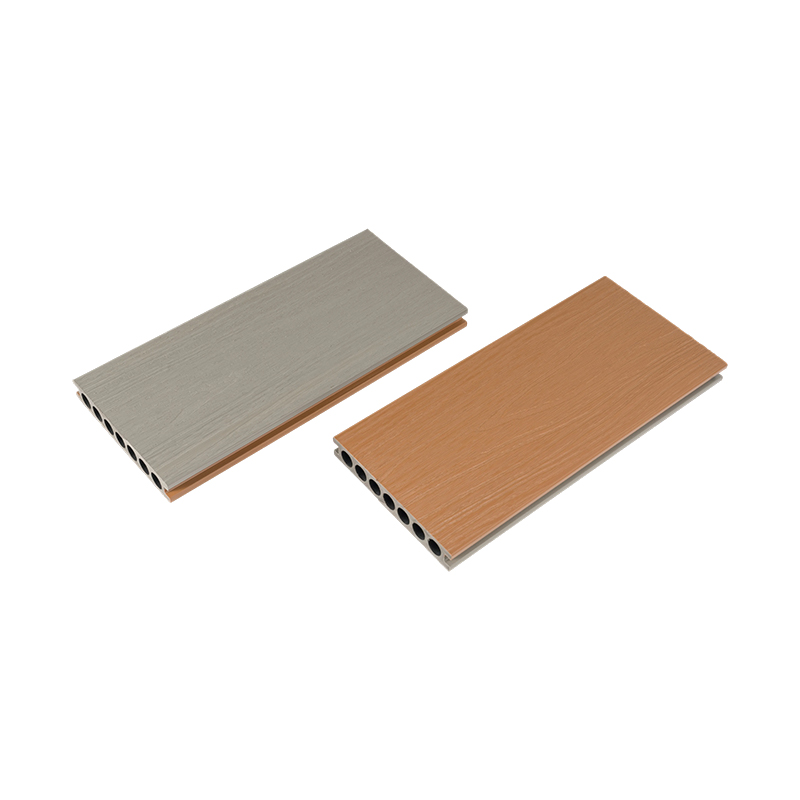
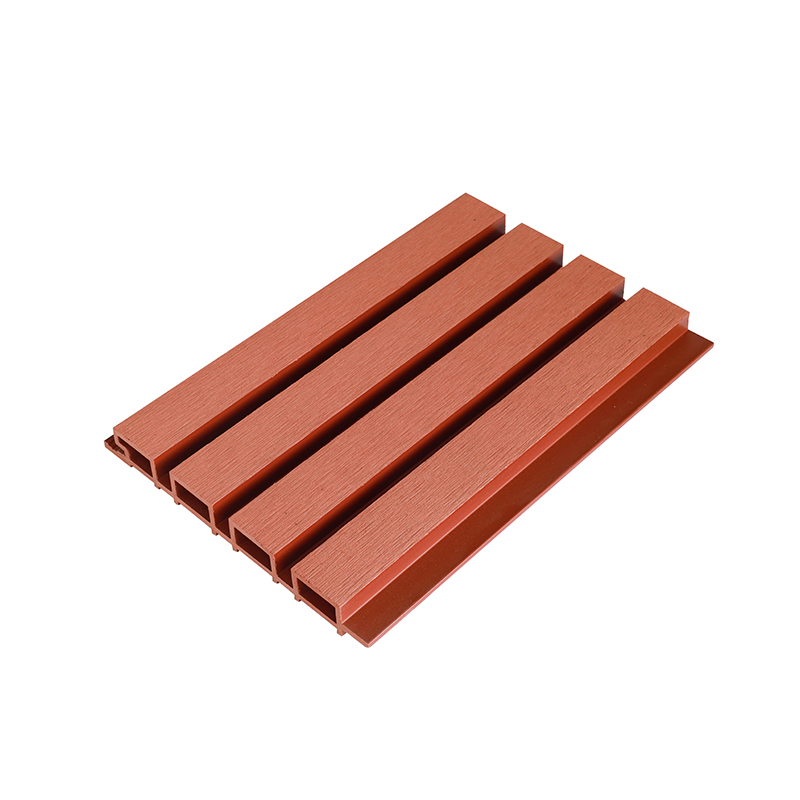
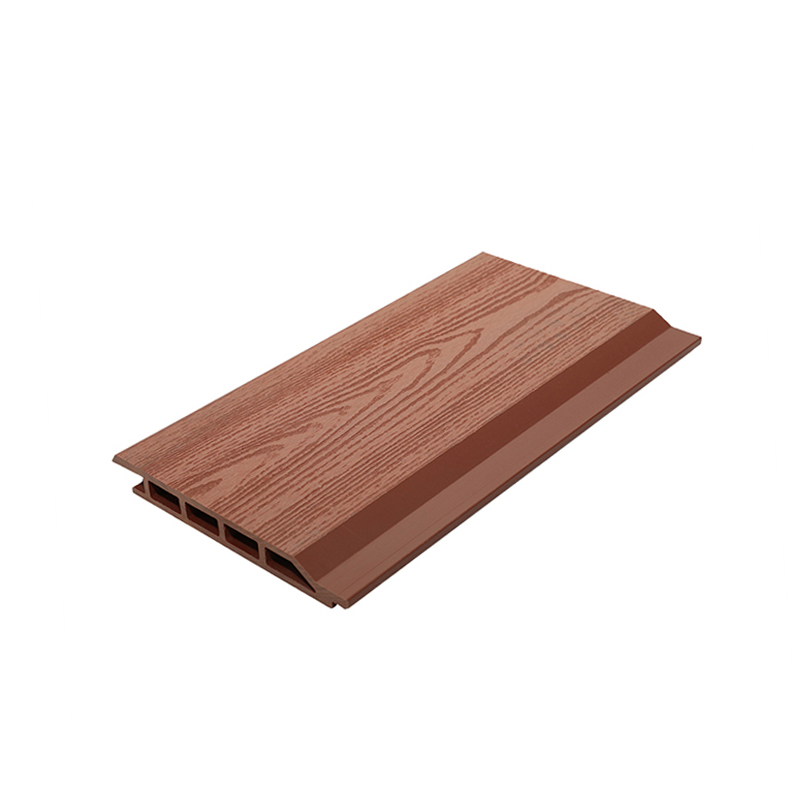
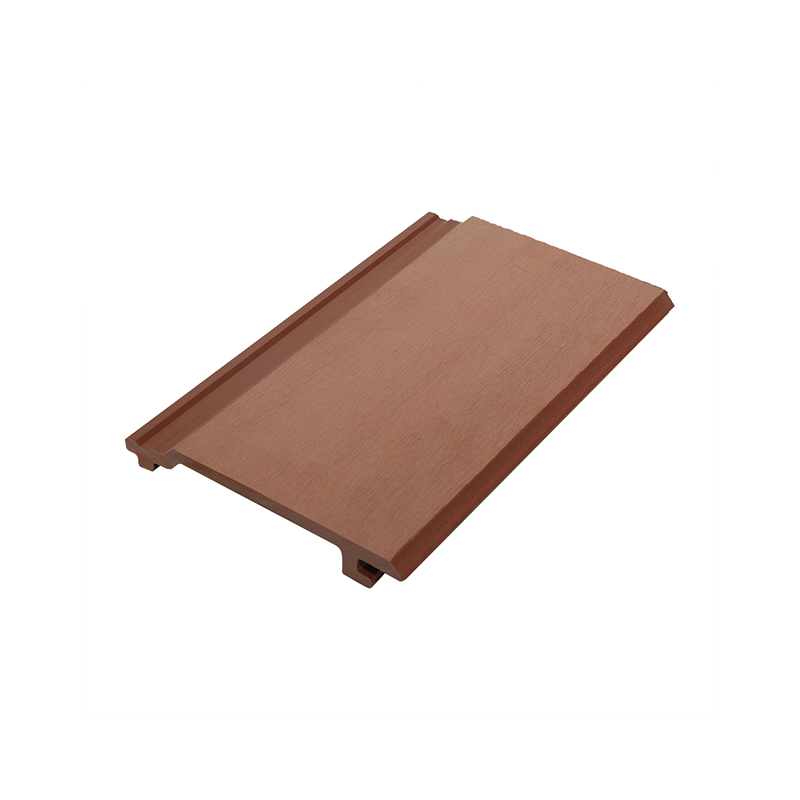
Co-extrusion cladding is a wall cladding product manufactured through a dual-layer simultaneous extrusion process in which a high-performance polymer cap is permanently fused to a wood-plastic composite (WPC) core at the point of manufacture. The result is a single, structurally unified board with a non-porous, weather-resistant outer surface and a dimensionally stable, insulating inner core — a combination that no single-material cladding product can replicate.
What makes co-extrusion cladding genuinely different from common cladding on the market is not simply its performance metrics — it is the convergence of visual refinement and material performance that standard WPC cladding must choose between. Standard WPC optimises for cost and adequate durability; co-extrusion optimises for both simultaneously. The three-dimensional surface character, the innovative mixed-colour line effects, and the tactile grain quality of the polymer cap make co-extrusion cladding a compelling design material for interior decoration, while the sealed, weather-resistant cap layer makes it the most practical specification for demanding exterior environments. Safer in terms of emissions, more practical in terms of lifelong maintenance demands, and more visually refined than alternatives at a comparable price point — this is the value proposition that distinguishes co-extrusion cladding as a category.
The Co-Extrusion Process: Two Materials, One Board, One Manufacturing Step
Simultaneous Dual-Layer Extrusion
In standard WPC cladding production, a single blended material is forced through an extrusion die to form the board. In co-extrusion, two material streams flow simultaneously through a dual-die system: the WPC core compound and the polymer cap compound converge at a controlled interface zone where both materials are still in a heated, semi-plastic state. At this interface, molecular intermixing between the two materials creates a permanent structural bond — not an adhesive joint, not a surface coating, but a fusion at the molecular level that cannot peel, delaminate, or separate under the conditions any wall cladding would normally encounter throughout its service life.
The WPC Core: Structural Body of the Board
The inner layer is a standard WPC blend of 50–70% reclaimed wood fibre and 30–50% recycled thermoplastic polymer, plus UV stabilisers, fungicide additives, and processing compounds. No chemical adhesives are involved. The core provides structural rigidity, dimensional stability under load, and the material basis for the board's natural timber character. Quality co-extrusion cladding cores meet the E0 formaldehyde emission standard — the strictest available — making the complete board safe for interior applications including bedrooms, children's rooms, and healthcare environments without off-gassing concerns.
The Polymer Cap: Performance and Visual Design Layer
The outer cap — typically 0.5 mm to 2 mm thick — is formed from a high-performance polymer compound: high-density polyethylene (HDPE) for standard performance applications, or ASA (acrylonitrile styrene acrylate) for the highest UV and weather resistance in coastal and extreme-climate applications. This cap is fully non-porous, completely encapsulating all four surfaces of the WPC core. It is within the cap that the innovative mixed-colour design technology operates: multiple pigment streams can be introduced into the cap compound simultaneously, creating the variegated, multi-tone surface effects that give co-extrusion cladding its three-dimensional appearance and natural colour depth.
Surface Formation: Lines, Grain, and Three-Dimensional Texture
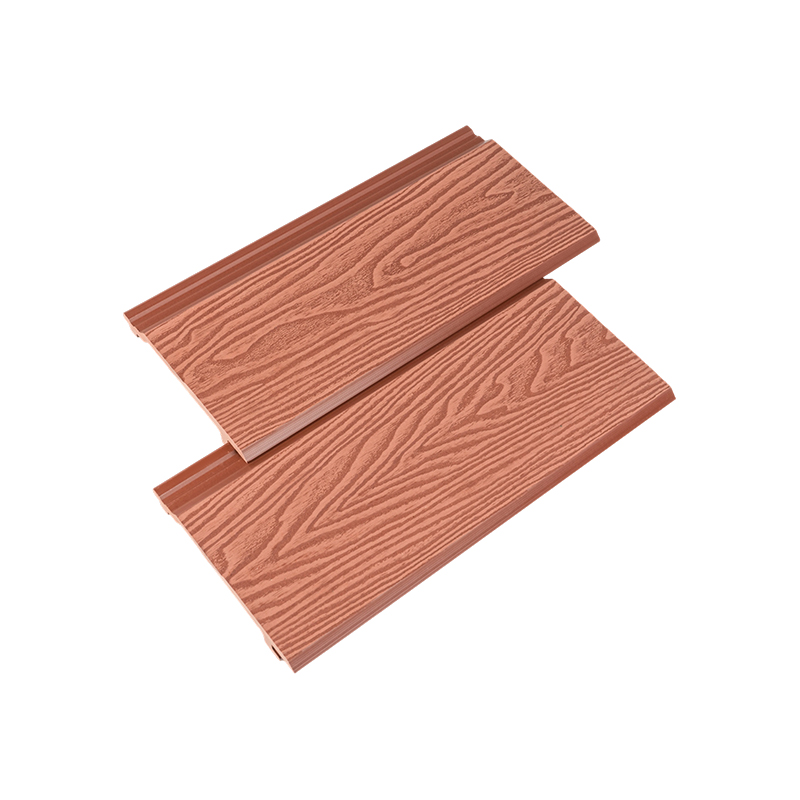
After the dual-layer board exits the extrusion dies, the cap surface passes through precision embossing rollers that press the grain and line pattern into the cap while it remains in a workable state. Because the cap compound is a homogeneous polymer rather than the rough composite blend of uncapped WPC, it takes finer, deeper surface detail from the embossing tooling. The result is a surface with genuine grain depth, clear lateral line character, and the mixed-colour variation that makes co-extrusion cladding appear three-dimensional rather than flat and uniform — both in overhead natural light and when observed from the oblique angles typical of interior and exterior wall viewing.
Seven Performance Advantages That Set Co-Extrusion Cladding Apart
1. Moisture Ingress Eliminated at the Surface Level
Uncapped WPC cladding can absorb 3–8% of its weight in water through its exposed composite surface over time — a gradual process that causes minor dimensional cycling, encourages surface biological growth in persistently wet conditions, and eventually compromises the board's structural integrity. The non-porous polymer cap of co-extrusion cladding reduces water absorption to less than 1% under standard immersion test conditions. In practical terms, this means co-extruded boards remain dimensionally stable in all weather conditions, resist surface mould and algae formation far more effectively, and retain their structural and aesthetic performance across climates where uncapped WPC would require more intensive management.
2. UV Colour Stability for 20 to 25 Years
In uncapped WPC, UV stabilisers are distributed throughout the bulk material — meaning a large proportion of the stabiliser content is embedded deep within the board where UV radiation never reaches, rather than concentrated at the surface where UV damage occurs. In co-extrusion cladding, a high-concentration UV stabiliser package is formulated directly into the cap compound, concentrating UV protection exactly where it is needed. This targeted approach, combined with ASA cap chemistry in premium products, allows leading manufacturers to offer explicit written fade warranties of 20 to 25 years — the longest available in any composite cladding category.
3. A Non-Porous Surface That Is Genuinely Easy to Clean
The non-porous cap surface does not absorb the staining agents it encounters in use — food residues, oils, cleaning products, atmospheric pollution, and biological material all remain on the surface where they can be removed by washing. For interior wall applications, this makes co-extrusion cladding one of the most practical wall surface materials in kitchens, bathrooms, commercial dining environments, and high-contact corridors. For exterior use, surface contamination releases readily under periodic low-pressure washing without the specialist cleaning products that porous or treated surfaces sometimes require.
4. A Three-Dimensional Appearance Unique to Co-Extrusion
Standard composite cladding produces a uniform flat colour across all boards — because every board in the batch is made from the same mixed material, every board looks essentially the same. Co-extrusion's cap technology allows variegated pigment streams to create natural colour variation within each individual board — lighter tones in raised grain peaks, deeper tones in recessed grain channels — that replicates the dynamic light-and-shadow character of real sawn timber more closely than any single-colour composite can achieve. Combined with the deep surface grain that the smooth polymer cap takes from embossing tooling, this produces the three-dimensional visual quality that makes co-extrusion cladding a design material in its own right rather than merely a substitute for timber.
5. Safer: No Surface Splinters, No Harmful Emissions
The polymer cap completely encapsulates the wood fibre core — no wood fibre reaches the board surface at any point in the product's service life. This eliminates the splinter risk present in natural timber and, to a lesser extent, in uncapped WPC where surface wear can expose fibre over time. Combined with E0 formaldehyde certification and the absence of chemical adhesives in production, co-extrusion cladding is among the safest wall cladding materials available for interior residential and commercial use, including applications in spaces occupied by children or health-sensitive individuals.
6. Zero Maintenance Treatment Over a 25-Year Service Life
Co-extrusion cladding requires no painting, oiling, staining, or protective treatment at any point during its service life. On a 100 m² exterior façade, the cumulative saving in maintenance treatment costs over 25 years compared to maintaining an equivalent painted timber cladding system is estimated at $8,000–$20,000, depending on access requirements, labour rates, and the painting cycle frequency required by the climate. For commercial buildings with large cladding areas, the saving over the same period is proportionally larger and represents a meaningful capital expenditure reduction over the building's operational life.
7. Superior Dimensional Stability in Variable Conditions
The polymer cap acts as a structural reinforcing shell around the WPC core, significantly reducing the board's response to moisture cycling and temperature variation. Co-extruded boards hold their straight, flat profile more consistently than uncapped WPC in environments with significant seasonal humidity and temperature swings — such as centrally heated and air-conditioned interior spaces, or exterior walls subject to freeze-thaw cycling in cold-climate regions.
Co-Extrusion Cladding as an Interior Design Material
The qualities that make co-extrusion cladding a strong performer outdoors — surface quality, colour depth, dimensional stability, and easy-clean practicality — translate directly into advantages as an interior decoration material. Its three-dimensional line and grain character, in particular, is experienced most fully at interior viewing distances:
The Line Character: What Sets Interior Co-Extrusion Apart
When co-extrusion cladding boards are installed horizontally across an interior feature wall, their consistent parallel line character creates a strong directional rhythm that draws the eye across the wall surface and adds perceived width and length to interior spaces. The mixed-colour grain within each board means the lines are not mechanically uniform — each board has a slightly different tone distribution that creates the natural, irregular visual rhythm of real timber boarding without the maintenance and instability of solid wood. This combination of structured line and natural colour variation is particularly effective in residential living rooms and bedrooms, hotel lobbies and spa environments, and commercial reception spaces where a warm, sophisticated material character is a design priority.
Interior Applications by Space Type
- Living rooms and bedrooms: Horizontal co-extrusion feature walls add depth, warmth, and natural character to residential interiors — the mixed-colour grain creates a visual quality that painted or wallpapered walls cannot replicate
- Kitchens and utility rooms: The non-porous, easy-clean cap surface handles moisture, grease, and cleaning chemical exposure effectively in food preparation environments where timber or painted plasterboard deteriorates prematurely
- Bathrooms and wet rooms: Co-extrusion cladding provides a warm, natural wall aesthetic in bathroom spaces where ceramic tile is the standard alternative, with significantly lower installation complexity and a more comfortable tactile character
- Interior ceilings: Installed longitudinally across ceiling surfaces, co-extrusion boards create the warmth and three-dimensional character of a timber ceiling without the weight, cost, or maintenance of solid timber boarding
- Commercial and hospitality interiors: Hotels, restaurants, spas, and commercial offices use co-extrusion cladding to achieve premium interior wall finishes that require no refinishing over the building's operational lifespan
Performance Data: Co-Extrusion Cladding Against Comparable Materials
Key performance indicators comparing co-extrusion cladding against standard WPC, natural timber, and painted fibre cement across criteria relevant to both interior and exterior wall applications
| Performance Indicator |
Co-Extrusion Cladding |
Standard WPC Cladding |
Natural Timber |
Fibre Cement (painted) |
| Water absorption |
<1% |
3–8% |
10–30% |
<3% |
| UV fade warranty |
20–25 years |
10–15 years |
None (requires repainting) |
Depends on paint system |
| Maintenance treatment |
None (wash only) |
None (wash only) |
Repaint / stain every 2–4 yrs |
Repaint every 5–10 yrs |
| Formaldehyde emission |
E0 (<0.5 mg/L) |
E0 (quality products) |
Natural (untreated) |
Varies by product |
| Mixed-colour surface |
Yes (cap technology) |
No (uniform colour) |
Yes (natural variation) |
No (painted finish) |
| Rot and insect resistance |
Excellent |
Very good |
Poor–moderate |
Excellent |
| Splinter risk |
None (sealed cap) |
Very low |
Moderate–high |
None |
| Realistic service life |
25–30 years |
15–20 years |
15–25 years (maintained) |
25–40 years |
Installation: System Requirements and Critical Details
Subframe Selection: Aluminium vs Timber
Co-extrusion cladding is installed on a batten frame fixed to the wall structure. For exterior applications, aluminium battens are the preferred specification: they will not corrode, rot, or suffer insect attack, and their 30+ year service life matches co-extrusion cladding's long-term performance without the maintenance vulnerability that timber battens introduce at the subframe level. Pressure-treated timber battens at minimum 25 mm × 50 mm are acceptable for sheltered interior and low-moisture applications. The batten frame must create a ventilated cavity of at least 25 mm between the cladding back face and the wall substrate for all exterior installations.
Horizontal and Vertical Board Orientations
Co-extrusion cladding boards can be installed in horizontal or vertical orientation depending on architectural intent. Horizontal installation creates the linear rhythm most associated with traditional and contemporary weatherboard aesthetics and is the standard approach for both interior feature walls and exterior cladding. Vertical installation produces a taller, more elongated façade character and is widely used on contemporary buildings seeking a distinctive linear exterior presence. For exterior vertical installation, ensure horizontal battens include adequate drainage provisions at board base termini.
Thermal Expansion: Why End Gaps Are Non-Negotiable
All composite cladding boards expand along their length as temperature rises. A minimum 5–8 mm expansion gap at every board terminus — where boards meet corner trims, window surrounds, door frames, and other fixed elements — is mandatory to accommodate this movement. Boards installed tight against fixed elements will buckle under thermal expansion in warm weather, causing permanent board deformation that cannot be corrected without board replacement. This gap requirement applies to all co-extrusion cladding regardless of board length, colour, or orientation.
Cut-End Sealing: Protecting the Cap Boundary
Every board end cut on site must be sealed immediately with the manufacturer's approved end-grain sealant. The factory-finished board has a complete polymer cap enclosing all four surfaces, but any site cut severs the cap at the cut face, exposing the wood fibre core at that point. If left unsealed, this exposed face allows moisture to enter the core by capillary action — the only remaining moisture pathway once the full cap is intact. End sealing is mandatory under most co-extrusion cladding warranties and takes under one minute per cut face.
Frequently Asked Questions About Co-Extrusion Cladding
How can I tell if a product is genuinely co-extruded and not just surface-coated?
Ask the supplier to confirm the manufacturing method, and request a cross-sectional sample that allows you to view the board's cut face. A genuine co-extruded cap is visible at the cut cross-section as a distinct, uniform layer bonded to the WPC core — typically between 0.5 mm and 2 mm thick. A surface-applied coating, by contrast, appears as a very thin film on the board's outermost surface with no structural depth. Also ask for immersion water absorption test data: genuine co-extruded boards will measure less than 1% water absorption; products without a properly formed cap will measure significantly higher.
Does co-extrusion cladding require any preparation before installation?
No preparation of the boards themselves is required. Co-extrusion cladding arrives installation-ready — no priming, sealing, or surface treatment is needed before fixing. The only installation-stage requirement specific to composite cladding is sealing cut board ends with end-grain sealant as cuts are made during installation. Wall substrate preparation follows standard cladding installation practice: the subframe must be plumb, level, and securely fixed to a structurally sound wall before cladding installation begins.
Is co-extrusion cladding a good choice for a child's bedroom?
Yes — quality co-extrusion cladding meeting the E0 formaldehyde emission standard is one of the safer wall cladding materials for children's bedrooms. E0 certification means formaldehyde emissions are below 0.5 mg/L — the strictest available classification. No chemical adhesives are used in production. The sealed cap surface eliminates splinter risk. And the easy-clean cap surface handles the finger marks, crayon marks, and general contact typical of children's room walls without requiring repainting. Always confirm E0 certification from the manufacturer's data sheet before purchasing for interior residential use.
What colours and mixed-tone effects are available?
Co-extrusion cladding is available in a wide range of base colours — from light natural ash and honey tones through warm mid-range browns to deep charcoal, ebony, and contemporary grey finishes. Within each colour, the cap's mixed-colour pigment technology creates boards with natural colour variation — lighter tones in raised grain peaks and deeper tones in recessed channels — that produces the variegated visual quality of real timber rather than the flat, uniform colour of standard composite boards. The specific colour range varies by manufacturer. Always assess physical board samples in your intended installation's natural light conditions, as mixed-colour finishes look significantly different on screen compared to in person.
Can co-extrusion cladding be cut with standard tools?
Yes. Co-extrusion cladding boards are workable with standard woodworking tools: a circular saw with a fine-tooth blade for length cuts, a mitre saw for angle cuts, and standard drill and driver equipment for face fixing where required. The polymer cap does not require specialist tooling or blades — standard fine-tooth timber cutting blades produce clean, burr-free cuts at the cap surface. Always seal cut ends immediately after cutting.
How does co-extrusion cladding perform in freeze-thaw climates?
Co-extrusion cladding performs well in freeze-thaw climates for two reasons. First, its water absorption is less than 1% — meaning very little water enters the board to freeze and expand within its structure, the mechanism that causes freeze-thaw spalling and cracking in more porous materials. Second, the structurally reinforcing cap maintains the board's dimensional stability during the temperature cycling between frozen and thawed states that causes uncapped WPC to gradually develop surface cracking in cold-climate exposures. For extreme cold-climate applications, specify co-extrusion cladding with an ASA cap compound, which maintains its polymer properties at low temperatures more effectively than standard HDPE.
How to Identify a Quality Co-Extrusion Cladding Product: A Buyer's Guide
- Inspect the board cross-section. A genuine co-extruded cap is visible as a distinct, uniform bonded layer at the board's cut face. Shallow coatings are not visible as a structural layer in cross-section. This is the single most reliable quality indicator available before purchase.
- Request water absorption test data. Ask for a laboratory test report confirming water absorption. Quality co-extruded cladding measures below 1%; products with inadequate or fake cap layers will measure 3% or higher. A manufacturer unwilling to provide test data is signalling low confidence in the product's performance.
- Assess the mixed-colour character on a physical board sample. The variegated, three-dimensional colour effect of genuine co-extrusion cap technology is not reproducible in photographs. Request a physical board sample and examine it in natural outdoor light, rotating it to observe how the colour depth and shadow variation change with viewing angle.
- Confirm E0 formaldehyde certification for interior applications. Request the product's formaldehyde emission test certificate. E0 certification confirms less than 0.5 mg/L — the standard required for safe interior use. Products without this certification should not be specified for interior applications.
- Read the warranty carefully. A 20–25 year written warranty explicitly covering colour stability, structural integrity, and stain resistance is the mark of a manufacturer confident in their co-extruded product. Warranties that exclude fade, impose aggressive maintenance conditions, or are shorter than 15 years indicate product quality concerns.
- Order the entire project quantity from a single production batch with a 10% waste allowance. Mixed-colour cap finishes can vary between production batches. Ordering all material together eliminates colour consistency risk across the finished wall installation and provides matching spare boards for future maintenance or repair needs.

 English
 Français
 Español
 Deutsch