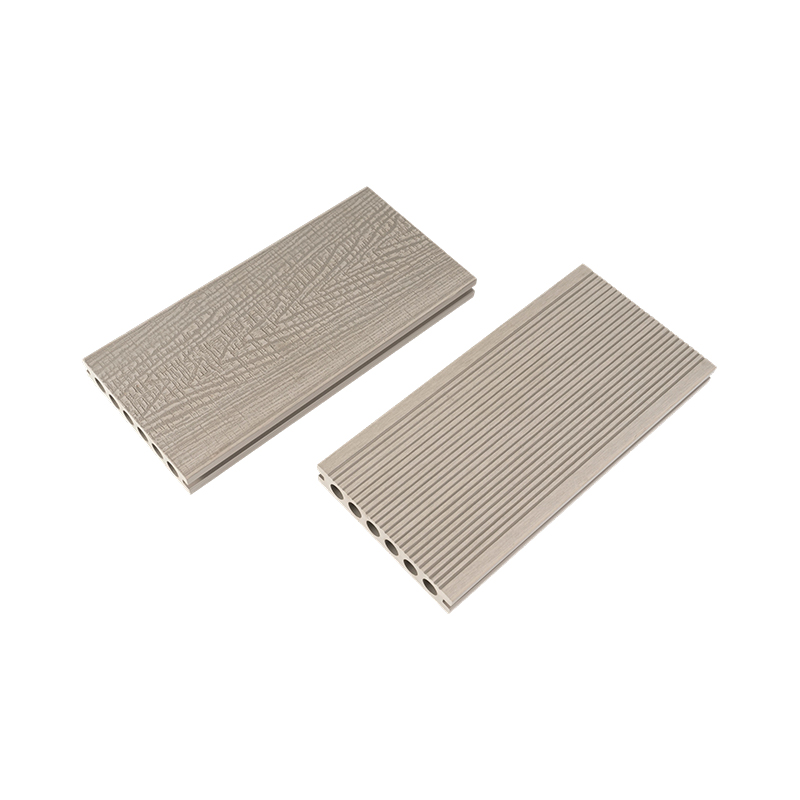
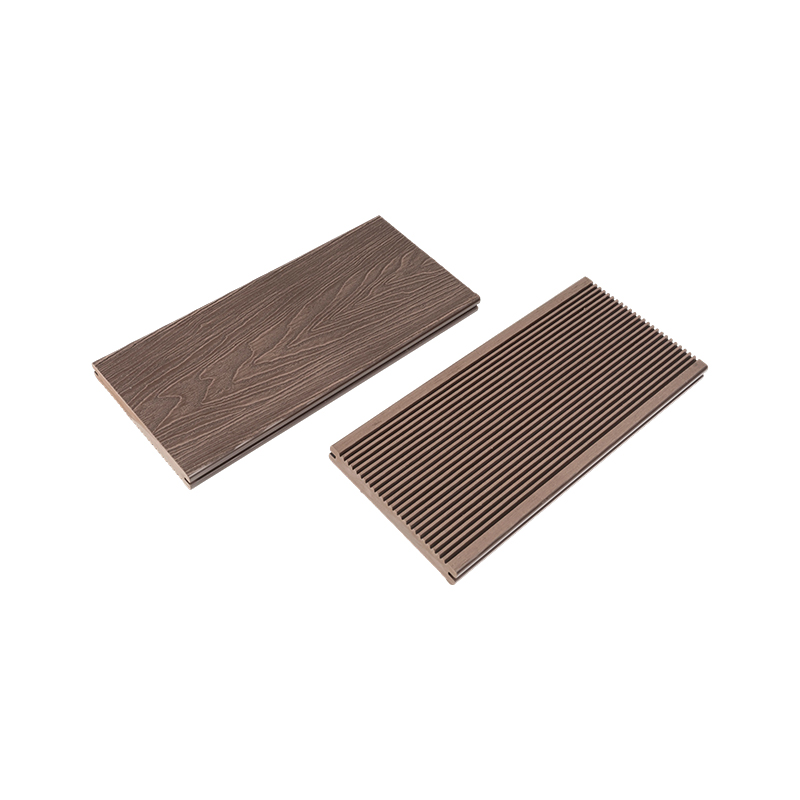
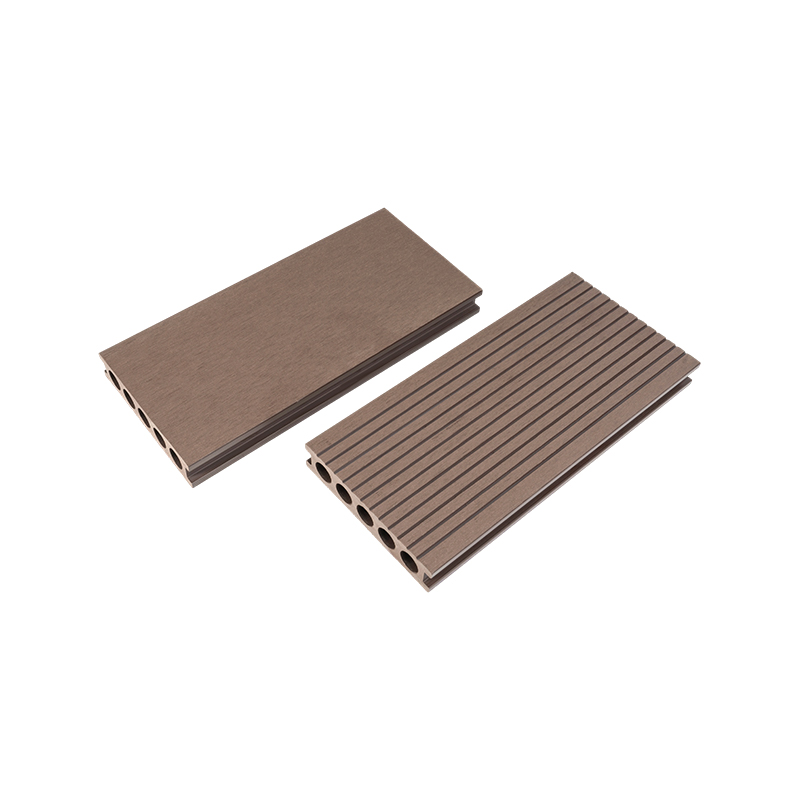
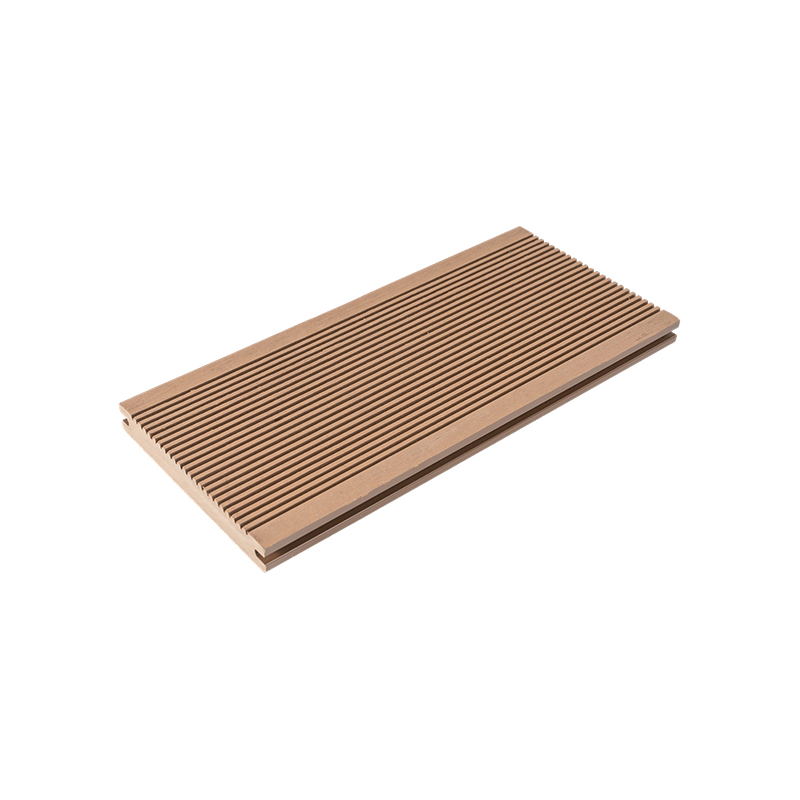
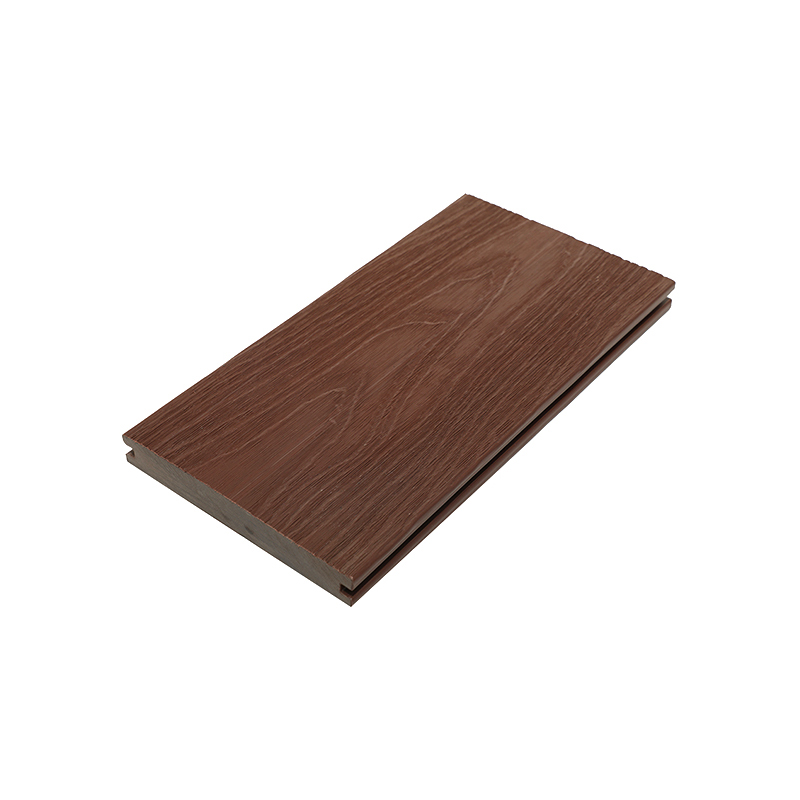
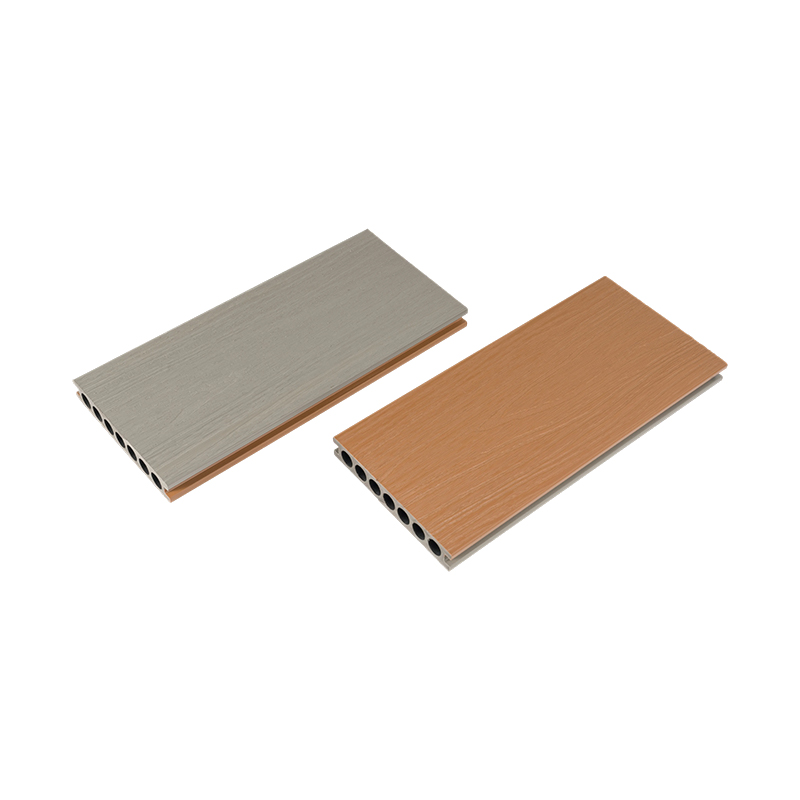
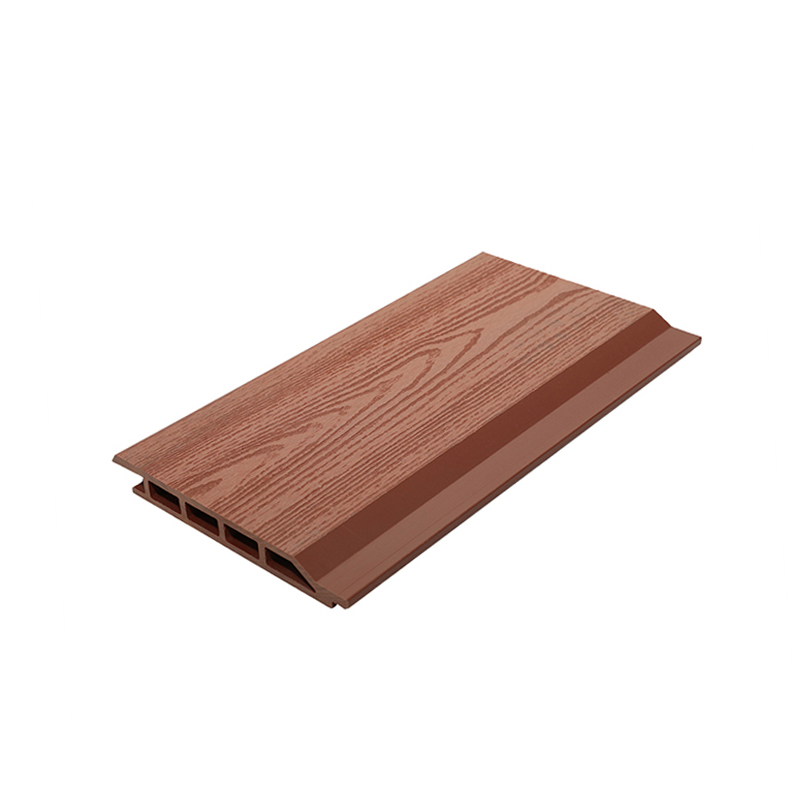
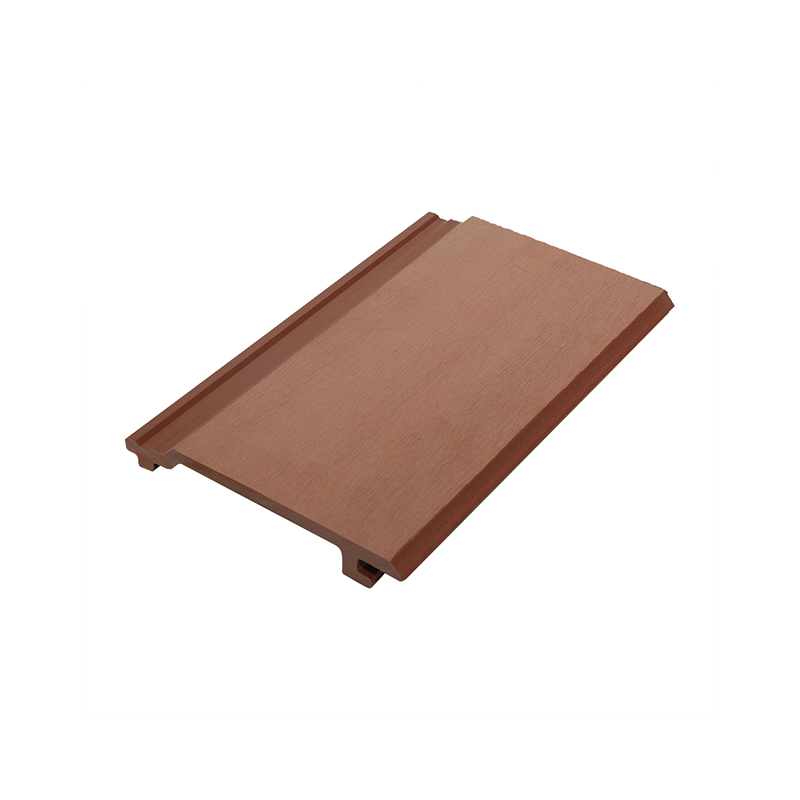
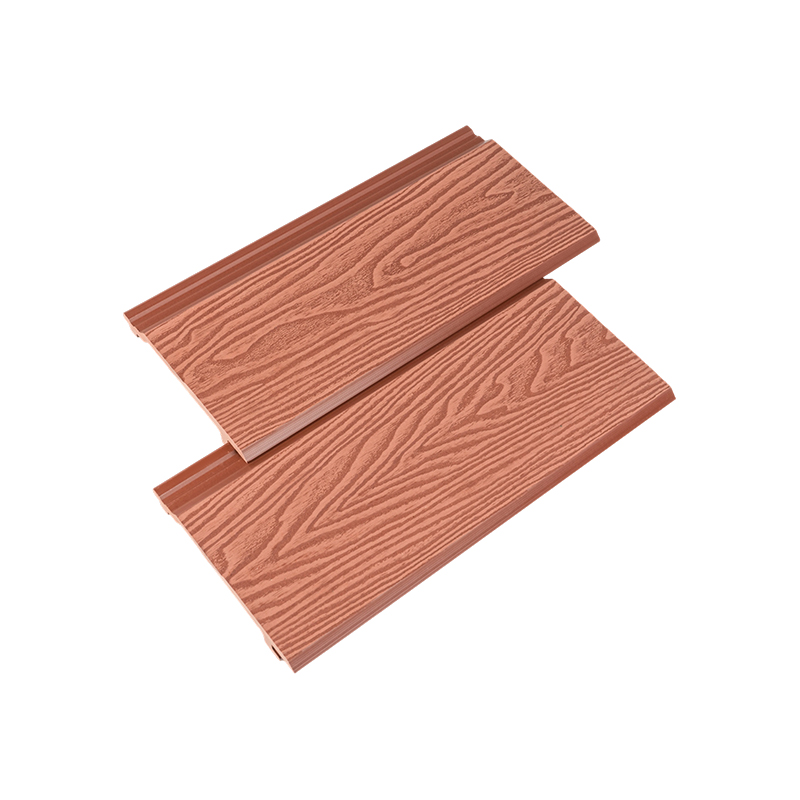
3D embossed decking is an advanced type of wood-plastic composite (WPC) decking that features a deeply contoured, three-dimensional wood grain texture applied directly to the board surface during the extrusion manufacturing process. Unlike standard WPC decking with its relatively shallow surface embossing, 3D embossed boards carry a pronounced grain relief that replicates the tactile depth, natural variation, and visual character of real sawn timber with a degree of realism that flat or lightly textured composites cannot achieve.
3D embossed decking sits between standard WPC and premium co-extruded decking in the composite flooring range — offering a significant aesthetic upgrade over classic WPC without requiring the full investment of a co-extruded product. It is the preferred choice for high-specification residential gardens, upscale hospitality terraces, and commercial spaces where visual quality and a realistic timber appearance are design priorities.
How 3D Embossed Decking Is Made: The Technology Behind the Texture
The WPC Foundation
Like all composite decking, 3D embossed boards begin with a precisely formulated blend of reclaimed wood fibre and recycled thermoplastic polymer — typically 50–70% wood fibre and 30–50% polyethylene or polypropylene — combined with UV stabilisers, colorants, fungicide additives, and processing agents. This material blend is heated and forced through an extrusion die to produce a continuous board profile with consistent dimensions and through-colour pigmentation. The colour is distributed throughout the entire board material, so minor surface wear does not expose a different-coloured substrate beneath.
The 3D Embossing Stage: Where the Difference Is Made
Immediately after extrusion, while the composite material is still in a semi-plastic, workable state, the board surface passes through a precision-engineered embossing roller or die that presses a deeply sculpted wood grain pattern into the surface. The critical difference from standard embossing is the depth and complexity of the grain relief. Standard WPC embossing produces a relatively shallow surface texture — sufficient to break up surface reflectance and add basic visual interest, but visibly artificial at close range. The 3D embossing process creates a significantly deeper, more complex grain structure with raised peaks, recessed grain channels, and lateral wood pore detail that together produce the multi-plane texture of natural sawn timber. No additional post-production surface treatment is required — the texture is formed as an integral part of the manufacturing process during extrusion.
Light Interaction and Visual Realism
The depth of 3D embossed grain is what creates its superior visual realism. Natural timber appears realistic partly because its surface grain has genuine depth — light catches raised grain peaks differently from how it falls into recessed grain channels. A shallow embossed surface produces a relatively uniform sheen because all surface points are at approximately the same plane. The pronounced relief of 3D embossing creates genuine light-and-shadow variation across the board surface throughout the day as sun angle changes — replicating the dynamic visual quality of real wood in a way that standard composite textures cannot match.
Key Advantages of 3D Embossed Decking
More Natural Visual Appearance Than Standard WPC
The primary advantage of 3D embossed decking over classic WPC is its significantly more realistic timber aesthetic. The deeper grain relief, lateral wood pore detail, and dynamic light interaction produced by the 3D embossing process create a surface that is visibly more convincing as timber at normal viewing and walking distances. For residential garden decks, hotel pool terraces, restaurant outdoor areas, and any application where guests and occupants are in close proximity to the deck surface, this elevated visual quality is a meaningful differentiator from standard composite products.
Superior Anti-Slip Performance
The deeper grain channels of 3D embossed decking provide better anti-slip performance than standard shallow-embossed WPC boards. Standard embossing creates a mildly textured surface; 3D embossing creates a genuinely contoured surface with depth. When wet, the deeper channels allow water to disperse away from the contact zone between foot and board more effectively, maintaining traction under foot. Quality 3D embossed decking achieves slip resistance ratings of R11 or higher under DIN 51130 — the standard wet-area classification — making it appropriate for pool surrounds, coastal installations, and outdoor spaces used in all weather conditions.
Long-Term Durability: Grain Depth That Withstands Years of Use
Because the 3D grain is pressed significantly deeper into the board surface than standard embossing, it retains its texture and character far longer under foot traffic and weathering. Standard shallow embossing can wear noticeably in high-traffic areas over several years, gradually smoothing to a flatter, more artificial appearance. The greater depth of 3D embossed grain means the texture is still visually present and functionally effective even after years of regular use — the deck surface continues to look like timber rather than a worn composite well into the product's service life. Quality 3D embossed decking carries warranties of 15 to 20 years and realistic service lives of 18 to 25 years under normal outdoor conditions.
No Additional Surface Treatment Required
Unlike natural timber — which requires oiling, staining, or painting every 1–2 years to maintain both appearance and weather protection — 3D embossed decking requires no surface treatment of any kind. The grain texture is formed during extrusion, UV stabilisers are built into the board material, and weather protection is inherent to the composite composition. There is no treatment to apply, reapply, or strip at any point during the product's service life. Maintenance consists solely of periodic sweeping and washing with water and mild detergent.
All the Durability Benefits of WPC
As a WPC-based product, 3D embossed decking inherits the full suite of composite performance properties that make WPC superior to natural timber in outdoor conditions: resistance to rot, mildew, cracking, splitting, and insect attack; dimensional stability under moisture cycling; splinter-free surface throughout its service life; and colour consistency across all boards in a production batch. These properties are present from day one and require no maintenance to sustain — unlike natural timber, where they depend on the consistency of treatment schedules.
Environmentally Responsible Production
3D embossed decking is manufactured from recycled materials — typically 50–70% reclaimed wood fibre and 30–50% recycled plastic — with formaldehyde emissions meeting the strict E0 standard and no chemical adhesives used in production. The 3D grain texture adds visual and functional value without requiring any additional chemical treatment process, keeping the environmental profile of the manufacturing process clean. The long service life further reduces the lifetime material throughput compared to natural timber alternatives requiring periodic replacement.
3D Embossed Decking vs Standard WPC vs Co-Extruded: How the Three Types Compare
Comparison of the three main composite decking types across key performance and aesthetic criteria
| Criterion |
Standard WPC |
3D Embossed WPC |
Co-Extruded WPC |
| Surface grain depth |
Shallow |
Deep 3D relief |
Variable (depends on cap finish) |
| Visual realism (timber appearance) |
Moderate |
High |
High (with 3D cap option) |
| Wet slip resistance |
R10–R11 |
R11+ |
R11+ |
| Moisture resistance |
Good |
Good |
Excellent (capped) |
| Stain resistance |
Good |
Good |
Excellent (non-porous cap) |
| UV fade resistance |
Moderate |
Good |
Best (dedicated UV cap) |
| Texture wear longevity |
Moderate (shallow grain wears) |
Good (deeper grain lasts longer) |
Excellent |
| Typical warranty |
10–15 years |
15–20 years |
20–25 years |
| Relative cost |
Lower |
Medium |
Higher |
Where 3D Embossed Decking Is Best Used
3D embossed decking performs well across a wide range of applications, and its elevated aesthetic makes it particularly compelling wherever occupants are close to the deck surface:
- Premium residential gardens and patios — homeowners seeking a natural timber appearance without the maintenance demands of real wood will find 3D embossed decking the closest composite alternative at an accessible price point
- Balconies and rooftop terraces — where the deck is viewed from close range and lightweight hollow-core profiles benefit the structural load requirements of elevated installations
- Swimming pool surrounds — the deeper grain channels provide enhanced wet traction (R11+) while the realistic timber aesthetic creates a premium poolside appearance; light-coloured boards are recommended for barefoot comfort in hot climates
- Hotel and resort outdoor areas — the premium aesthetic of 3D embossed decking suits the quality expectations of hospitality environments without the management overhead of real timber maintenance
- Restaurant and café terraces — the realistic timber appearance enhances the dining environment, stain resistance handles food and beverage spills effectively, and the durable grain withstands chair and table leg abrasion over time
- Garden rooms and outdoor entertainment areas — spaces designed for extended leisure use benefit from a surface that is visually inviting, comfortable underfoot, and easy to clean after use
Installation: How 3D Embossed Decking Is Laid
3D embossed decking installs using the same hidden clip system used for all WPC decking. The process and requirements are identical to standard WPC — the 3D surface texture does not affect the board's installation method or dimensional behaviour.
Subframe Requirements
Joists — aluminium (recommended for longest system life), steel, or pressure-treated timber — should be fixed at 300–400 mm centres for hollow-core boards and up to 400 mm for solid-core boards. The subframe must be level and incorporate adequate airflow gaps beneath the deck to prevent moisture accumulation around joist surfaces.
Expansion Gaps
A 5 mm end gap must be maintained at every board terminus to accommodate longitudinal thermal expansion. The 5–8 mm lateral gap between adjacent boards is maintained automatically by the clip fixing system. Boards installed without adequate end gaps will buckle in warm weather — a common installation error that is entirely preventable by following the manufacturer's specifications.
Sealing Cut Ends
Every board end cut on site must be sealed immediately with the manufacturer-approved end-grain sealant. Cutting exposes raw wood fibre at the board face; sealing this face is mandatory to prevent moisture ingress into the core, which can cause swelling and structural deterioration at cut ends over time.
Board Orientation
Install 3D embossed boards with grain lines running in the direction of primary water drainage — typically along the length of the deck, not perpendicular to it. This ensures rainwater flows along rather than across the grain channels, maximising drainage performance and preventing water from pooling in surface grooves.
Maintenance: What 3D Embossed Decking Actually Needs
No painting, oiling, staining, or protective treatment is ever required for 3D embossed decking. The complete maintenance routine is:
- Regular sweeping: Remove leaf litter, soil, and organic debris — particularly from the grain channels, where organic matter can accumulate and provide a growth medium for algae in wet conditions
- Periodic washing: Wash along the board length with warm water and mild household detergent using a soft brush or low-pressure hose, once or twice per year. This removes surface contamination before it can chemically attack the board over time
- Grain channel cleaning: A soft-bristle brush used along the grain direction dislodges debris from the deeper 3D channels — a 10-minute task that keeps drainage performance and appearance optimal
- Stain treatment if needed: For stubborn marks, a manufacturer-approved composite cleaner applied with a soft brush resolves most staining. Never use bleach, solvents, or metal scrubbers — these damage the board surface and void the warranty
Total annual maintenance time for a standard residential deck is under two hours per year — compared to a full day or more for annual oiling or painting of an equivalent natural timber deck.
Frequently Asked Questions About 3D Embossed Decking
What makes 3D embossed decking look more natural than standard WPC?
The key is grain depth and complexity. Standard WPC embossing creates a shallow surface pattern — visible close up but relatively uniform in its light reflection. 3D embossing creates a deeply contoured grain with genuine height variation between raised peaks and recessed channels, plus lateral wood pore detail. As viewing angle and light direction change throughout the day, the surface produces the same dynamic shadow variation that makes real timber look alive. The greater the grain depth, the more convincingly the board reads as timber at the normal viewing distances people experience when walking across, sitting near, or looking down at a deck.
Does the 3D grain wear down over time?
The deep grain of 3D embossed decking is significantly more resistant to wear than shallow-embossed standard WPC. Because the grain is pressed deeper into the board surface during manufacturing, there is considerably more grain depth available before wear can reduce the texture to a noticeably flatter profile. In normal residential foot traffic conditions, the grain character remains visually intact well into the product's service life. In high-traffic commercial environments, solid-core 3D embossed boards provide the greatest wear resistance and are the appropriate specification for areas such as restaurant terraces and commercial plazas.
Is 3D embossed decking more slip-resistant than standard WPC?
Yes — the deeper grain channels of 3D embossed boards provide better wet traction than shallower-embossed standard boards because they allow water to disperse more effectively from the foot-contact zone. Quality 3D embossed decking achieves R11 or higher under DIN 51130, making it appropriate for pool surrounds, coastal decks, and wet-weather outdoor areas. Always verify the certified slip resistance rating of the specific product before specifying for pool or wet-area applications.
Does 3D embossed decking need any special treatment before or after installation?
No special pre- or post-installation treatment is needed for the boards themselves. The 3D texture is formed during manufacturing — there is no additional process required to activate, seal, or protect it. The only installation-related treatment is sealing every cut board end with the manufacturer-approved end-grain sealant, which is required for all composite decking regardless of surface type. Beyond that, the boards are ready to use immediately after installation with no curing time, treatment cure period, or first-season maintenance required.
How does 3D embossed decking compare to co-extruded decking?
3D embossed decking offers a superior aesthetic to standard WPC and a more natural texture at a lower price point than premium co-extruded decking. Co-extruded decking adds a polymer cap layer over the WPC core, which delivers the highest moisture resistance, stain resistance, and UV fade performance available in composite decking — and typically the longest warranties (20–25 years). For most residential applications and moderate commercial environments, 3D embossed WPC provides an excellent balance of realistic appearance, durability, and value. For the most demanding applications — commercial venues, pool surrounds, coastal properties, or wherever maximum long-term performance is required — co-extruded remains the premium specification.
Can 3D embossed decking be used indoors?
Yes. Quality 3D embossed WPC decking meets the E0 formaldehyde emission standard and is produced without chemical adhesives, making it safe for indoor use. It is used for interior feature floors, commercial showrooms, gym surfaces, and indoor-outdoor transition areas where a consistent material and aesthetic is desired across both spaces. The same installation method applies indoors, with drainage gradient requirements being less critical in covered indoor environments.
How do I clean the deep grain channels without damaging the surface?
Use a soft-bristle brush (not metal or stiff nylon) along the grain direction with warm water and mild detergent. Working along the grain channels rather than across them dislodges debris more effectively and avoids any risk of surface damage from abrasive cross-grain scrubbing. A low-pressure hose assists in flushing loosened material from deeper channels. For persistent organic staining in channels, a manufacturer-approved composite cleaner applied and worked with a soft brush is the recommended approach. Avoid pressure washing at high settings directly into grain channels, as concentrated high-pressure streams can potentially damage the embossed texture over time.
Choosing and Specifying 3D Embossed Decking: A Practical Guide
- Assess grain depth in physical samples, not screen images. The defining characteristic of 3D embossed decking is its grain depth — a quality that is nearly impossible to evaluate from photographs. Request physical board samples and examine them in outdoor natural light, tilting the board at different angles to assess how the grain shadow changes. This is the only reliable way to evaluate 3D grain quality before committing to a product.
- Specify solid-core boards for commercial and high-traffic applications. Hollow-core boards are appropriate for residential installations and weight-sensitive structures; solid-core boards offer greater rigidity, impact resistance, and long-term wear performance for commercial venues, restaurant terraces, and public areas with concentrated foot traffic.
- Verify the slip resistance certification for wet-area use. Confirm the specific product's certified wet slip resistance rating (R11 or higher under DIN 51130) before specifying for pool surrounds or persistently wet outdoor applications. Not all 3D embossed products carry the same slip resistance certification — verify the data sheet, not just the product description.
- Choose lighter colours for pool areas and sun-exposed decks in hot climates. Dark composite boards can reach surface temperatures of 50–65°C in direct summer sun. Lighter-coloured boards remain significantly cooler under equivalent conditions, providing much more comfortable barefoot use around pools and in hot outdoor environments.
- Request a written warranty covering both structural performance and fade resistance. A manufacturer confident in their 3D embossed product will provide written warranty coverage for structural integrity and colour stability — typically 15 to 20 years. Products without written fade warranties likely have insufficient UV stabiliser specification for long-term outdoor colour retention.
- Order all boards from a single production batch with a 10% waste allowance. Colour can vary slightly between manufacturing batches. Ordering the complete project quantity together — plus a minimum 10% waste allowance for cuts and future repairs — ensures colour consistency across the finished installation and provides matching spare boards for any future maintenance needs.

 English
 Français
 Español
 Deutsch