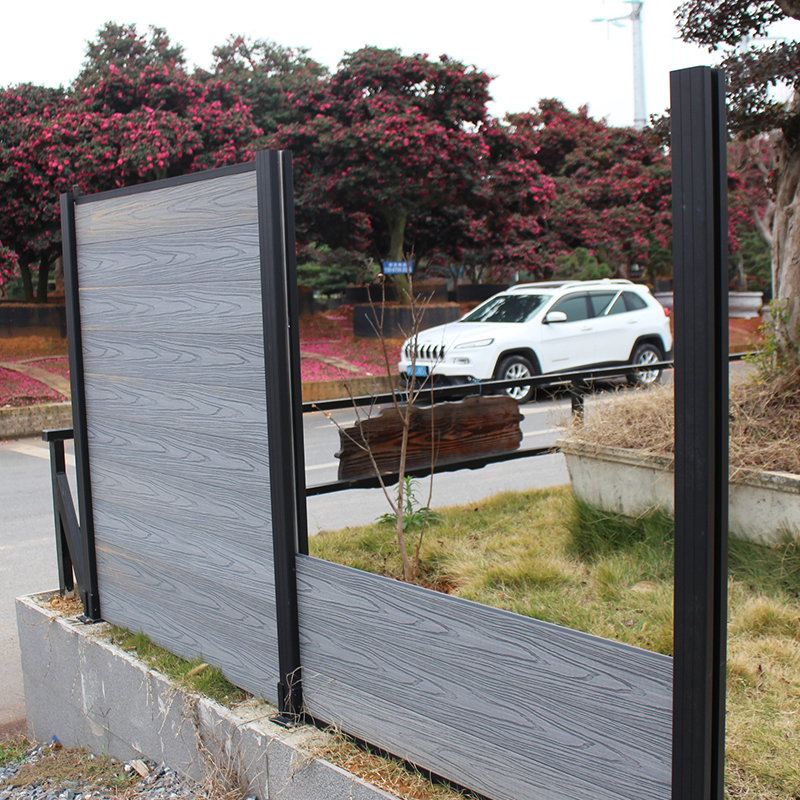
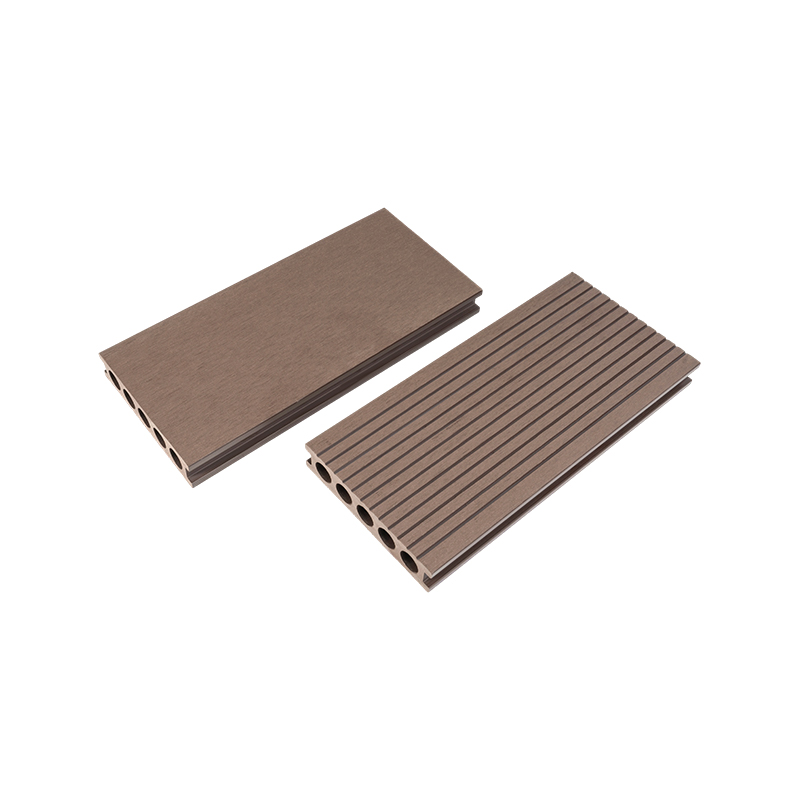
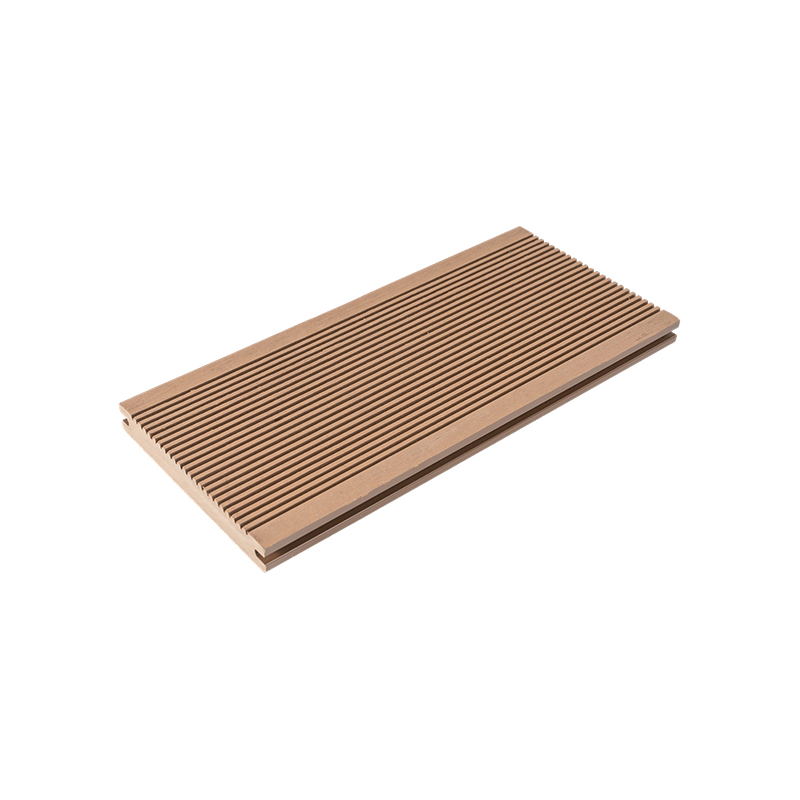
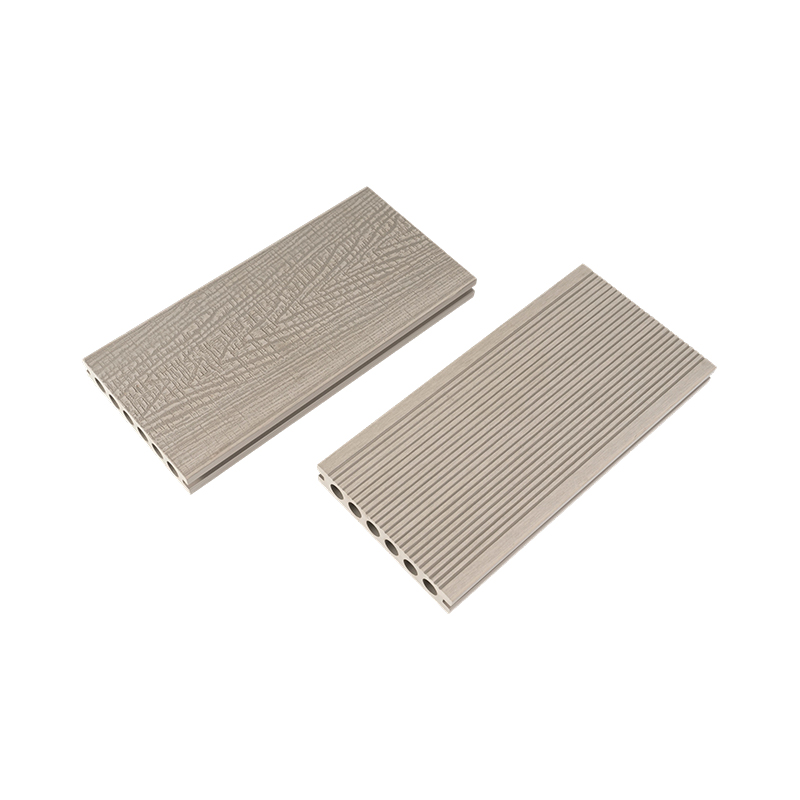
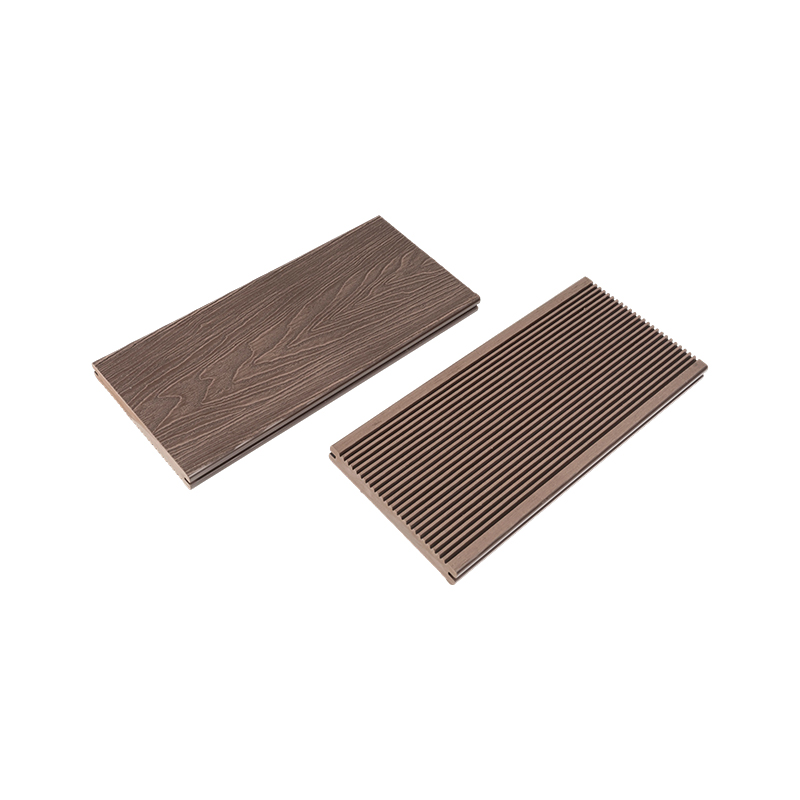
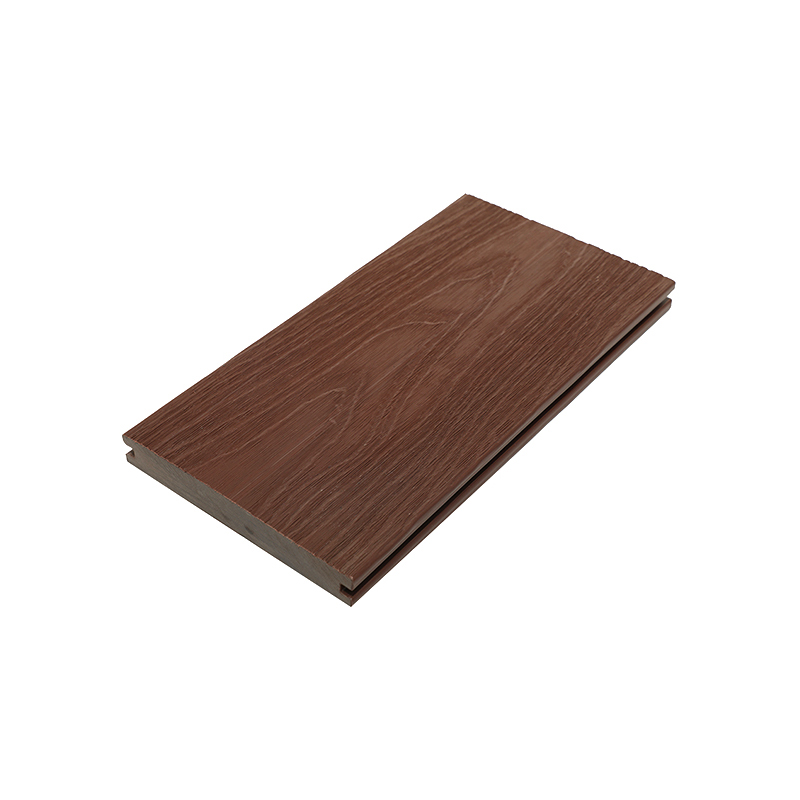
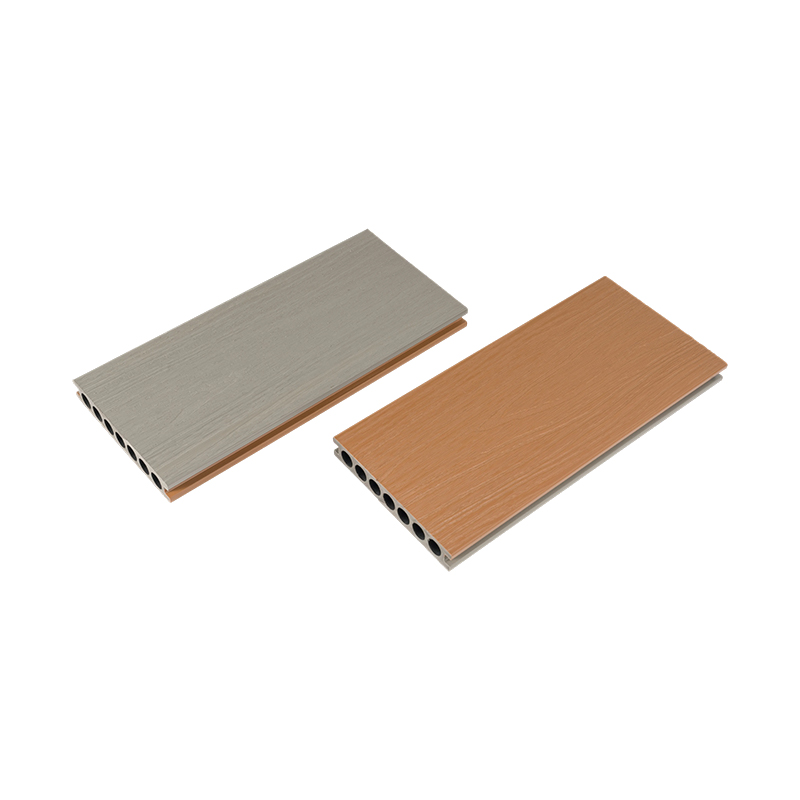
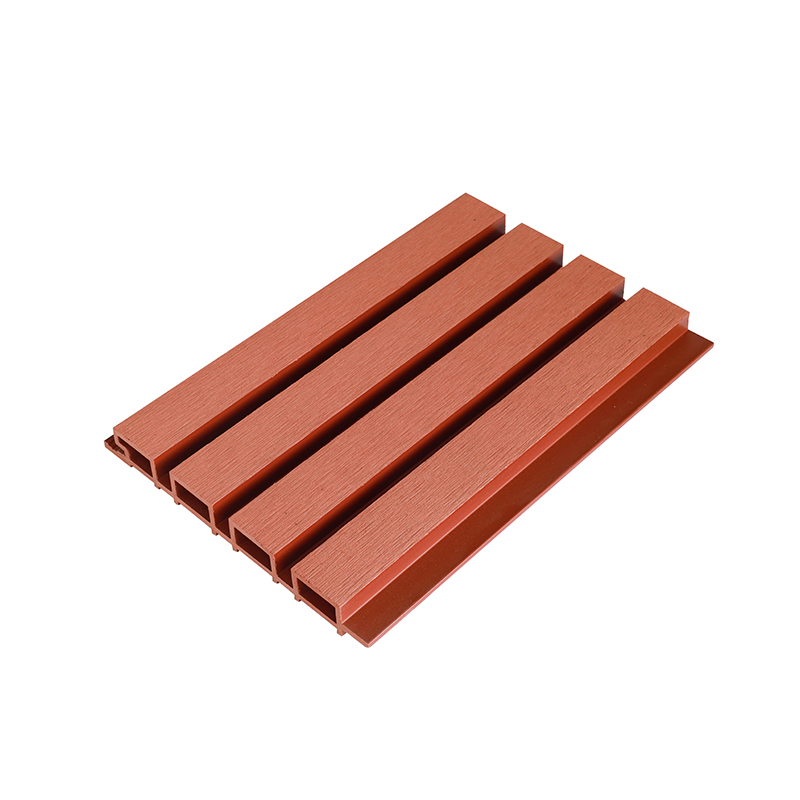
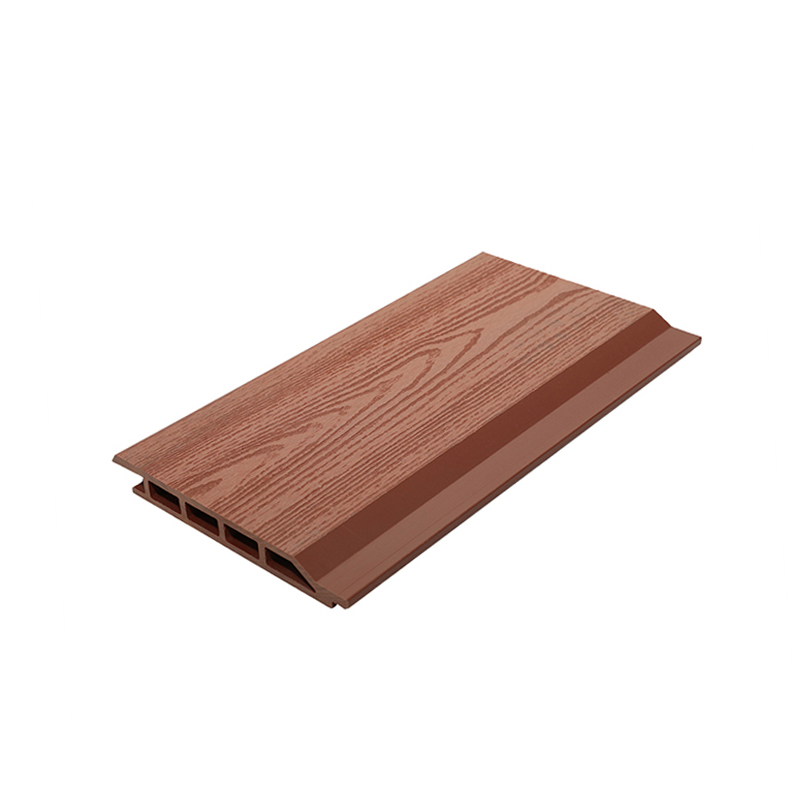
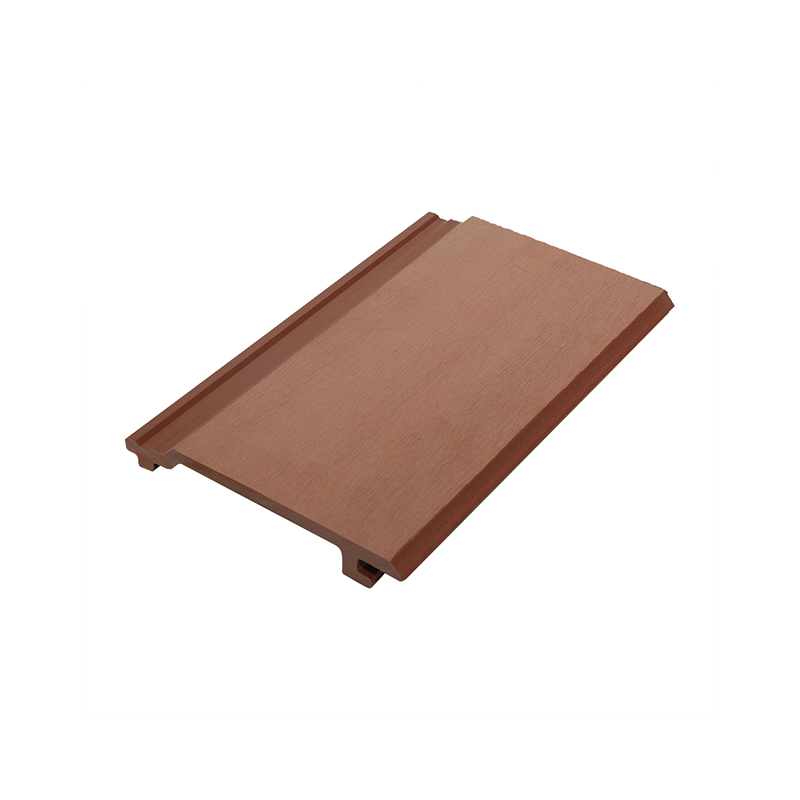
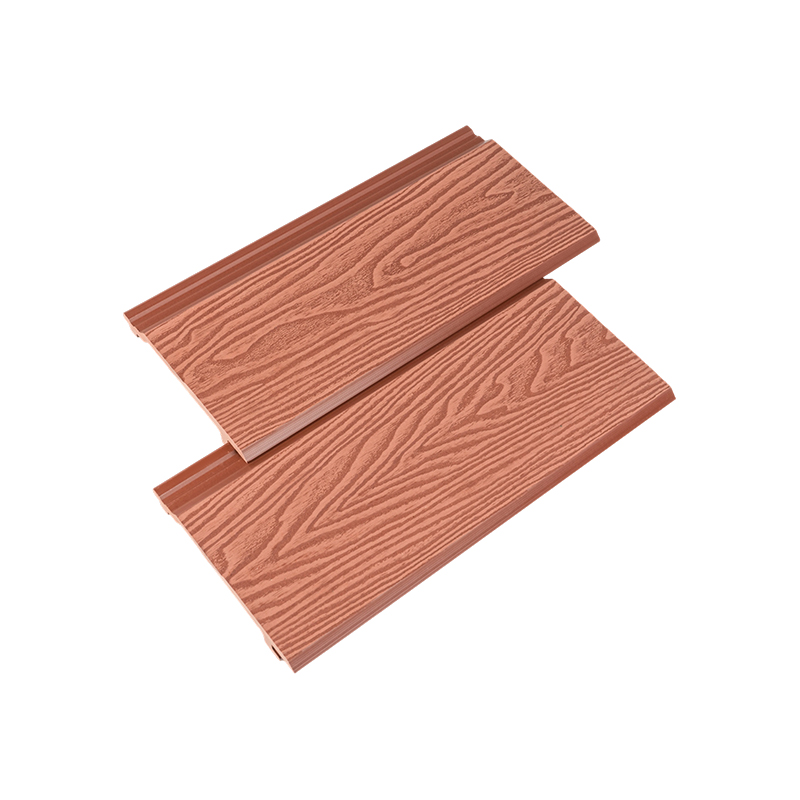
WPC fencing with aluminium is a hybrid fencing system that combines the structural strength and corrosion resistance of powder-coated aluminium framing with the natural warmth and timber grain aesthetic of wood-plastic composite (WPC) infill panels. Rather than choosing between the clean precision of a metal fence or the organic character of a timber-look boundary, this system delivers both simultaneously — an aluminium post-and-rail frame provides the structural backbone, while WPC boards or panels inserted into the frame carry the visual character of natural wood to the finished fence face.
The result is a fencing system that is visually richer than a purely metallic fence, far more durable and maintenance-free than a purely timber or WPC system, and structurally more robust than WPC-on-timber-post configurations. The combination is increasingly specified for villa courtyards, residential gardens, luxury residential developments, commercial property boundaries, and high-specification landscape projects where both structural permanence and refined aesthetic quality are design priorities.
How the System Works: Aluminium Frame and WPC Panel Integration
The Aluminium Frame: Structural Foundation of the System
The structural element of the system is a precision-engineered aluminium frame consisting of vertical posts and horizontal rails. Aluminium posts are typically hollow-section extrusions with wall thicknesses of 2–4 mm, providing excellent rigidity-to-weight ratio without the corrosion risk of steel in garden and outdoor environments. The posts are set into concrete foundations at the correct depth — typically one-third of total post length — and the horizontal rails are connected to the posts using concealed brackets or pre-machined interlocking connections. All aluminium components are powder-coated in a range of standard colours — typically matte black, anthracite grey, silver, white, or custom RAL colours — providing a decorative finish that is permanently bonded to the aluminium surface and resistant to chipping, scratching, and UV fading over the fence's full service life.
The WPC Infill Panels: Natural Character Within the Metal Frame
The WPC infill boards or panels are manufactured from a blend of 50–70% reclaimed wood fibre and 30–50% recycled thermoplastic polymer — the standard WPC formulation — incorporating UV stabilisers, colorants, and fungicide additives without chemical adhesives. The boards are extruded to profiles that match the channel dimensions of the aluminium rail system, allowing them to slot cleanly into the frame's grooved horizontal rails during installation. Because the colour pigment is distributed throughout the WPC material during manufacturing, the board colour is consistent from surface to core — minor surface marks do not expose a differently coloured substrate, and all boards in a production batch are colour-matched.
How the Two Materials Work Together
The aluminium frame and the WPC boards each contribute distinct properties to the complete system. The aluminium provides precision-machined structural geometry, permanent corrosion resistance, and the clean linear presence of a metal frame visible at posts and rail edges. The WPC boards fill the frame openings with their natural wood grain surface texture and warm timber tones, adding visual depth and the organic quality that a purely metallic fence cannot achieve. Together, the system presents an aesthetic that has metallic structural refinement at its edges and natural wood warmth at its face — a combination that reads as premium and considered rather than purely functional.
Key Advantages of Combining Aluminium Framing with WPC Panels
Structural Strength That WPC-on-Timber Cannot Match
The aluminium frame provides a structural performance level that timber post alternatives cannot approach at comparable section sizes. Aluminium posts with 100 mm × 100 mm hollow sections deliver significantly greater rigidity and wind resistance than timber posts of equivalent size, without the progressive decay at grade level that causes timber posts to lean and fail over time. On exposed sites, coastal locations, and tall fence configurations above 1.8 m, the aluminium frame's superior structural performance is particularly valuable — maintaining a plumb, rigid fence long after a timber-posted alternative would have begun to lean.
Complete Corrosion Resistance Across All Frame Components
Aluminium does not rust. Unlike steel, which requires galvanising or coating to resist corrosion and eventually rusts at surface scratches, cut edges, and fixing points, aluminium forms a naturally stable oxide layer that prevents further oxidation without any additional treatment. Combined with a powder-coat finish, aluminium fence frames maintain their appearance and structural integrity in the most demanding outdoor conditions — including salt-air coastal environments, high-humidity gardens, and pool surrounds where steel would corrode within a few years. This makes aluminium the definitive post material for WPC fencing in corrosive environments.
A Premium Aesthetic for Courtyards and Villa Gardens
The combination of powder-coated aluminium framing with WPC panel infill produces a fence aesthetic that is noticeably more refined than either standard WPC board-on-post or conventional metal fencing alone. The clean, geometric aluminium frame provides precision and structure, while the WPC boards introduce natural warmth and the organic variation of wood grain that softens and enriches the overall composition. For villa courtyards, luxury residential gardens, and high-specification commercial entrance features, this material combination delivers a boundary treatment that enhances the architectural quality of the surrounding property rather than simply defining its edge.
Zero Maintenance for Both Frame and Infill
Both the aluminium frame and the WPC boards require no painting, staining, oiling, or protective treatment at any point during the fence's service life. The powder-coated aluminium finish is permanent and requires only periodic washing to maintain its appearance. The WPC boards require no treatment either — maintenance consists solely of washing with water and mild detergent. On a 20-metre villa courtyard fence, this represents an estimated saving of $2,000–$5,000 over 20 years in maintenance costs compared to a painted steel-and-timber fencing system requiring periodic repainting and timber treatment.
Design Versatility: Multiple Panel Styles Within the Same Frame System
Because the aluminium frame provides the structural element independently, the WPC infill boards can be varied in width, profile, spacing, and orientation without changing the frame specification. This allows a single fence run to incorporate design variations — wider boards on privacy sections, spaced slats on screening sections, horizontal boarding on lower panels and vertical boarding on upper sections — that create a sophisticated, intentionally composed boundary rather than a uniform repetitive fence line. The variety of WPC board profiles, colours, and surface textures available provides further design scope within the same structural system.
Long Service Life: 25 to 30 Years Without Structural Compromise
The aluminium frame component of a correctly installed WPC-aluminium fence system has a realistic service life exceeding 30 years in normal outdoor conditions — indefinitely, in practice, as aluminium does not have the progressive structural degradation mechanism that affects timber and steel. The WPC board infill typically carries manufacturer warranties of 15 to 20 years for standard WPC products and 20 to 25 years for co-extruded boards. The boards can be replaced within the aluminium frame at end-of-life without disturbing the structural frame — significantly extending the overall fence system's functional lifespan.
WPC with Aluminium vs Other Fencing Systems: A Comparison
Performance and design comparison across WPC-aluminium, standard WPC, timber, steel, and vinyl fencing systems for residential and commercial applications
| Criterion |
WPC + Aluminium |
Standard WPC |
Timber |
Steel Frame |
Vinyl (uPVC) |
| Frame corrosion resistance |
Excellent (no rust) |
N/A |
Poor (rots) |
Moderate (requires coating) |
Excellent |
| Structural rigidity |
Excellent |
Good |
Moderate (degrades) |
Excellent |
Moderate |
| Natural timber appearance |
Very good (WPC panels) |
Very good |
Excellent |
None |
Poor |
| Design versatility |
Highest (frame + panel options) |
Good |
Moderate |
Good (rail options) |
Limited |
| Maintenance required |
Wash only |
Wash only |
Paint / treat every 1–3 yrs |
Touch up / repaint over time |
Wash only |
| Coastal suitability |
Excellent |
Good |
Poor |
Moderate (corrosion risk) |
Good |
| Frame service life |
30+ years |
15–25 yrs (post dependent) |
10–15 yrs (softwood) |
25+ yrs (galvanised) |
20–30 yrs |
| Premium aesthetic quality |
Highest |
Good |
Moderate (ages visibly) |
Moderate (industrial feel) |
Low |
Panel Style Options: Designing the Right Fence for Your Property
One of the key advantages of the WPC-aluminium system is the range of panel configurations available within the same structural frame. The aluminium posts and rails remain consistent; the WPC infill panels define the fence's visual character and privacy level:
Full Privacy: Close-Butted Horizontal or Vertical Boards
WPC boards slotted tightly together — either horizontally or vertically into the aluminium rail channels — create a fully closed panel with no sightlines through the fence face. This configuration is the standard choice for residential garden privacy screens, pool enclosures, utility area screening, and any application where complete visual separation is the primary goal. Horizontal boards create a traditional fencing rhythm; vertical boards produce a more contemporary, elongated character that suits modern villa and commercial architectural contexts.
Partial Privacy: Spaced Slatted Panels
WPC boards installed with a consistent gap between each board — typically 15 mm to 40 mm — create a slatted panel that provides visual softening and partial privacy while allowing airflow, light transmission, and visual connection to the surrounding landscape. This configuration is widely used on villa courtyard perimeter fences where a completely closed boundary would feel oppressive, and on garden entrance areas, terrace edges, and landscape feature walls where the fence is as much a design element as a functional boundary.
Angled Louvre Panels
WPC boards set at a consistent angle within the aluminium frame — typically 45° — create a louvre configuration that provides full privacy from direct frontal sightlines while allowing significant airflow and ambient light transmission from above and to the sides. Louvre panels are particularly effective for pool surrounds, where they prevent direct visual access from adjacent properties while maintaining air circulation that is important in pool enclosure environments.
Mixed Configurations for Design Variety
Because the aluminium frame provides the structural grid, different WPC panel configurations can be combined within the same fence run — a full-privacy base panel below a slatted upper section, alternating wide and narrow boards, or different orientations in adjacent bays. This design flexibility is unique to the framed system and is one of the primary reasons the WPC-aluminium combination is preferred for high-specification residential and commercial projects where the fence is expected to make a design contribution rather than simply provide a functional boundary.
Applications: Where WPC Fencing with Aluminium Is Used
Typical applications for WPC fencing with aluminium framing, with recommended panel configurations and primary performance requirements by setting
| Application |
Typical Height |
Recommended Panel Style |
Primary Requirement |
| Villa courtyard perimeter |
1.8–2.2 m |
Horizontal close-butted or spaced slat |
Premium aesthetic + privacy |
| Residential garden boundary |
1.5–1.8 m |
Horizontal board-on-rail |
Privacy, durability, low maintenance |
| Pool surround / spa enclosure |
1.2–1.8 m |
Louvre or spaced vertical slat |
Moisture resistance + airflow + privacy |
| Coastal residential property |
1.5–2.0 m |
Co-extruded WPC on aluminium |
Salt-air resistance + longevity |
| Commercial entrance feature |
1.5–2.4 m |
Mixed configuration (privacy + slat) |
Premium appearance + brand identity |
| Terrace / balcony screen |
1.0–1.5 m |
Vertical spaced slat |
Privacy with light transmission |
| Landscape feature wall |
Variable |
Full-face vertical or horizontal |
Architectural visual impact |
Installation: How WPC-Aluminium Fencing Systems Are Assembled
Step 1 — Post Foundation Setting
Aluminium posts are set in concrete foundations at the correct depth: one-third of total post length below ground, with a minimum of 600 mm for fence heights up to 1.5 m and 900 mm for heights of 1.8 m and above. Posts must be set perfectly plumb in both axes and checked with a spirit level before the concrete sets. Post spacing should not exceed 1.8 m between centres for standard WPC board infill widths — wider spans increase frame deflection under wind load and reduce the precision of WPC board seating in the rail channels.
Step 2 — Rail Connection and Frame Assembly
Horizontal aluminium rails are connected to the vertical posts using concealed bracket systems, interlocking extrusion connections, or through-bolted joints depending on the specific system specification. Rails must be level and parallel throughout the fence run — small variations compound as WPC boards are inserted and will affect the finished visual quality of the fence face. Rail channels should face outward (toward the street or external view) so that board insertion is from the face side and hidden joint details are not visible from the primary viewing position.
Step 3 — WPC Board Insertion
WPC boards are inserted into the upper and lower rail channels from the board end, sliding along the channel to their final position. For close-butted configurations, boards are packed tightly together within the channel. For spaced configurations, spacers or clip systems maintain a consistent gap between boards during insertion. A 5–8 mm expansion gap must be maintained at each board end within the rail channel to accommodate longitudinal thermal expansion — boards installed tight against channel end walls will buckle in warm weather as they expand.
Step 4 — Cut-End Sealing and Finishing
Every WPC board end cut on site must be sealed immediately with manufacturer-approved end-grain sealant to prevent moisture ingress into the wood fibre core at the cut face. End caps, corner posts, and post-top finisher caps are fitted to complete the frame system and provide a clean finished edge at all termination points. All fixings used in the aluminium frame assembly should be stainless steel or aluminium — not galvanised steel, which will corrode at screw interfaces and produce rust staining on the aluminium and WPC surfaces over time.
Maintenance: What the WPC-Aluminium System Requires
No painting, staining, oiling, or protective treatment is required for either the aluminium frame or the WPC boards at any point during the fence's service life. The complete maintenance routine is:
- Annual washing of board surfaces: Warm water and mild household detergent applied with a soft brush or cloth, working along the board grain length. Rinse thoroughly. This removes atmospheric soiling, bird dropping deposits, and organic debris before they accumulate and become more difficult to remove.
- Annual washing of aluminium frame elements: The same mild detergent solution on a soft cloth removes dust, pollution deposits, and pollen from post and rail faces. Avoid abrasive pads or solvents on powder-coated aluminium surfaces — these permanently scratch and dull the finish.
- Biological growth treatment if needed: On shaded panels, surface algae or mould may develop on WPC board faces. A dilute white vinegar solution or manufacturer-approved composite cleaner removes biological surface growth without damaging the board material or the powder coat on adjacent aluminium components.
- Annual inspection of expansion gaps and ground clearance: Confirm that the 5–8 mm board end gaps remain clear of debris and that ground clearance beneath the lowest board is maintained at 50 mm or above. Check that no post bases have been disturbed by ground movement or freeze-thaw heave.
Frequently Asked Questions About WPC Fencing with Aluminium
Why use aluminium framing rather than WPC or timber posts?
Aluminium posts provide three advantages that WPC and timber cannot match: they will not rot at grade level, they do not corrode, and they have a longer service life than both alternatives without any maintenance. Timber posts — including pressure-treated ones — remain vulnerable to decay at and below ground level, typically failing structurally within 10 to 15 years in damp conditions. WPC composite posts perform better but still have end-grain moisture vulnerability if not correctly sealed at the base. Aluminium posts remain structurally sound for 30+ years in all outdoor conditions without treatment, making them the definitively correct post choice for a WPC fence system intended to deliver its full potential service life.
Can aluminium posts be used in coastal and salt-air environments?
Yes — aluminium is one of the best post materials for coastal applications. The natural aluminium oxide layer that forms on the metal surface provides corrosion resistance without any additional treatment, and the powder-coat finish adds a further barrier against salt-air deposition. For the most demanding coastal environments, specify powder-coated aluminium posts with a marine-grade topcoat and pair them with co-extruded WPC boards for the highest combined moisture and salt-air resistance available in the complete fencing system.
What colours are available for the aluminium frame?
Most WPC-aluminium fencing systems offer aluminium powder-coat finishes in standard architectural colours: matte black, anthracite grey (RAL 7016), silver grey, white, and bronze are the most widely available. Custom RAL colours can typically be specified for larger orders. Matte black and anthracite grey aluminium frames paired with warm natural-tone or charcoal WPC boards are the most popular combination for contemporary villa and residential applications, producing a refined contrast between the precise metal geometry and the organic warmth of the WPC infill.
Can individual WPC boards be replaced if one is damaged?
Yes — this is one of the practical advantages of the framed system. Individual WPC boards can be slid out from the rail channel end and replaced without dismantling the aluminium frame or affecting adjacent boards. This means accidental damage to a single board — from impact, vandalism, or severe localised weathering — requires only that board to be replaced rather than the entire panel section. Always order and store a small number of spare boards from the same production batch at initial installation to guarantee colour-matched replacements are available if needed in future.
Is WPC fencing with aluminium more expensive than standard WPC?
Yes — the initial material cost of a WPC-aluminium system is typically 20–40% higher than an equivalent WPC board-on-WPC-post system due to the cost of precision-extruded aluminium framing components. However, when assessed over 20 to 30 years, the aluminium frame's indefinite structural service life — compared to the potential post replacement or reinforcement costs of WPC or timber post systems — and its zero maintenance cost produce a total cost of ownership that is competitive with, and often lower than, lower-specification alternatives over the full fence lifespan.
How does a WPC-aluminium fence handle high winds?
The aluminium frame's structural rigidity provides significantly better wind resistance than timber-post alternatives at comparable section sizes. On exposed sites, ensure post foundations are increased to 1,000 mm depth and post spacing is reduced to 1.5 m between centres. For fence heights above 2 m on exposed sites, consult the frame manufacturer's wind load data to confirm the post section size and foundation specification is appropriate for the site's design wind speed. Spaced-slat panel configurations reduce wind loading on the fence face compared to solid close-butted panels — a valuable consideration for high-exposure sites where full-face panels would be subject to significant wind pressure.
Specifying WPC Fencing with Aluminium: A Practical Checklist
- Confirm the aluminium post section size is rated for your fence height and site exposure. Request the manufacturer's structural data confirming wind load capacity and post foundation requirements for your specific fence height, panel configuration, and post spacing before ordering. Under-specified post sections will flex and lean in wind over time regardless of foundation quality.
- Specify powder-coated aluminium in a colour that complements the WPC board tone. Assess physical colour samples of both the aluminium powder coat and the WPC board together in natural outdoor light before finalising specifications. Combinations that work well on screen may not achieve the intended visual relationship when assessed against the actual materials in your site's light conditions.
- Confirm WPC board and aluminium rail channel dimensional compatibility before ordering. Board width and depth must match the channel dimensions of the aluminium rail system precisely. Mixing boards and frame systems from different manufacturers typically produces poor board seating and excessive rattle in wind — source boards and frame as a matched system from a single supplier where possible.
- Require written warranties for both the aluminium frame finish and the WPC boards. The aluminium powder-coat finish should carry a warranty of 10–15 years against chalking and colour change. The WPC boards should carry a structural and fade warranty of 15–20 years for standard products or 20–25 years for co-extruded products.
- Check planning permission requirements before ordering. Verify local fence height limits and any restrictions specific to your property — conservation area designations, listed building settings, and permitted development conditions can all restrict fence height, materials, or colour in ways that must be confirmed before a premium fence system is purchased and installed.
- Order all WPC boards from a single production batch with a 10% spare allowance. Colour can vary slightly between production batches within the same WPC board range. Ordering all project boards together — with a minimum 10% surplus for cuts, waste, and future board replacement — guarantees colour consistency across the complete fence run and provides correctly colour-matched spares for future maintenance.

 English
 Français
 Español
 Deutsch