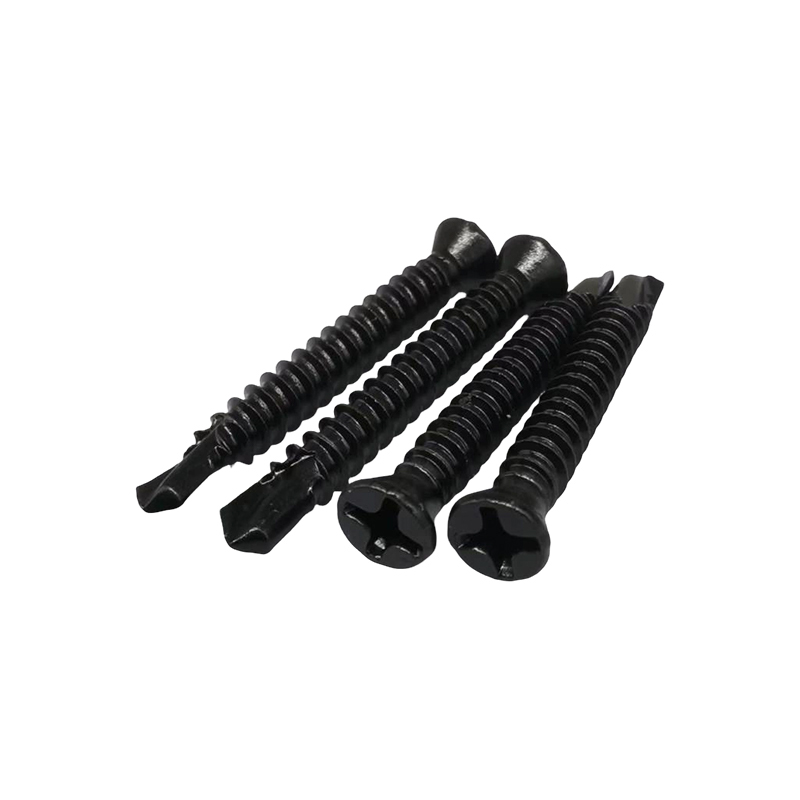
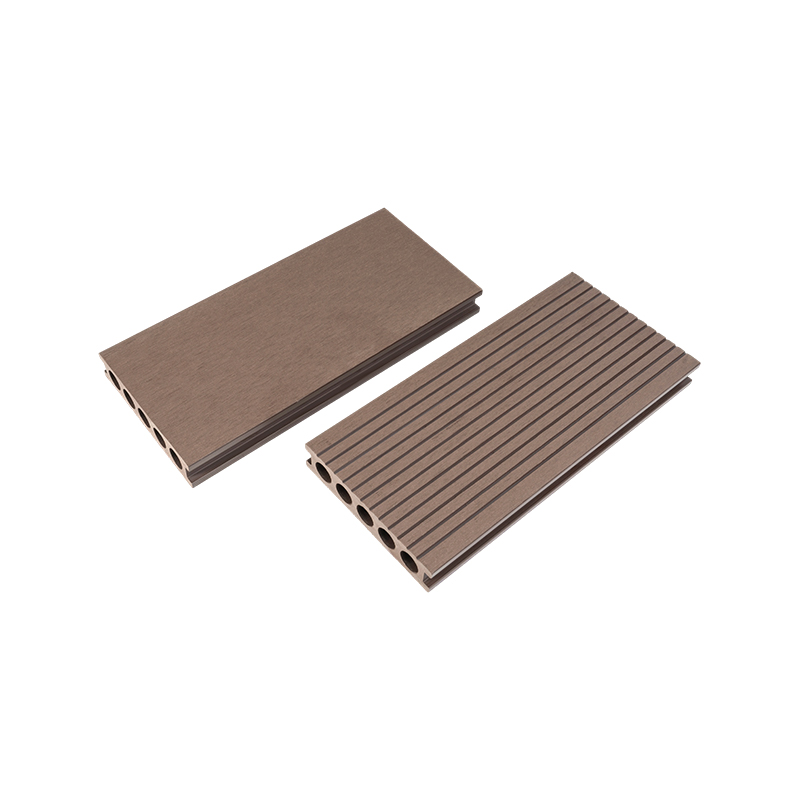
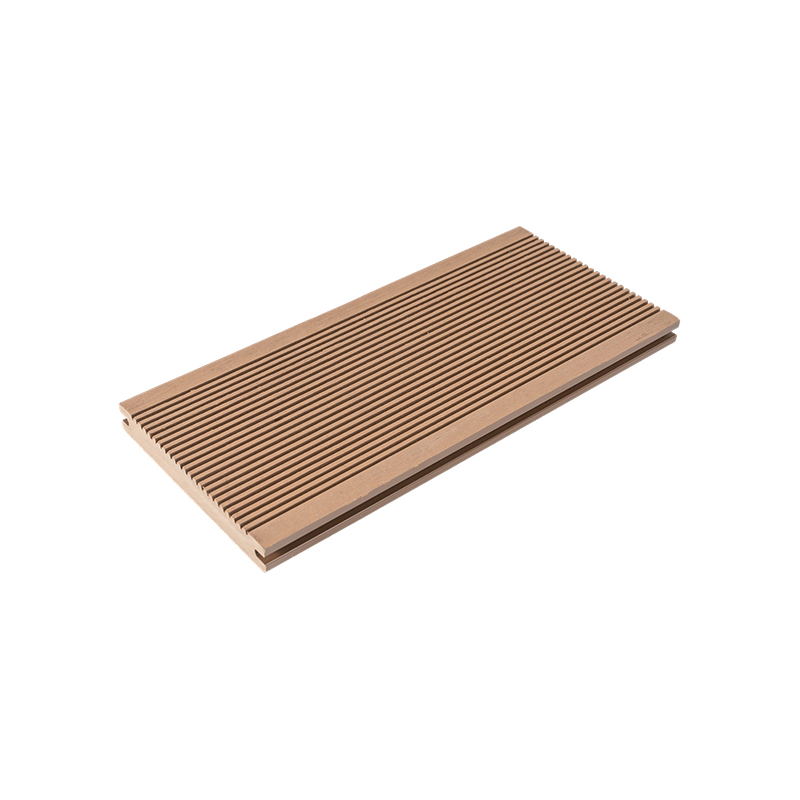
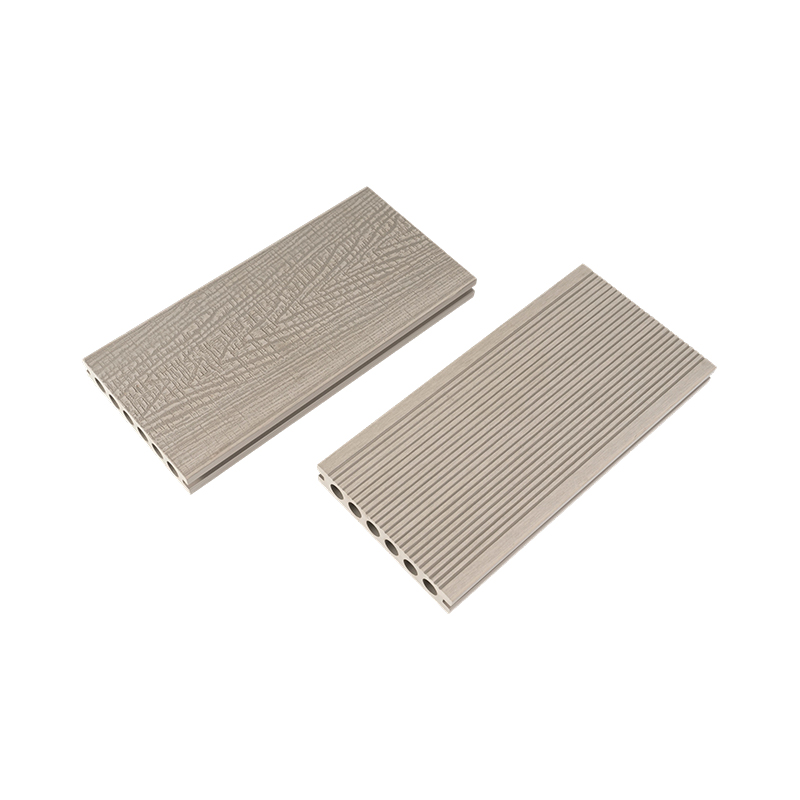
A screw is a threaded fastener that converts rotational force (torque) into linear clamping force. As the screw is driven into a substrate, its helical thread cuts or engages with the surrounding material, pulling the screw shank deeper and compressing the joined materials together. This thread-to-material engagement is what gives screws their superior holding power compared to nails or staples, which rely solely on friction.
In decking and structural construction, screws are used not only to fasten deck boards to joists but also to secure framing members, fix clips and brackets to subframes, and attach side trims and fascia covers. The versatility of the screw thread means a single fastener type can serve multiple connection roles across a project — provided the correct material, diameter, length, and thread type are selected for each specific application.
Key Components of a Screw
- Head: The driven end that accepts the tool (flat, pan, countersunk, wafer, or hex). The head profile determines how flush the screw sits with the surface.
- Shank: The cylindrical body below the head. May be partially or fully threaded depending on the application.
- Thread: The helical ridge that cuts into or engages with the substrate. Thread pitch (coarse vs. fine) and form vary by screw type and intended material.
- Point: The tip profile — sharp for self-tapping, blunt for machine screws, drill-tipped for metal. Point geometry determines whether pre-drilling is required.
Iron Screws vs. Stainless Steel Screws: Material Comparison
The two most widely used screw materials in construction and outdoor decking applications are iron (carbon steel) and stainless steel. Each has distinct mechanical and environmental performance characteristics that make it appropriate for specific contexts.
Iron (Carbon Steel) Screws
Iron screws are manufactured from low- to medium-carbon steel and are the most economical option available. Their tensile strength can be significantly enhanced through heat treatment processes such as case hardening or through-hardening, producing screws capable of high torque resistance during driving and strong shear resistance in service. However, untreated carbon steel corrodes rapidly when exposed to moisture — surface rust can appear within weeks in outdoor or humid conditions. For this reason, iron screws used outdoors are typically electroplated with zinc (galvanised) to provide a basic corrosion barrier, though this coating degrades over time, particularly in coastal or chemically active environments.
Stainless Steel Screws
Stainless steel screws derive their corrosion resistance from a chromium oxide passive layer that forms on the surface and continuously self-repairs when damaged. Grade 304 stainless steel (containing 18% chromium and 8% nickel) is the standard specification for most outdoor decking and construction applications. Grade 316 stainless steel adds molybdenum to the alloy, providing superior resistance to chloride-induced corrosion — making it the correct choice for coastal locations, poolside installations, and any environment where salt spray or chlorinated water contact is possible. The trade-off is cost: stainless steel screws typically cost three to five times more per unit than equivalent zinc-plated iron screws.
Comparison of iron and stainless steel screws across key performance criteria
| Criteria |
Iron (Carbon Steel) |
Stainless Steel (304) |
Stainless Steel (316) |
| Tensile strength |
High (heat-treated) |
Medium–High |
Medium–High |
| Corrosion resistance |
Poor (zinc coating degrades) |
Excellent |
Superior (marine-grade) |
| Salt/chloride resistance |
Very poor |
Moderate |
Excellent |
| Relative cost |
Low |
Medium–High |
High |
| Best application |
Indoor / sheltered subframes |
Standard outdoor decking |
Coastal / poolside / marine |
Types of Screws and Their Specific Applications
Screw geometry and thread design are engineered for specific substrate types and connection requirements. Using the wrong screw type in a given application is one of the most common causes of fastener failure and structural loosening over time.
Self-Tapping Screws
Self-tapping screws cut their own thread as they are driven into the substrate, eliminating the need for pre-tapping in most applications. They are the most widely used screw type in composite decking installations, particularly for fixing clips to aluminium or steel joists and for attaching fascia trims. Thread-forming variants displace rather than cut material, creating a tighter thread engagement — particularly valuable in thin-gauge metal subframes of 1.2–3.0 mm thickness.
Wood Screws
Wood screws feature a coarse thread with a sharp point and a smooth upper shank. The coarse thread bites deeply into timber fibres for strong withdrawal resistance, while the smooth shank allows the upper material to be drawn tight against the lower one without the thread binding. For treated timber joists and decking subframes, hot-dip galvanised or stainless steel wood screws of 4.0–5.0 mm diameter are the standard specification.
Machine Screws
Machine screws have a uniform thread that engages with a pre-cut or pre-formed nut or threaded insert rather than cutting into the substrate itself. They are used in precision connections where load needs to be distributed across a nut and washer bearing area, or where connections must be periodically disassembled and reassembled. In outdoor construction, machine screws are commonly used to connect adjustable pedestal components, aluminium framing systems, and structural brackets.
Expansion (Anchor) Screws
Expansion screws work in conjunction with an anchor sleeve inserted into a pre-drilled hole in concrete or masonry. As the screw is tightened, the sleeve expands against the hole wall, creating a friction-based mechanical grip. They are the standard fastener for anchoring deck posts, ledger boards, and base plates directly to concrete slabs or walls. Pull-out resistance values for correctly installed expansion anchors in standard concrete typically range from 3 kN to over 15 kN depending on anchor diameter and embedment depth.
Composite Decking Face Screws
A specialist category designed specifically for face-fixing composite and WPC deck boards. These screws feature a self-countersinking head with serrated cutting flanges that shave a clean, flush recess in the composite surface as the screw is driven, preventing the board surface from mushrooming around the head. This detail is critical in composite decking because standard countersunk screws compress rather than cut the material, raising a visible ridge around each fixing point.
Screw type selection guide by substrate and application
| Screw Type |
Substrate |
Typical Size Range |
Common Application |
| Self-tapping |
Steel / aluminium |
3.5–5.5 mm × 16–50 mm |
Clips to metal joist, fascia trim |
| Wood screw |
Timber |
4.0–5.0 mm × 40–100 mm |
Timber joist assembly, ledger fixing |
| Machine screw |
Threaded insert / nut |
M5–M12 |
Pedestal systems, bracket connections |
| Expansion screw |
Concrete / masonry |
M8–M16 × 60–150 mm |
Post bases, ledger boards to slab |
| Composite face screw |
WPC / composite board |
4.2–4.8 mm × 38–50 mm |
Face-fixing solid composite boards |
Using Screws with Clips: Best Practices for Subframe Assembly
In composite decking systems, screws and clips work in combination. The clip provides the board-to-joist connection and sets board spacing, while the screw anchors the clip itself to the joist and locks the assembly in place. Getting the screw specification right for this clip-fixing role is just as important as selecting the correct clip type.
Screw Length for Clip Fixing
The screw must pass through the clip's fixing tab and penetrate the joist sufficiently to develop full holding strength. For timber joists, a minimum embedment of 25–30 mm into the joist is recommended. For aluminium joists of 2–3 mm wall thickness, a screw of 25–30 mm total length is typically sufficient when using a thread-forming self-tapping type that engages both walls of a hollow section.
Driving Depth and Torque Control
Over-driving is one of the most common installation errors when fixing clips. The screw should be driven until the clip tab sits flush against the joist face — not recessed below it. A depth-setting collar on the screw gun, set to the appropriate depth for the clip and joist combination, is the most reliable way to achieve consistent results across a large deck installation. Over-driven screws deform the clip tab and cause the board groove to ride up, creating an uneven surface.
Matching Screw Material to Joist Material
When screws of one metal are driven into a joist of a different metal, galvanic corrosion can occur at the contact point, accelerating metal loss in the less noble of the two materials. The most common problematic pairing is zinc-plated steel screws driven into aluminium joists — the zinc coating degrades rapidly, leaving bare steel in direct contact with aluminium in a wet environment. To avoid this, always specify stainless steel screws when fixing to aluminium subframes.
Selecting the Right Screw: A Practical Decision Guide
With dozens of screw specifications available, narrowing down the correct choice for a given application requires a structured approach. The following criteria should be evaluated in order.
- Substrate type: Determine whether you are fixing into timber, steel, aluminium, composite, or concrete. This determines the thread form and point type required.
- Environment: For any outdoor, coastal, poolside, or humid application, specify stainless steel as a minimum. Grade 316 is non-negotiable within 1 km of the coastline or in pool environments.
- Load requirement: For structural connections carrying significant loads, verify that the screw's shear and tensile capacity is rated for the design load. Manufacturer load tables provide this data per diameter and embedment depth.
- Pre-drilling: Assess whether pre-drilling is required to prevent substrate splitting or to guide the screw accurately. Timber within 3× the screw diameter from a board edge should always be pre-drilled to prevent splitting.
- Head profile: For surface-visible fixings, a countersunk or self-countersinking head is preferred. For concealed fixings such as clip tabs, a pan or wafer head distributes load more evenly across the clip surface.
- Budget: For large-volume interior or sheltered subframe applications where corrosion risk is low, heat-treated zinc-plated iron screws offer substantial cost savings without compromising performance. Reserve stainless steel for exposed or corrosive-environment fixings.
Common Screw Failures and How to Prevent Them
Understanding why screws fail in outdoor construction helps specify the right fastener from the outset and avoid costly remedial work.
Corrosion-Induced Loosening
When a zinc-plated screw corrodes in service, the iron oxide (rust) that forms has a greater volume than the original steel. This expansion exerts outward pressure on the surrounding material, cracking composite boards from the inside around each screw hole and creating raised, discoloured rings on the deck surface. Prevention requires specifying the correct screw material for the environment before installation — there is no practical remedy once corrosion begins inside a fixed board.
Cam-Out and Drive Recess Damage
Cam-out occurs when the screwdriver bit slips out of the drive recess under torque, stripping the recess and leaving the screw impossible to drive further or extract. It is most common with Philips-head screws at high drive speeds. Using Torx (star) or square-drive head screws virtually eliminates cam-out because these geometries transfer torque without the cam-out tendency inherent in Philips profiles. Most quality composite decking screws now use Torx drive as standard.
Thread Pull-Out in Low-Density Substrates
In lower-density timber, WPC composite joists, or thin-wall aluminium sections, standard screws may not develop sufficient thread engagement to resist pull-out under load. The solution is either to increase screw length to improve embedment depth, increase screw diameter, or switch to a thread form with a higher helix angle — such as a double-lead thread — that engages more material per unit length.
Frequently Asked Questions About Screws in Decking and Construction
Can I use indoor screws for an outdoor deck subframe?
No. Indoor screws are typically zinc-electroplated to a thin coating that is not rated for prolonged outdoor exposure. In outdoor subframes, hot-dip galvanised or stainless steel screws must be used. Hot-dip galvanising applies a far thicker zinc layer than electroplating and provides meaningfully better corrosion protection in exposed timber subframes.
How many screws are typically needed per square meter of decking?
For face-screwed solid composite boards at 400 mm joist spacing, expect approximately 8–12 face screws per square meter (two per board per joist crossing, depending on board width). For clip-fastened grooved boards, subframe screws total approximately 20–25 per square meter when fixing clips plus perimeter and starter-row face fixing. Always add 10–15% to the calculated quantity for wastage and future repairs.
Should I pre-drill composite deck boards before face screwing?
For solid composite boards, pre-drilling is recommended when screws are placed within 50 mm of the board end to prevent end-splitting. Mid-board fixings with self-countersinking composite screws generally do not require pre-drilling in standard-density WPC material. Always follow the board manufacturer's installation guidance, as capped composite products with a hard outer shell may require pilot holes throughout to prevent surface delamination.
What is the difference between a self-tapping and a self-drilling screw?
A self-tapping screw requires a pre-drilled pilot hole of the correct diameter before it can cut its thread. A self-drilling screw (sometimes called a TEK screw) has a drill-bit tip that simultaneously drills the pilot hole and forms the thread in a single operation — no pre-drilling required. Self-drilling screws are preferred for fixing clips and brackets to steel or aluminium joists up to approximately 4 mm thick because they eliminate a separate drilling step and reduce installation time significantly.
Will stainless steel screws cause staining on light-colored composite boards?
High-quality Grade 304 and 316 stainless steel screws do not rust and will not cause the brown tannin-like staining associated with corroding iron screws. However, lower-grade screws marketed as "stainless" may contain insufficient chromium content and can still oxidise in aggressive outdoor conditions. Always verify that screws meet AISI 304 or 316 composition standards when sourcing for quality-critical installations.

 English
 Français
 Español
 Deutsch