English
 Français
 Español
 Deutsch
The failure usually appears three months after handover. The wall looks flat from across the room, but angle a work light across it and the WPC PVC panels wave, creak, or open at the joints. In most cases the panel itse...
READ MORE

The failure usually appears three months after handover. The wall looks flat from across the room, but angle a work light across it and the WPC PVC panels wave, creak, or open at the joints. In most cases the panel itse...
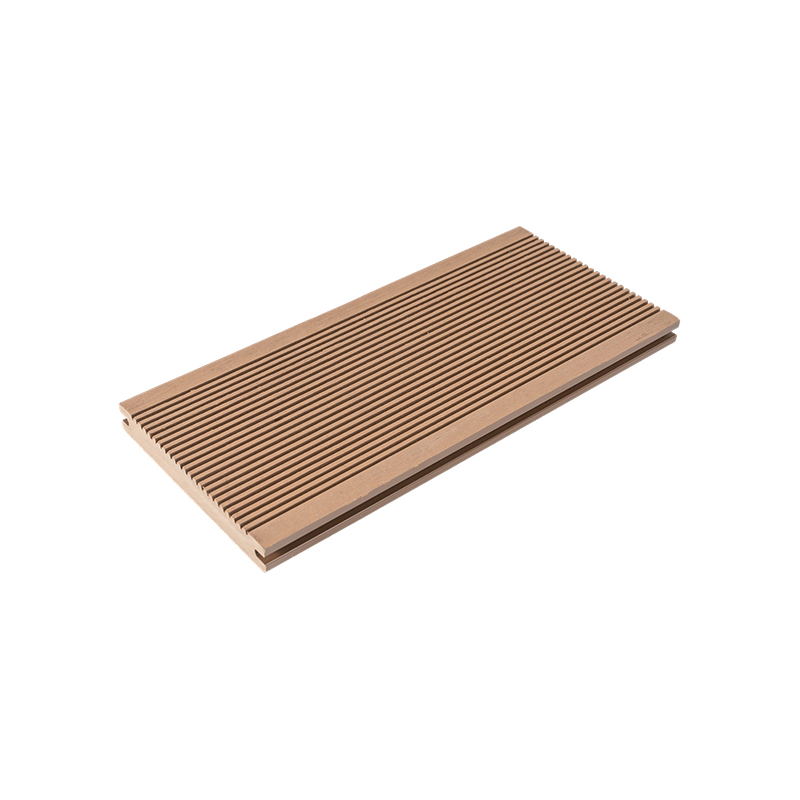
READ MOREMost composite deck problems show up as a symptom in the boards and start as a mistake in the frame. A deck that rattles underfoot usually has joists spaced too far apart. Boards that ripple in midsummer were butted tig...
READ MOREA deck sitting 30 in above grade is a comfortable set of stairs waiting to happen. A deck at 40 in is where most first attempts go wrong, usually because the builder measured to the framing instead of the finished surfa...
READ MOREIf you are building or repairing a porch, railing height is not just a style choice. It affects safety, inspection results, and how the porch feels in daily use. For most residential porches, the top of the guardrail sh...
READ MORE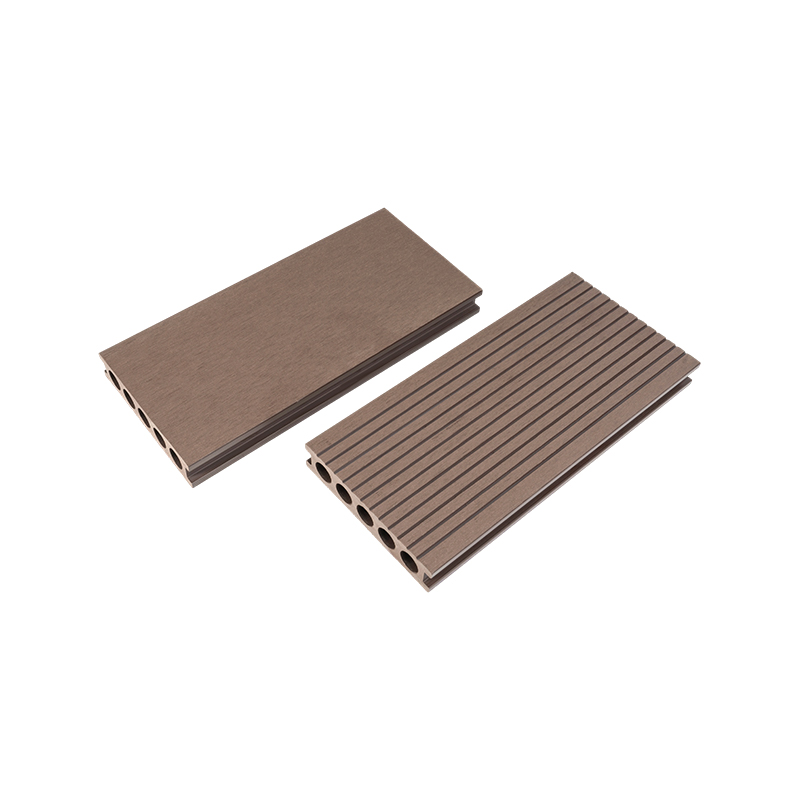

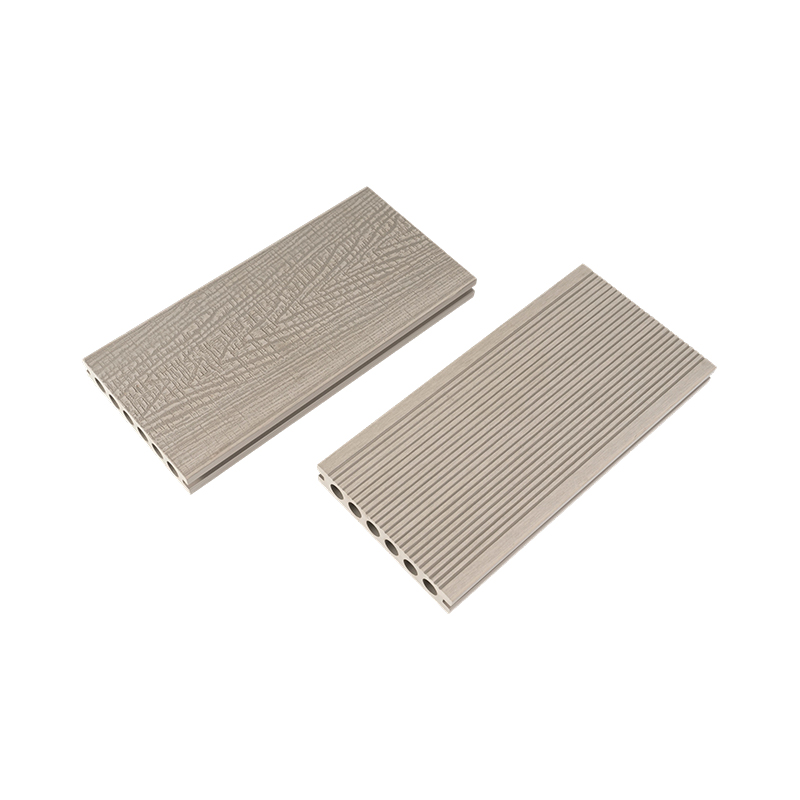
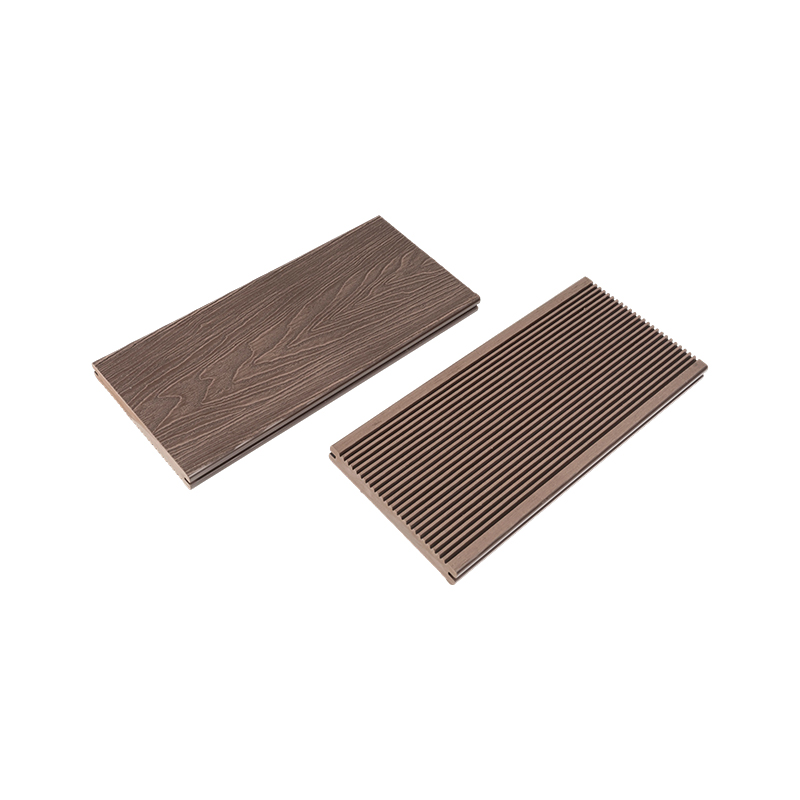
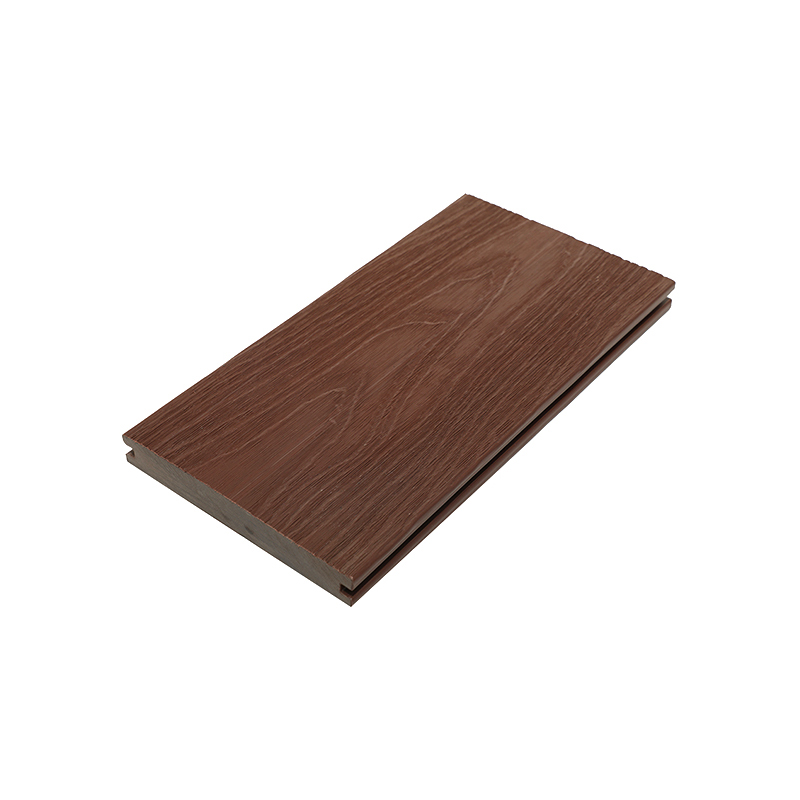
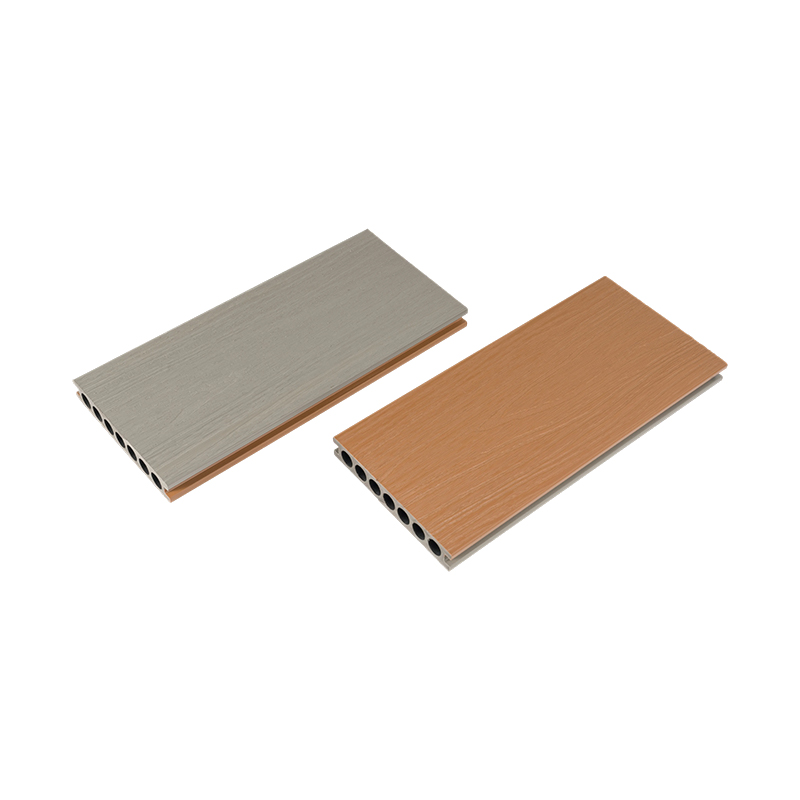
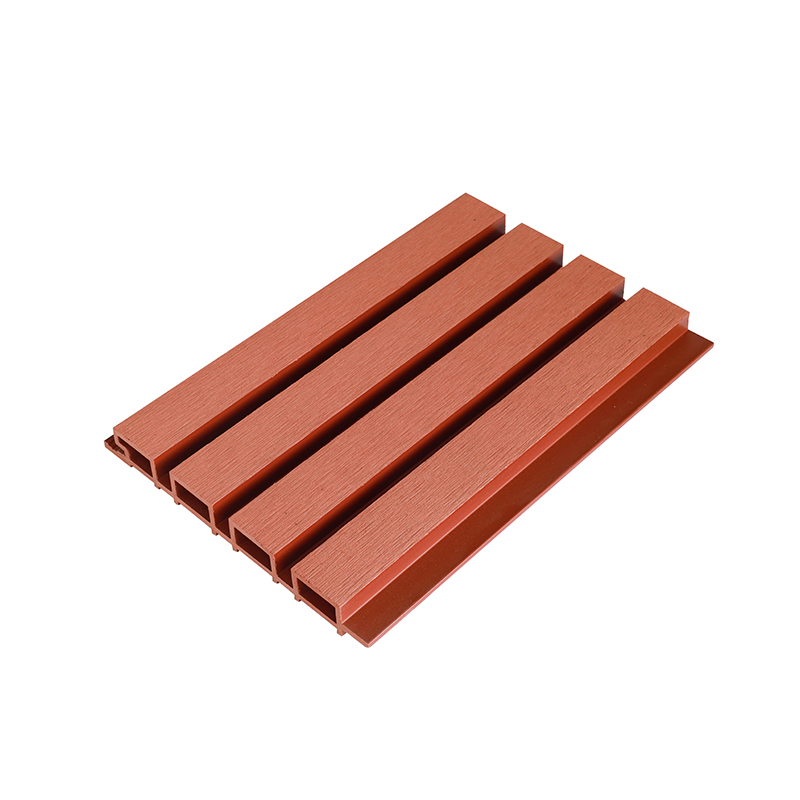
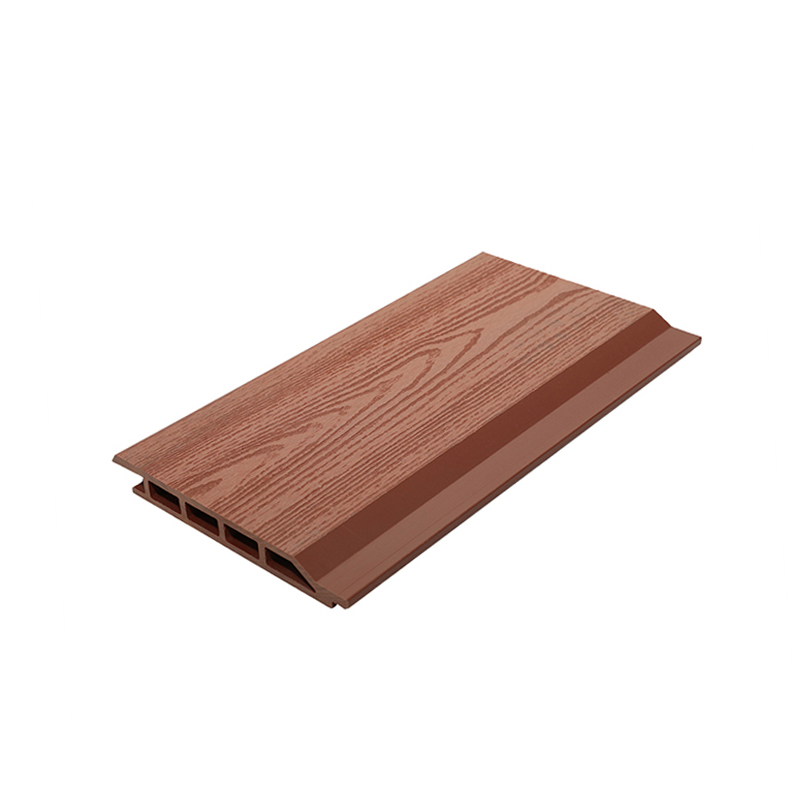
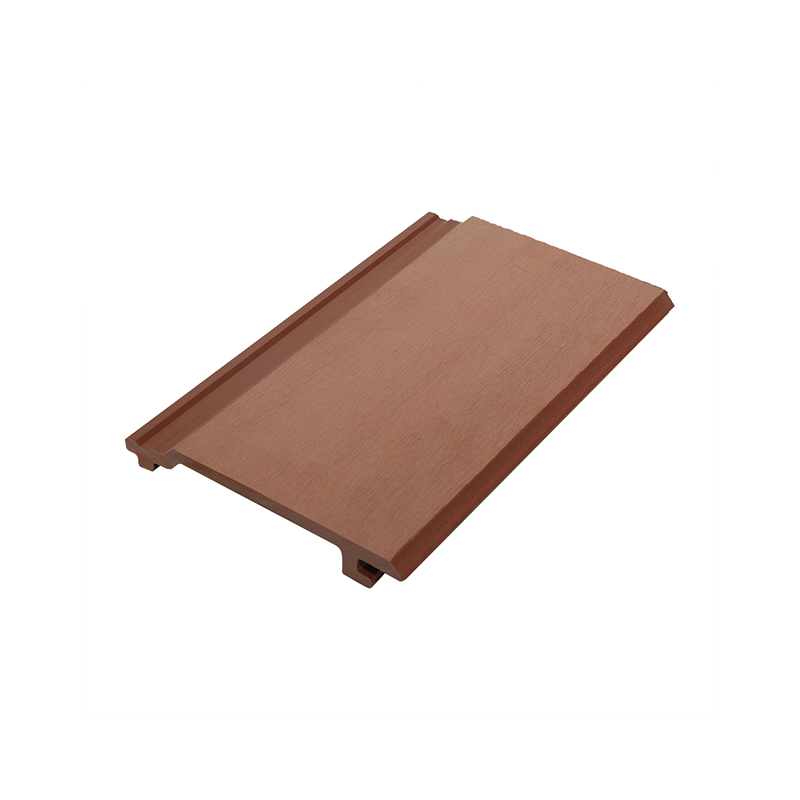
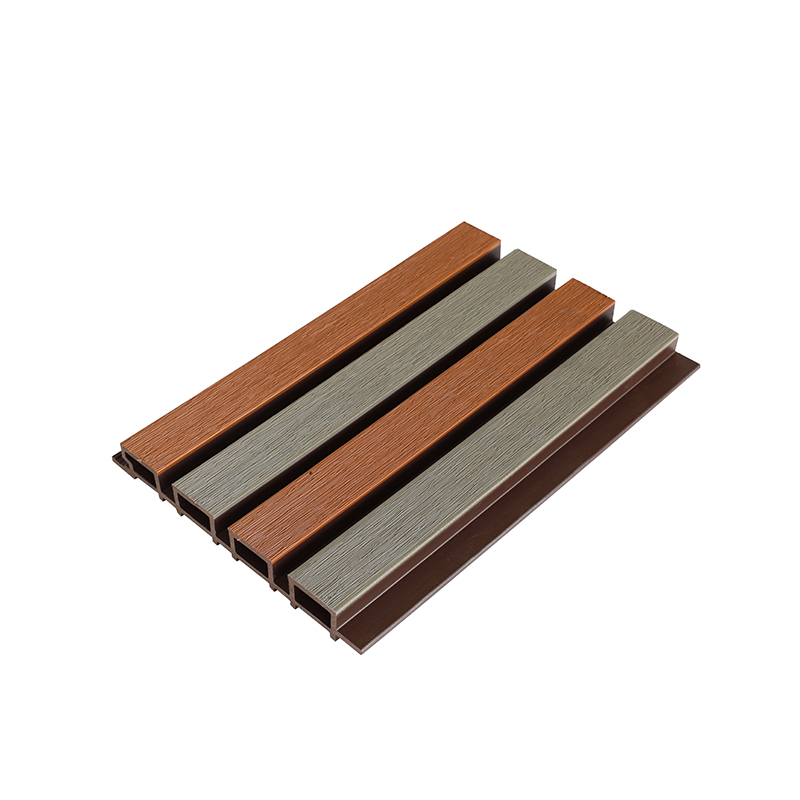
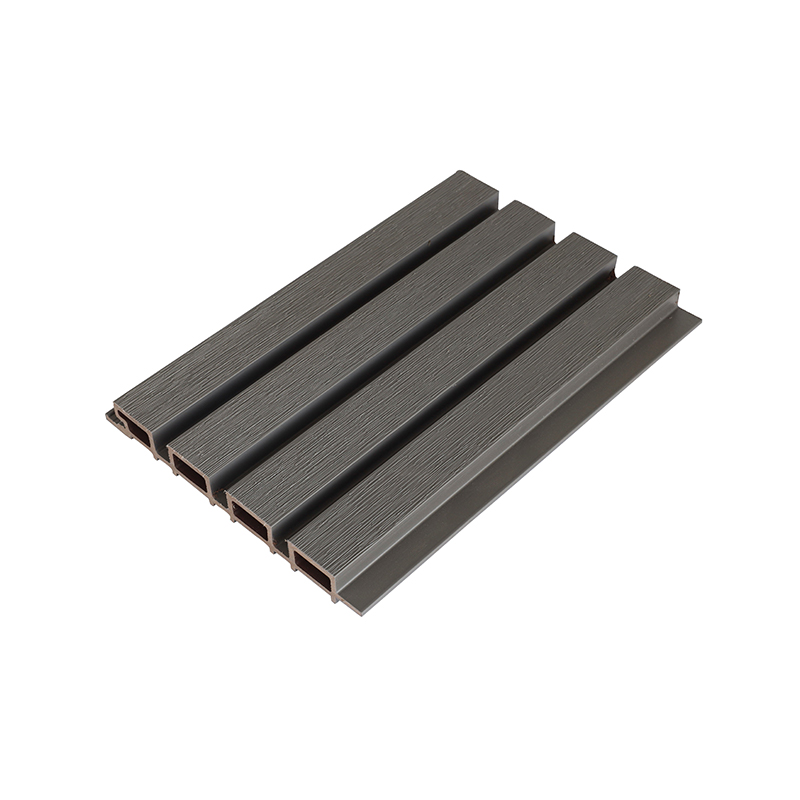
Composite siding cladding is an engineered wall covering material that combines reclaimed wood fibre with recycled thermoplastic polymers to produce exterior and interior cladding boards that replicate the natural warmth and texture of timber while delivering significantly superior durability, weather resistance, and minimal maintenance requirements. It is used across residential and commercial buildings for exterior façade cladding, interior feature walls, balcony screens, garden fencing panels, and commercial signage surrounds.
Unlike natural timber cladding — which requires annual or biennial painting, staining, or oiling and is vulnerable to rot, warping, and insect attack — composite siding cladding is maintenance-free from a treatment perspective, dimensionally stable under moisture cycling, and engineered to retain its appearance for 20 to 30 years depending on product tier. It is available in a wide range of colours, surface textures, and profiles to match contemporary and traditional architectural styles on both residential and commercial projects.
A typical composite cladding board consists of 50–70% reclaimed wood fibre — sourced from sawmill offcuts, wood manufacturing waste, and agricultural fibre — combined with 30–50% recycled thermoplastic polymer, typically polyethylene (PE) or polypropylene (PP). UV stabilisers, colorants, fungicide additives, and processing agents are blended into the mixture during manufacturing. No chemical adhesives are used in the production process, and quality products meet the E0 formaldehyde emission standard, making them safe for both interior and exterior use without off-gassing concerns.
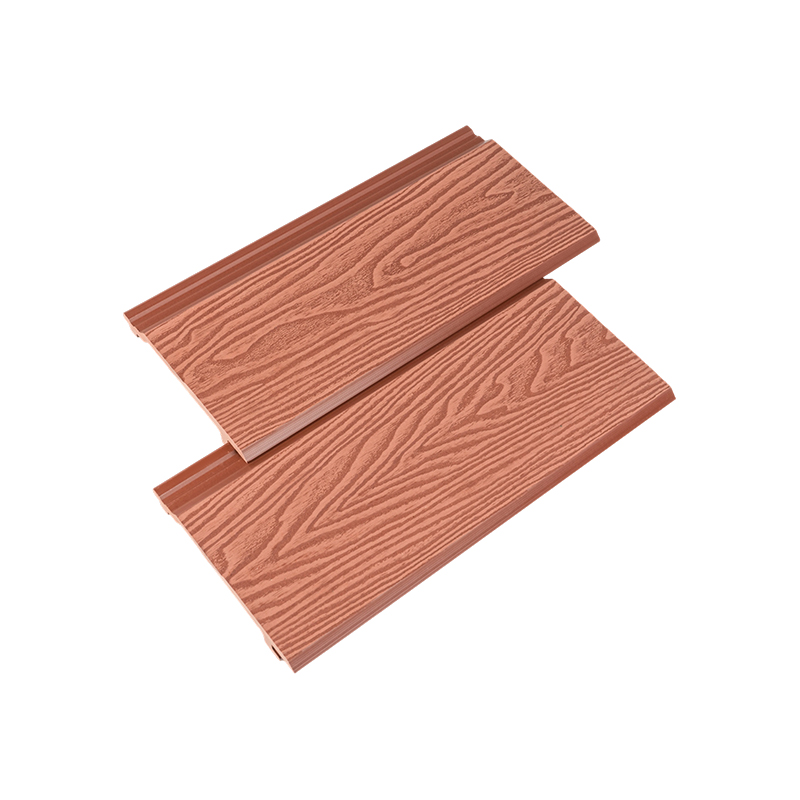
The blended material is heated and forced through a precision-shaped extrusion die that defines the cladding board's profile, width, and surface texture. The continuous extruded board is then cooled under controlled conditions and cut to finished lengths. Because colour pigment is distributed throughout the entire board material during mixing, the colour is consistent from surface to core — minor surface marks do not expose a different-coloured substrate beneath. Surface embossing replicates natural wood grain patterns at varying depths depending on the product type.
Composite siding cladding is produced in three distinct product types, representing different levels of manufacturing technology and performance specification:
Composite siding cladding replicates the natural wood grain character, warmth, and colour variation of timber cladding without requiring the management overhead that real wood demands. Available in a wide range of wood-inspired tones — from light ash and honey oak through to deep charcoal and ebony — composite cladding suits contemporary minimalist façades, traditional residential exteriors, and heritage-sympathetic commercial buildings. The surface grain is consistent across all boards in a production batch, eliminating the colour and texture sorting that natural timber requires for a uniform finished wall appearance.
Composite cladding does not rot, warp, split, or suffer insect attack — the three most common failure modes of natural timber wall cladding in outdoor environments. The polymer matrix encasing the wood fibre denies moisture the continuous pathway through wood cell walls that fungal decay requires. The plastic content provides no nutritional value for wood-boring insects. And the composite material's response to moisture cycling — swelling and contraction with changing humidity — is dramatically reduced compared to solid timber, preventing the warping, cupping, and splitting that make natural cladding boards visually and structurally problematic over time.
Natural timber cladding requires repainting or restaining every 2 to 4 years to maintain weather protection and appearance. On a typical residential façade, this represents a significant recurring expenditure in either professional labour or personal time. Composite cladding requires no painting, oiling, staining, or protective treatment at any point during its service life. Maintenance consists solely of occasional washing with water and mild detergent to remove accumulated surface soiling and organic deposits. On a 100 m² façade over 20 years, this represents an estimated saving of $6,000–$15,000 in repainting costs alone compared with maintaining an equivalent painted timber façade.
Composite cladding is engineered for continuous outdoor exposure. UV stabilisers incorporated throughout the board material — and concentrated in the cap layer of co-extruded products — resist the photodegradation that causes timber and lower-quality composites to grey, fade, and become brittle over time. Premium co-extruded cladding maintains colour stability for 15 to 25 years, backed by explicit written fade warranties from leading manufacturers. The boards also resist the impact of rain, humidity, freeze-thaw cycles, and salt-air deposition that degrade natural materials in challenging climates.
One of the most practical advantages of composite over natural timber cladding is its dimensional stability. Natural timber cladding boards expand when wet and contract when dry — a repeated cycle that causes boards to warp, twist, and cup over time, creating gaps in the cladding coverage and an uneven, deteriorating wall appearance. Composite boards exhibit dramatically reduced moisture-related dimensional movement, retaining their straight, flat profile throughout their service life when installed with appropriate fixings and expansion gaps.
Composite siding cladding is manufactured from recycled materials — typically 50–70% reclaimed wood fibre and 30–50% recycled plastic — diverting both organic waste and post-consumer plastic from landfill while reducing demand for virgin timber. The long service life further reduces the lifetime environmental impact compared with natural cladding that requires replacement every 15–20 years: one composite cladding installation lasting 25 years replaces one or two natural timber installations over the same period, with the associated manufacturing, transport, and disposal impacts.
Composite cladding is available in a broad palette of colours and surface textures — from subtly grained natural wood tones to bold contemporary finishes — and in multiple board profile widths. Boards can be installed horizontally or vertically to suit the architectural intention. Multiple board widths within the same colour range allow designers to create visual rhythm and scale variation across large façade areas. This design flexibility makes composite cladding equally applicable to contemporary new-build residential projects, commercial developments, heritage renovation works, and feature interior walls.
| Criterion | Composite Cladding | Natural Timber | Fibre Cement | uPVC |
|---|---|---|---|---|
| Service life | 20–30 years | 15–25 years (if maintained) | 25–40 years | 20–30 years |
| Maintenance required | Wash only | Repaint / restain every 2–4 years | Repaint every 5–10 years | Wash only |
| Rot resistance | Excellent | Poor–moderate | Excellent | Excellent |
| Natural timber appearance | Very good | Excellent | Moderate (painted finish) | Poor |
| Dimensional stability | Excellent | Poor (warps, cups) | Good | Moderate (thermal movement) |
| Insect resistance | Excellent | Poor–moderate | Excellent | Excellent |
| Eco credentials | Good (recycled content) | Good (if certified) | Moderate | Poor (virgin PVC) |
| Installation weight | Light–medium | Light–medium | Heavy | Light |
Composite cladding boards are fixed to a batten frame mounted to the building's wall structure — either timber battens (minimum 25 mm × 50 mm) or aluminium battens. The batten frame serves two purposes: it provides the fixing substrate for the cladding boards, and it creates a ventilated cavity between the cladding and the wall substrate that allows moisture vapour to escape, preventing condensation buildup behind the cladding. A ventilated cavity of at least 25 mm is recommended behind all composite cladding systems. Aluminium battens are the preferred subframe material for coastal and high-moisture environments, as they will not corrode or decay at the batten-fixing interface.
Composite cladding boards can be installed in either horizontal or vertical orientation depending on architectural requirements:
Composite cladding systems use one of two primary fixing methods:
A 5–8 mm expansion gap must be maintained at all board termini — where boards meet corner trims, window reveals, and other fixed elements — to accommodate thermal expansion. Every cut board end must be sealed immediately with manufacturer-approved end-grain sealant to prevent moisture ingress into the wood fibre core. These two steps are mandatory for warranty compliance and long-term board performance.
Because quality composite cladding meets the E0 formaldehyde emission standard and contains no chemical adhesives, it is safe for interior use and is increasingly specified as an interior feature wall material. Interior applications include:
For interior applications, the ventilated batten cavity is not required — boards can be fixed directly to a flat wall substrate using face fixings or adhesive clip systems appropriate for interior use.
Quality composite cladding has a realistic service life of 20 to 30 years, with leading manufacturers offering product warranties of 15 to 25 years depending on product tier. Standard WPC cladding typically warrants 10–15 years; 3D embossed cladding 15–20 years; and premium co-extruded cladding 20–25 years. The key variables affecting lifespan are product tier (capped vs uncapped), climate and exposure, installation correctness, and maintenance consistency.
No — composite cladding never needs to be painted, stained, oiled, or treated at any point during its service life. Colour is integral to the board material and protected by UV stabilisers built into the composition during manufacturing. Applying paint to composite cladding is not recommended — it does not adhere effectively to the polymer surface and will peel, producing a worse visual result than the original board.
Composite cladding is appropriate for most residential and commercial building types. It is used on detached and semi-detached houses, apartment buildings, retail units, office buildings, hospitality venues, and public facilities. For buildings in conservation areas or with listed building status, planning approval requirements should be checked before specification, as material restrictions may apply. For multi-storey commercial buildings, fire performance ratings of the specific composite cladding product must be verified against local building regulations before specification.
Routine cleaning requires water and mild household detergent applied with a soft brush or low-pressure hose, working along the board length. Annual or biannual washing removes surface soiling and organic deposits before they can build up and dull the board appearance. For surface mould or algae — common on shaded or north-facing walls — a dilute white vinegar solution or manufacturer-approved composite cleaner is effective. Never use bleach, solvent-based cleaners, or metal abrasive pads — these damage the board surface and typically void the product warranty. A pressure washer can be used at below 1,500 PSI (100 bar), always directed along the board length.
All outdoor materials experience some colour change from UV exposure over time. The rate and extent depends entirely on product quality. Budget uncapped WPC cladding can show noticeable fading within 2–4 years on south-facing elevations. Premium co-extruded cladding with concentrated UV stabiliser packages in the cap layer maintains colour stability for 15 to 25 years, backed by explicit written fade warranties. An initial weathering phase of 6–12 months after installation is normal — during which surface pigments settle — after which colour should remain essentially stable for the warranty period in a quality product.
Composite cladding contains wood fibre and thermoplastic polymer — both of which are combustible. It is not classified as a non-combustible material. Fire performance ratings vary by product formulation and should be assessed against local building regulation requirements for the specific building type and height. For buildings subject to enhanced fire performance requirements — particularly multi-storey residential and commercial buildings — always verify the specific product's fire classification (typically assessed under EN 13501 in Europe or equivalent local standards) before specification and installation.
For competent DIY installers with experience in timber cladding or decking, composite cladding installation is achievable on straightforward residential façades. The clip fixing system is systematic and the boards are workable with standard woodworking tools. However, for multi-storey buildings, complex façade geometries with multiple openings and reveals, or projects where warranty compliance is critical, professional installation is recommended. The most common installation errors — omitted expansion gaps, unsealed cut ends, and inadequate subframe ventilation — all arise from unfamiliarity with composite-specific requirements rather than general installation difficulty.
Both are WPC-based engineered products sharing the same core material composition and manufacturing technology, but they are designed for different applications and have different performance specifications. Decking is engineered for underfoot use with grooved slip-resistant profiles and structural load capacity. Cladding is engineered for wall applications with profiles designed for interlocking or clip-fixed wall installation, visual appearance optimisation from a viewing angle rather than a downward angle, and specific weather-shedding profiles. While the materials are similar, decking boards should not be substituted for cladding boards or vice versa — each is purpose-engineered for its application.