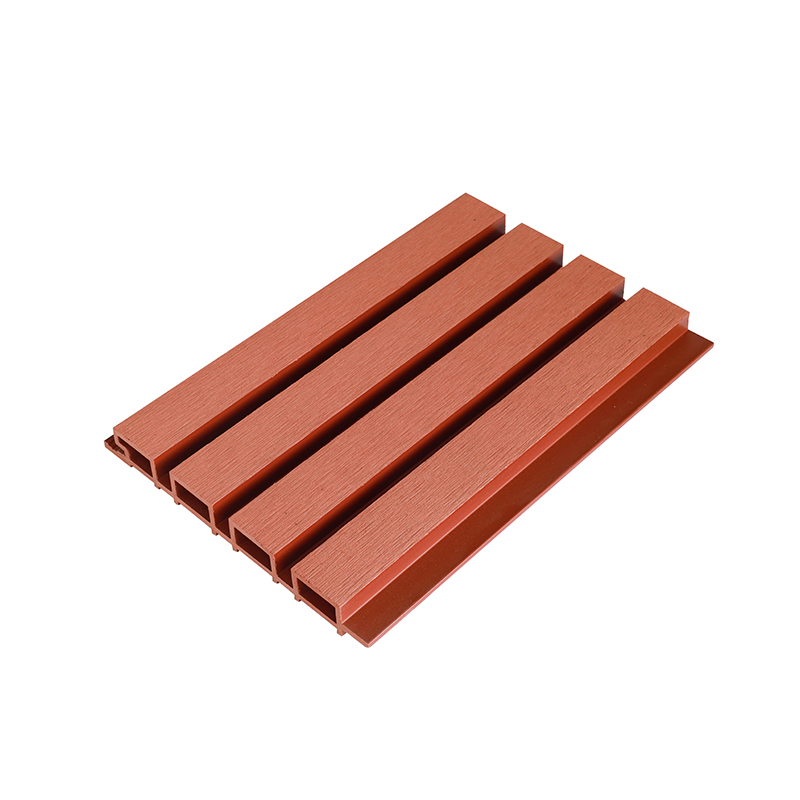
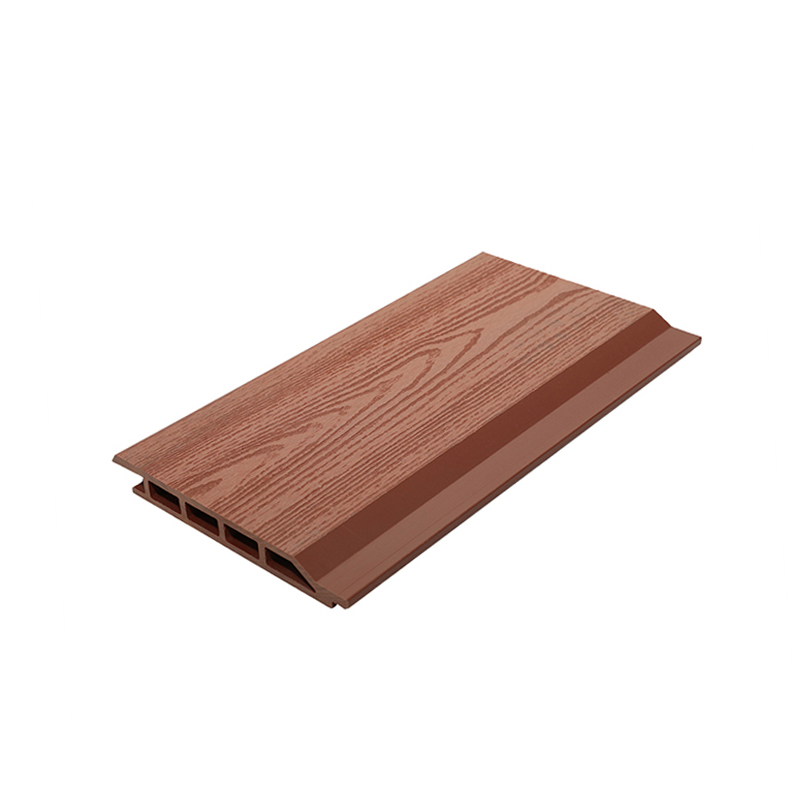
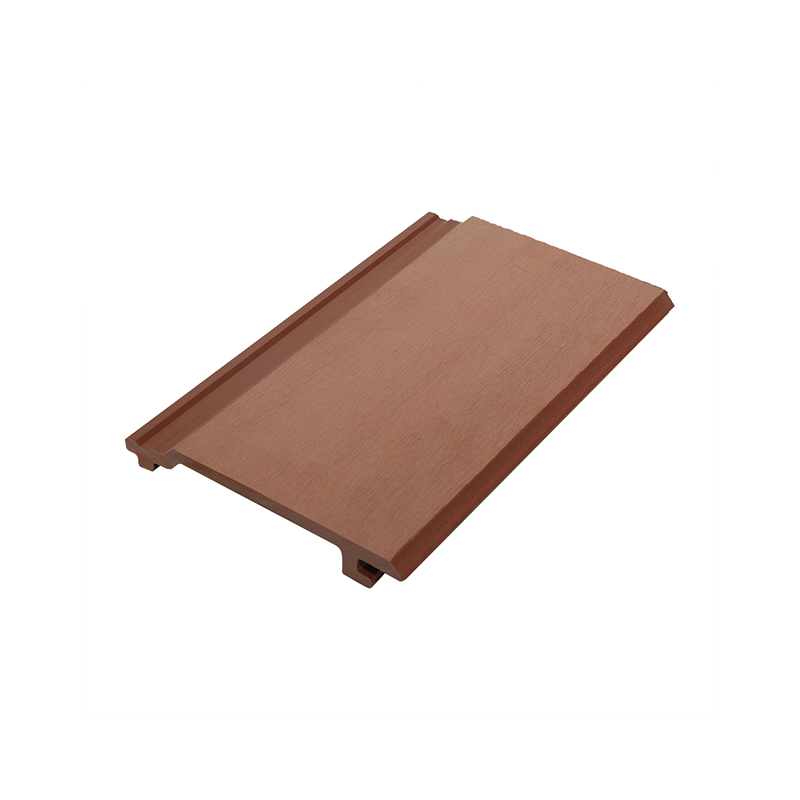
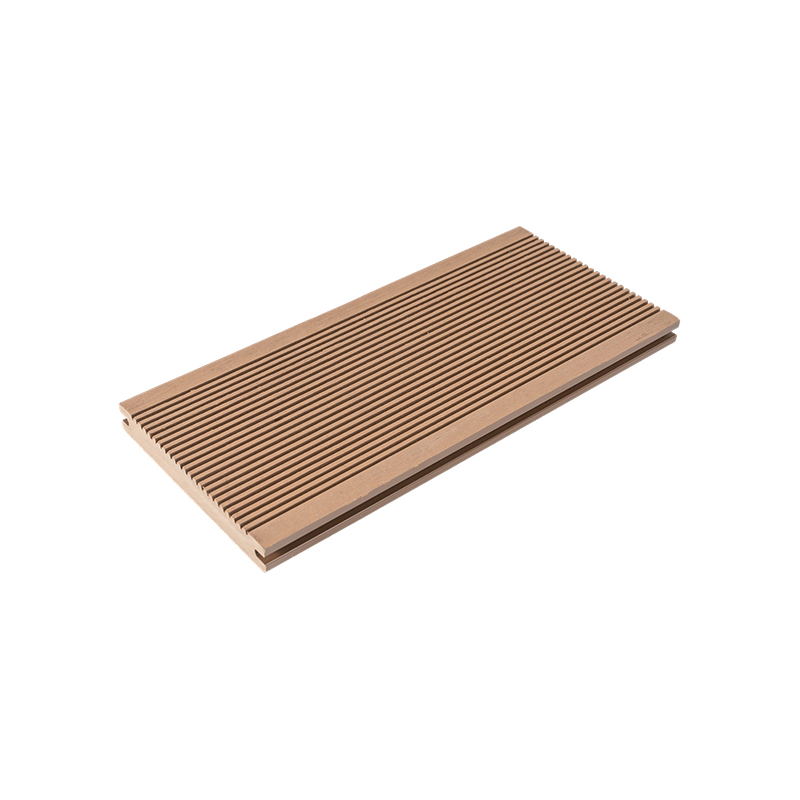
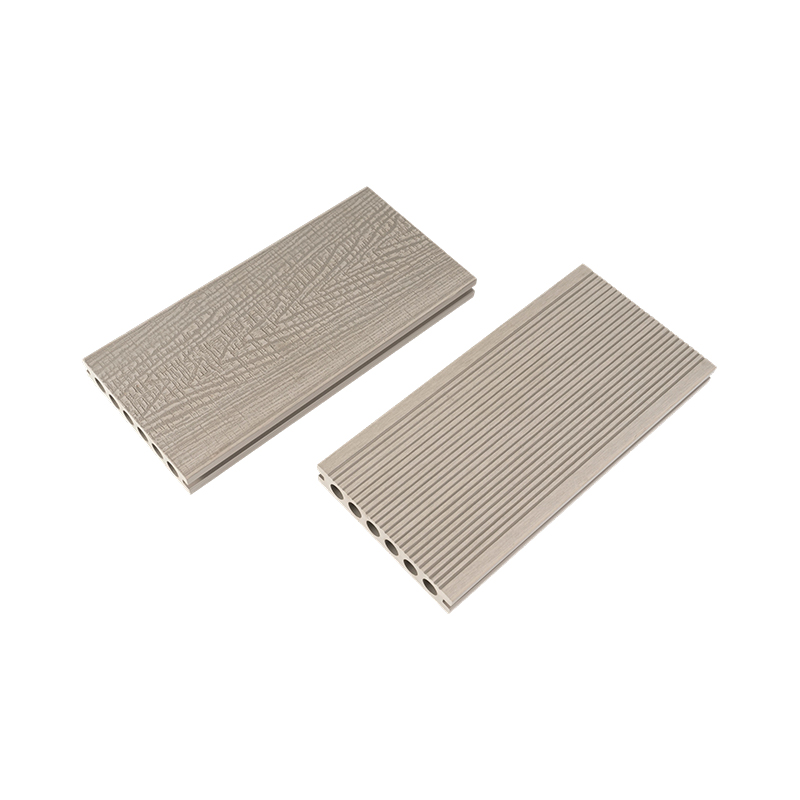
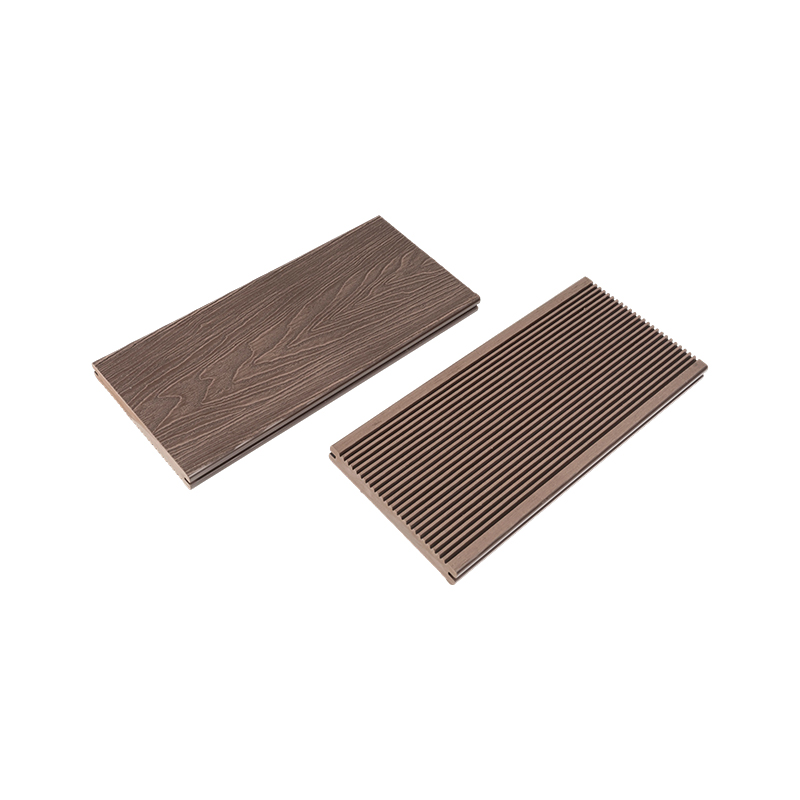
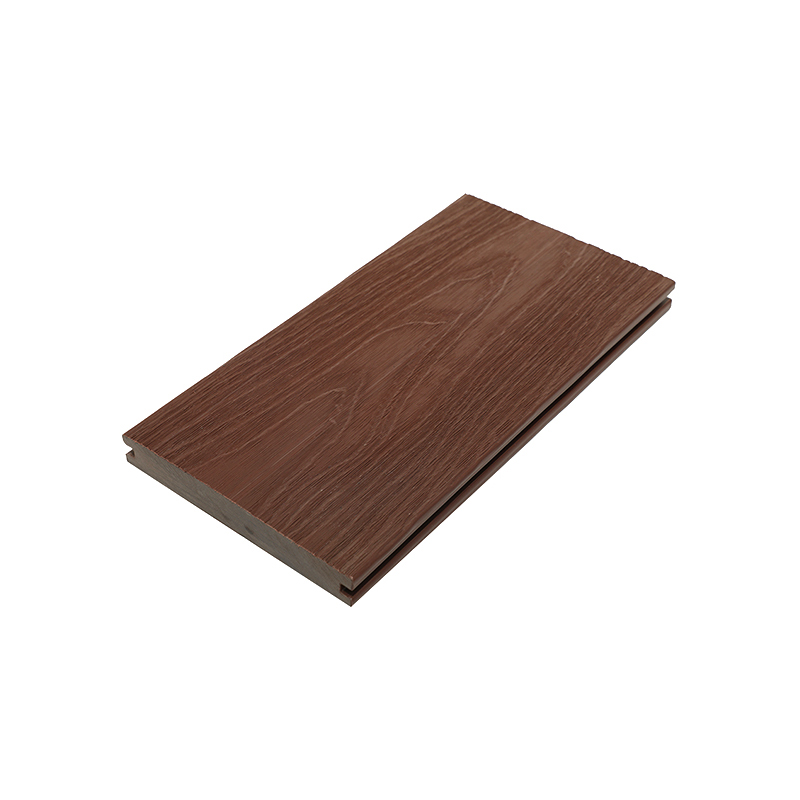
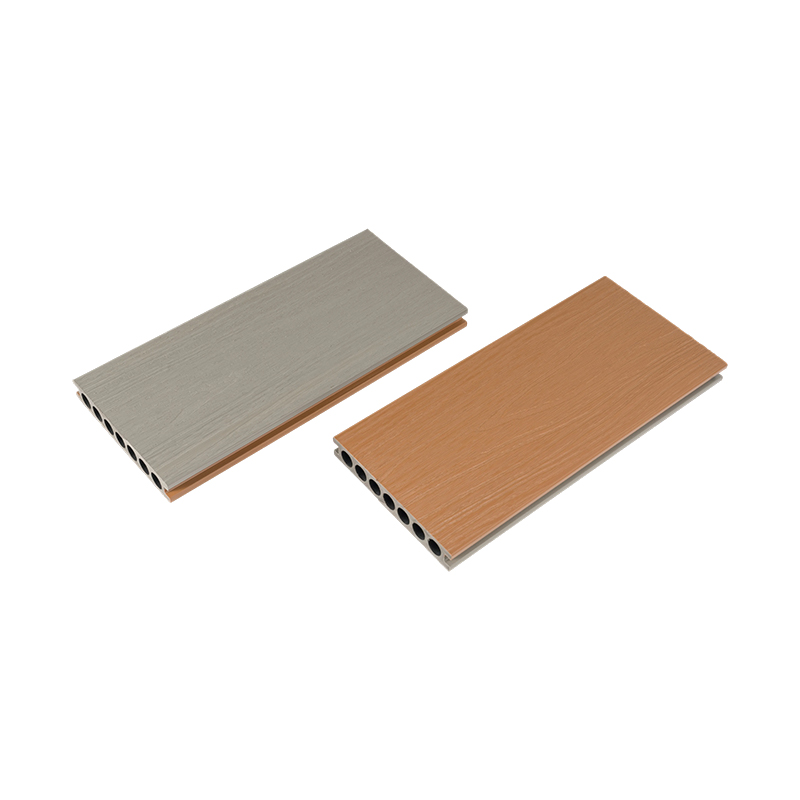
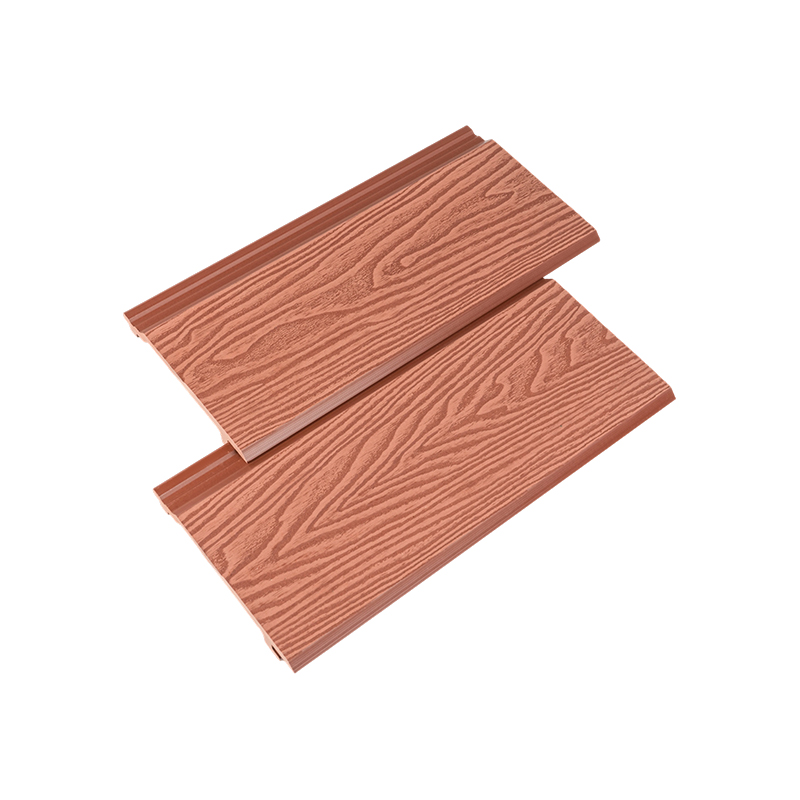
WPC wall cladding — Wood-Plastic Composite wall cladding — is an engineered wall surfacing material that combines reclaimed wood fibre with recycled thermoplastic polymers to produce boards and panels suitable for both interior and exterior wall applications. It delivers the natural warmth, texture, and visual character of real timber while completely eliminating the maintenance demands, dimensional instability, and biological vulnerability that make traditional wood cladding difficult and expensive to own over time.
WPC wall cladding is used across a wide range of residential and commercial applications — interior feature walls, ceilings, exterior building façades, balcony surrounds, and garden landscape walls. Its combination of environmentally responsible manufacturing, genuine durability, ease of cleaning, and natural aesthetic has made it one of the fastest-growing substitutes for traditional timber, tile, and painted wall finishes across domestic and international markets. As more specifiers and property owners compare the true lifetime cost of traditional materials against low-maintenance WPC alternatives, demand for WPC wall panels continues to increase year on year.
How WPC Wall Cladding Is Made
Material Composition
Every WPC wall cladding board is manufactured from a precisely formulated blend of two recycled material streams. Wood fibre — typically comprising 50–70% of the board by weight — is sourced from sawmill offcuts, wood manufacturing waste, and agricultural by-products. This is combined with 30–50% recycled thermoplastic polymer, most commonly polyethylene (PE) or polypropylene (PP), along with UV stabilisers, colorants, fungicide additives, and processing lubricants. No chemical adhesives are used in the manufacturing process. Quality WPC wall cladding products meet the E0 formaldehyde emission standard (less than 0.5 mg/L) — the strictest classification — making them entirely safe for both interior and exterior use without off-gassing concerns.
Extrusion Manufacturing
The blended material is heated and forced under pressure through a shaped extrusion die that defines the board's width, thickness, and surface profile. The extruded board is cooled under controlled conditions, cut to finished length, and surface-embossed with wood grain textures during the same production run. Because colour pigment is distributed throughout the entire board material during the mixing stage, the colour is consistent from the surface through to the board core — minor surface marks do not reveal a differently coloured substrate beneath, and colour consistency is maintained across every board in the production batch.
Board Profiles and Surface Options
WPC wall cladding is produced in a range of board profiles and surface textures to suit different architectural styles and applications:
- Tongue-and-groove boards: Interlock tightly along their length for a seamless, flush wall surface — the most common profile for both interior feature walls and exterior cladding where a clean, contemporary finish is required
- Shiplap and rebated profiles: Produce a traditional weatherboard appearance with a shadow line between boards, widely used on exterior residential and commercial façades seeking a classic timber aesthetic
- Wide-format panels: Larger panel widths that cover wall area more quickly and create a bolder, more graphic wall surface — preferred for commercial interior feature walls and statement façades
- Surface textures: Standard grain embossing for clean contemporary aesthetics; deep 3D embossed grain for maximum timber realism; or brushed finishes for a more refined, satin character
Key Advantages of WPC Wall Cladding
No Rot, Warping, Cracking, or Insect Damage
The four most common structural failure modes of natural timber wall cladding are rot, warping, cracking, and insect attack — and WPC wall cladding is engineered to eliminate all four. The thermoplastic polymer matrix surrounding the wood fibre creates a barrier that prevents the continuous moisture pathway through wood cell walls that fungal decay requires. Insect attack is prevented by the plastic content, which provides no nutritional substrate for wood-boring insects. Warping and cracking — caused by repeated moisture absorption and evaporation cycles in solid timber — are greatly reduced in WPC because the material's composite structure responds to moisture far less dramatically than solid wood. The result is a wall surface that retains its straight, flat profile throughout its service life without structural intervention.
Maintenance-Free: No Painting, Oiling, or Treatment Ever Required
Traditional timber wall cladding requires repainting or restaining every 2 to 4 years on exterior elevations — a recurring cost that accumulates significantly over the building's lifetime. WPC wall cladding requires no painting, staining, oiling, or protective treatment at any point. Maintenance consists solely of occasional washing with water and mild detergent. On a typical 80 m² residential exterior façade, the cumulative repainting saving over 20 years compared to painted timber cladding is estimated at $5,000–$12,000 in material and labour costs alone — before accounting for the personal time and inconvenience of access scaffolding and preparation work.
Easy to Clean and Highly Stain-Resistant
WPC wall cladding surfaces resist surface soiling significantly better than painted timber or raw wood. The composite surface does not absorb water-based stains the way that porous timber or painted surfaces do, and surface contamination — atmospheric pollution, bird droppings, algae, and dirt — releases readily under low-pressure washing. For interior applications, the easy-clean surface performs well in kitchens, bathrooms, and commercial environments where wall surfaces are subject to food splatter, humidity, and regular cleaning. No specialist cleaning products are needed — warm water and mild detergent handle the vast majority of cleaning requirements.
Environmentally Responsible: Recycled Content and E0 Certification
WPC wall cladding is manufactured from recycled and reclaimed materials — diverting industrial wood waste and post-consumer plastic from landfill while reducing demand for virgin timber harvesting. Quality products carry E0 formaldehyde certification and contain no chemical adhesives, making them appropriate for interior applications in sensitive environments including children's bedrooms, schools, and healthcare facilities. The long service life of WPC cladding — 15 to 25 years depending on product tier and exposure — further reduces the lifetime material throughput compared to traditional finishes requiring repainting or replacement more frequently.
Weather and UV Resistance for Exterior Durability
For exterior applications, WPC wall cladding incorporates UV stabilisers within the board material that resist the photodegradation causing timber cladding to grey and become brittle over time. The boards also resist freeze-thaw cycling, persistent humidity, salt-air deposition in coastal environments, and heavy rain impact — the range of weather stresses that cause traditional cladding materials to deteriorate significantly within a decade without consistent maintenance. Premium co-extruded WPC cladding — where a polymer cap layer encapsulates all board surfaces — delivers the highest UV and moisture resistance available, with explicit fade warranties of 15 to 25 years.
Wide Aesthetic Range for Interior and Exterior Design
WPC wall cladding is produced in a broad palette of colours — from light natural timber tones through to warm mid-tones and deep charcoal and ebony finishes — with multiple surface grain textures and board profile widths. This range makes it applicable across contemporary minimalist architecture, traditional residential exteriors, heritage-sympathetic commercial projects, and diverse interior design styles from Scandinavian natural to industrial dark wood. The colour consistency across all boards in a production batch eliminates the sorting and grading required with natural timber, making large uniform wall installations straightforward to achieve.
Interior Applications: Where WPC Wall Panels Excel Indoors
WPC wall cladding's E0 emission certification and no-adhesive production make it fully appropriate for interior use. It is increasingly replacing traditional interior wall finishes — painted plasterboard, timber panelling, and ceramic tile — across a wide range of interior settings:
Residential Interiors
- Living room and bedroom feature walls: The natural grain and warmth of WPC cladding adds tactile depth and visual interest to interior spaces that painted plasterboard cannot match, without the cost and maintenance of solid timber panelling
- Kitchens and utility rooms: Moisture-resistant WPC panels suit kitchen splashback areas and utility room walls where humidity and occasional splashing occur regularly
- Bathrooms and wet rooms: WPC's moisture resistance makes it a practical alternative to ceramic tile for bathroom feature walls and bath panel surrounds, with a significantly warmer and more natural aesthetic
- Interior ceilings: Lightweight WPC cladding boards can be installed horizontally across ceiling surfaces, creating the warmth of a timber ceiling without the cost, weight, or maintenance of solid timber boarding
Commercial Interiors
- Hotel lobbies and reception areas: WPC feature walls create a quality first impression without ongoing refinishing requirements — suitable for the high-contact, high-traffic environment of hospitality interiors
- Restaurant and café interiors: Stain-resistant, moisture-tolerant, and easy to clean — WPC wall panelling handles the food, beverage, and cleaning-chemical exposure of commercial dining environments effectively
- Office environments: Natural wood-tone WPC panels provide acoustic-sympathetic wall texture and visual warmth in open-plan offices, meeting rooms, and breakout spaces
- Retail stores and showrooms: High-quality visual finish for commercial display environments where brand aesthetic and wall durability are both important requirements
Exterior Applications: WPC Cladding on Building Façades and Garden Structures
Exterior WPC wall cladding is used across a broad range of outdoor building and landscape applications where durability, low maintenance, and aesthetic quality must coexist:
- Residential building façades: Full exterior cladding of detached and semi-detached houses, replacing painted timber, render, or brick slips with a durable, low-maintenance timber-aesthetic alternative
- Balcony surrounds and privacy screens: WPC cladding boards fixed to aluminium or steel subframes provide durable, weather-resistant privacy screening on balconies and elevated terraces
- Garden landscape walls: Freestanding garden feature walls, boundary wall facings, and raised planter surrounds clad in WPC provide a unified timber aesthetic across the garden landscape without the rot risk of untreated timber in ground-contact or wet conditions
- Garden buildings and outbuildings: Summerhouses, garden offices, garages, and storage buildings benefit from WPC exterior cladding's durability and freedom from repainting requirements
- Commercial building façades: Retail units, office buildings, hospitality venues, and mixed-use developments use WPC cladding to achieve warm, contemporary timber-aesthetic façades at lower long-term management cost than natural timber alternatives
- Coastal and marine environments: WPC's resistance to salt air, persistent humidity, and moisture-driven decay makes it significantly more durable than natural timber in marine environments where exposed timber typically deteriorates within 3–5 years without intensive treatment
WPC Wall Cladding vs Traditional Alternatives: A Performance Comparison
Key performance metrics comparing WPC wall cladding against timber, fibre cement, and uPVC alternatives for both interior and exterior wall applications
| Criterion |
WPC Wall Cladding |
Natural Timber |
Fibre Cement |
uPVC |
| Typical service life |
15–25 years |
10–20 years (if maintained) |
25–40 years |
20–30 years |
| Maintenance required |
Wash only |
Repaint / stain every 2–4 yrs |
Repaint every 5–10 yrs |
Wash only |
| Rot resistance |
Excellent |
Poor–moderate |
Excellent |
Excellent |
| Dimensional stability |
Excellent |
Poor (warps, cups) |
Good |
Moderate |
| Natural wood appearance |
Very good |
Excellent |
Moderate (painted) |
Poor |
| Interior safe (E0 rated) |
Yes |
Yes (untreated) |
Yes |
Conditionally |
| Eco credentials |
Good (recycled content) |
Good (if certified) |
Moderate |
Poor (virgin PVC) |
| Installation weight |
Light–medium |
Light–medium |
Heavy |
Light |
| 20-year total cost |
Lower overall |
High (maintenance + replacement) |
Medium (repainting required) |
Medium |
How to Install WPC Wall Cladding
Exterior Installation: Batten Frame with Ventilated Cavity
For exterior applications, WPC cladding boards are fixed to a batten frame mounted to the building's wall structure. The batten frame — either aluminium (recommended for coastal and humid environments) or pressure-treated timber battens at minimum 25 mm × 50 mm — creates a ventilated cavity of at least 25 mm behind the cladding. This cavity allows moisture vapour to escape from the wall substrate and prevents condensation accumulation behind the cladding boards. Boards are installed starting from a fixed base trim, with each course lapping or engaging the course below according to the board profile specification.
Interior Installation: Direct Fix or Batten System
For interior applications on dry, flat wall substrates, WPC cladding can be installed using hidden clip fixing systems fixed to battens, or directly to the wall using construction adhesive and face fixings. A ventilated cavity is not required for interior use. The wall substrate must be flat, structurally sound, and dry before installation. For walls with significant surface irregularities, a batten frame provides the levelling mechanism needed to achieve a flat finished wall surface.
Critical Installation Requirements
- Expansion gaps: Maintain a 5–8 mm gap at all board termini — where boards meet window reveals, door surrounds, corner trims, and other fixed elements — to accommodate thermal expansion. WPC boards expand along their length with temperature increases; boards installed without expansion gaps will buckle against fixed elements in warm weather.
- Cut-end sealing: Every board end cut on site must be sealed immediately with manufacturer-approved end-grain sealant to prevent moisture ingress into the wood fibre core. This is mandatory for both interior and exterior applications.
- Stainless steel fixings only: Use only stainless steel screws or clips for all fixing points. Galvanised or standard steel fixings will rust in outdoor conditions, causing rust staining on board surfaces that cannot be removed without board replacement.
- System compatibility: Source boards, clips, corner trims, and finishing accessories from the same manufacturer to ensure dimensional compatibility and consistent warranty coverage across the complete installation.
Frequently Asked Questions About WPC Wall Cladding
Can WPC wall cladding be used in bathrooms and wet areas?
Yes — WPC wall cladding is appropriate for bathroom feature walls, bath panel surrounds, shower enclosure walls (outside the direct water spray zone), and other interior wet areas. The moisture resistance of the composite material prevents the swelling, mould growth, and paint peeling that affect timber and painted plasterboard in humid environments. For surfaces receiving direct water spray — inside shower enclosures — verify the specific product's wet area suitability with the manufacturer. Co-extruded WPC cladding with its non-porous cap layer provides the highest moisture resistance for demanding wet interior environments.
Does WPC wall cladding need to be painted or treated?
No — WPC wall cladding never requires painting, oiling, staining, or protective treatment at any point during its service life. Colour is integral to the board material, UV stabilisers are incorporated during manufacturing, and the weather protection is inherent to the composite composition. Applying paint to WPC boards is not recommended — it does not bond reliably to the polymer surface and will peel over time, creating a worse visual result than the original untreated board.
How long does WPC wall cladding last?
Quality WPC wall cladding has a realistic service life of 15 to 25 years under normal conditions, with manufacturers offering warranties of 10 to 20 years depending on product tier. Standard WPC cladding typically warrants 10–15 years; co-extruded capped WPC cladding 20–25 years. The primary factors determining lifespan are product quality (capped vs uncapped construction), exposure conditions (sheltered interior vs exposed coastal exterior), installation correctness, and maintenance consistency.
How do you clean WPC wall cladding?
Wash the surface with warm water and mild household detergent applied with a soft cloth or brush, working along the board length. Annual or biannual cleaning removes accumulated surface soiling and prevents organic deposits from building up. For exterior mould or algae on shaded elevations, a dilute white vinegar solution or purpose-formulated composite cleaner is effective. A low-pressure hose or pressure washer below 1,500 PSI (100 bar) can be used for exterior surfaces. Never use bleach, solvents, or abrasive metal scourers — these permanently damage the board surface and void the product warranty.
Can WPC cladding be installed over existing wall surfaces?
In many cases, yes — WPC cladding can be installed over existing wall substrates including brick, render, concrete block, and timber-framed walls, using a batten frame that provides the required fixing surface and ventilated cavity. The existing wall must be structurally sound and free from active moisture problems before cladding over it. For exterior applications, any existing damaged or deteriorating cladding should be removed rather than clad over, to allow the substrate to be properly inspected and treated before the new WPC system is installed.
Is WPC wall cladding suitable for coastal and high-humidity environments?
Yes — WPC wall cladding significantly outperforms natural timber in coastal and high-humidity environments. Untreated or undertreated timber cladding in direct coastal exposure typically begins to show visible deterioration within 3–5 years: greying, cracking, and surface mould are common. WPC cladding resists salt-air deposition, persistent humidity, and the biological surface growth that thrives in coastal conditions. For the most exposed coastal installations, co-extruded capped WPC with its fully non-porous cap layer provides the highest resistance to moisture ingress and surface deterioration.
What is the difference between WPC wall cladding and WPC decking?
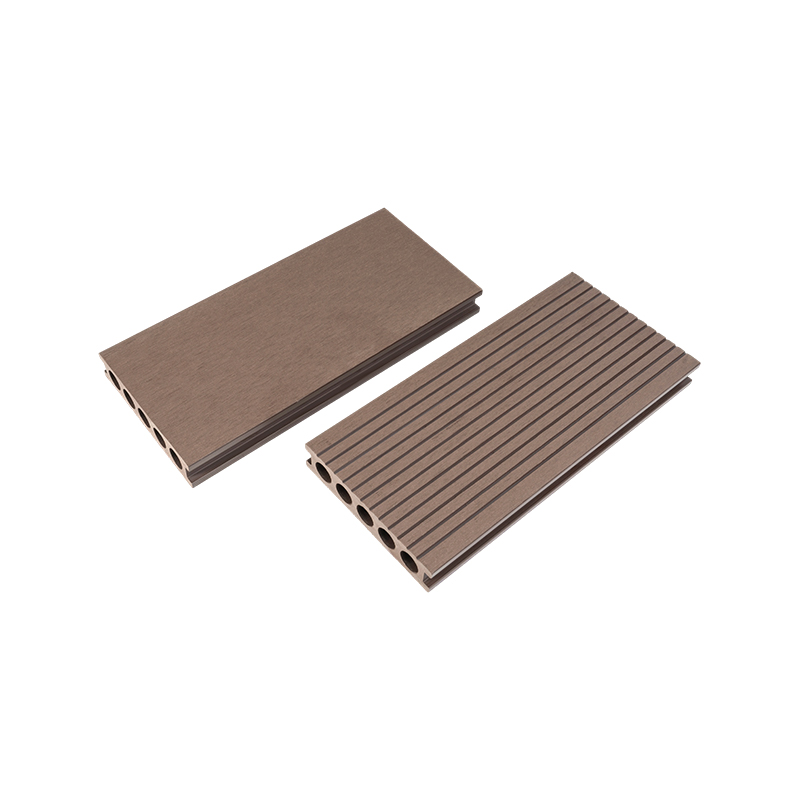
Both WPC wall cladding and WPC decking share the same core material composition and manufacturing technology, but they are purpose-engineered for different applications. Decking is designed for underfoot use — with grooved slip-resistant surface profiles, structural load capacity for foot traffic, and joist-fixing systems. Cladding is designed for wall applications — with profiles optimised for interlocking or clip-fixed vertical or horizontal wall installation, visual appearance from a viewing angle, and weather-shedding edge details appropriate to wall rather than floor exposure. Decking boards must not be substituted for cladding boards, and vice versa — each is specifically engineered for its application environment.
Selecting the Right WPC Wall Cladding: A Practical Guide
- Define the application first: interior, sheltered exterior, or fully exposed exterior. Interior and sheltered applications can use standard WPC cladding effectively. Fully exposed exterior elevations — particularly in coastal, high-UV, or high-rainfall locations — should specify co-extruded capped WPC for the highest moisture resistance and UV fade performance over the product's service life.
- Require a written warranty explicitly covering fade and structural performance. A manufacturer confident in their product will provide a written warranty of 10+ years for standard WPC and 20+ years for co-extruded cladding, with explicit coverage of colour retention and structural integrity. Products without written fade warranties have insufficient UV stabiliser specification for long-term outdoor colour stability.
- Specify aluminium battens for coastal, wet, or high-humidity installations. Timber battens are susceptible to the same rot and decay that makes timber cladding high-maintenance. Aluminium battens match WPC cladding's service life and eliminate the subframe as a maintenance vulnerability in demanding environments.
- Evaluate physical board samples fixed to your actual wall in natural light. Colour, grain depth, and surface texture appearance change significantly with viewing angle, wall orientation, and ambient light. Fix samples to your wall and assess them at different times of day and in different weather conditions before finalising the colour and profile specification.
- Check fire classification for commercial and multi-storey applications. WPC contains combustible materials and is not classified as non-combustible. Verify the specific product's fire performance rating against local building regulation requirements before specifying on buildings subject to enhanced fire performance standards.
- Order the complete project quantity from a single production batch with a 10% waste allowance. Colour can vary slightly between manufacturing batches within the same product range. Ordering all material for the project together — with a minimum 10% waste allowance for cuts, complex detailing, and future repairs — guarantees consistent colour across the finished wall and provides matching spare boards for any future maintenance needs.

 English
 Français
 Español
 Deutsch