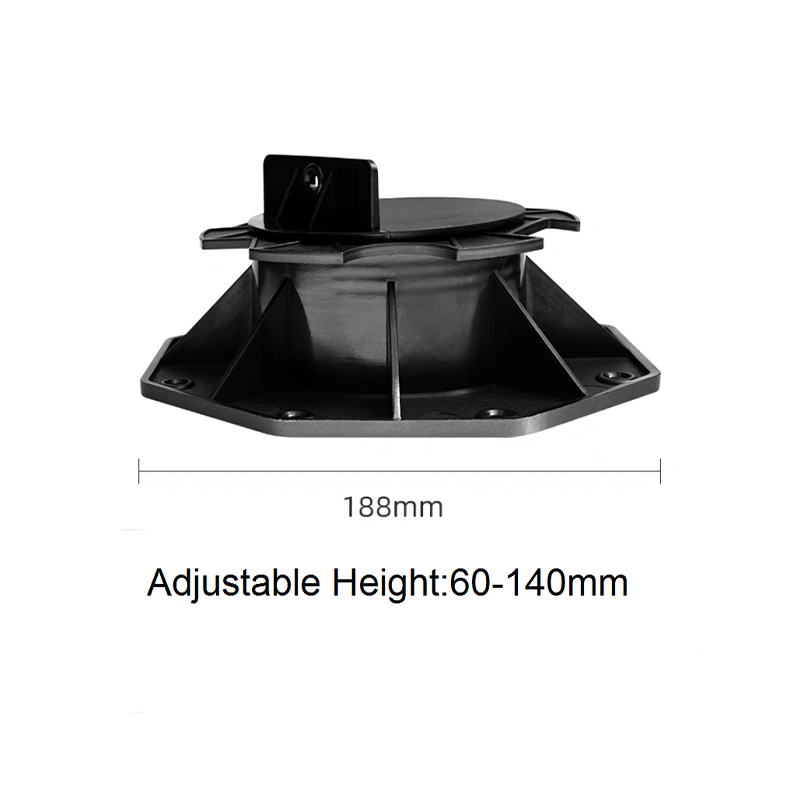
An adjustable pedestal is a height-variable support column manufactured from high-strength polypropylene or similar engineering-grade plastic. It is placed directly on a structural substrate — typically a concrete roof slab, balcony deck, or plaza surface — and supports paving slabs, decking boards, or tiles above it, creating a raised, level walking surface without any permanent fixing to the base structure below.
The height adjustment mechanism consists of a threaded stem that screws in or out of a base socket. By rotating the upper section, the installer raises or lowers the pedestal head in precise increments — typically 2–5 mm per rotation — until the top surface of every pedestal in the array sits at exactly the same elevation. This allows a perfectly flat, level deck to be constructed over a substrate that may be sloped for drainage, uneven due to construction tolerances, or deliberately pitched to direct water away from building walls.
Core Components
- Base plate: A wide, flat footing that distributes the load across the substrate surface and prevents point-load concentration on waterproof membranes.
- Threaded stem: The adjustable section that sets the pedestal height. Thread pitch determines vertical resolution per rotation.
- Head plate: The upper platform that directly contacts the underside of the paver or decking joist. Some models include a slotted or cross-shaped head to allow drainage and airflow.
- Slope-correcting tab or wedge: An optional insert placed under the head plate on self-levelling models that compensates for substrate gradients of up to 5% (approximately 3°) automatically.
- Spacer tabs: Integrated or removable tabs on the head perimeter that maintain consistent joint gaps between adjacent pavers or boards — typically 3–6 mm.
Key Advantages of Adjustable Pedestal Systems
Adjustable pedestals have become the preferred support system for raised outdoor surfaces across residential, commercial, and hospitality sectors. Their advantages over traditional bedded or grouted installations are significant across multiple performance dimensions.
Waterproof Membrane Protection
On rooftop terraces and balconies, the waterproof membrane beneath the deck is the most critical — and most expensive to repair — element of the building envelope. Pedestal systems place no adhesive, mortar, or heavy ballast directly on the membrane. The broad base plate spreads load gently across the surface, and because pedestals are not fixed down, the membrane can be inspected and repaired by simply lifting the pavers and removing the pedestals. This non-invasive installation approach can save tens of thousands in membrane repair costs over the building's life compared to mortar-bedded systems.
Drainage and Ventilation
The void created between the structural slab and the walking surface — ranging from 25 mm to over 600 mm depending on pedestal height — acts as a continuous drainage channel. Rainwater flows freely beneath the paved surface and exits at perimeter drains rather than pooling on the slab. The same air gap provides ventilation that reduces the thermal mass effect on the building below and prevents moisture accumulation that promotes mould growth in organic decking materials.
Level Surface Over Sloped Substrates
Structural roof slabs are typically cast with a 1–3% fall toward drainage outlets to prevent ponding. Laying pavers directly on such a slope produces an uncomfortable walking surface and visible joint lines that emphasise the gradient. Pedestals eliminate this problem entirely: each unit is independently adjusted so that its head sits at the same elevation regardless of the slope of the slab below, producing a uniformly level finished surface.
Fully Reversible and Reconfigurable
Because pedestals are not fixed to the substrate, the entire deck system can be dismantled, relocated, or reconfigured without any damage to the slab or membrane below. This is particularly valuable in commercial lease spaces where tenants may change, or in residential settings where future renovation or membrane replacement is anticipated. Individual pavers or boards can be lifted for maintenance access to drains, pipes, or cable runs beneath the deck with no specialist tools required.
Fast, Dry Installation
Pedestal installation requires no mixing, no curing time, and no wet trades. A single experienced installer can typically lay 30–50 m² of paved terrace per day using a pedestal system — significantly faster than mortar-bedded paving of equivalent area, which requires time for bed preparation, levelling screeds, and curing before the surface can be walked on.
Two Primary Applications: Paving Systems and Decking Support
Pedestal Paver Systems for Roof Terraces, Balconies, and Plazas
In paved applications, pedestals are positioned at the corners of each paver unit in a grid pattern. Stone, porcelain, or concrete pavers — typically 600 × 600 mm to 800 × 800 mm in format — rest on the four surrounding pedestal heads. The integrated spacer tabs on each head maintain a consistent open joint between pavers that allows rainwater to enter the void below freely. This open-joint drainage approach is central to the system's performance: unlike mortar-pointed paving, there are no grout lines to crack, stain, or allow water to dam up against the membrane surface.
For large commercial plaza installations, pedestals are engineered to support very heavy paving formats. Heavy-duty pedestal models rated to 1,000 kg or more per unit are available for granite or thick concrete pavers used in public plazas, hotel terraces, and shopping centre roof gardens.
Decking and Rooftop Walkway Support
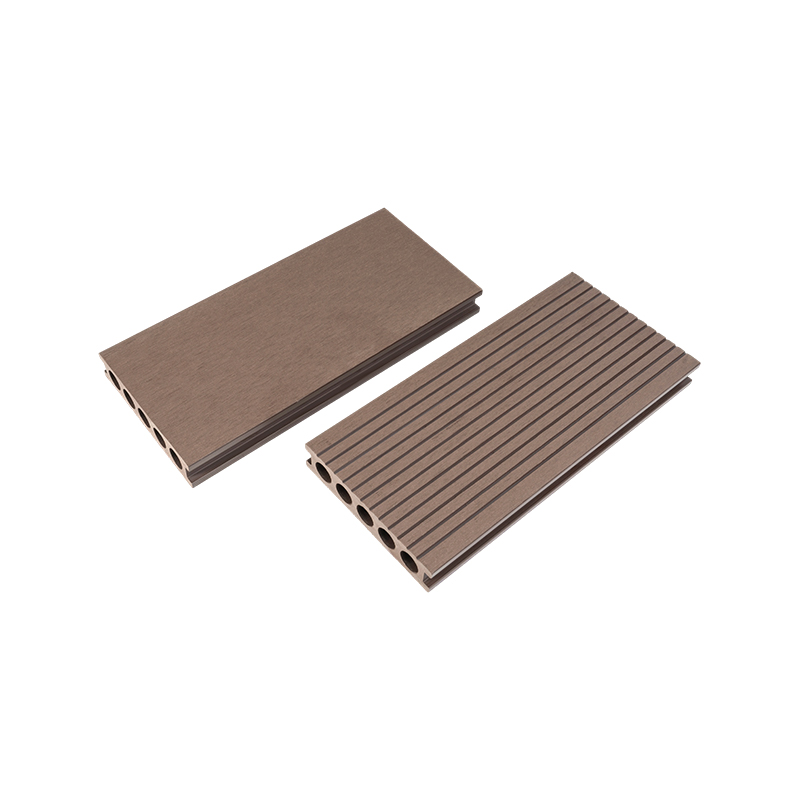
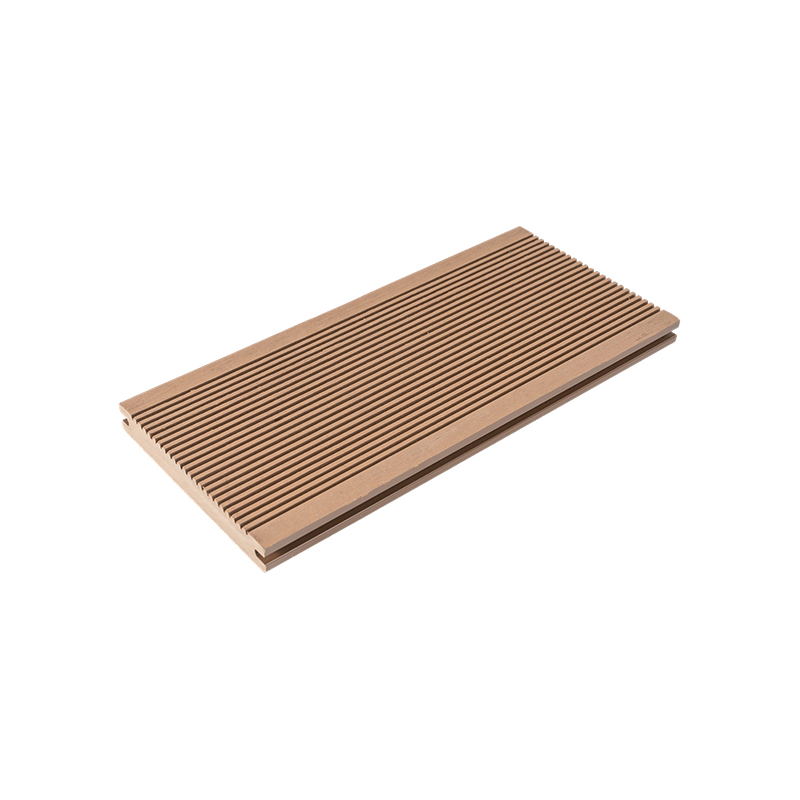
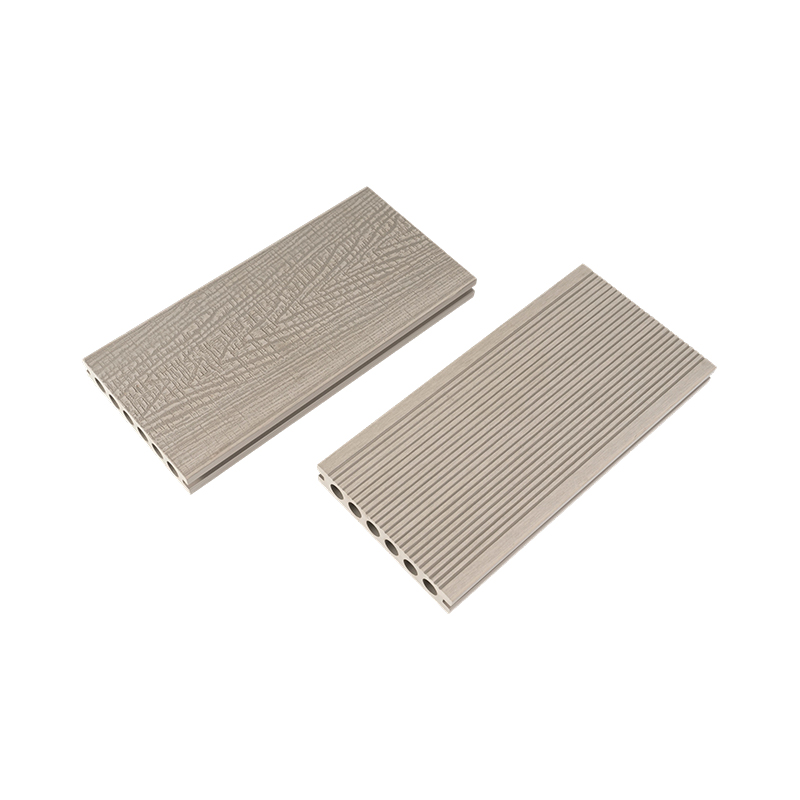
In decking applications, pedestals support joists or bearers rather than individual paver units. Composite, WPC, timber, or PVC decking boards are then fixed to these joists in the standard manner using clips or face screws. The pedestal system provides the same levelling and membrane-protection benefits as in a paved installation, while allowing the deck to be constructed over even heavily sloped or uneven rooftop substrates. For rooftop terraces and amenity decks on commercial buildings, this combination of pedestal subframe and composite decking is now the industry-standard approach for high-performance, low-maintenance elevated deck construction.
Pedestal Height Range and Load Capacity: Selecting the Right Model
Adjustable pedestals are manufactured in a range of height series to accommodate different void requirements. Choosing the correct series before installation is essential — mixing pedestal series mid-project due to a miscalculated height range adds unnecessary cost and complication.
Typical adjustable pedestal height series and their common applications
| Height Series |
Adjustment Range |
Typical Load Rating |
Common Application |
| Low |
17–32 mm |
800–1,500 kg |
Near-level slabs, minor tolerance correction |
| Standard |
35–165 mm |
1,000–2,000 kg |
Residential terraces, balconies with standard falls |
| Medium |
165–300 mm |
800–1,500 kg |
Heavily sloped roofs, service void requirements |
| High |
300–600 mm+ |
500–1,000 kg |
Utility access voids, plant room walkways |
Note that load capacity generally decreases as pedestal height increases, due to the increased lever arm effect on the stem under eccentric loading. For high pedestals in heavy-paving applications, specifying a larger-diameter base plate and head plate is recommended to maintain stability and reduce point-load pressure on the membrane below.
Installation Process: Step-by-Step Guide
A methodical installation sequence is key to achieving a level, stable surface with minimal adjustment rework.
- Survey the substrate with a spirit level or laser level to identify the highest point. This point will receive the lowest pedestal setting and determines the minimum height for all other pedestals.
- Calculate the required height at each pedestal position based on the substrate survey. For a sloped slab with a 2% fall over 5 m, the height differential across the deck is 100 mm — verify that the chosen pedestal series spans this range within a single unit.
- Place pedestals at the perimeter first, setting each to its approximate height using a laser level reference line. Lock the stem in position if the model includes a locking collar.
- Fill in the interior pedestal grid, checking head-plate elevation against the established reference at each position before moving to the next.
- Lay pavers or install joists onto the set pedestals. Check for rocking — a paver that rocks indicates one of its four supporting pedestals is slightly too high or too low. Fine-adjust until stable.
- Complete a final level check across the full deck surface using a long straight-edge or laser. Tolerance for a well-installed pedestal deck is typically ±3 mm over any 3 m span.
Self-Levelling Models: When Are They Worth It?
Self-levelling pedestals incorporate a pivot point between the base and stem that allows the head plate to remain horizontal even when the base sits on a sloped substrate — automatically compensating gradients up to 5% without wedges or shimming. They cost more per unit than standard fixed-base models but significantly reduce installation time on heavily sloped substrates and eliminate the risk of the base rocking on a high-spot. For roof terraces with slopes greater than 2%, self-levelling models offer a strong return on the cost premium through reduced labour.
Pedestal Spacing and Quantity Calculation
Correct pedestal spacing is determined by the paver or board format being used and the load the surface must carry. Under-spacing wastes material cost; over-spacing risks paver deflection and cracking under concentrated loads.
Paver Systems
For standard square paver formats, one pedestal is placed at each paver corner, meaning each pedestal simultaneously supports four paver corners. The number of pedestals required equals approximately the number of paver units plus the number of pavers along each edge. For a 10 × 10 grid of 600 × 600 mm pavers (100 pavers total covering 36 m²), this equates to an 11 × 11 grid of pedestals — 121 pedestals in total.
Decking Joist Support
For decking applications, pedestals support joists at regular intervals along each joist run. The maximum pedestal spacing along a joist is determined by the joist span rating — typically 800–1,200 mm centre-to-centre for standard aluminium or composite joists. Across the deck, joist-to-joist spacing is set by the deck board span rating, commonly 300–400 mm for composite boards. Always add 10% to the calculated pedestal quantity to allow for perimeter adjustments and future replacements.
Frequently Asked Questions About Adjustable Pedestals
Will adjustable pedestals damage a waterproof membrane?
When correctly specified and installed, adjustable pedestals do not damage waterproof membranes. The broad base plate distributes load to well below the membrane's point-load resistance threshold, and no adhesive or fastener penetrates the membrane. For sensitive membranes, a protection board or rubber pad can be placed under each base plate as an additional precaution. This is standard practice on inverted roof systems where the insulation layer sits above the membrane.
Can pedestals be used on timber or metal subfloors, not just concrete?
Yes, provided the subfloor is sufficiently rigid and load-rated. Pedestals on timber subfloors should have a base plate area large enough to avoid local deflection of the timber under load. On metal decking, check that the pedestal base plate spans at least two corrugation ribs to ensure stable bearing. In both cases, the subfloor's own structural capacity must be verified against the total imposed load before pedestal installation proceeds.
How do pedestals perform in freeze-thaw climates?
High-quality polypropylene pedestals are rated for temperatures from -40°C to +80°C and do not crack or deform through freeze-thaw cycles. The open-joint drainage system inherent in pedestal paving is actually a significant advantage in cold climates: because water drains freely beneath the surface rather than ponding on it, there is no standing water to freeze and expand, which is the primary cause of mortar-bedded paving joint failure in frost-prone regions.
What is the maximum slope that adjustable pedestals can accommodate?
Standard fixed-base pedestals can accommodate substrate slopes up to approximately 2–3% by varying height across the grid. Self-levelling models with a pivoting base extend this to 5% (approximately 3°) before the stem height variation alone becomes impractical. For slopes beyond 5%, a combination of self-levelling pedestals and extended-height models is required, and structural engineering advice should be sought regarding lateral stability of the deck assembly.
Do I need to fix pedestals to the substrate?
In the vast majority of applications, pedestals are not fixed down — the weight of the paving or decking above is sufficient to hold them in place. For exposed elevated locations where wind uplift is a concern — such as high-rise rooftop terraces or coastal balconies — paver weight should be verified against calculated wind uplift forces for the specific site. Where uplift risk is identified, perimeter pavers can be mechanically fixed or ballasted with additional weight rather than fixing individual pedestals, preserving the membrane-protection benefit of the system.
Adjustable Pedestals vs. Traditional Mortar Bedding: A Direct Comparison
The choice between a pedestal system and conventional mortar-bedded paving on a roof terrace or balcony involves trade-offs across cost, performance, and long-term maintenance. The following comparison covers the key decision factors.
Adjustable pedestal system vs. mortar-bedded paving across key project criteria
| Criteria |
Adjustable Pedestal System |
Mortar-Bedded Paving |
| Membrane protection |
Excellent — no bonding or penetration |
Poor — mortar bonds directly to membrane |
| Drainage performance |
Excellent — continuous void beneath surface |
Dependent on joint condition and falls |
| Installation speed |
Fast — no curing time required |
Slow — bed and grout curing needed |
| Reversibility |
Fully reversible, no substrate damage |
Difficult to remove without membrane risk |
| Maintenance access |
Easy — lift and replace individual pavers |
Requires breaking out and re-laying |
| Material cost |
Higher (pedestal units) |
Lower (sand/cement) |
| Long-term maintenance cost |
Low |
High (joint repointing, membrane repairs) |
For any application where long-term waterproofing integrity is a priority — which includes virtually all roof terraces, balconies, and podium decks — the lifecycle cost analysis consistently favours the pedestal system despite its higher initial material cost, primarily due to avoided membrane repair expenses and reduced maintenance labour over the installation's service life.

 English
 Français
 Español
 Deutsch