English
 Français
 Español
 Deutsch
The failure usually appears three months after handover. The wall looks flat from across the room, ...
READ MORE
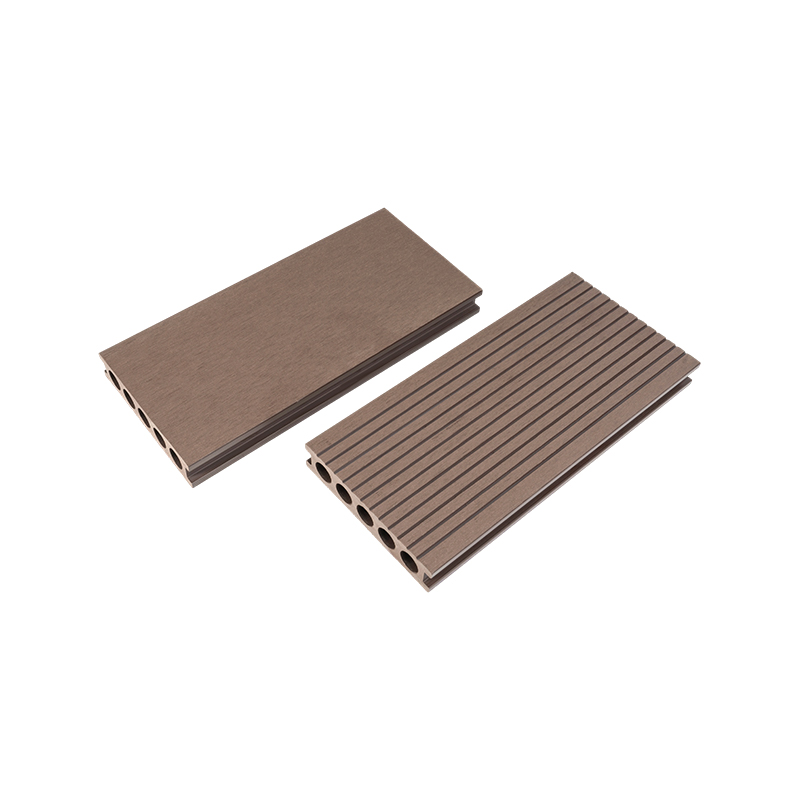
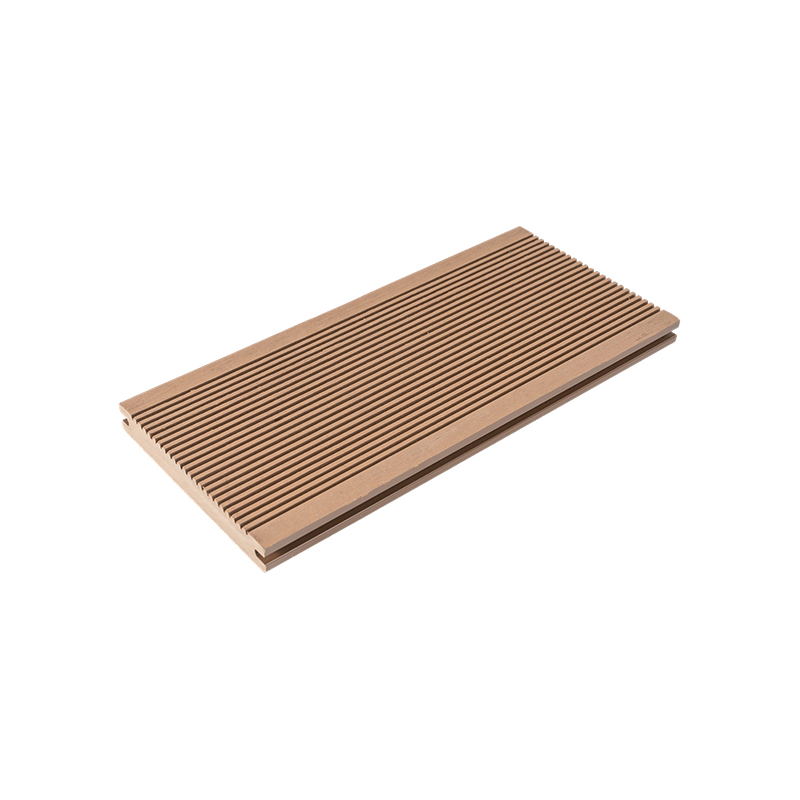
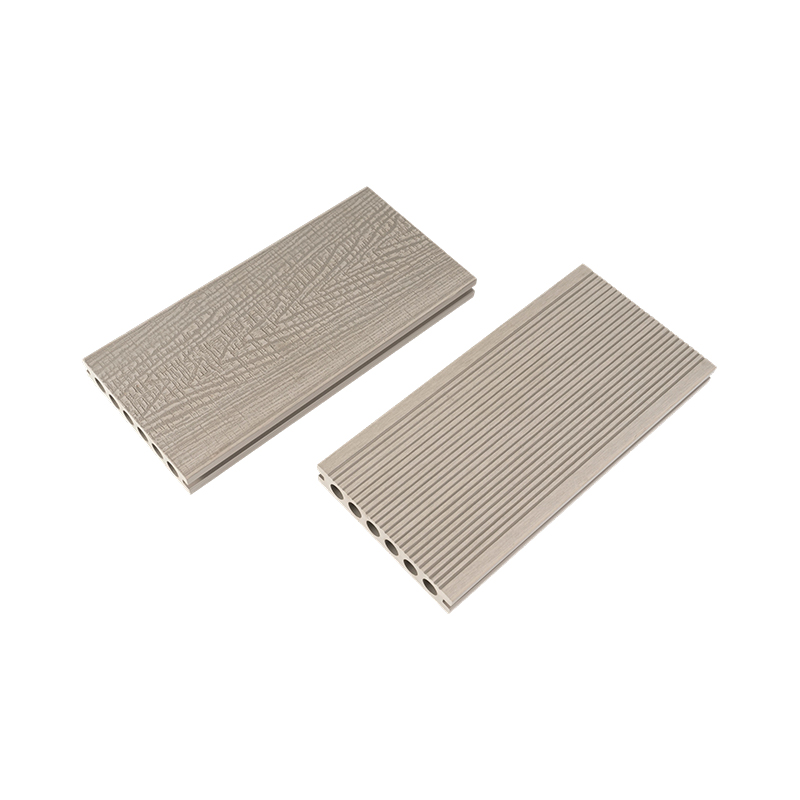
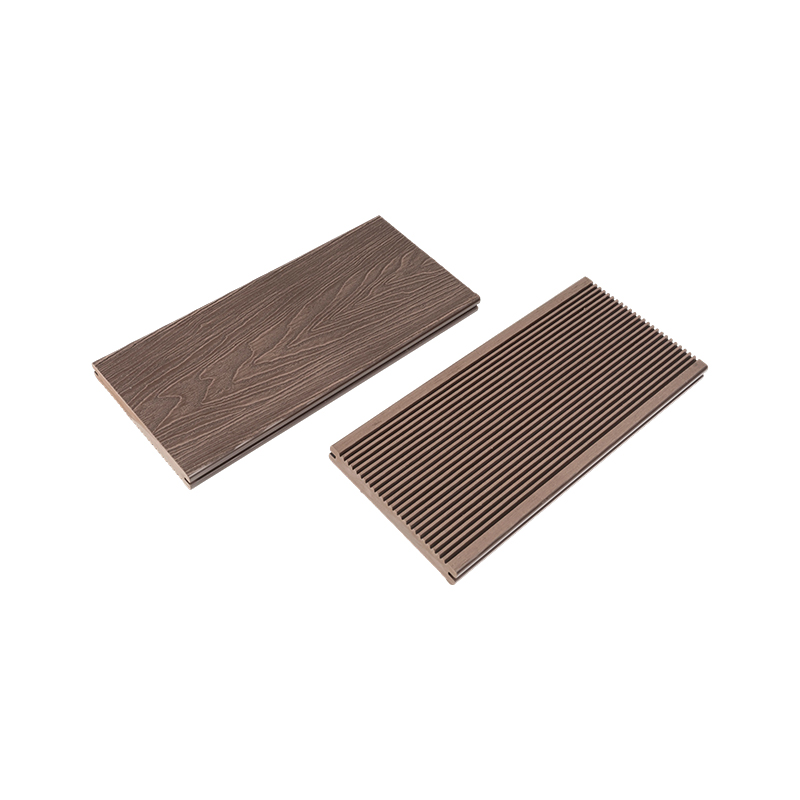
Our company is equipped with professional and advanced production as well as laboratory testing equipment, and has a large-scale production capacity of 20,000 tons of wood-plastic composites (WPC) per year. The "Senyu Wood" series products take polyolefin plastics and cellulose (such as wood flour, rice bran, etc.) as raw materials. All the raw materials used have undergone special process treatment, making them new-type environmentally friendly materials. The Senyu wood-plastic products not only possess the excellent characteristics of natural wood, but also can provide a variety of color options according to the specific needs of customers.

The failure usually appears three months after handover. The wall looks flat from across the room, ...
READ MOREMost composite deck problems show up as a symptom in the boards and start as a mistake in the frame...
READ MOREA deck sitting 30 in above grade is a comfortable set of stairs waiting to happen. A deck at 40 in ...
READ MOREIf you are building or repairing a porch, railing height is not just a style choice. It affects saf...
READ MORETwo suppliers quote the same 420 square metre rooftop terrace. Both describe their boards as green ...
READ MOREA twelve foot front porch, a tape measure and three saved photos is the easy part. The hard part is...
READ MORE

Choosing the right outdoor decking manufacturer is one of the most consequential decisions in any residential, commercial, or landscape construction project. The manufacturer behind your composite decking, cladding, fencing, doors, furniture, and accessories determines not only the visual quality of the finished installation but the structural integrity, environmental durability, and long-term maintenance cost of every product in the system.
A capable outdoor decking manufacturer operates at scale — with annual production capacities measured in tens of thousands of tons — while maintaining the material science and quality control standards that ensure every board, panel, and profile leaving the factory meets consistent dimensional tolerances, color accuracy, and mechanical performance. With an annual production capacity of 20,000 tons of Wood Plastic Composite (WPC), a full-range manufacturer can supply complete outdoor living systems — composite decking, composite siding cladding, composite fencing, WPC doors, WPC outdoor furniture, and WPC board accessories — from a single, vertically integrated source.
Wood Plastic Composite is a precisely engineered blend of cellulose fiber — typically wood flour, rice bran, or other agricultural residues — and polyolefin thermoplastic matrices including polyethylene (PE) and polypropylene (PP). The proportioning and processing of these two component streams determines the mechanical properties, surface finish, moisture resistance, and dimensional stability of the finished product.
Quality WPC manufacturing begins with raw material quality control. Wood fiber content — typically 50–70% by weight — must be sourced from consistent, low-moisture feedstocks dried to below 3% moisture content before compounding. Residual moisture in the wood fiber causes steam void formation during extrusion, weakening the composite matrix and creating surface defects. All wood and cellulose raw materials used by a rigorous outdoor decking manufacturer undergo special process treatment — including drying, particle size classification, and surface coupling agent treatment — to maximize interfacial bonding between the hydrophilic wood fiber and the hydrophobic plastic matrix.
The blended WPC compound is processed through twin-screw or single-screw extruders that melt the plastic matrix and homogenize the fiber distribution, then force the melt through a precision die to form the board profile. Co-extrusion technology — used in capped composite products — adds a pure polymer shell over the WPC core in a single continuous process, creating the enhanced surface hardness, UV stability, and stain resistance that premium composite decking and cladding products are known for. Profile dimensional control within ±0.2 mm tolerance across width and thickness is achievable on modern calibrated extrusion lines, ensuring consistent installation gap management and clip engagement across every board in a project.
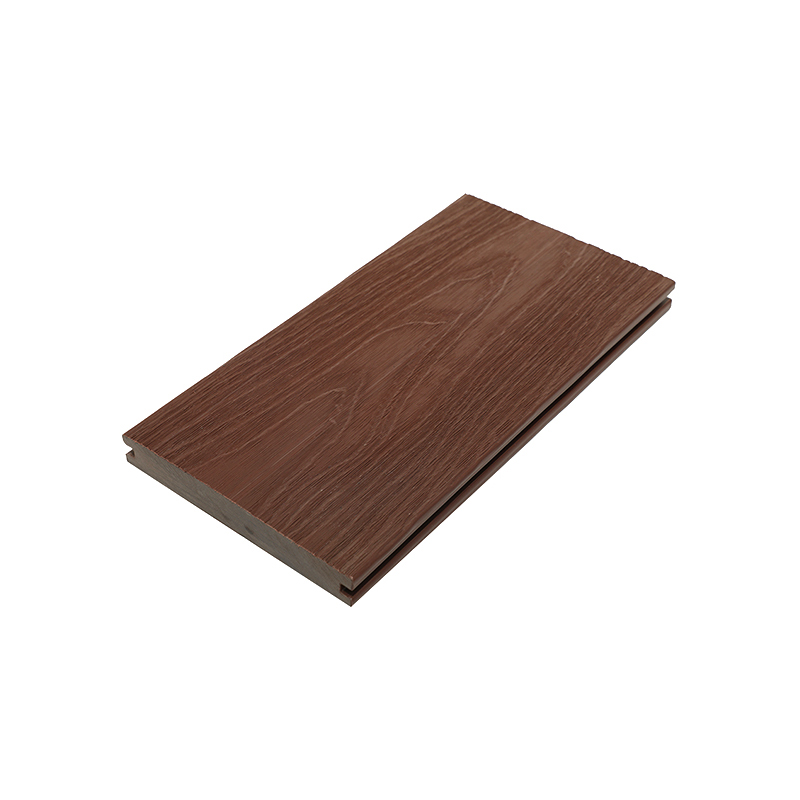
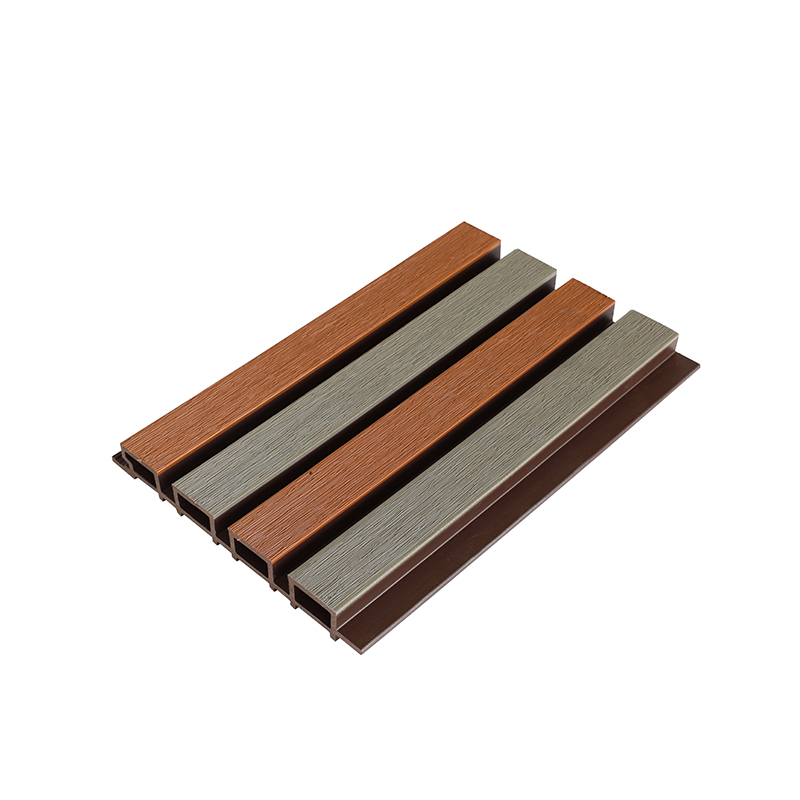
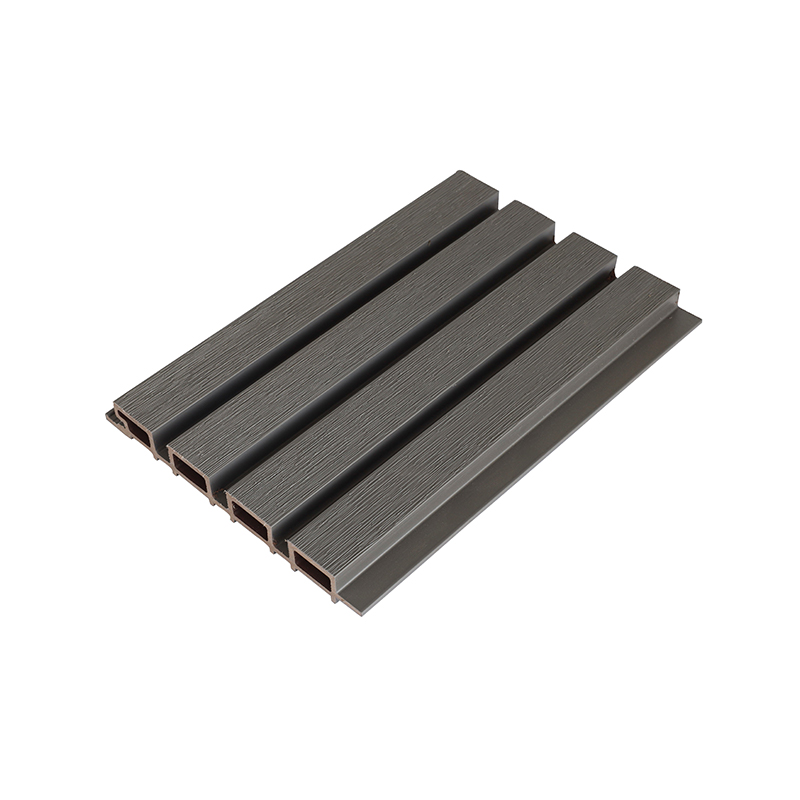
Color is integral to the WPC compound rather than applied as a surface paint, meaning it cannot chip, flake, or peel. Color pigments are added at the compounding stage and distributed uniformly through the matrix. A full-range outdoor decking manufacturer offers multiple color options — from natural wood tones including teak, walnut, and grey driftwood to contemporary solid colors — with embossed surface textures applied through calibration rollers that replicate wood grain, brushed timber, or smooth satin finishes. Custom color matching is available from manufacturers with in-house color laboratory facilities.
Composite decking is the flagship product category for any outdoor decking manufacturer — the highest-volume, most technically demanding, and most visible element of an outdoor living installation. The performance requirements for composite decking span structural, optical, tactile, and environmental dimensions simultaneously.
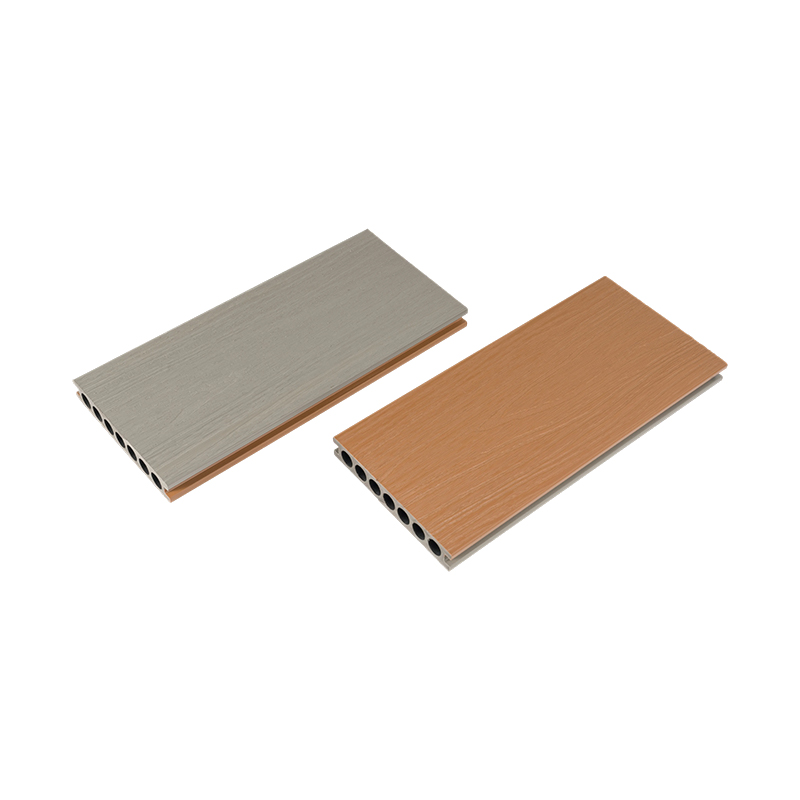
| Property | Hollow Core | Solid Core |
|---|---|---|
| Weight | Light (easier handling) | Heavier |
| Bending stiffness | Good (requires closer joist spacing) | Higher (allows wider joist spacing) |
| Fastening method | Hidden clips (grooved edge) | Face screws or hidden clips |
| End cap requirement | Required (to seal hollow core) | Not required |
| Material cost | Lower | Higher |
| Best application | Residential terraces, elevated decks | Commercial, heavy-traffic, ground-level |
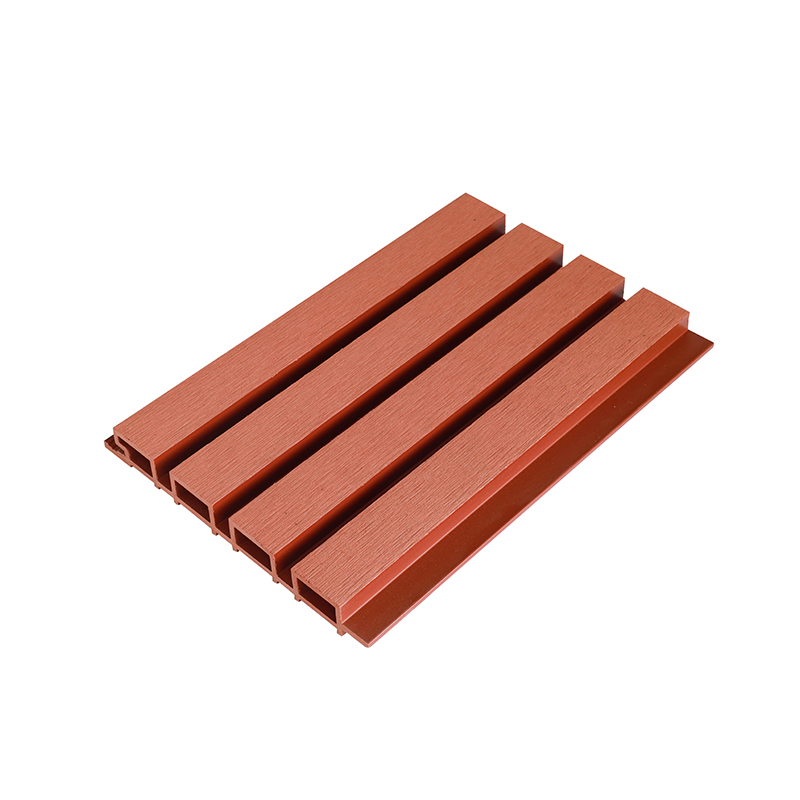
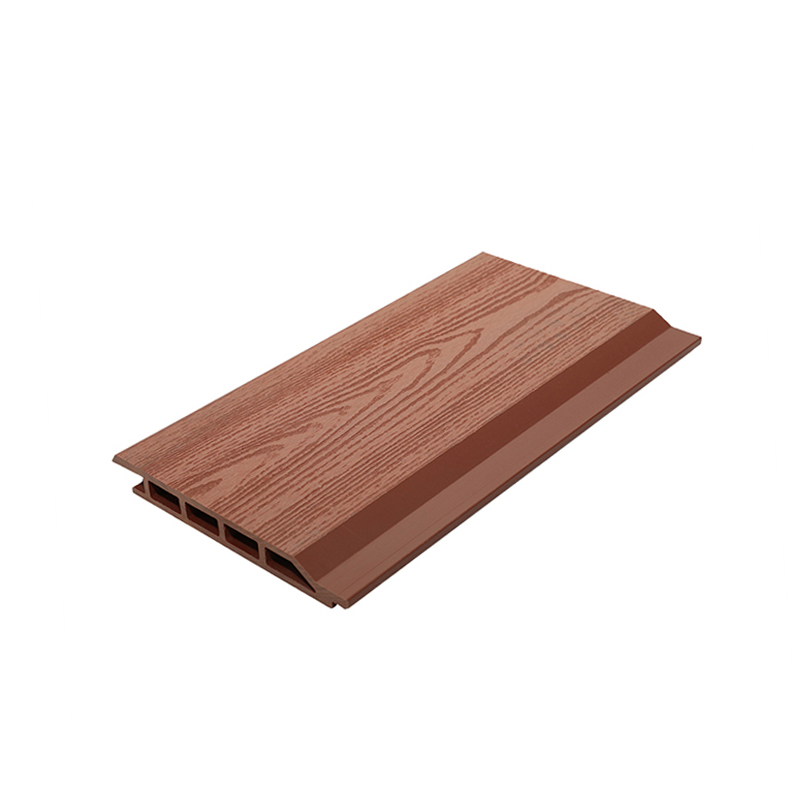
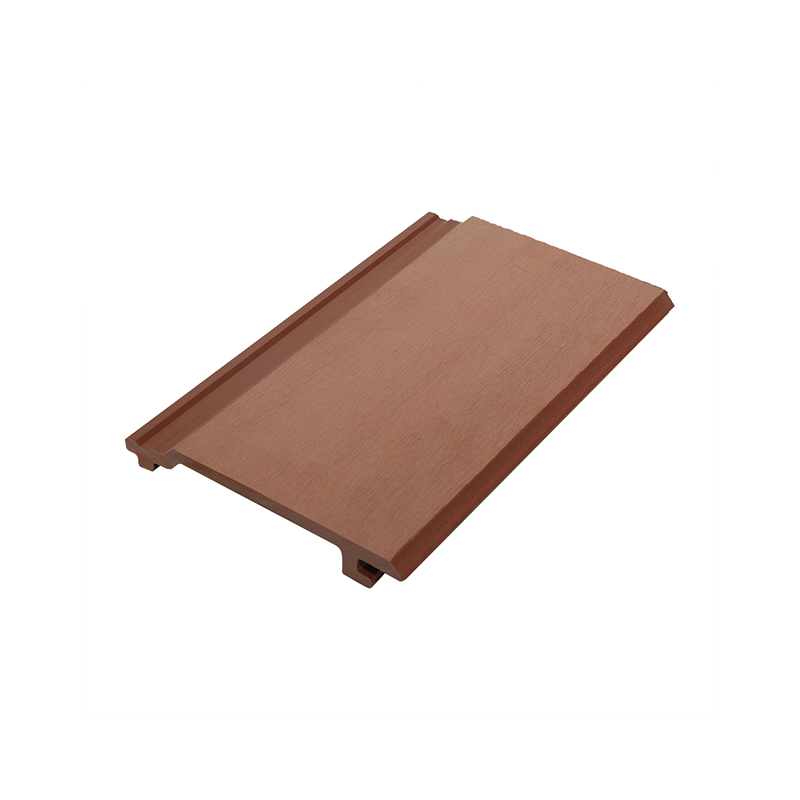
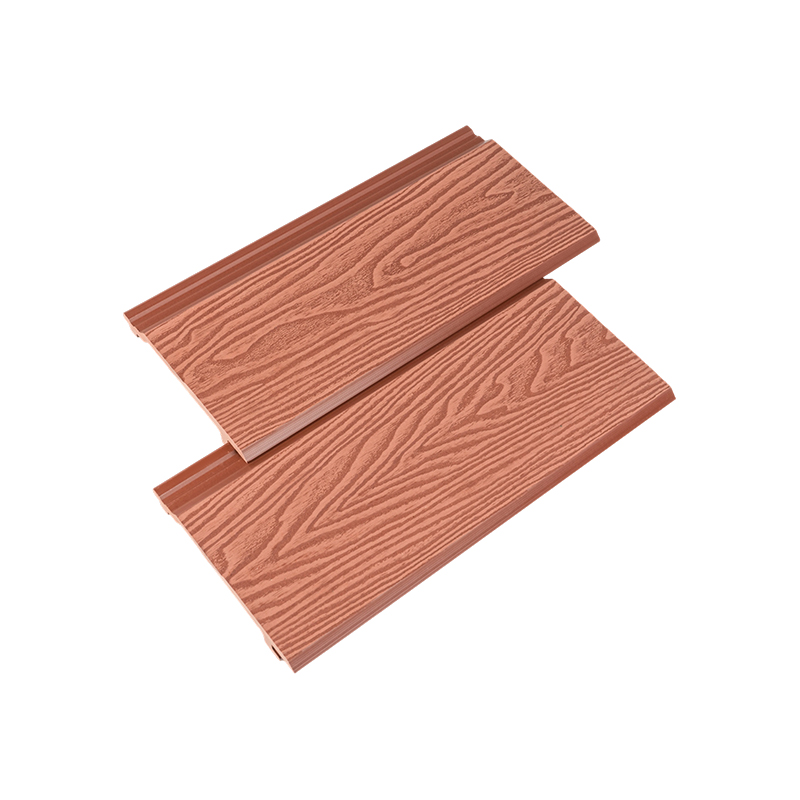
Composite siding cladding applies the same WPC material platform used in decking to building exterior wall surfaces — creating facade systems that deliver the natural wood aesthetic, weather resistance, and dimensional stability of composite technology at the building envelope level. An outdoor decking manufacturer with cladding capability provides complete exterior envelope solutions from a single source, ensuring material consistency between deck and wall surfaces that is impossible to achieve when sourcing from multiple suppliers.
Composite cladding is available in horizontal weatherboard profiles — with a lapped lower edge that creates a shadow line between courses — and tongue-and-groove profiles that produce a flush, seamless wall surface. Both formats create a ventilated cavity behind the cladding when installed over a batten subframe, allowing moisture that penetrates behind the panel to drain freely and the wall structure to breathe. This ventilated cavity design is mandated by most national building codes for external cladding systems and is a fundamental requirement for long-term building envelope health.
Composite cladding on south-facing building facades in temperate climates is exposed to cumulative UV radiation doses several times greater than deck surfaces — making UV stabilizer content and capping layer quality the most critical performance specifications for facade applications. Quality composite siding maintains color within ΔE ≤ 5 (barely perceptible color change) after 3,000 hours of accelerated UV weathering testing equivalent to approximately 10 years of real-world outdoor exposure in most climates.
Composite fencing extends WPC technology to garden boundary and privacy screening applications — a product category that must balance structural strength (to resist wind loading), visual consistency (to maintain aesthetic uniformity across the full fence run), and long-term stability (to remain plumb and true across years of thermal cycling and ground movement).
WPC fence boards are typically installed between aluminium or steel posts set into concrete footings, with the boards sliding into channels or clipping to a rail system that eliminates direct fixings through the board face. This hidden-fixing approach produces a clean, uniform fence face free from visible fasteners that would otherwise become corrosion points and aesthetic liabilities over time. A full-range outdoor decking manufacturer coordinates composite fence board colors with their decking and cladding ranges, enabling complete landscape installations where all WPC surfaces share the same color palette and grain texture.
WPC doors represent one of the most technically demanding applications for wood plastic composite material — combining the structural requirements of a door leaf with the aesthetic expectations of a high-quality architectural element and the environmental performance demands of an external building component.
WPC door construction uses a composite core extruded from high wood-fiber-content formulations that provide dimensional stability and screw-holding strength superior to hollow MDF or foam-core alternatives. The composite surface accepts paint, film lamination, and wood veneer overlay, enabling an extensive range of finish options while maintaining the core's resistance to moisture swelling, insect attack, and the warping and checking that renders solid timber doors problematic in climates with significant seasonal humidity variation. WPC doors are particularly well suited to coastal locations, high-humidity climates, and any application where the maintenance burden of periodic painting and sealing of timber doors is unacceptable.
WPC outdoor furniture brings the material performance of composite decking — UV stability, moisture resistance, dimensional stability, and low maintenance — to the garden furniture category, addressing the primary failure modes of traditional timber outdoor furniture: splitting, warping, fading, and the recurring cost of oiling and painting required to maintain its appearance.
Garden benches, dining tables, loungers, and planter boxes manufactured from WPC profiles maintain their appearance and structural integrity across multiple seasons without any protective treatment. The same color and texture range available in composite decking and cladding can be replicated in furniture profiles — allowing landscape designers to create fully coordinated outdoor living environments where deck, fence, cladding, and furniture all share a unified material language. For commercial landscape installations in hotels, resorts, and public parks where furniture must withstand continuous heavy use and cleaning with commercial detergents, WPC's chemical resistance and dimensional stability provide decisive performance advantages over timber alternatives.
No composite deck, cladding, or fencing installation is complete without the full range of WPC board accessories that seal exposed edges, protect vulnerable terminations, and connect system components with precision and visual consistency. A manufacturer that produces accessories in-house — from the same material compound and on the same color-matched specification as the primary board products — eliminates the color-matching and compatibility issues that arise when accessories are sourced from a different supplier.
WPC composite products are recognized as environmentally superior to both virgin timber and solid plastic alternatives across several dimensions of their lifecycle — a positioning that is increasingly important to specifiers, planners, and procurement officers working to meet green building certification targets.
Not all outdoor decking manufacturers deliver equivalent product quality, supply reliability, or technical support capability. The following evaluation framework identifies the criteria most reliably predictive of a supplier that will perform as a long-term partner across multiple projects.
| Evaluation Area | What to Ask For | Why It Matters |
|---|---|---|
| Production capacity and scale | Annual output tonnage, number of extrusion lines | Ensures supply continuity on large projects |
| Laboratory testing capability | In-house lab equipment list, third-party test reports | Confirms quality control is data-driven |
| Product range completeness | Decking, cladding, fencing, doors, furniture, accessories from one source | Ensures color and material consistency across system |
| Color and finish consistency | Batch-to-batch color variation data (SDCM or ΔE) | Prevents visible color mismatch in large installations |
| Certifications | CE, FSC, ISO 9001, fire rating, slip resistance (R-value) | Required for commercial, public, and export projects |
| Warranty terms | Written warranty document with explicit scope | Reflects manufacturer's confidence in product quality |
| Customization capability | Custom color, profile, and length options; MOQ for custom orders | Enables project-specific design requirements |
Uncapped composite decking is extruded as a single-material WPC profile — the surface is the same composite blend as the core. Capped composite decking uses co-extrusion to apply a pure polymer shell over the WPC core, encasing it on three or four sides. The cap significantly improves stain resistance, scratch resistance, and UV color stability because the polymer cap contains no wood fiber that could absorb moisture or provide sites for mold growth. Capped composite decking is the recommended specification for pool surrounds, coastal environments, and any application where staining from food, wine, or leaves is a concern.
Yes, subject to fire performance verification for the specific building height and occupancy classification. Composite cladding products must be assessed under the applicable national fire testing standard — typically EN 13501 in Europe or the relevant equivalent — before specification on buildings above certain heights. Class B or better fire performance classifications are required for cladding on most mid-rise buildings. An outdoor decking manufacturer with fire-tested cladding products will provide test certificates and specification guidance for different building heights and occupancy types upon request.
WPC fence board panels are inherently more wind-resistant than timber boards of equivalent width because their dimensional stability eliminates the warping and joint opening that create wind-load vulnerabilities in timber fencing over time. However, the structural performance of the complete fence system — boards plus posts plus footings — is determined primarily by the post and foundation design rather than the board material. For high-wind locations, post-to-footing embedment depth, post cross-section, and inter-post spacing must be engineered to the design wind speed for the specific site. A competent outdoor decking manufacturer provides structural load data for their fence system components to support this engineering assessment.
Most WPC formulations use polyolefin plastics (PE or PP) and natural cellulose fiber — materials that do not leach harmful substances into soil under normal outdoor conditions. However, formal food-contact certification is not standard for WPC products. For raised vegetable garden planters in direct contact with growing medium, request the manufacturer's material safety data sheet (MSDS) and confirm that no heavy-metal pigments, PVC, or recycled plastic streams of unknown origin are used in the formulation. Food-grade polyolefin-based WPC with virgin or certified-recycled PE or PP content and natural fiber fill is generally considered appropriate for this application, but the decision should be made based on the specific product's material declaration.