English
 Français
 Español
 Deutsch
The failure usually appears three months after handover. The wall looks flat from across the room, but angle a work light across it and the WPC PVC panels wave, creak, or open at the joints. In most cases the panel itse...
READ MORE
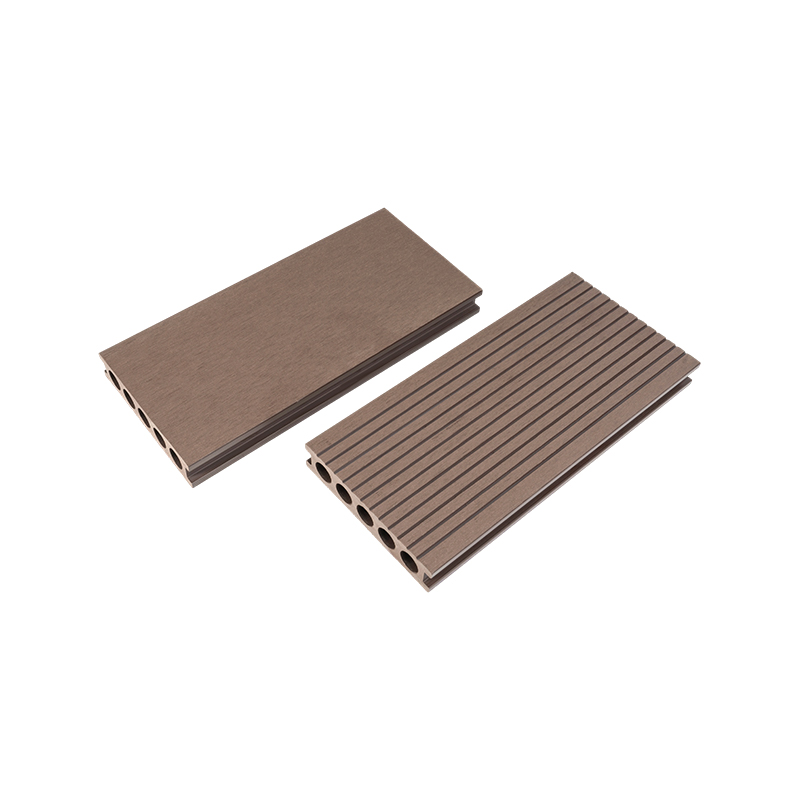

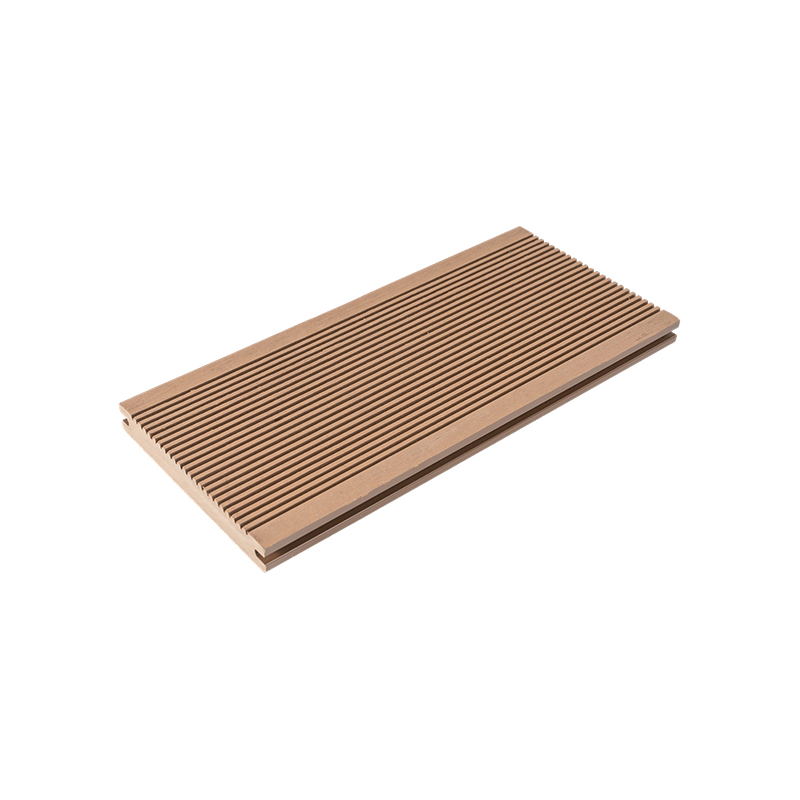
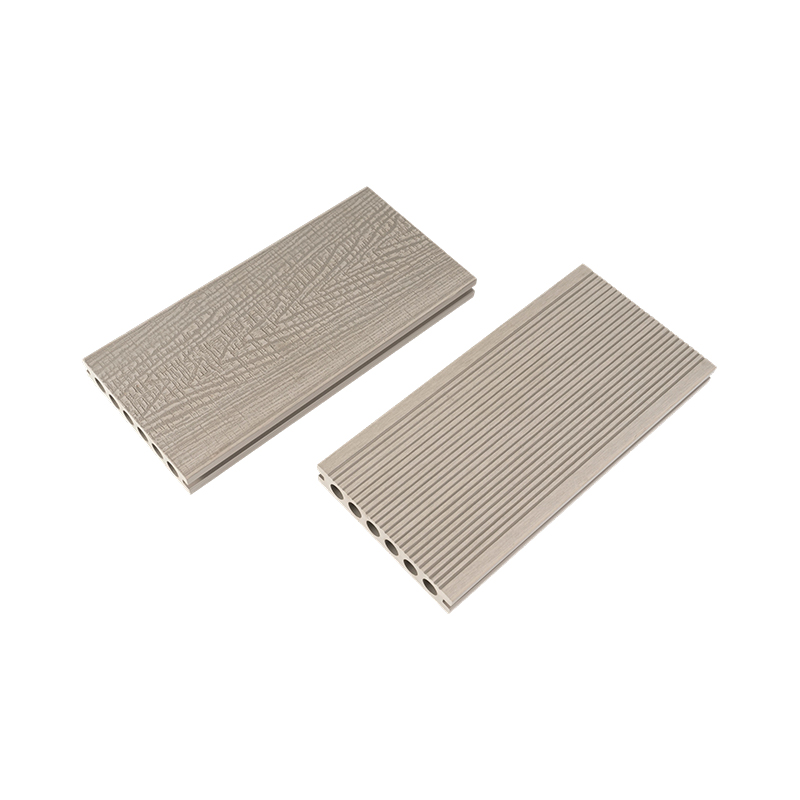
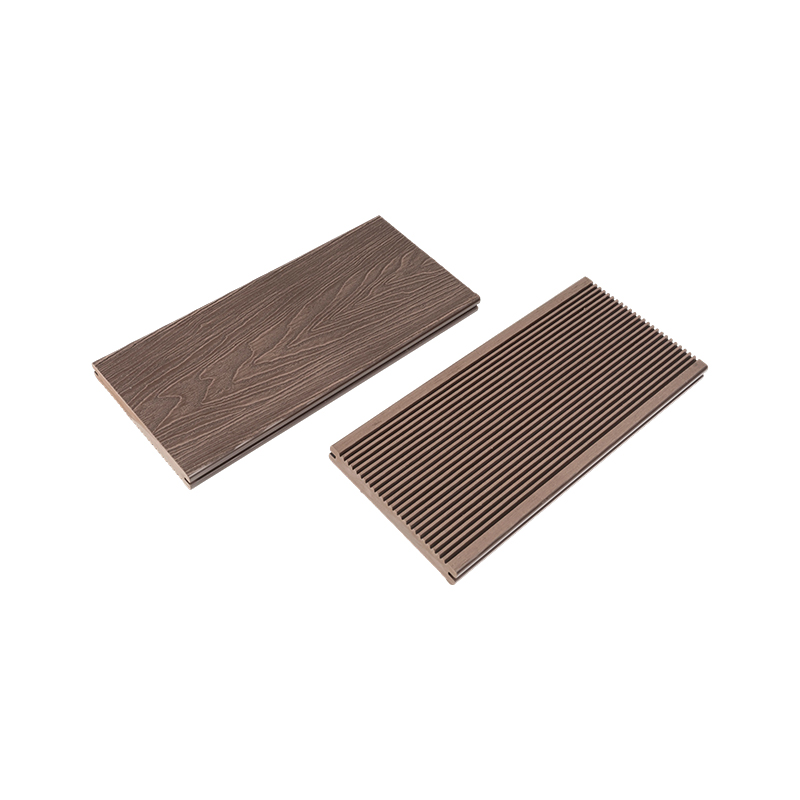
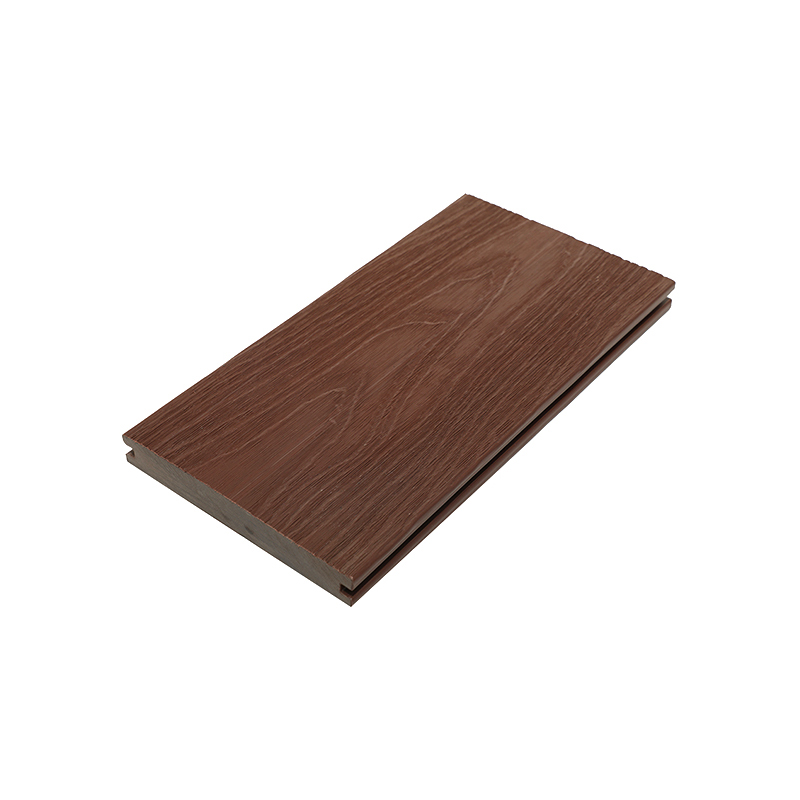
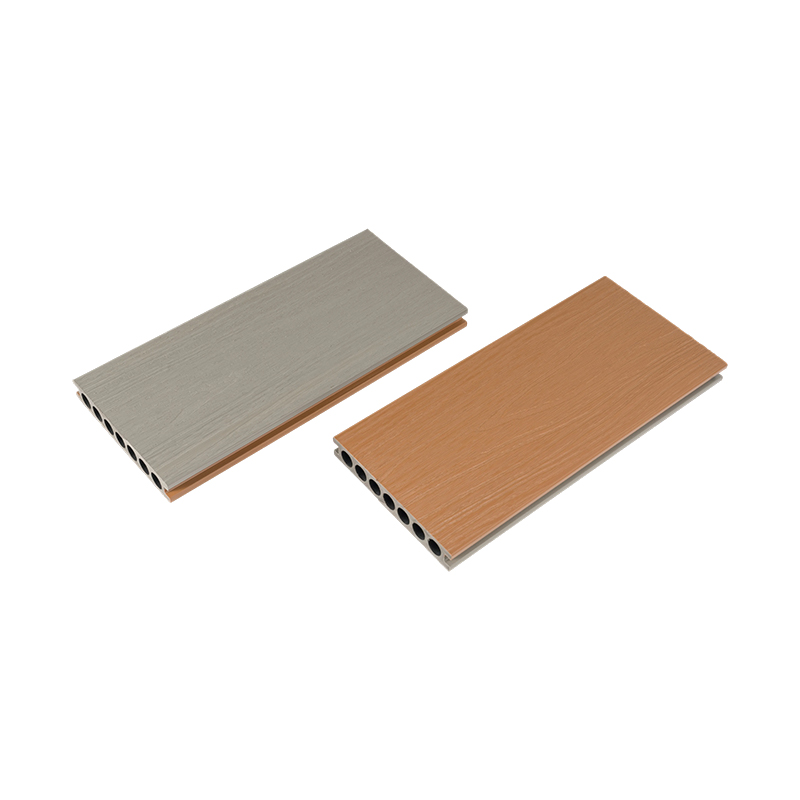
The failure usually appears three months after handover. The wall looks flat from across the room, but angle a work light across it and the WPC PVC panels wave, creak, or open at the joints. In most cases the panel itse...
READ MOREMost composite deck problems show up as a symptom in the boards and start as a mistake in the frame. A deck that rattles underfoot usually has joists spaced too far apart. Boards that ripple in midsummer were butted tig...
READ MOREA deck sitting 30 in above grade is a comfortable set of stairs waiting to happen. A deck at 40 in is where most first attempts go wrong, usually because the builder measured to the framing instead of the finished surfa...
READ MOREIf you are building or repairing a porch, railing height is not just a style choice. It affects safety, inspection results, and how the porch feels in daily use. For most residential porches, the top of the guardrail sh...
READ MORE

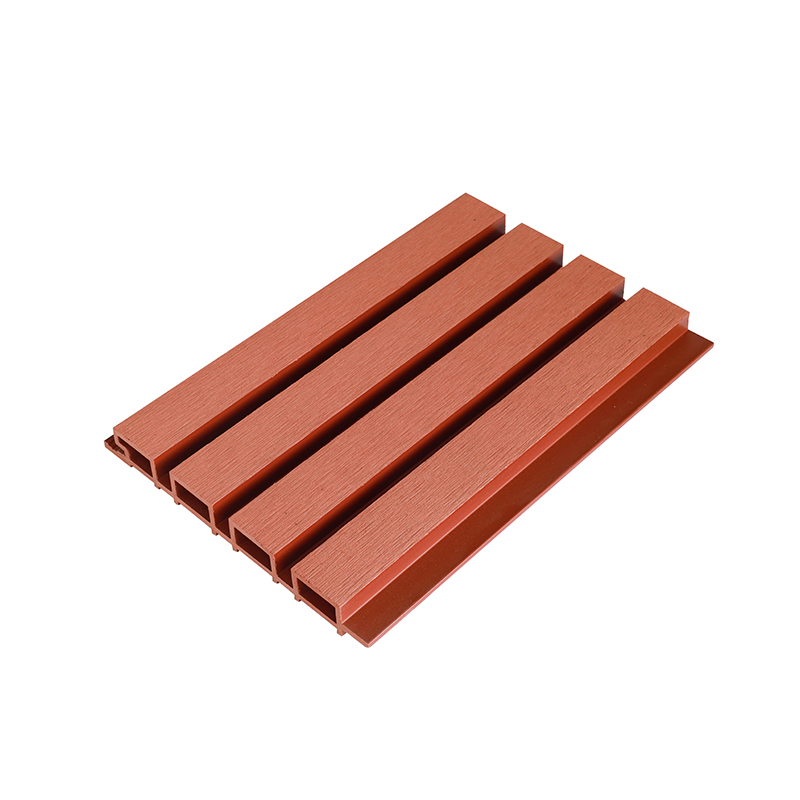
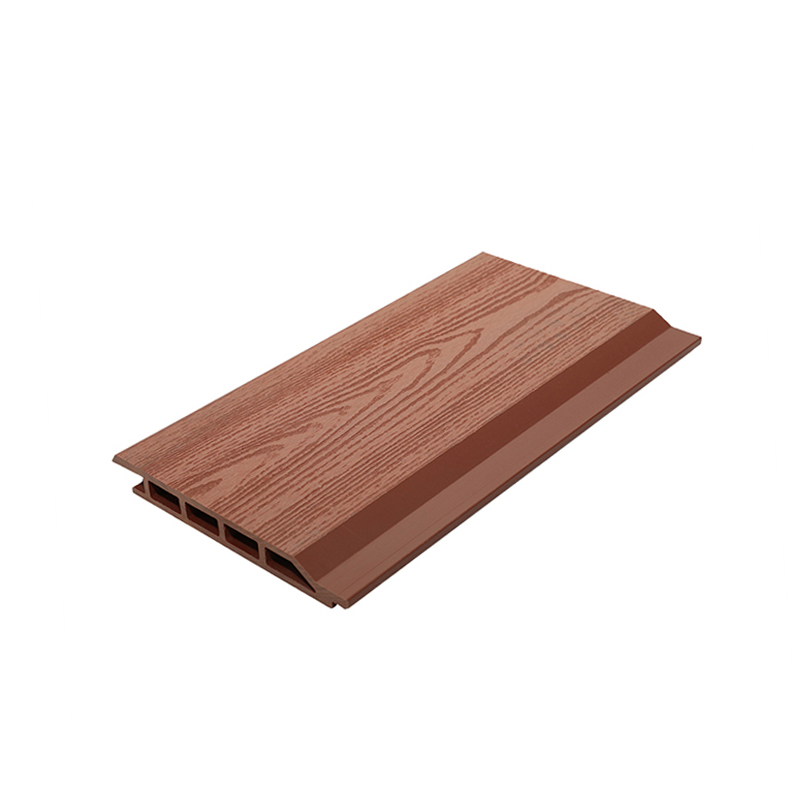
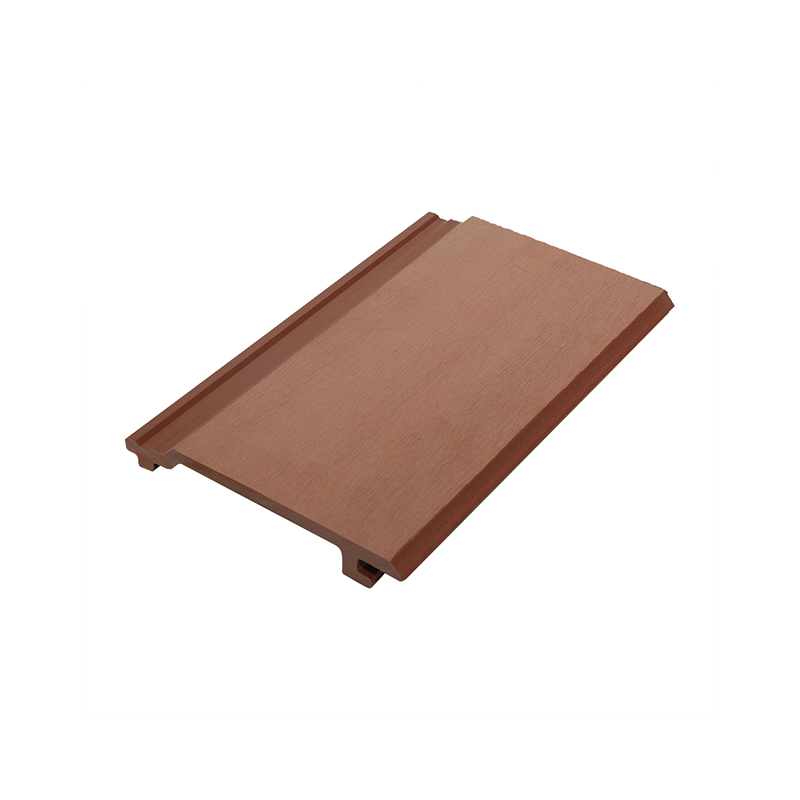
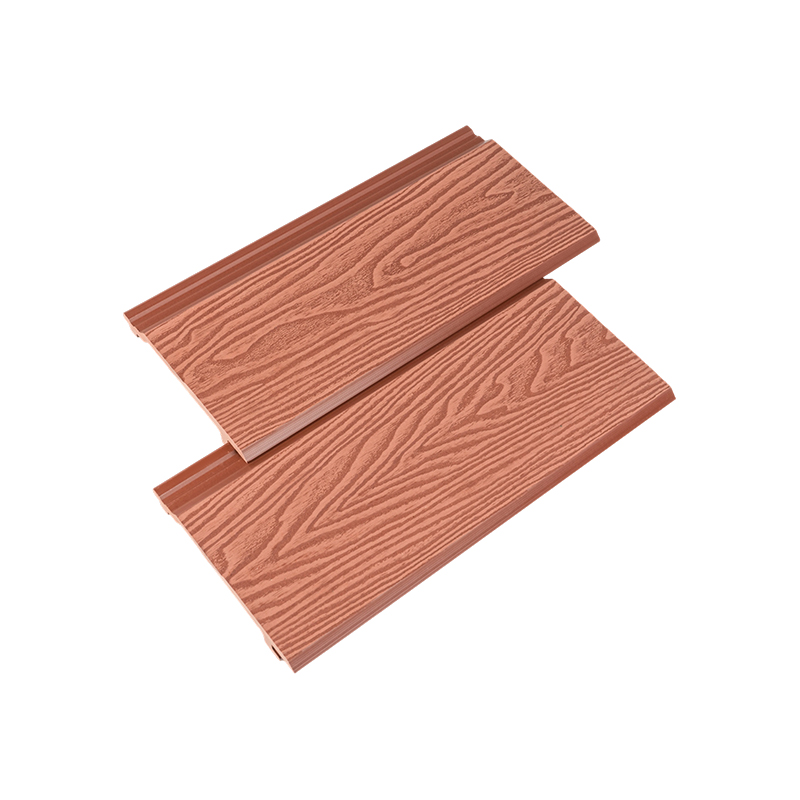
Composite decking is an engineered outdoor flooring material that combines wood fibre with recycled thermoplastic polymers to deliver the natural warmth and texture of timber alongside durability, weather resistance, and near-zero maintenance requirements that natural wood cannot match. It is the fastest-growing category in outdoor flooring, now used across home gardens, balconies, rooftop terraces, pool surrounds, parks, restaurants, commercial plazas, ports, and resort walkways worldwide.
What distinguishes composite decking from natural timber is not just its performance, but its economics over time. A quality composite deck requires no annual oiling, staining, or painting — the primary cost driver of timber deck ownership. Over a 20-year period, composite decking consistently costs less in total than an equivalent timber installation once maintenance expenditure is included, while looking better and requiring significantly less effort to maintain that appearance.
Understanding the manufacturing process helps explain why composite decking performs so differently from natural timber in outdoor conditions.
A typical composite decking board consists of 50–70% reclaimed wood fibre — sourced from sawmill offcuts, manufacturing waste, and agricultural fibre — combined with 30–50% recycled thermoplastic polymer, typically polyethylene (PE) or polypropylene (PP). UV stabilisers, colorants, fungicide additives, and lubricants are blended into the mixture to deliver outdoor performance. No chemical adhesives are used in the manufacturing process, and formaldehyde emissions meet the strict E0 standard — making composite decking safe for both indoor and outdoor applications.
The blended raw material is heated and forced through a precisely shaped die — a process called extrusion — which produces a continuous board profile. The board is then cooled under controlled conditions, cut to specified lengths, and surface-embossed or textured to replicate natural wood grain. This manufacturing method creates boards with consistent dimensions, density, and colour throughout the entire production batch — a consistency that natural timber, with its inherent grain variation, cannot provide.
In co-extruded (capped) composite decking, a second extrusion die simultaneously bonds a dense polymer cap layer — typically high-density polyethylene or ASA — to all surfaces of the WPC core as a single manufacturing step. This cap layer is fully non-porous and creates a continuous protective shell around the wood fibre core. The result is a board with dramatically superior resistance to moisture ingress, UV fading, surface staining, and physical abrasion compared to standard uncapped WPC. Co-extruded decking represents the current premium standard and typically carries warranties of 20 to 25 years.
Composite decking achieves colour retention through one of two methods. In standard WPC, colour pigment is blended throughout the entire board material — so the colour is consistent from the surface through to the core. In co-extruded boards, the colour is integrated into the cap layer, which is uniformly applied to all surfaces. Both methods ensure that minor surface wear or shallow scratches do not expose a different-coloured substrate beneath, maintaining consistent appearance throughout the board's service life.
| Type | Construction | Typical Warranty | Best For |
|---|---|---|---|
| WPC Decking | Wood fibre + plastic; standard embossed surface | 10–15 years | Residential patios, garden decks, budget-conscious projects |
| 3D Embossed Decking | WPC core with deeply contoured 3D grain texture | 15–20 years | High-spec residential, premium garden rooms, hospitality terraces |
| Co-Extruded Decking | WPC core + full polymer cap layer on all surfaces | 20–25 years | Commercial, pool surrounds, coastal, demanding climates |
No painting, oiling, staining, or sealing is ever required. The total annual maintenance for a composite deck is a periodic wash with water and mild detergent — typically less than two hours per year for a standard residential deck. Compare this to natural timber, which demands annual or biennial treatment taking a full day or more, plus professional costs if outsourced. Over 20 years on a 30 m² deck, maintenance products alone for a softwood timber installation cost an estimated $1,800–$4,800 — expenditure that composite decking eliminates entirely.
Premium co-extruded composite decking has a rated service life of 25 to 30 years — more than double the 10–15 year lifespan of pressure-treated softwood maintained under normal conditions. Composite decking does not rot, warp, crack, splinter, or delaminate from moisture cycling. It resists fungal decay, insect attack, and the dimensional movement that causes natural timber to cup and twist over time. This structural stability ensures the deck retains its level, attractive appearance throughout its service life without structural remediation.
The non-porous polymer cap layer of co-extruded composite decking resists staining from a comprehensive range of aggressive household and outdoor substances. Independent testing confirms resistance to coffee, red wine, vinegar, sauces, cooking oils, red ink, stamp-pad ink, lipstick, nail polish, and black shoe polish. Fresh spills wipe away with a damp cloth; dried stains typically respond to mild detergent and a soft brush. Natural timber, by contrast, permanently absorbs oil, wine, and tannin stains without specialist treatments.
Composite decking never splinters — a meaningful safety advantage for households with young children and pets, and for commercial spaces with barefoot users around pools. The grooved surface profiles of quality composite boards achieve slip resistance ratings of R11 or higher (DIN 51130), providing safe traction even when wet. Natural timber surfaces develop increasing splinter risk as UV and moisture cycling breaks down wood fibres over time, creating a progressively less safe surface without regular sanding and treatment.
Composite decking incorporates 50–70% recycled materials — reclaimed wood fibre from sawmill and industrial waste, and recycled post-consumer plastic. Formaldehyde emissions meet the E0 standard (less than 0.5 mg/L), and no chemical adhesives are used in production. The long service life further reduces lifetime environmental impact: one composite deck installation lasting 25–30 years replaces two or three softwood timber installations over the same period, significantly reducing cumulative material and waste throughput.
Unlike natural timber, which varies board to board in grain pattern, colour, and density, composite decking delivers consistent colour and surface texture across every board in a production batch. Premium co-extruded boards with high-performance UV stabilisers maintain colour stability for 15 to 25 years, with most manufacturers providing written fade warranties covering this period. This colour consistency makes large, uniform deck installations easy to achieve without the sorting and grading that natural timber requires.
Composite decking's performance advantages are most pronounced in environments that are challenging for natural timber:
| Criterion | Premium Composite | Hardwood Timber | Softwood Timber |
|---|---|---|---|
| Service life | 25–30 years | 20–25 years (if maintained) | 10–15 years |
| Annual maintenance | Wash only | Oil every 1–2 years | Treat every 1–2 years |
| Rot resistance | Excellent | Moderate | Poor without treatment |
| Stain resistance | Excellent | Poor (absorbs stains) | Poor |
| Splinter risk | None | Moderate (ages) | High (ages) |
| Colour consistency | Uniform across all boards | Varies board to board | Varies board to board |
| Eco credentials | Good (50–70% recycled) | Good (if certified) | Moderate |
In direct summer sun, composite decking boards do absorb more heat than natural timber. Dark-coloured boards can reach surface temperatures of 50–65°C in intense sun. The practical solution is straightforward: choose lighter or mid-tone colours for any deck used barefoot in hot climates — lighter boards remain noticeably cooler under the same conditions. Grooved board profiles that allow air circulation under foot also help moderate surface temperature. For pool surrounds and sun-exposed decks in hot climates, light-toned composite boards are strongly recommended.
All outdoor materials experience some colour change from UV exposure over time. The rate and extent of change depends almost entirely on product quality. Budget uncapped WPC boards can show noticeable fade within 1–3 years. Premium co-extruded boards with high-performance UV stabilisers maintain colour stability for 15–25 years, and most manufacturers back this with an explicit written fade warranty. All composite boards undergo a brief initial weathering phase of 6–12 months after installation, after which colour should remain essentially stable for a quality product.
Yes, in many cases composite decking can be installed over an existing timber subframe — provided the existing joists are structurally sound, level, and free from rot. The subframe must be inspected carefully before overlay installation. Any joists showing decay, movement, or damage must be replaced. Composite boards installed on a compromised subframe will eventually mirror subframe defects in the finished surface. Joist spacing must also meet the composite system's specification — typically 300–400 mm centres — which may require adding intermediate joists if the existing spacing is wider.
Routine cleaning requires only water and mild household detergent applied with a soft brush or low-pressure hose. Sweep the surface first to remove loose debris, then wash along the board length. For surface mould or algae, a dilute white vinegar solution or purpose-formulated composite cleaner is effective. Never use bleach-based products, solvents, or metal abrasive scrubbers — these permanently damage the board surface and typically void the product warranty. A pressure washer can be used at low to medium pressure (below 1,500 PSI / 100 bar), always working along the board length.
Yes — this is one of the most important installation requirements. Composite boards expand and contract with temperature changes, and a 5 mm end gap must be maintained at each board terminus (where the board end meets a post, wall, or fixed element) to accommodate longitudinal expansion in warm weather. Boards installed without adequate end gaps will buckle in summer heat, which can cause permanent deformation requiring board replacement. A standard 5–8 mm gap between adjacent boards is also maintained by the hidden clip fixing system, providing both drainage and lateral expansion space.
Yes — co-extruded composite decking is one of the best materials available for swimming pool surrounds. It is moisture-resistant, splinter-free, and achieves the R11 wet slip resistance rating required for safe barefoot use in wet conditions. It is also resistant to pool chemical exposure (chlorine and pH adjustment chemicals at standard treatment concentrations) at the polymer cap layer. For pool areas, always specify co-extruded capped composite and choose light-coloured boards to minimise surface heat absorption in direct sun.
For a competent DIY installer, a straightforward 20–30 m² residential deck typically takes 1–3 days including subframe preparation and board installation. The hidden clip system is faster to install than surface-screwed systems once the technique is learned. Professional installation by an experienced team can complete the same area in a single day. The most time-consuming element is usually establishing a level, square subframe — time invested here pays dividends in the quality of the finished surface.
Yes. Because composite decking meets the E0 formaldehyde emission standard and uses no chemical adhesives in production, it is safe for interior use. Composite boards are used for interior feature floors, gym surfaces, commercial showroom flooring, and indoor-outdoor transition areas. The same installation principles apply indoors, though moisture management requirements are less stringent. The grooved surface profile also provides good traction for interior spaces where floor grip is a priority.
The composite decking market spans a very wide quality range. These criteria protect you from purchasing a product that underperforms its potential: