2026-11-27
Content
A 20-foot patio railing order can look simple until the posts miss the fascia, the glass panels fail the local 4-inch sphere check, and the powder coat is the wrong grade for salt air. The right aluminum patio railing is a system, not a box of posts and rails. Decide the code path, substrate, infill, finish, and fastener package before you compare price. That order prevents most change orders because it ties the quote to the real building condition and inspection requirement.
Many residential codes set guards at 36 inches, while commercial work often requires 42 inches. Handrails usually sit 34 to 38 inches above the stair nosing. A 4-inch sphere check is common for baluster spacing, but glass and cable systems have their own edge and tension rules. Guards are also tested for a concentrated load, often 200 pounds, so the post anchor matters as much as the rail.
Confirm these items with the local building department and any HOA before ordering. A railing that is beautiful but 2 inches short or anchored into 3/4-inch siding will not pass.
Aluminum is the frame and finish decision. The infill controls privacy, wind load, and visual weight.
Picket is the default for patios, porches, and stairs. It drains well, looks traditional, and usually has the clearest price path. Check picket spacing and whether the bottom rail leaves a gap that fails the sphere rule. On windy sites, narrow spacing catches more wind, so post anchors need attention.
Glass opens sight lines and suits views, but it needs a framed system, tempered or laminated panels, and careful shimming. Glass adds weight and wind load. Plan cleaning access and make sure the bottom edge does not trap water.
Cable and horizontal railings look modern, but cable tension, fitting quality, and code compliance decide performance. Some codes limit cable diameter or spacing. Use a tested assembly rather than mixing parts.
Aluminum's main advantage is strength-to-weight and coating durability. It will not rot, splinter, or need annual staining, but it can dent, scratch, and corrode at cut edges if the alloy and fasteners are wrong. Wood is repairable but needs finish maintenance. Vinyl resists moisture but can become brittle in cold. Steel is strong but heavier and needs coating. WPC composite offers wood-like looks and low maintenance, but it is not a substitute for a tested guard frame unless the system is engineered as one.
| Material | Good fit | Maintenance | Main risk |
|---|---|---|---|
| Powder-coated aluminum | Patios, decks, stairs, coastal sites with 316 fasteners | Low | Denting, cut-edge corrosion, coating damage |
| WPC composite | Privacy infill, cladding, matching deck surfaces | Low | Creep, color shift, limited structural use unless reinforced |
| Wood | Traditional and repairable projects | Medium to high | Rot, splitting, loose fasteners |
| Vinyl | Moisture-prone areas | Low | Cold cracking, limited spans |
| Steel | High-strength and industrial looks | Medium | Rust at welds and scratches, heavy sections |
Most railing profiles use 6063-T5 or 6063-T6 aluminum, with 6005-T5 also common for structural parts. The temper matters because a soft alloy can deflect at long spans or at gate posts. Powder coating is the usual finish. Ask for coating thickness and exposure class. A common target is 60 to 120 microns, but coastal or high-UV projects may need a premium architectural coating such as AAMA 2604 or AAMA 2605.
Fasteners should be stainless steel. Grade 304 is common inland, while grade 316 is safer near salt water. Isolate aluminum from treated wood and steel where possible, and seal cut ends. Water trapped inside a post or base plate causes more failures than rain on the face. Weep holes, standoffs, and sloped base plates are small details with long-term value.
Measure the actual patio, not the drawing. Check fascia condition, slab edge, stair rise and run, and the location of doors and downspouts. Post spacing is set by the railing system, but the substrate sets the anchor. A concrete patio may accept wedge anchors, while a wood deck needs blocking or through-bolts into framing. Never rely on siding or trim to carry a guard.
For stairs, measure at the nosing and confirm the rail angle. A level patio rail and a stair rail are different assemblies. Order the correct brackets and transitions rather than bending parts on site.
The most common callbacks are loose posts, water stains, and misaligned infill. Post anchors need solid material, not just surface screws. Base plates should sit on a flat, waterproofed surface with a drainage path. On concrete, follow the anchor manufacturer's hole depth and cleaning steps. On wood, block between joists before the deck boards go down if possible.
Glass needs setting blocks and even gaps. Cable needs correct tension and protective sleeves at frames. Keep cuts and drilled holes coated or sealed. If the project also includes a composite privacy fence or gate beside the patio, these WPC outdoor fence installation and maintenance steps help you plan posts, drainage, and hardware before the railing layout is fixed.
At handover, give the owner a simple care plan: wash with mild soap, avoid abrasive pads, touch up scratches, and check fasteners after the first season. Do not pressure-wash near glass seals or cable fittings.
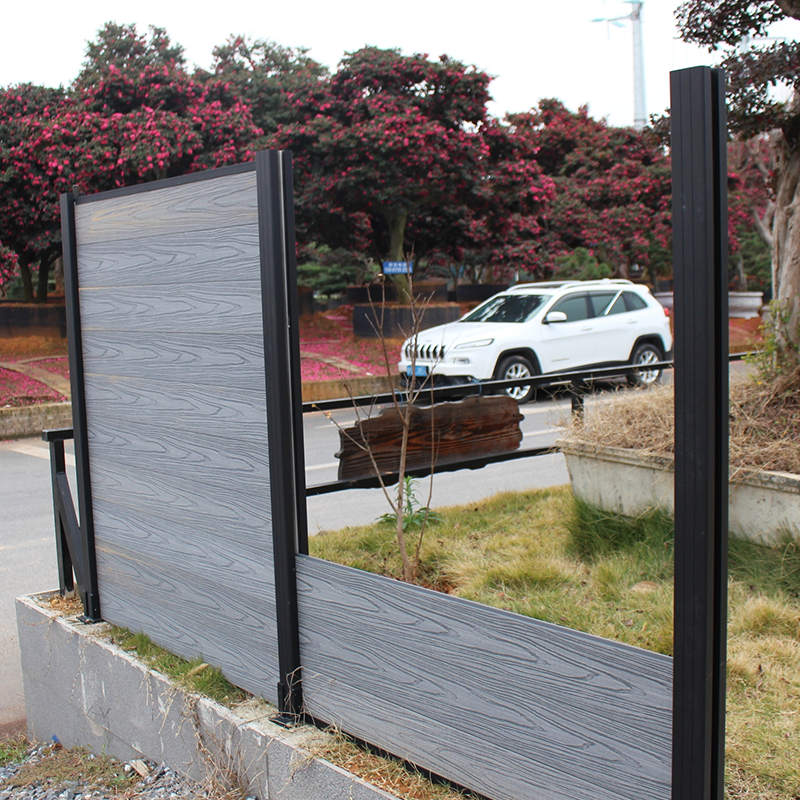
A patio railing guards a drop or marks an edge. A fence closes a boundary, blocks sight lines, and adds privacy. If your patio needs screening from a neighbor or a road, a pure guardrail may not solve the real problem. An aluminum-reinforced WPC fence uses a metal frame for structure and WPC boards for privacy and a wood-like face. It can be a better match for a patio perimeter, pool equipment screen, or garden boundary than a decorative railing.
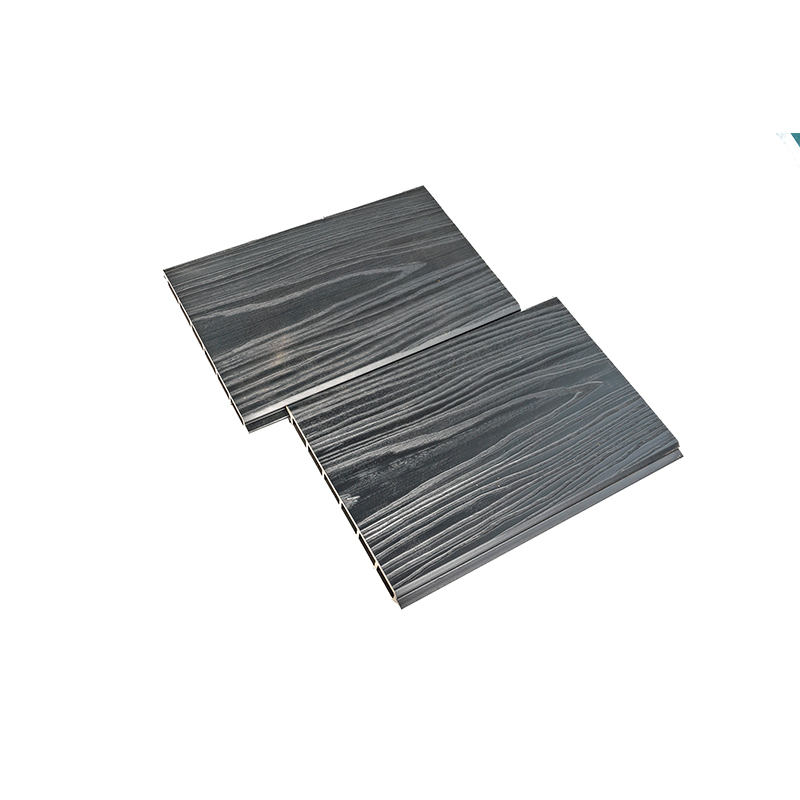 Aluminum-Reinforced WPC Privacy FencingFor patio perimeters or garden boundaries, this composite fence combines a metal frame with wood-grain panels for privacy and a wood-like face.View Product →
Keep the roles separate. Use a tested guardrail where code requires fall protection, and use a fence where privacy or boundary marking is the goal. Mixing the two without an engineered detail can create an inspection problem.
A useful quote should show the tested system, not only a price per foot. Ask for the alloy and temper, coating specification, fastener grade, post spacing, anchor type, and the code report or test summary for the guard assembly. Confirm what is included: posts, base covers, top rail, infill, brackets, gate hardware, and touch-up paint. On stairs, ask for the angled transition details. On coastal sites, ask for 316 stainless and a coating suitable for salt exposure.
Before you send drawings, mark the patio edge, stair nosing, and any water drainage path. A supplier can price faster when the substrate and layout are clear. If the project includes composite fencing or WPC privacy panels, send those dimensions in the same package so the aluminum railing and fence posts do not conflict. You can send the layout and code summary through the contact page for a coordinated quote.
The best aluminum patio railing is the one that fits the inspection, the weather, and the way the patio is used. Start with code and substrate, then choose infill and finish. That sequence keeps the project predictable after the boxes arrive.



 English
 Français
 Español
 Deutsch