2026-10-30
Content
Picture a 12 by 30 foot deck behind a house. One quote covers pressure-treated pine boards and joists. The other covers composite boards with matching clips and a hidden fastener system, and it lands somewhere between forty and sixty percent higher before labour is added. That gap is the whole decision for most buyers, and it is also where most of them misread the numbers.
Here is the conclusion first. If you plan to keep the deck for fifteen years or more and would rather not lose a weekend every second spring to sanding and re-staining, composite decking wins on lifetime cost and effort. If the lowest possible first invoice matters most and you accept regular refinishing, wood still covers the same footprint for less money on day one.
The rest of this article explains why, and which details change the answer.
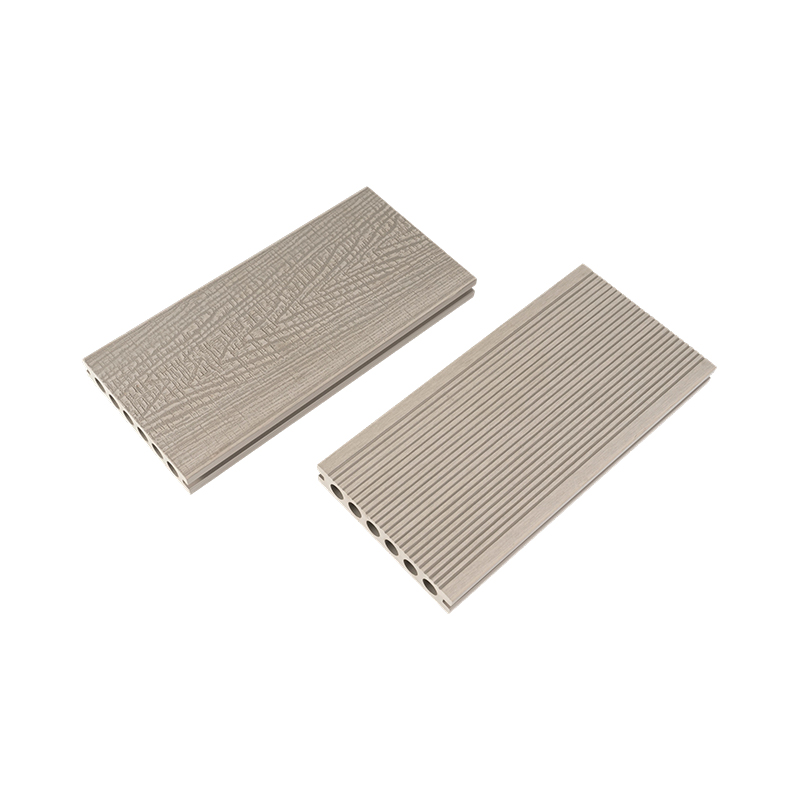
Composite decking, also called WPC, is a blend of polyolefin plastic and treated cellulose, typically wood flour or rice husk. The cellulose provides stiffness and the wood-like feel underfoot, while the plastic binds the mix, seals it and keeps water out. Boards are extruded rather than sawn, which is why the profile can be shaped into hollow channels and locking grooves.
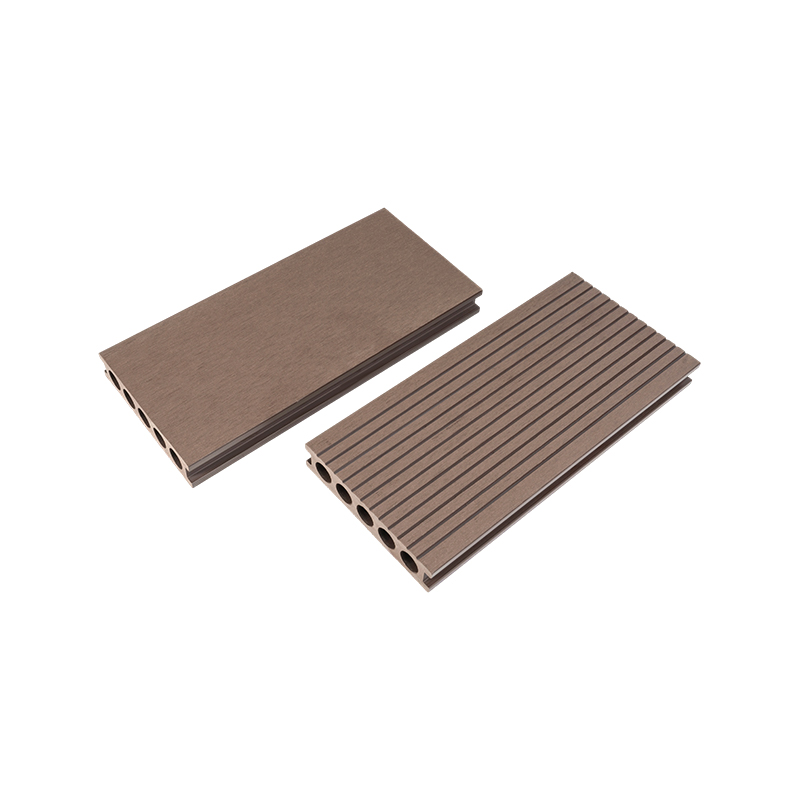
Two structural choices matter more than most brochures admit. The first is the core: hollow profiles are lighter, use less material and shed heat faster, while solid profiles hold fasteners better and feel more substantial. The second is the surface: uncapped boards carry colour through the full profile and can fade or stain, whereas co-extruded boards have a protective polymer shell bonded over a core during extrusion, which is what keeps oil, grease and leaf tannin out of the surface.
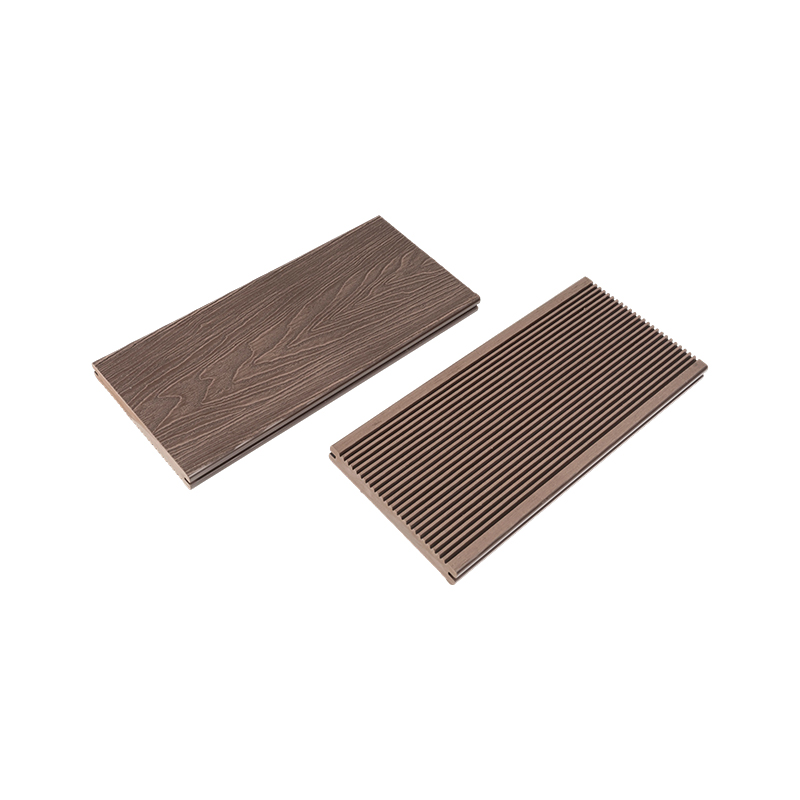
Texture is the third variable. A 3D embossed finish presses a genuine grain pattern into the board under heat and pressure, so the texture belongs to the plank instead of sitting on top as a printed layer. For the composition and production route in more detail, this explanation of what WPC decking is covers the material science behind the boards.
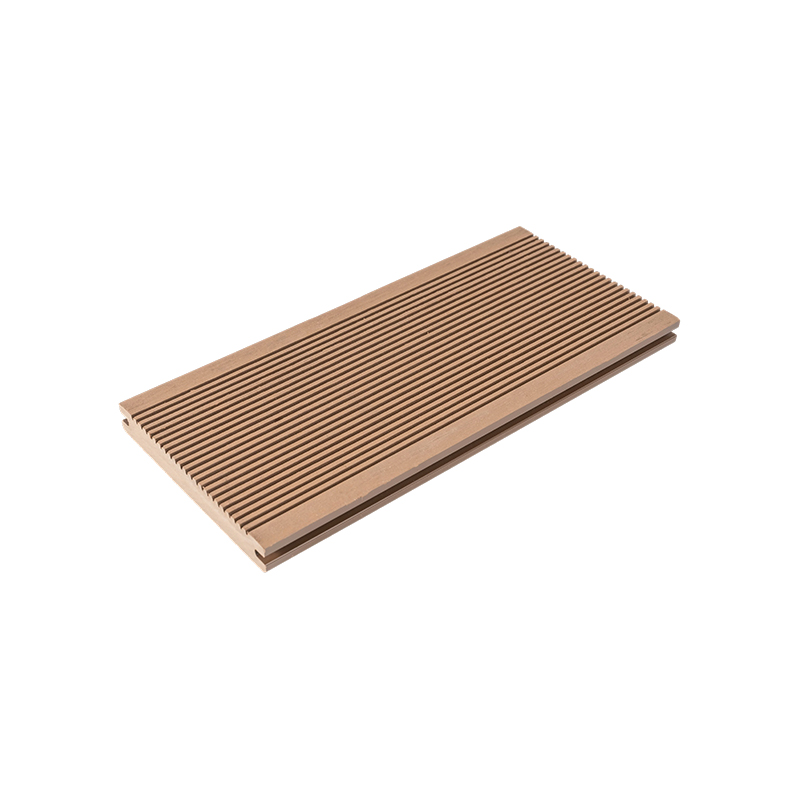
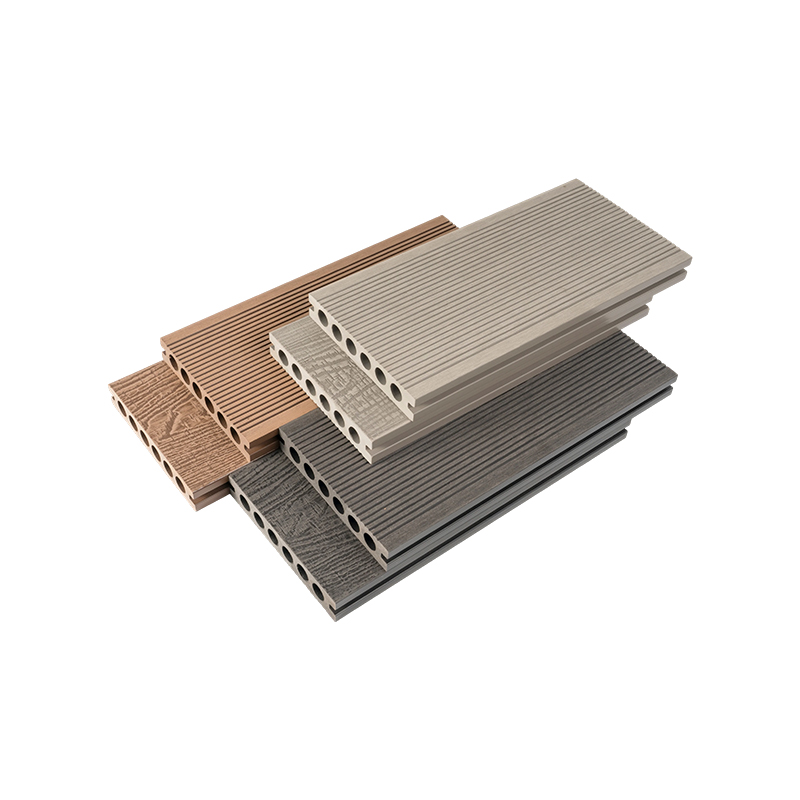 Hollow 3D Embossed WPC Decking BoardA hollow WPC deck board with embossed wood-grain texture and grooves, offering lighter handling and slip resistance for outdoor decks.View Product →
Wood wins the first invoice. Composite usually wins the decade. The gap closes because timber is not a finished product; it is a product that has to be finished, and then finished again.
| Item | Pressure-treated wood | WPC composite | What drives the difference |
|---|---|---|---|
| Board package, first cost | Lowest of the two | Roughly 1.5 to 2.5 times wood | Resin content, cap layer and profile complexity |
| Framing and fasteners | Treated joists and coated screws | Similar joists plus clips or hidden fasteners | Clip count and accessory package per square foot |
| Surface finishing | Sealer or stain every two to three years | Soap, water and a soft brush twice a year | Coating cost plus the hours to apply it |
| Expected service life | Ten to fifteen years with care in wet climates | Twenty-five to thirty years for capped boards | Rot, insect pressure and UV exposure |
| Repairs | Board replacement, sanding, re-fastening | Occasional board swap, colour matched from stock | Availability of matching material later |
| Twenty-year ownership | Highest once labour is counted | Usually the lowest | Maintenance hours and replaced material |
Two hidden costs deserve attention before anything is signed. Composite needs a specific joist spacing, often tighter than timber, and it needs airflow beneath the boards, so a deck built tight to the ground can add cost on either material. Composite also expands and contracts with temperature, which is why clips, gaps and edge trim are structural parts of the system rather than optional extras.
This is the clearest performance gap. Wood absorbs water, and the parts that fail first are the ones you cannot see: the ledger against the house, the joist ends, and any board end grain sitting near soil. Termites, carpenter ants and decay fungi all treat a damp deck as a food source.
WPC removes that food source. The cellulose inside a composite board is encapsulated in plastic, so it does not swell, does not rot and does not attract insects, and the surface does not shed splinters the way weathered timber does. The qualifier is that not every composite behaves the same. Uncapped boards can still pick up mould staining in shaded, humid conditions, and hollow profiles need sealed ends so water does not collect inside the channel. A capped, co-extruded board with closed ends avoids both problems.
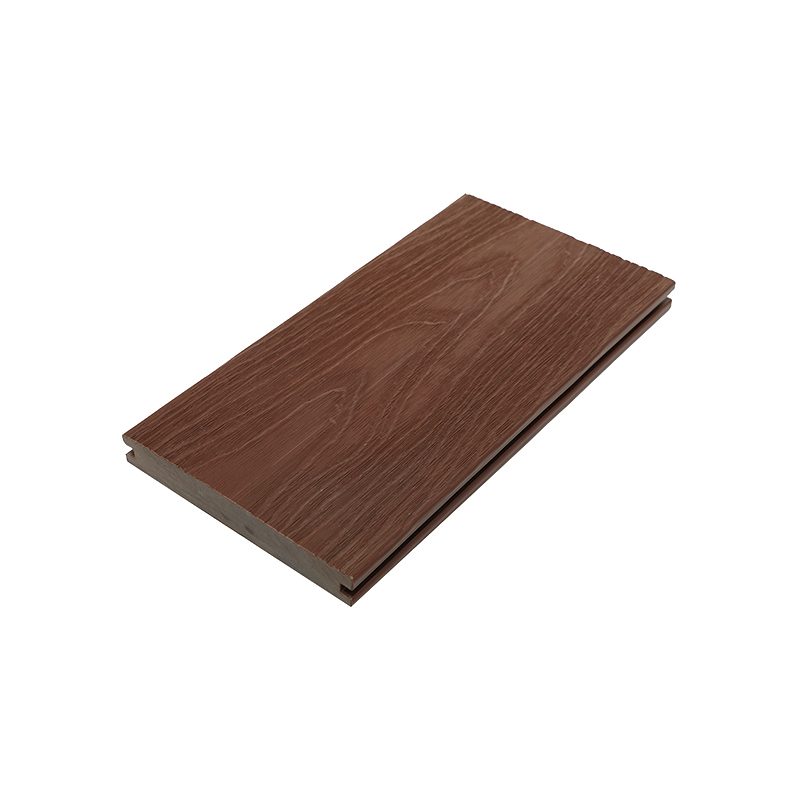 Solid Co-Extruded WPC Decking PlankA co-extruded WPC plank with wood-grain finish, low maintenance and moisture, mould and insect resistance for outdoor decking.View Product →
A timber deck follows a predictable cycle: inspect for soft boards and popped nails in spring, scrub off dirt and old coating, wait two or three dry days, then brush or spray a fresh sealer including every edge and end grain. That is eight to twenty hours of work for an average deck, plus the cost of the coating itself, repeated every two to three years.
A composite deck follows a shorter list: wash with soap and water twice a year, rinse, and wipe up oil or wine promptly if it spills. There is no drying window and no coating to buy. Across twenty years, that is roughly six to eight full refinishing cycles for wood against forty short cleaning sessions for composite. The coating materials cost real money, but the labour is the larger number.
On a hot afternoon in direct sun, a dark composite board reads hotter underfoot than a light one, and hotter than most weathered timber. Colour choice does most of the work here: light greys and sandy tones stay comfortable, while charcoal and dark walnut in full sun do not. Texture helps as well, which is why embossed and brushed surfaces are specified for pool surrounds and rooftop terraces where the surface is frequently wet. Both materials grow slippery once algae or pollen film forms, so cleaning frequency matters more than the material on that point.
Composite boards are heavier and move more with temperature than timber, so the substructure is not the place to save money. Joist spacing is set by the board supplier rather than by habit, ventilation beneath the deck keeps moisture moving, and expansion gaps at ends and edges prevent buckling in midsummer. Hidden clip systems set those gaps automatically, which is one reason installers prefer them on long runs.
Accessories do the quiet work: keel profiles that keep the frame straight, clips that hold the board without driving a screw through the face, edge caps that close cut ends, and adjustable pedestals for roof terraces where the surface cannot be drilled. Sourcing boards, clips and trim from one supplier matters more than it sounds, because a clip sized for a different groove profile simply will not hold.
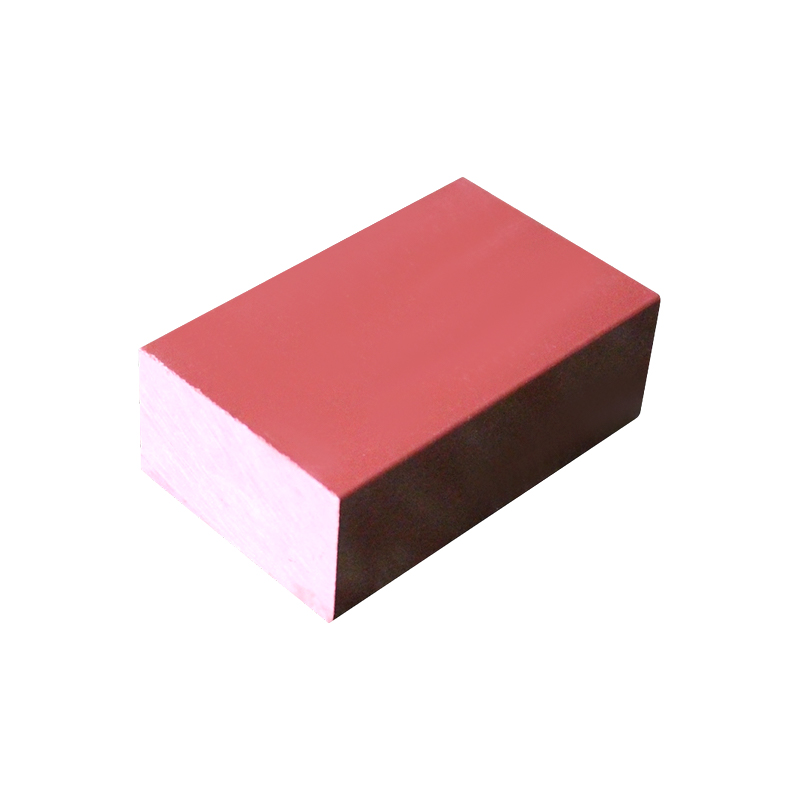 WPC Joist Keel for Flooring and Wall PanelsA WPC joist system for flooring, wall and ceiling panels, available in DoubleKeel or SteelKeel for stable, corrosion-resistant support.View Product →
For contractors, traders and landscape firms, the material decision is usually followed by a supplier decision. A WPC manufacturer that extrudes its own profiles can control the resin-to-fibre ratio, hold a colour standard across repeat orders, and cut custom cross-sections instead of only selling from a fixed catalogue. Senyu Wood has worked in wood-plastic composites for twelve years, states an annual capacity of 20,000 tonnes, and supplies decking, cladding, fencing and the matching accessory system from a single production base.
When you compare quotes on a project basis, ask for a sample of the exact profile you will receive, the joist spacing that board requires, and the accessory list that goes with it. Those three answers will tell you more about the finished deck than any brochure. You can send a specification through the contact page and get a profile and accessory list matched to the project.



 English
 Français
 Español
 Deutsch