Looking for a professional and reliable WPC manufacturer?

ENGLISH
 English
SEND INQUIRY
Looking for a professional and reliable WPC manufacturer?

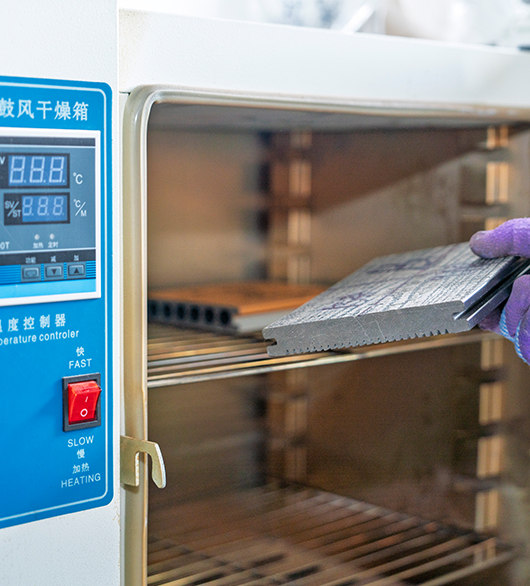
The types of hazards tested when wood plastic composite materials are subjected to alternating cycles of light and moisture at a specific temperature include: fading, discoloration, dimensional stability, powdering, cracking and blistering, brittle strength decline, and oxidation. This can reflect the durability of the WPC product.
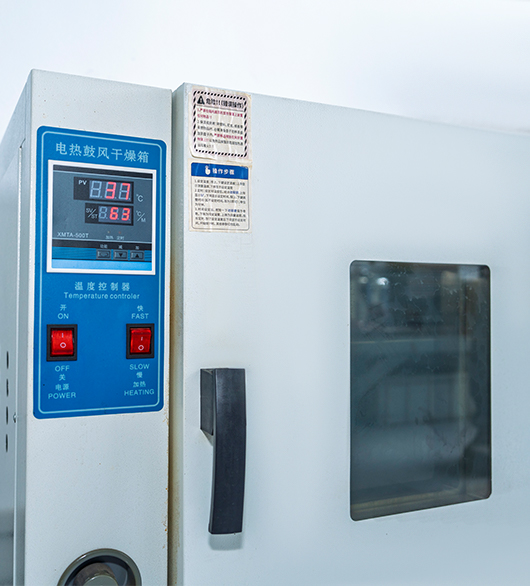
The types of hazards tested when wood plastic composite materials are subjected to alternating cycles of light and moisture at a specific temperature include: fading, discoloration, dimensional stability, powdering, cracking and blistering, brittle strength decline, and oxidation. This can reflect the durability of the WPC product.
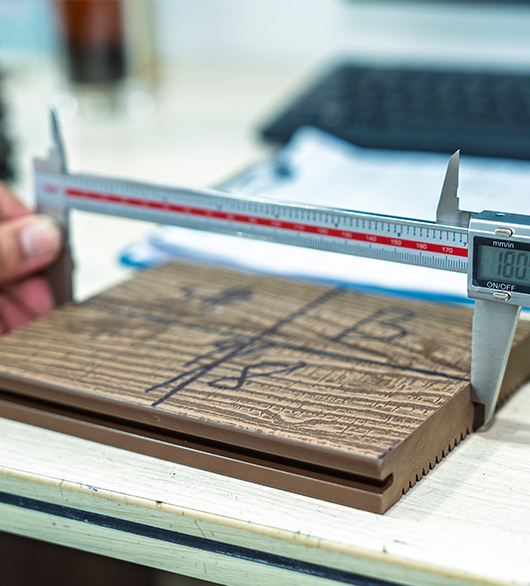
The types of hazards tested when wood plastic composite materials are subjected to alternating cycles of light and moisture at a specific temperature include: fading, discoloration, dimensional stability, powdering, cracking and blistering, brittle strength decline, and oxidation. This can reflect the durability of the WPC product.
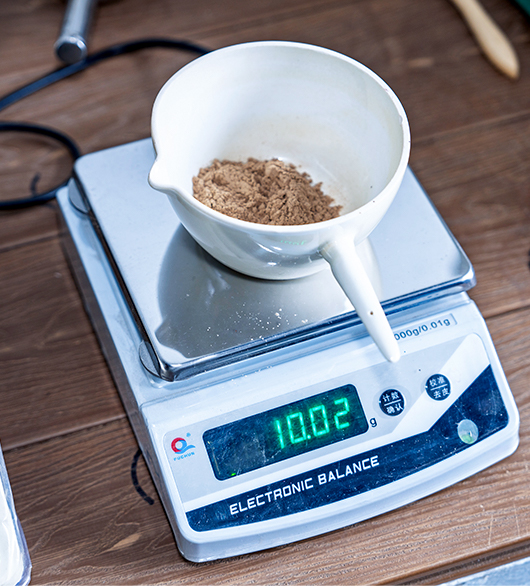
The test is for the raw material of wood flour. Measuring the ash content of wood flour can quantitatively reflect the content of inorganic substances in wood flour.
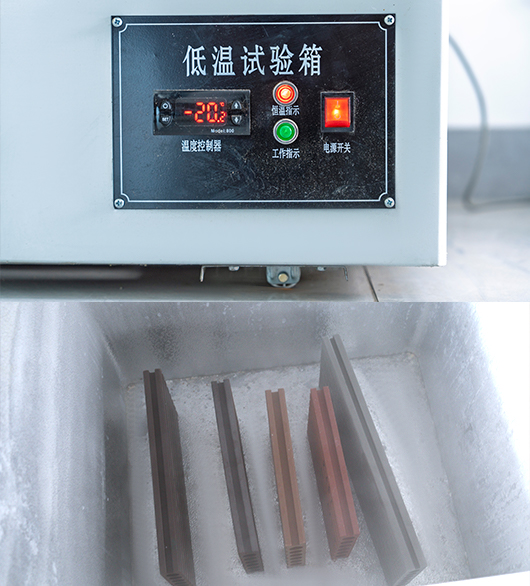
The freeze-thaw resistance test can be used to evaluate the adaptability of wood plastic composite materials to storage and use under temperature cycle changes and low-temperature environmental conditions on the product surface. This test can show the stability of WPC products.
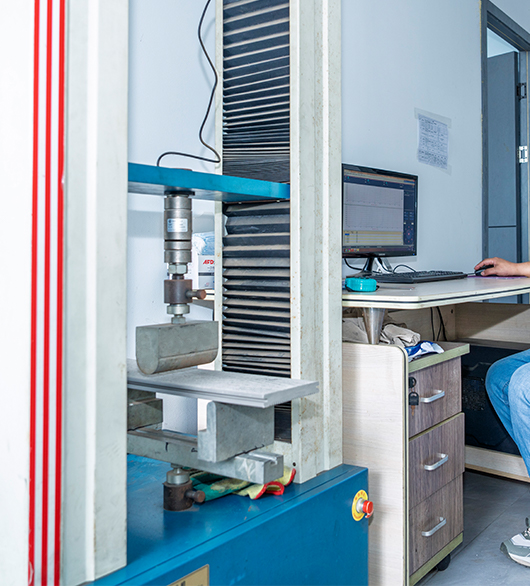
Conduct compression, bending, and other types of tests on wood plastic composite materials to achieve performance indicators such as bending strength and elastic modulus of WPC materials.
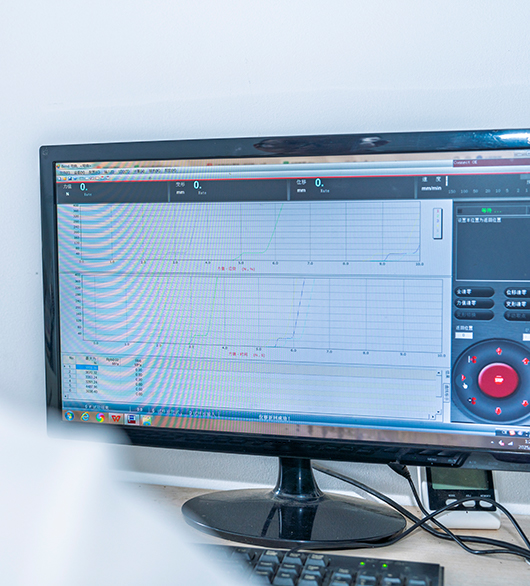
Conduct compression, bending, and other types of tests on wood plastic composite materials to achieve performance indicators such as bending strength and elastic modulus of WPC materials.
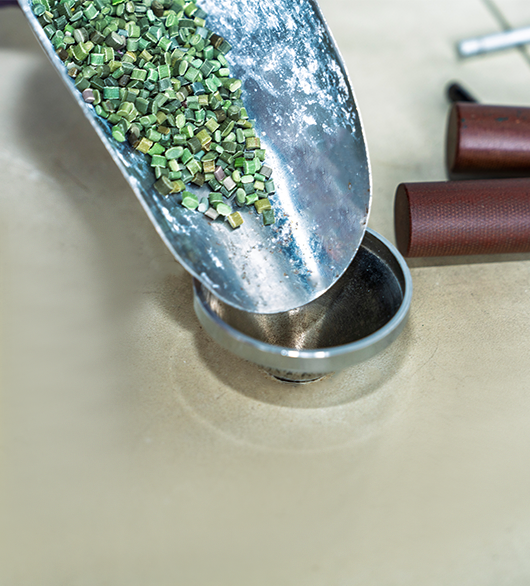
The test is for the raw material of plastic particles. Melt fluidity is one of the important indicators to measure the processing performance of PE. It determines the fluidity and formability of plastic particles during injection molding, extrusion, blow molding, and other processing processes. Plastic particles with good melt fluidity can better maintain fluidity and formability during processing.
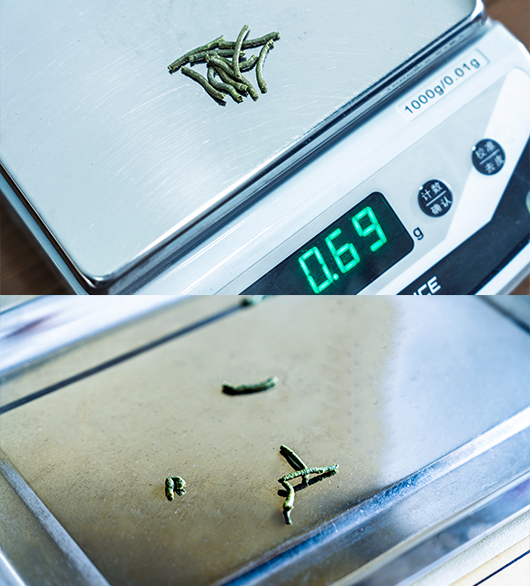
The test is for the raw material of plastic particles. Melt fluidity is one of the important indicators to measure the processing performance of PE. It determines the fluidity and formability of plastic particles during injection molding, extrusion, blow molding, and other processing processes. Plastic particles with good melt fluidity can better maintain fluidity and formability during processing.