2026-09-17
Content
Last winter, a homeowner asked us about white streaks and a dull patch that appeared on a two year old composite deck after several heavy snowfalls. She had used rock salt almost weekly, assuming that any ice melt product was safe on a manufactured board. The boards were not warped or cracked, but the cap layer looked worn around the fastener line and the surface felt slightly rough. That story is typical. The short answer is yes, you can put ice melt on composite decking, but the product you choose and the way you apply it make the difference between a deck that lasts and a deck that fades early.
Start with this conclusion: a calcium chloride based ice melt is the most practical choice for composite decking in most cold climates. It melts ice down to about minus 25 degrees Fahrenheit, leaves less visible residue than rock salt, and the granules are softer, so they are less likely to scratch the board surface underfoot. CMA is also safe for the surface and for plants, but it costs more and loses effectiveness once temperatures drop below about 20 degrees Fahrenheit. Potassium chloride can work in mild winter weather, but it is not the first option for a deck in a region that sees hard freezes.
Avoid sodium chloride rock salt and any ammonium based deicers. Rock salt granules are abrasive, the sodium byproduct forms a white film, and chloride ions promote corrosion on screws, joist hangers, and railing brackets that are not stainless steel. Ammonium based formulas are worse for aluminum railing and can stain the polymer cap layer.
If your deck boards have a co-extruded shell, that protective outer layer gives you more safety margin, but the chemical selection should be the same.
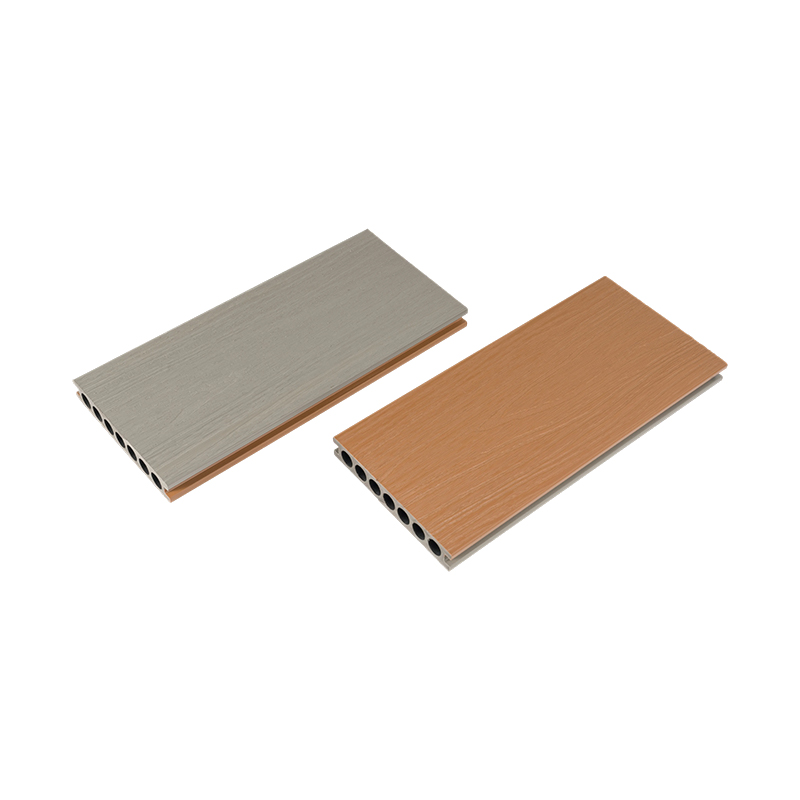
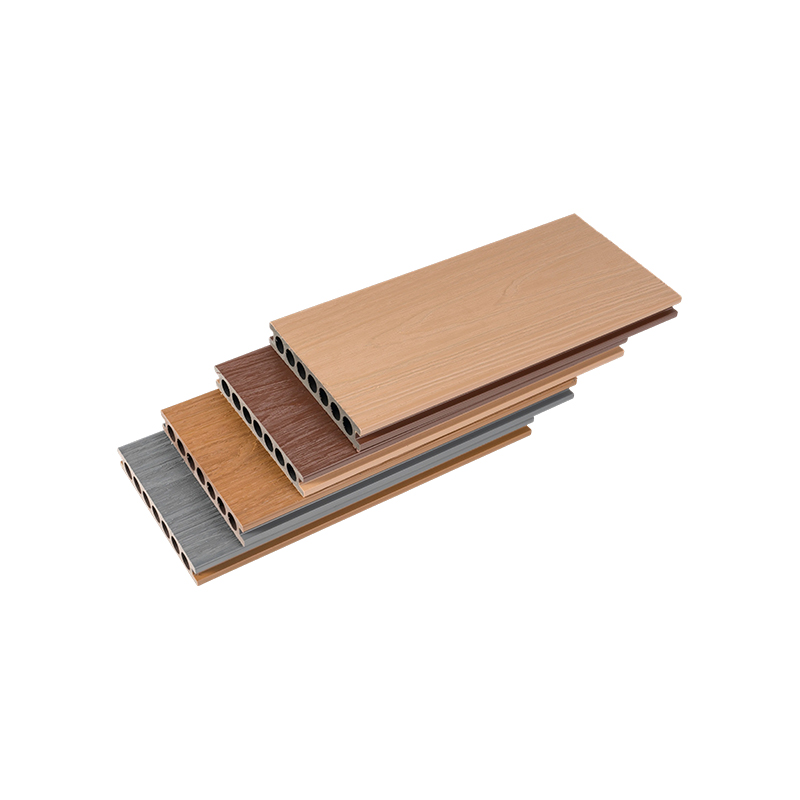 Hollow Co-Extruded WPC Decking Board with Dual-Color FinishThis decking features a hollow core and a fully enclosed co-extruded PE shell, which helps protect the surface and edges. Its recycled content and 360-degree cap address concerns about material durability and moisture resistance.View Product →
In other words, the material itself is not the limiting factor. The weakest links are the surface finish, the exposed cut edges, and the metal hardware that holds the deck together.
Ice melt chemicals lower the freezing point of water, turning a solid layer of ice into slush that you can remove with a push broom or plastic shovel. Calcium chloride raises the brine temperature as it dissolves, which gives it a head start on a very cold morning. That mechanism is the same on wood, concrete, or composite, but composite decking reacts differently from those materials.
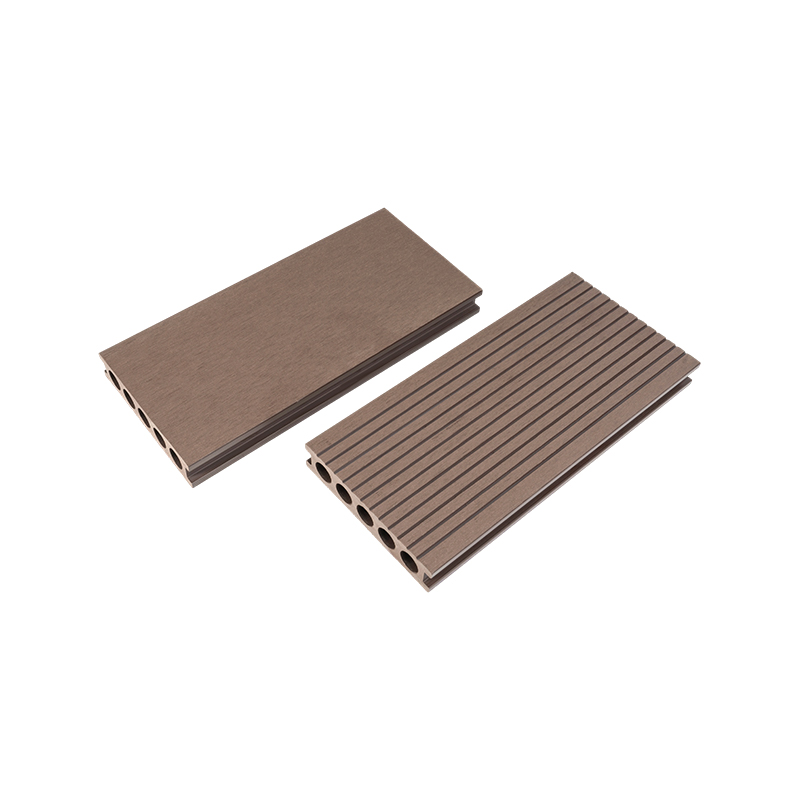
WPC decking is a blend of wood fiber and polyethylene or polypropylene. The plastic portion resists salt, while the fiber portion can absorb water if it is exposed through a scratch, a cut end, or a damaged cap layer. The visible damage you see after a winter is usually a combination of four mechanisms: hard granules scratching the surface, salt residue whitening the grain, chloride ions corroding fasteners, and melted snow seeping into exposed board edges. If you want to understand the board structure before choosing a winter care routine, read more about what WPC decking actually contains.
Damage is rarely immediate. Many homeowners only notice the dull patches and faint cracks after two or three winters, when the cap layer has already lost part of its original finish.
This chart compares the relative risk of three ice melt categories across four winter deck problems. Rock salt leads in surface scratching because its hard granules stay visible when spread too thickly. White residue is also strongest with rock salt, since sodium byproducts cling to the board grain after the freeze and thaw cycle. Calcium chloride lowers the scratching and residue risk notably, but it still leaves a moderate concern for fastener heads and rail brackets. CMA looks gentle on the cap layer, yet its lower melting power means you may need more passes in very cold weather. Use these values as a maintenance guide rather than a chemical guarantee, because the condition of your deck, hardware, and application technique all affect the final result.
Not every bag of ice melt is the same. The active ingredient determines the lowest practical temperature, the amount of residue, and the risk to your deck surface. The table below summarizes the main categories you will see in hardware stores, so you can compare them before buying.
| Chemical | Lowest Practical Temperature | Surface Risk | Residue | Cost |
|---|---|---|---|---|
| Sodium chloride (rock salt) | about 15 degrees F | High scratching and residue risk | Heavy white film | Lowest |
| Calcium chloride | about minus 25 degrees F | Low scratching risk | Low | Moderate |
| Potassium chloride | about 12 degrees F | Moderate | Low | Moderate |
| CMA | about 20 degrees F | Low on surface | Moderate | Higher |
| Ammonium based | about 10 degrees F | High corrosion risk | Moderate | Low to moderate |
Of these options, calcium chloride gives the best balance for composite decking in cold climates. It keeps working at temperatures where rock salt simply stops, and it does not leave the same heavy film on the board surface. If you want a more plant friendly option and your winters stay relatively mild, CMA is a reasonable alternative. For a deck with solid boards and a dense surface texture, the visual evidence of ice melt residue is usually easier to rinse off, especially on boards with a closed profile.
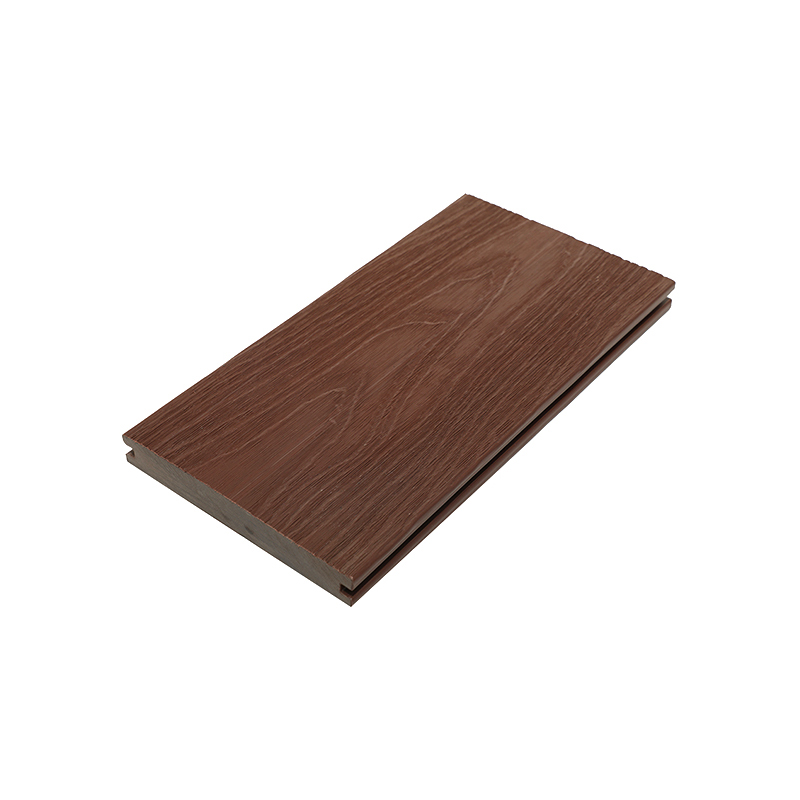
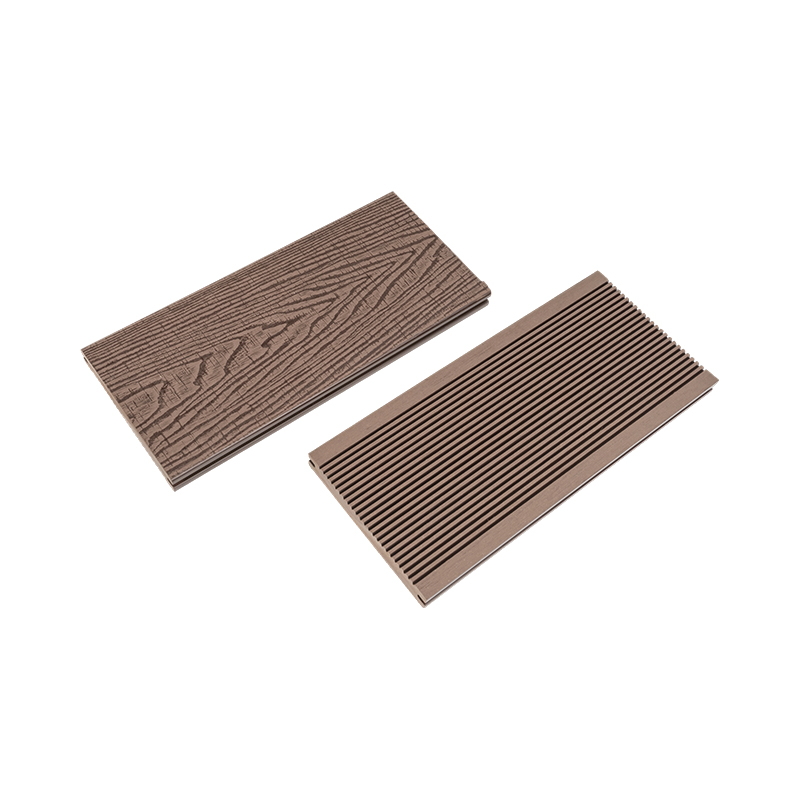 Solid Embossed WPC Decking with Deep Wood Grain TextureWith a solid profile and 3D embossed texture, this composite decking offers a natural wood look and easy-to-clean surface. The dense closed texture may allow ice melt residue to rinse off more readily, as mentioned in the surrounding discussion.View Product →
This horizontal bar chart scores deck friendliness for five common ice melt chemistries on a scale of zero to ten. CMA earns the top score because it is mild on the polymer surface, safe around plants, and leaves a residue that rinses off with water. Calcium chloride sits just behind it and becomes the better choice in regions where winter temperatures fall below 20 degrees Fahrenheit. Potassium chloride ranks in the middle: it is acceptable for occasional use but not as effective as calcium chloride during deep freezes. Rock salt lands lower because of its abrasive grains and heavy white film. Ammonium based products sit at the bottom, since they can corrode aluminum railing and stain the board surface. If you see a product bag that mentions urea or ammonia, keep it off your composite deck.
Start with a plastic shovel or a snow blower set to a high clearance. Remove as much snow as possible before anything melts, because packed snow holds moisture against the board and keeps the surface slippery longer. Once you reach the ice layer, spread a thin, even layer of ice melt over the frozen areas only. You do not need to coat the whole deck; the brine will spread as it melts. Wait for the ice to soften, then push the slush off with a plastic edge shovel or a wide broom. Avoid metal ice scrapers and sharp tools that can gouge the cap layer.
After the storm passes, rinse the deck with plain water to flush away dissolved chemicals and reduce the chance of white residue. The effectiveness of this routine depends on temperature, and this chart shows why calcium chloride is the safer bet for composite decks in cold climates.
This line chart shows how melting effectiveness drops as temperature falls. Calcium chloride keeps working even at minus 20 degrees Fahrenheit, which is why it suits cold climate decks. Rock salt stops meaningfully melting once temperatures approach 15 degrees Fahrenheit, and by 10 degrees its effectiveness is close to zero. Potassium chloride performs slightly better than rock salt but still fades quickly between 10 and 5 degrees Fahrenheit. The practical takeaway is that a product that works today may fail tomorrow if a cold front moves in. For a composite deck in a region that regularly sees single digit temperatures, calcium chloride is the only common option that continues melting while remaining reasonably gentle on the surface.
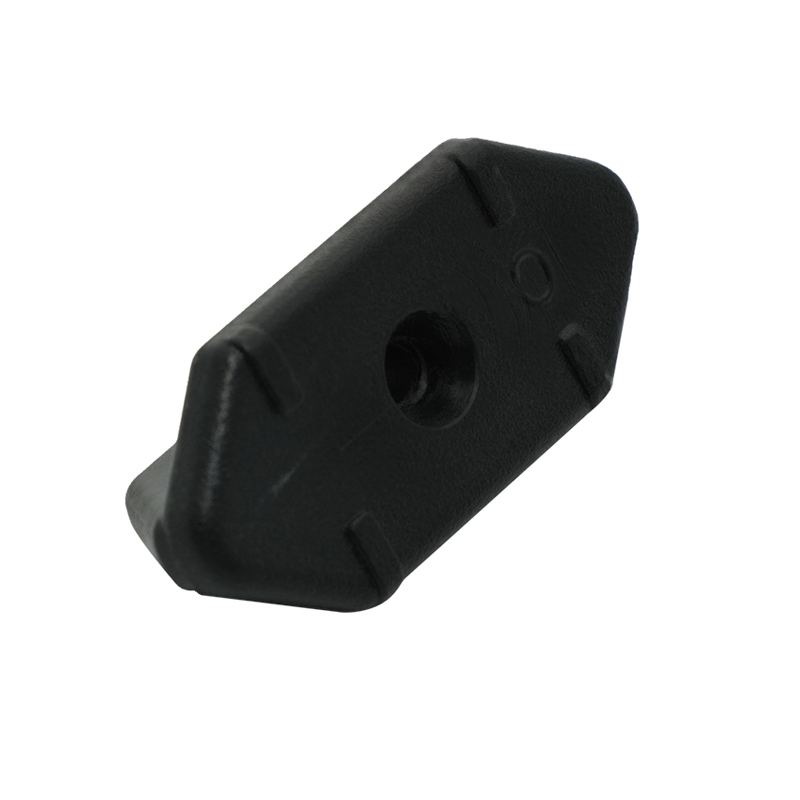
If you notice that your deck boards are cupping, popping, or showing stains around the clips, stop using chemicals and inspect the substructure. Winter is the most stressful season for the joist system and the clips that hold each board. You can review the complete deck clip and fastening system accessory range used to build a stable composite deck.
Residue is not only a cosmetic issue. Leftover chloride can stay active and keep pulling moisture from the air, which slows drying and encourages mildew in shaded corners. The simplest cleanup is a water rinse after the ice is gone. For deeper cleaning, use a mild dish soap and a soft bristle brush, then rinse thoroughly. Do not use a pressure washer on a narrow jet setting, because the concentrated stream can strip the cap layer or open the seam between the grain texture and the polymer base. Pay extra attention to cut ends, corner boards, and areas around stair stringers where water collects.
If you used a calcium chloride product, the residue is usually water soluble and rinses away without detergent. If you used rock salt, you may need two rinse passes to remove the whitish film completely.
The radar chart compares calcium chloride, rock salt, and CMA across five factors that matter for composite deck maintenance. Calcium chloride dominates the low temperature performance axis, which is the main reason it appears in most winter maintenance plans. CMA shows the most balanced shape on the surface safety and eco friendliness sides, but its low temperature score is the weakest of the three. Rock salt wins only on affordability, while trailing behind on every other measurement. The overlapping areas between calcium chloride and CMA show that no single product is perfect for every situation. Most owners end up choosing calcium chloride for practical availability, or CMA when plants and groundwater runoff are the main concerns.
There are a few situations where you should not reach for a chemical deicer. During the first season after installation, some composite boards still have residual manufacturing dust and polymer bloom on the surface, and melting chemicals can make that film more visible and harder to rinse. If your deck is shaded and the temperature stays below the effective range of the product, chemical melting becomes wasteful. In that case, use a synthetic winter mat or rubber traction strip where people walk, and remove snow mechanically.
On a newly capped deck with a heavily textured surface, fine granules may lodge in the grain and take extra effort to flush out. When plants sit near the deck edge, prefer CMA or a calcium chloride product with low sodium content, and rinse the runoff away. Finally, if your deck hardware is uncoated mild steel, inspect the fasteners before winter starts and replace them with stainless or coated options where possible. Mechanical removal is always the gentlest method. Chemicals are a tool, not a substitute for clearing snow early.
Use calcium chloride ice melt in moderation, remove snow first, and rinse the deck after the event. Keep rock salt and ammonium based products off the surface entirely. For a deck designed for cold climates, a co-extruded or sealed surface gives you more protection, but maintenance habits matter more than the board recipe. Inspect the clips, joists, and fasteners at the start of every winter. If a repair reaches the point of replacing damaged boards, choose a solid, wood grain composite board that can be cleaned easily and supports the same fastening system.
Following these steps will not turn your composite deck into a maintenance free surface, but it will keep it looking close to new season after season.



 English
 Français
 Español
 Deutsch