2026-08-28
Content
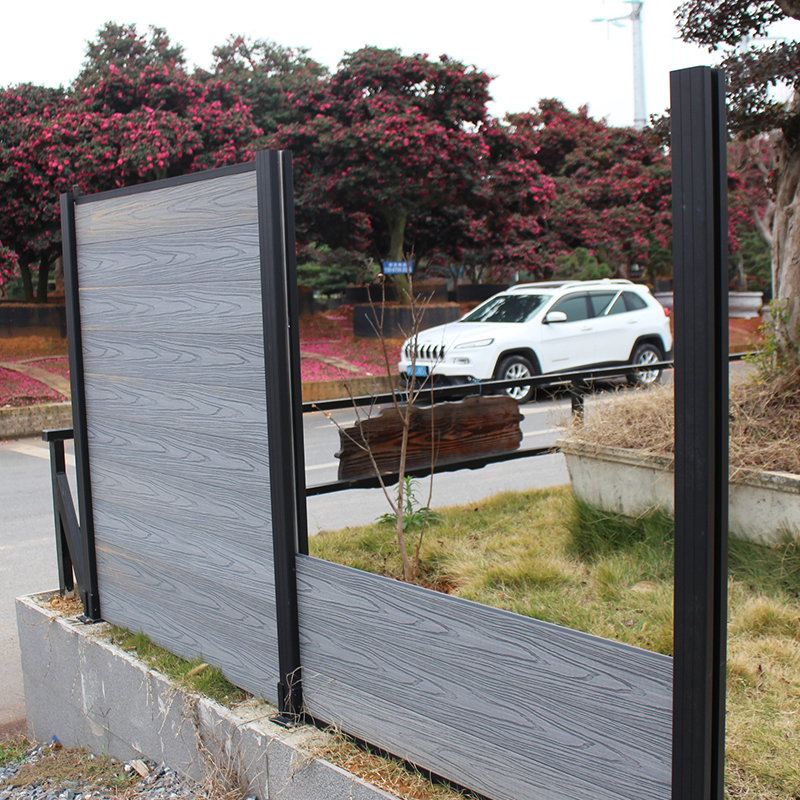
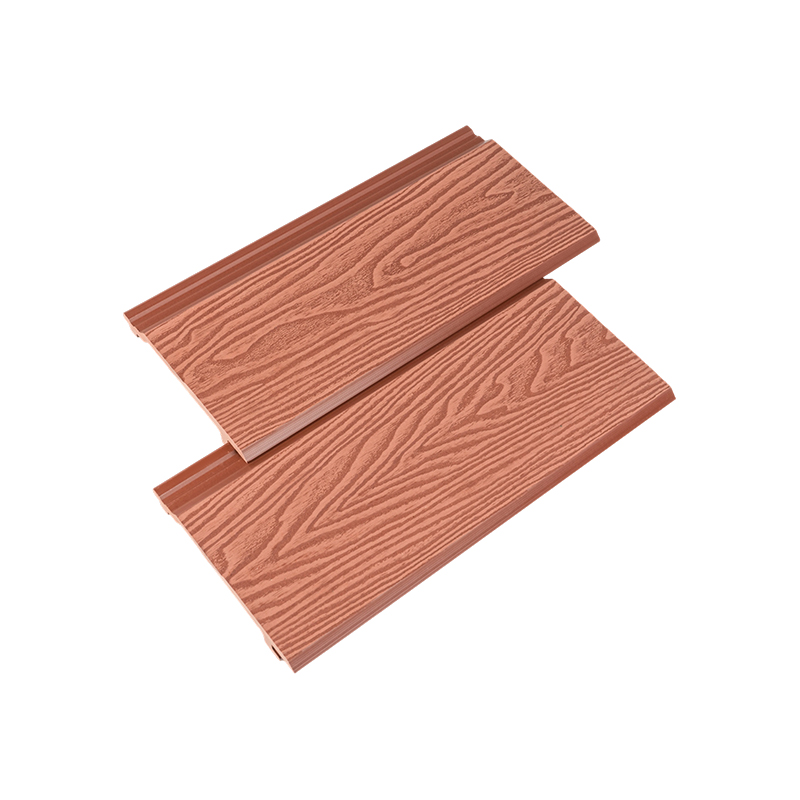
WPC wall cladding typically lasts between 20 and 30 years when properly installed and maintained, significantly outperforming solid wood cladding, which generally requires replacement or major refinishing within 10 to 15 years. This extended lifespan comes from the material's resistance to moisture absorption, insect damage, and UV degradation, all of which are common causes of premature failure in traditional wood siding. Actual lifespan varies based on climate exposure, installation quality, and how closely maintenance guidelines are followed, but the underlying composite structure is engineered to resist the environmental factors that most quickly degrade natural wood.
While manufacturers commonly cite a 20 to 30 year lifespan range for WPC wall cladding, real-world performance depends on several variables that can shift a panel's service life toward either end of that range.
Properly installed WPC Wall Cladding that follows manufacturer spacing and ventilation guidelines consistently performs closer to the upper end of the lifespan range, while panels installed without adequate airflow behind them tend to show earlier signs of wear.
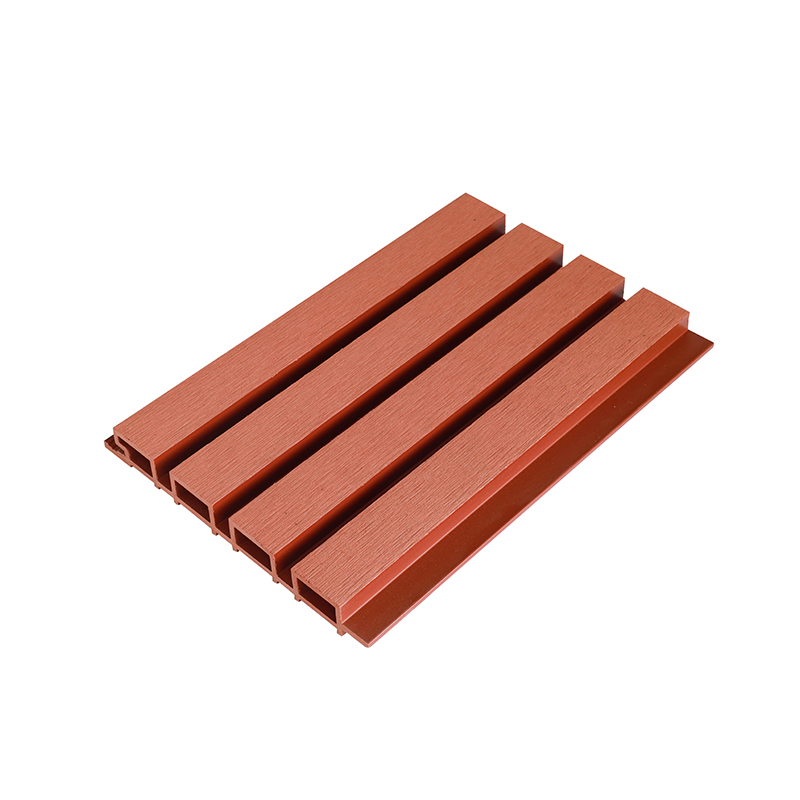
Understanding how WPC wall cladding stacks up against other common exterior materials helps clarify why it has become a preferred option for long-term building envelope performance.
| Material | Typical Lifespan | Maintenance Needs |
| Solid wood cladding | 10 to 15 years | High |
| Vinyl siding | 15 to 20 years | Low |
| WPC wall cladding | 20 to 30 years | Very low |
These figures are consistent with lifespan estimates commonly reported across the composite building materials industry, where the combination of moisture resistance and low maintenance needs gives WPC panels a clear durability advantage over both traditional wood and standard vinyl products.
Climate is one of the most significant variables influencing how long WPC wall cladding actually lasts in the field, since different environmental conditions stress the material in different ways.
In humid or coastal climates, moisture resistance is the dominant factor affecting lifespan. Because WPC panels absorb minimal water compared to solid wood, they avoid the swelling and rot cycles that shorten the service life of untreated timber in these environments.
In regions with intense, consistent sun exposure, UV stabilizer quality becomes the limiting factor. Panels with weaker UV additive formulations may show fading or surface chalking sooner, even if moisture resistance remains strong.
In colder climates with repeated freeze-thaw cycles, dimensional stability matters most. WPC panels generally handle these temperature swings better than wood, since minimal moisture absorption reduces the freeze-related expansion that can crack water-saturated wood fibers.
Even with a long expected lifespan, WPC wall cladding will eventually show signs that indicate replacement or repair may be needed. Recognizing these signs early helps prevent more significant damage to the underlying wall structure.
In most cases, warping or bowing found earlier than expected traces back to installation errors, such as missing ventilation gaps or improperly spaced fasteners, rather than a failure of the WPC material itself.
Even the highest quality WPC wall cladding will underperform if installed incorrectly. Ventilated installation systems that allow airflow behind the panels are essential for reaching the upper end of the expected lifespan range.
A properly ventilated batten system prevents condensation from becoming trapped behind the cladding, which is one of the leading causes of premature material breakdown even in otherwise moisture-resistant composite panels.
Panels installed with correct expansion gaps at joints and around trim pieces avoid the stress cracking that can occur when composite material is fastened too rigidly, further protecting long-term structural integrity.
While WPC wall cladding requires far less maintenance than solid wood, a small amount of routine care can help panels reach or exceed the higher end of their expected lifespan.
These simple steps require minimal time compared to the sealing and staining schedules demanded by solid wood, yet they meaningfully support the long-term performance of WPC wall cladding over its full service life.
Manufacturer warranties often provide a useful benchmark for understanding expected lifespan, since warranty terms are typically based on internal durability testing and field performance data. Many WPC cladding products carry warranties ranging from 10 to 25 years against structural defects, fading, or material degradation, giving property owners a reasonable expectation of how long the panels are engineered to perform under normal conditions.
Lifespan is a particularly important factor for property owners in humid, coastal, or high-UV regions where solid wood cladding tends to fail well before its expected replacement date. Commercial developers managing large facades also benefit from the extended lifespan of WPC panels, since fewer replacement cycles translate into lower long-term maintenance budgets across the life of the building.



 English
 Français
 Español
 Deutsch