2026-11-06
Content
The most expensive mistake in a yard railing project is usually found after the posts are set in concrete. A 44 foot run split into 8 foot bays leaves a 4 foot remainder, and when panels arrive in fixed lengths that remainder becomes a custom bay, a cut panel or a second delivery. Layout decides cost long before color does. The notes below cover how material, span, height and hardware interact, so the order you place matches the yard you actually have rather than the yard on a brochure page.
For most yards in humid, coastal or freeze-thaw climates, a wood plastic composite or an aluminum-framed railing delivers the lowest lifetime cost because upkeep is minimal and the profile does not rot. Timber still wins on first cost and on projects where a specific painted finish has to match an existing facade. Vinyl sits between the two on price, but impact resistance drops in hard cold, and long unsupported spans can sag over time. Traffic matters as much as weather: a boundary line along a public footpath takes knocks that a rear garden rail never sees.
The comparison below is written for bulk buyers weighing a full run, not a single panel.
| Material | Weather behaviour | Upkeep | Relative cost | Fits best |
|---|---|---|---|---|
| Wood plastic composite | Low moisture movement, resists rot and insects | Wash down once or twice a year | Mid | Humid, coastal and freeze-thaw yards |
| Treated pine or cedar | Takes up water, checks and warps over time | Sand and recoat every year or two | Low | Dry climates and phased projects |
| Vinyl (PVC) | No rot, but brittle in hard cold | Soap and water | Low to mid | Mild climates, straight sheltered runs |
| Powder-coated aluminum | Dimensionally stable, strong for its weight | Occasional wash, touch up at scratches | High | Long spans, exposed sites, gates |
| Powder-coated steel | Strong, but rust starts at cuts and welds | Inspection and touch up each season | Mid to high | Inland sites where salt is not an issue |
Quantity is driven by bay count, not linear feet. Work through these points before requesting a quotation:
On sloped ground, step the rail in level bays rather than racking a rigid panel, and confirm the step drop with the client before fabrication.
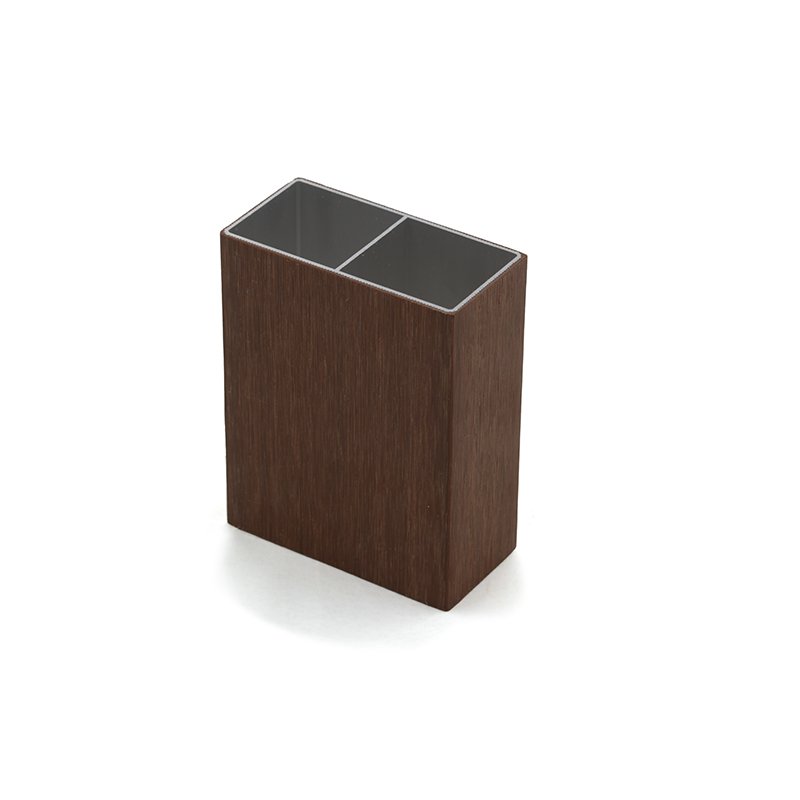
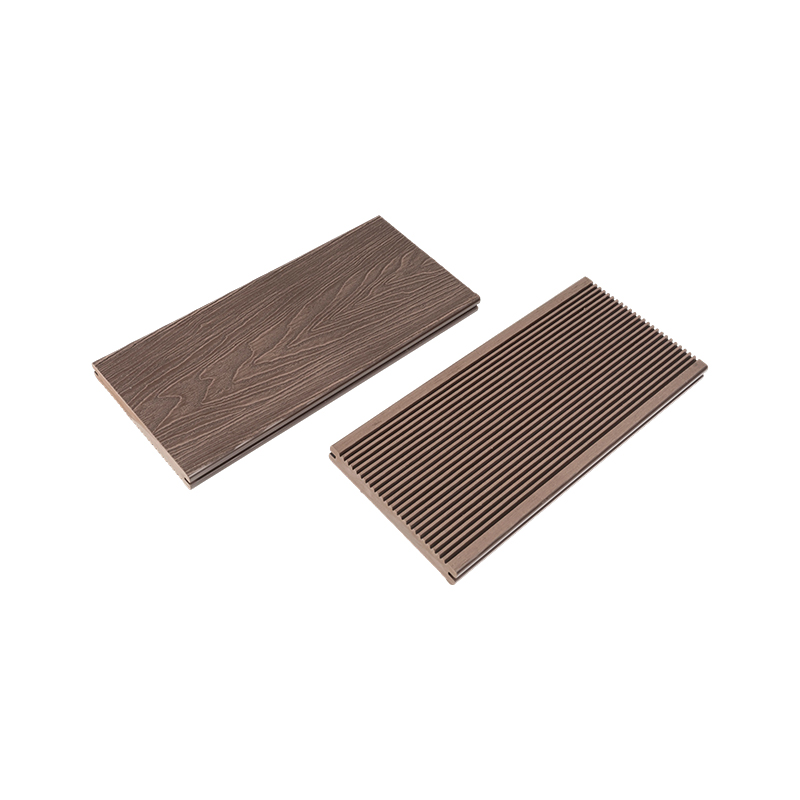
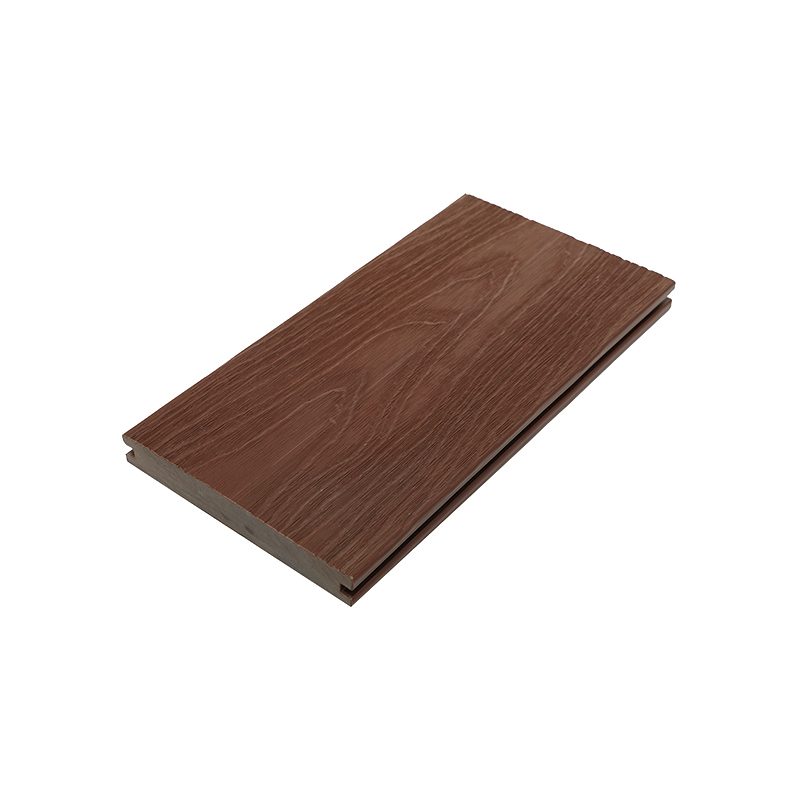
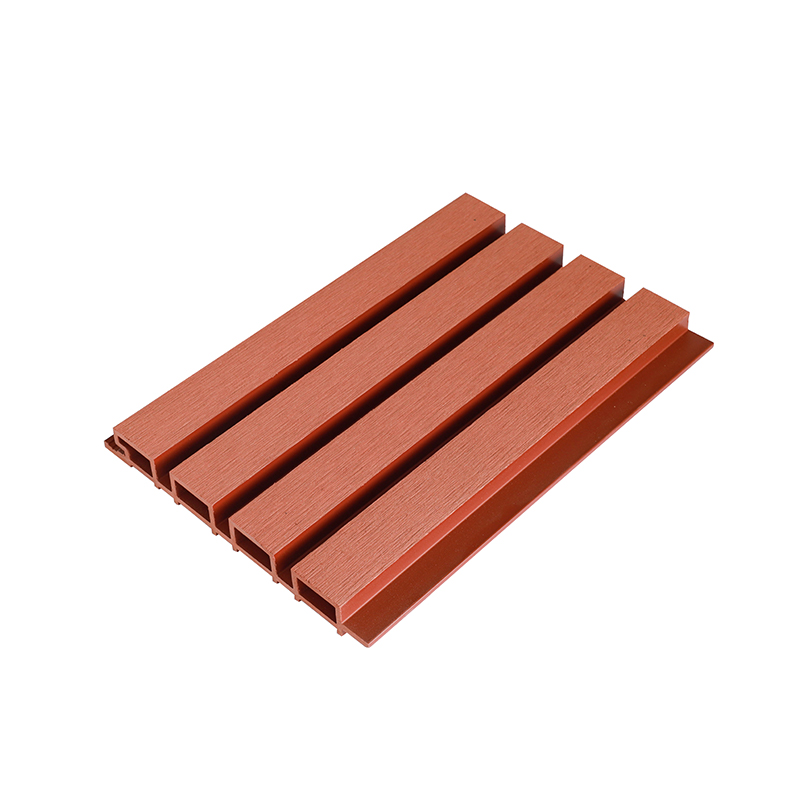
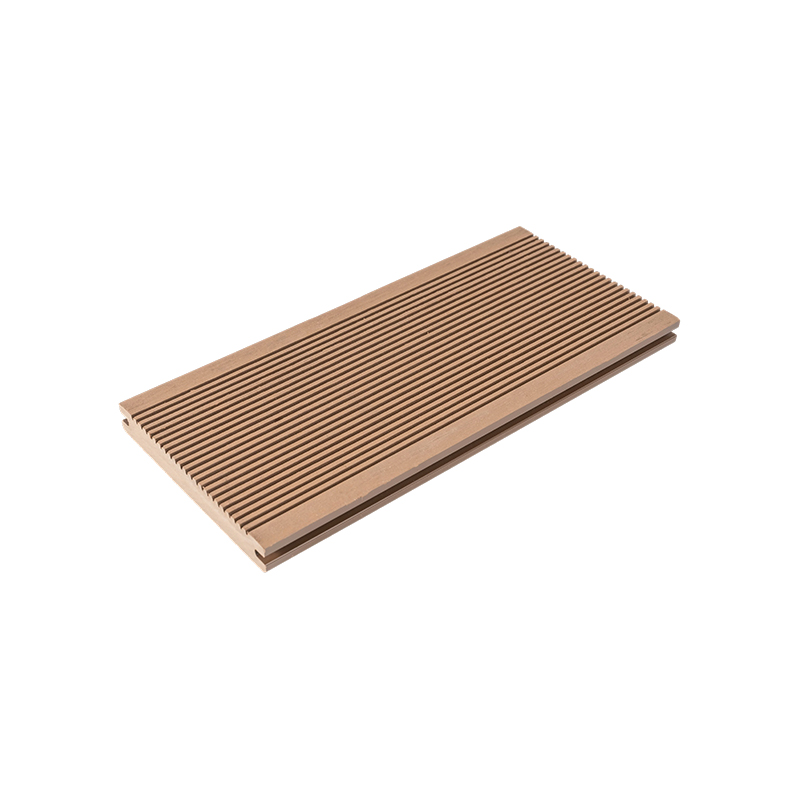
Wood plastic composite combines polyolefin plastic with treated cellulose fiber, extruded into posts, rails and infill boards. The material does not absorb enough water to rot, and the surface holds a wood grain texture without needing a stain cycle. Hollow profiles save weight and cost on standard runs, while solid profiles are chosen where fittings, fixings or impact resistance matter more. Co-extruded lines add an outer cap in a second color or formulation, which improves color stability and lets a project match brickwork or paving. If you want the fuller material background, this explanation of what composite fencing is made of covers the formulation side in more depth.
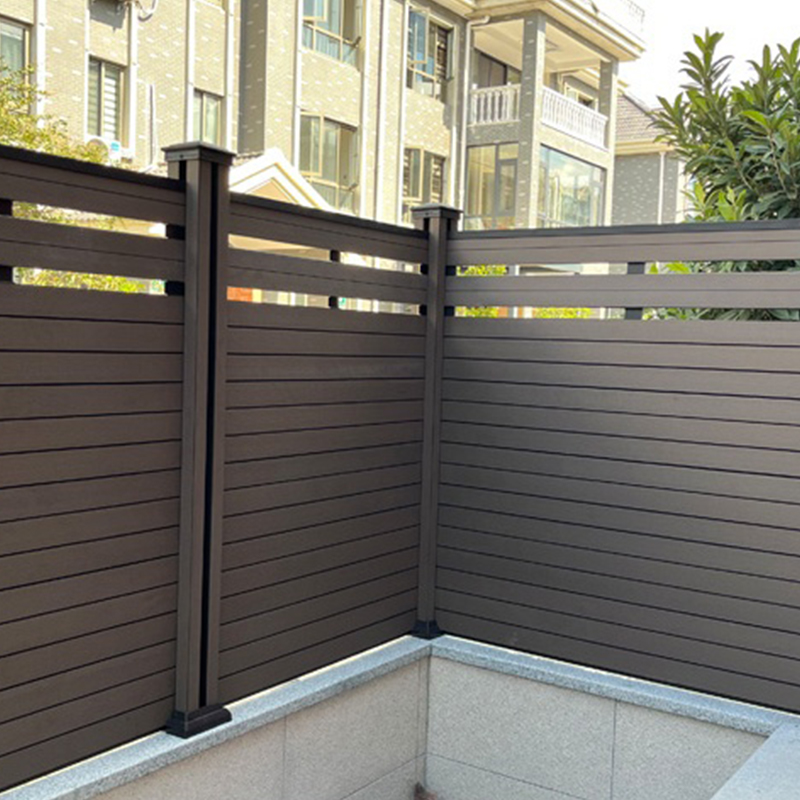 Wood-Plastic Composite Fence with Horizontal Charcoal PanelsA modular WPC fence with wood-grain texture, charcoal horizontal panels, and low-maintenance resistance to rot, moisture, and insects for courtyards and gardens.View Product →
A composite rail with an internal aluminum core behaves differently from a plain composite profile. The metal carries the load, so bays can be longer, gate posts stay straight under constant use, and the line resists wind pressure on exposed plots. On a corner site or a yard that opens onto open ground, this is usually the cheaper long-term answer than adding extra posts to shorten spans. The added cost is concentrated in the posts and top rail, so a mixed approach works well: reinforced sections at gates, corners and long spans, standard composite bays elsewhere.
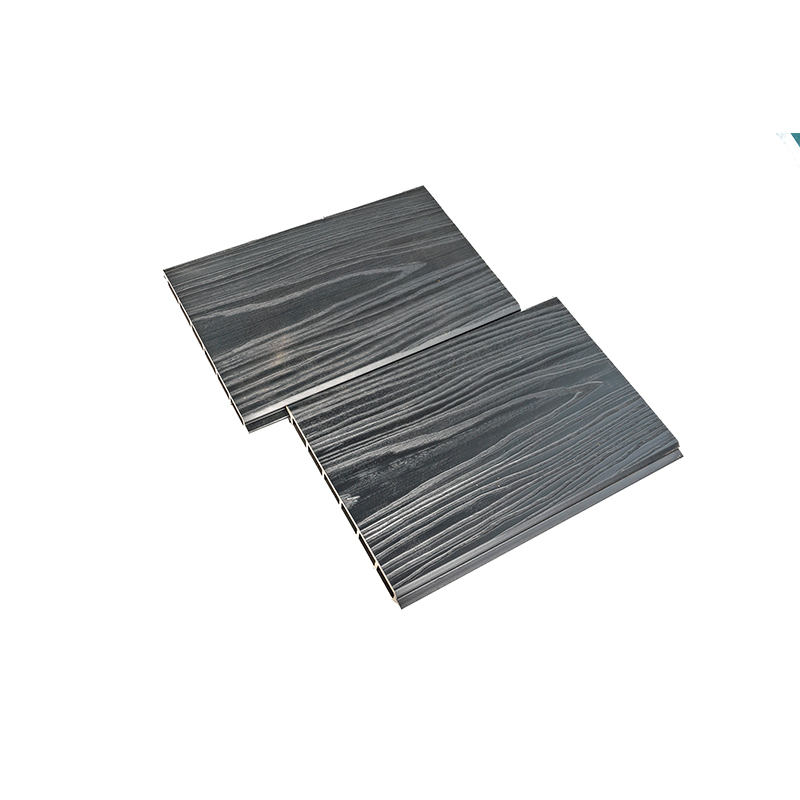 Aluminum-Framed WPC Privacy Fencing and Trellis OptionsComposite fencing with aluminum alloy posts and rails, waterproof wood-grain panels, and modular privacy, mid-trellis, or full-trellis configurations for outdoor boundaries.View Product →
Most complaints about a railing that leans trace back to the footing or the fixing, not the board. A post set in a shallow concrete pad will move with the first hard frost regardless of how good the rail looks on delivery day.
Small omissions in a specification become arguments at handover. Pin these down in writing:
Walk the line with a tape and a level before material ships. Confirm the boundary position against the deed or survey, since a railing built 6 inches over the line can be ordered removed. Locate irrigation, drainage and buried services along the post line. Check that a delivery vehicle can reach the drop point without crossing a lawn that will not recover. On site, stack panels flat on bearers, keep them ventilated and covered, and never store them on wet ground with weight concentrated in the middle of the span.
A composite or aluminum yard railing normally needs a wash with mild detergent once or twice a year and a rinse of the post bases after winter. Scratches on a capped profile are usually cosmetic; deep gouges at a fixing point are worth touching up to keep water out. Timber needs recoating on a schedule, and vinyl needs checking for hairline cracks after unusually cold spells. Budgeting an hour per season is realistic for a typical garden boundary, which is the main reason buyers move away from annual painting.
Yard railing that still looks right after several winters comes down to four decisions: a material suited to the local climate, bay sizes drawn before the order, footings that reach below the frost line, and a hardware list that arrives with the panels. Get those right and the color choice becomes the easy part. If you send your run lengths, height requirement and site photos, we can return a panel layout and a matched accessory list for quoting.



 English
 Français
 Español
 Deutsch