2026-03-10
Content
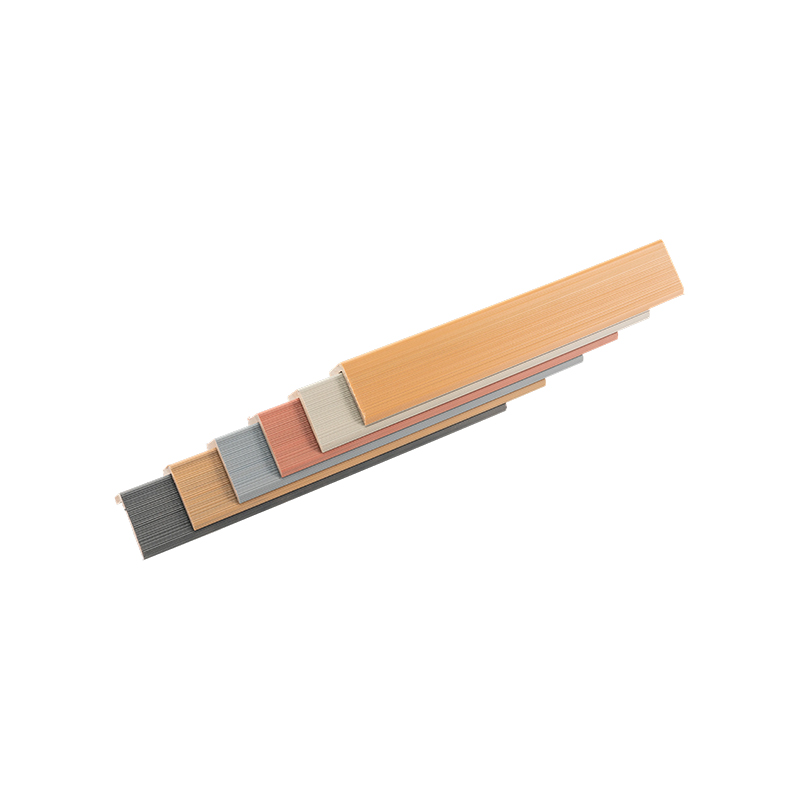
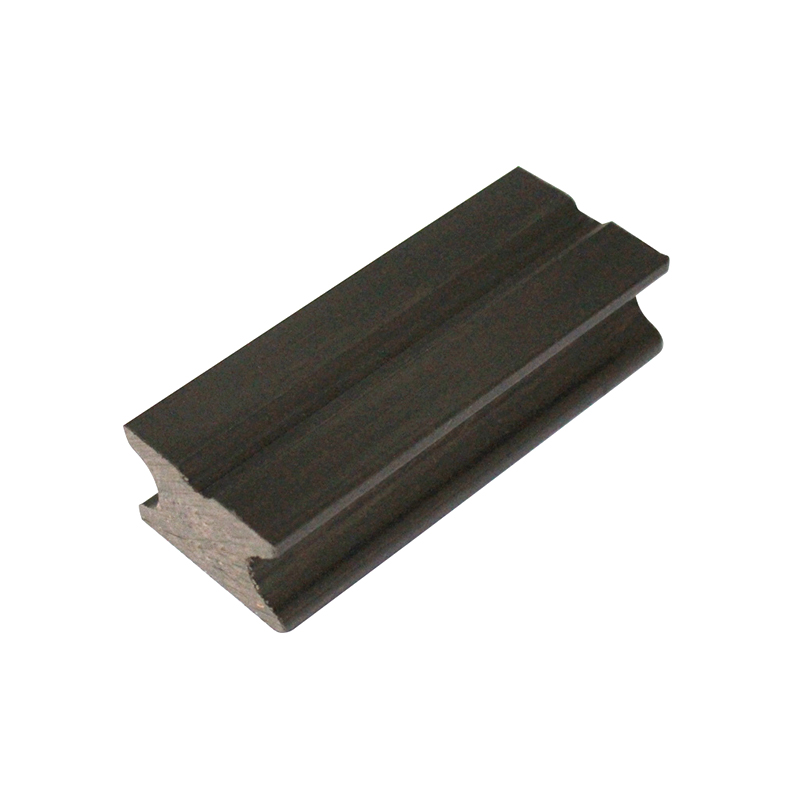
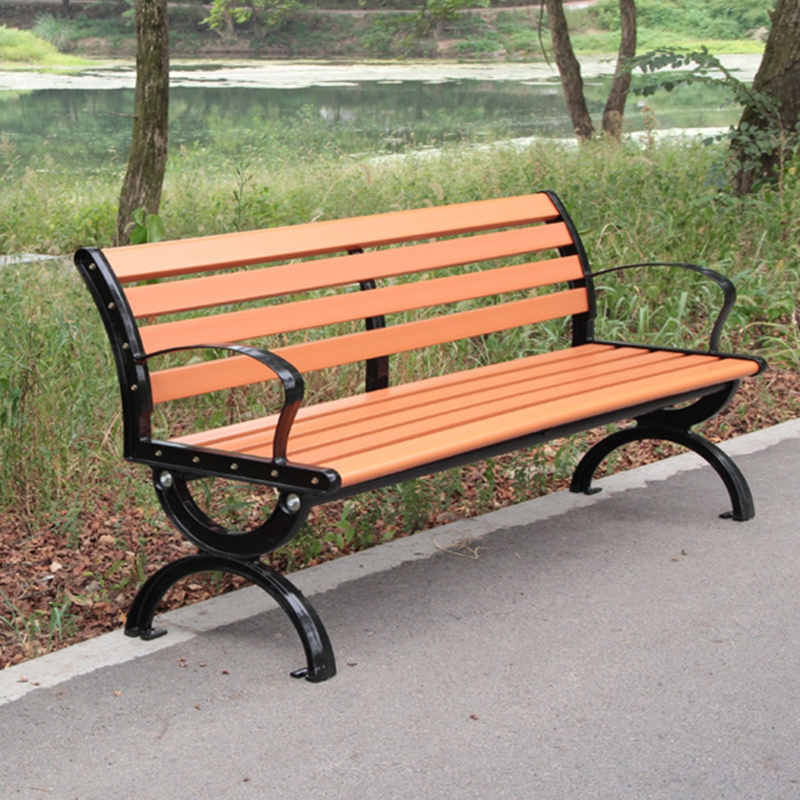
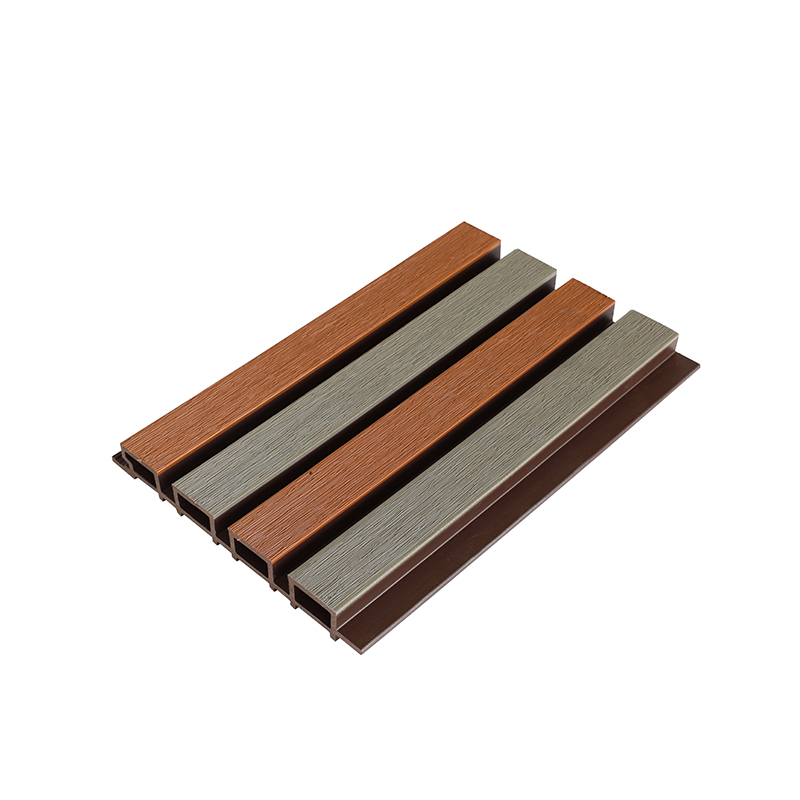
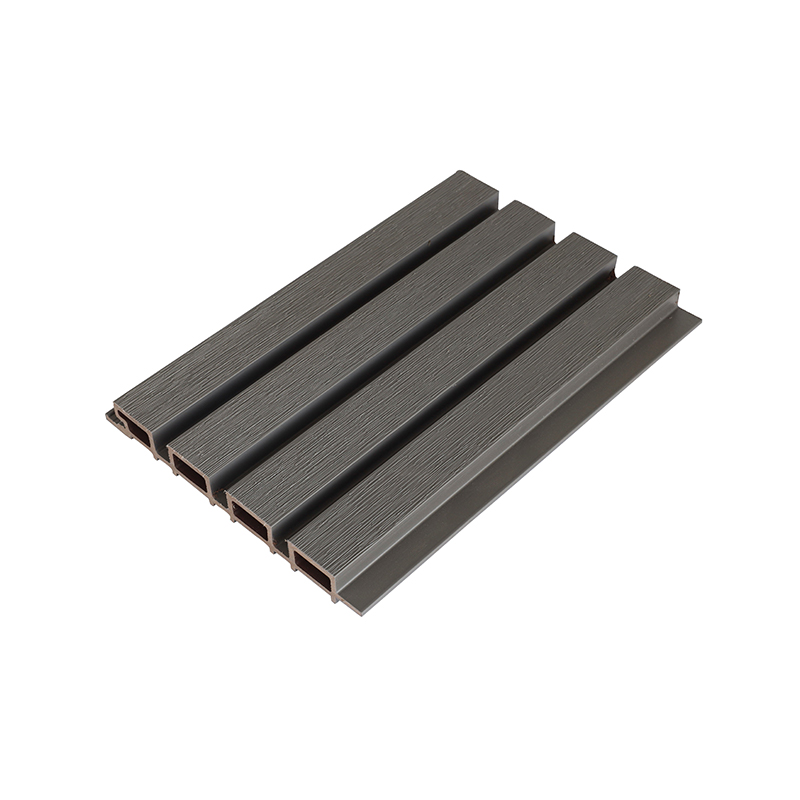
Composite fencing is an engineered outdoor boundary material made by combining wood fibres or wood flour with thermoplastic polymers — typically polyethylene (PE), polypropylene (PP), or PVC — along with UV stabilisers, colorants, and binding agents. The result is a fence panel, board, or post that replicates the natural appearance of timber while offering significantly enhanced durability, moisture resistance, and freedom from the annual maintenance that real wood demands.
A typical composite fencing board consists of 50–70% wood fibre and 30–50% recycled plastic by weight, making it one of the most sustainable boundary options currently available. It is used in residential gardens, commercial properties, public spaces, and industrial sites wherever a durable, low-maintenance boundary is needed with a natural aesthetic.
Understanding the manufacturing process helps explain why composite fencing performs so differently from natural timber. The production method is extrusion: dried wood fibre is blended with plastic pellets and performance additives, then heated and forced through a shaped die to create a continuous profile. The board is then cooled, cut to length, and surface-textured to replicate natural wood grain.
Standard WPC Extrusion
The foundational manufacturing method, producing boards where the wood-plastic blend is exposed on all surfaces. UV stabilisers and fungicide additives are incorporated into the mixture to protect the wood fibre content from degradation. Standard extruded WPC fencing is suitable for most residential applications and represents the most widely available product type.
Co-Extrusion (Capped WPC)
An advanced manufacturing process where a dense polymer cap layer — typically high-density polyethylene or ASA — is simultaneously bonded to all surfaces of the WPC core during extrusion. This cap layer creates a non-porous barrier that dramatically improves resistance to moisture ingress, UV fading, surface staining, and physical abrasion. Co-extruded fencing typically carries the longest warranties — 20 to 25 years — and is the recommended specification for demanding environments.
Composite fencing is available in several distinct system configurations, each suited to different applications and aesthetic requirements:
Composite Board-on-Post Fencing
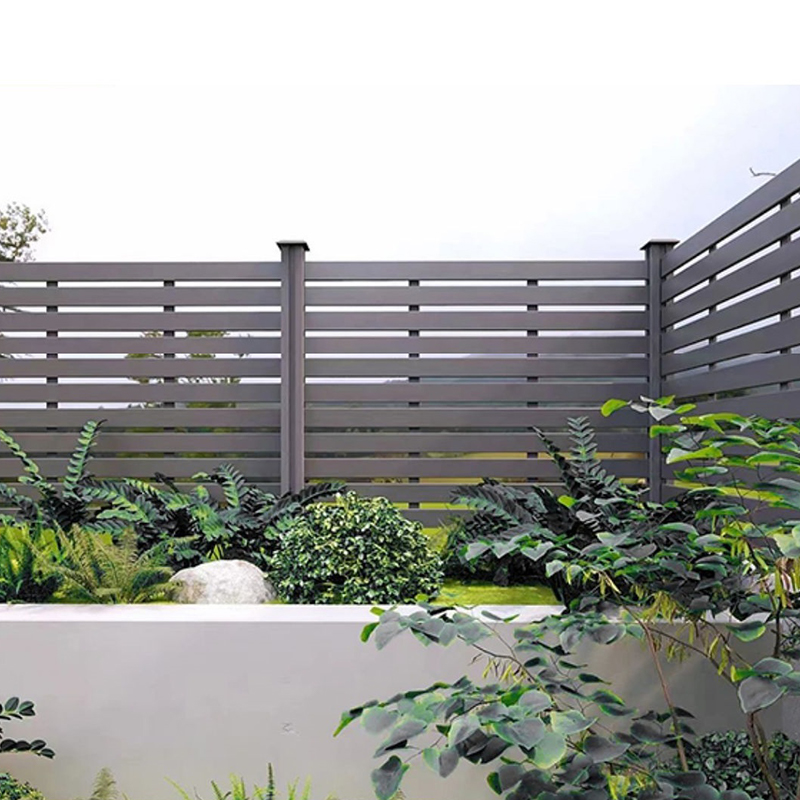
Individual horizontal boards slot into grooved composite or aluminium posts to build up the fence panel. This is the most commonly installed residential system — it allows for height adjustment and easy individual board replacement if damage occurs. The horizontal board lines create a contemporary, clean aesthetic similar to modern horizontal timber fencing.
Composite Panel Fencing
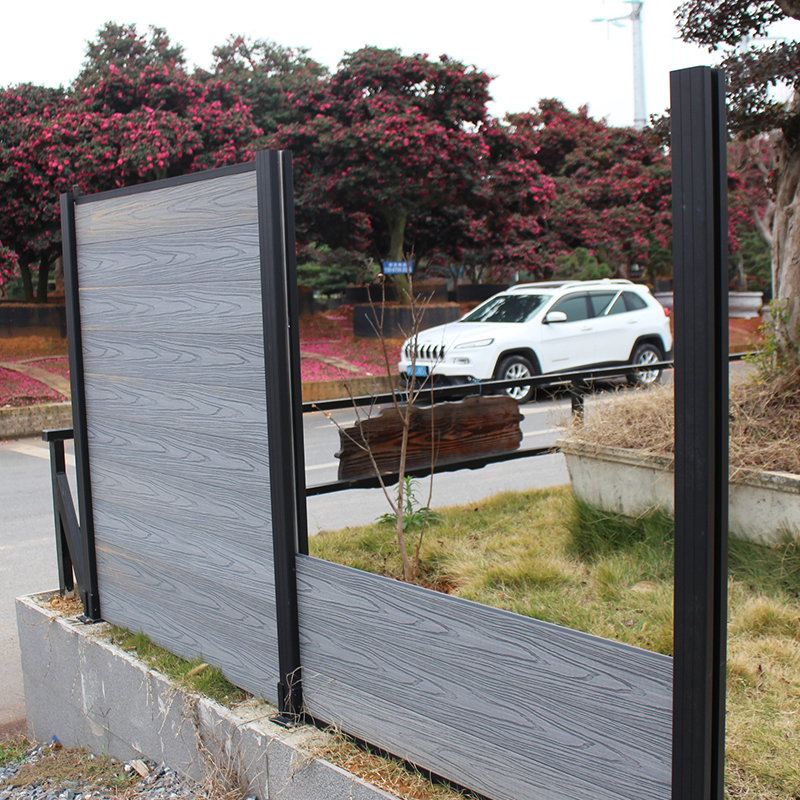
Pre-fabricated composite panels — typically 1.8 m × 1.8 m — slot or clip between posts. Panel systems are faster to install than board-by-board systems and provide a consistent, uniform appearance. They are commonly used in commercial and high-volume residential developments where installation speed is a priority.
Composite Privacy Screening
Taller composite fencing systems — typically 1.8 m to 2.4 m high — designed specifically for garden privacy. These systems often combine solid composite boards with slotted or louvred sections to allow some air movement while maintaining visual privacy. Widely used in urban gardens, pool enclosures, and commercial outdoor dining areas.
Composite Picket Fencing
Composite boards cut to traditional picket profile, installed vertically on horizontal rails. Composite picket fencing replicates the traditional aesthetic of painted timber picket fencing without the repainting requirement, making it particularly popular for front gardens and period-style properties seeking a low-maintenance traditional look.
| Criterion | Composite Fencing | Softwood Timber | Hardwood Timber | Vinyl / PVC |
|---|---|---|---|---|
| Typical lifespan | 20–30 years | 8–15 years | 15–25 years | 20–30 years |
| Maintenance level | Very low | High (annual) | Moderate | Very low |
| Rot resistance | Excellent | Poor–moderate | Moderate | Excellent |
| Natural appearance | Very good | Excellent | Excellent | Poor |
| Splinter-free | Yes | No (ages) | No (ages) | Yes |
| Eco credentials | Good (recycled content) | Good (if certified) | Good (if certified) | Poor (virgin PVC) |
| Initial material cost | Medium–high | Low | High | Medium–high |
Composite fencing is suitable for a wide range of boundary and screening applications:
Most composite fencing products incorporate 50–70% recycled materials — including reclaimed wood fibre from sawmill and manufacturing waste, and recycled post-consumer plastic (typically polyethylene from bottles and packaging). This diverts significant volumes of both organic waste and plastic from landfill, while reducing the demand for virgin timber.
The long service life of composite fencing also contributes to its environmental advantage. A single composite fence installation lasting 25–30 years replaces two or three softwood timber fence replacements over the same period — significantly reducing the total material, energy, and waste associated with maintaining a property boundary over the building's lifetime.
For the majority of residential and commercial applications, composite fencing is the better long-term choice. It delivers a comparable natural aesthetic to timber while lasting significantly longer, demanding far less maintenance, and costing considerably less over a 15–20 year horizon once maintenance expenditure is factored in. The higher upfront cost of composite fencing is consistently recovered — typically within 8 to 12 years — through the elimination of annual staining, painting, and replacement costs that timber fencing incurs.
Natural wood retains genuine advantages in specific circumstances: authentic timber character at close range is unmatched, and for very short-term or temporary installations, softwood's low upfront cost makes it the pragmatic choice. But for any fence expected to last 15+ years, composite is the stronger practical decision for most buyers.
The maintenance gap between composite and timber fencing is the single most important factor for most homeowners — and one that is frequently underestimated at the point of purchase.
What Timber Fencing Requires
Softwood timber fence panels require treatment every 1–2 years to resist moisture ingress, UV greyening, and fungal attack. Without consistent treatment, softwood panels begin to rot and split within 3–5 years in wet conditions. Even treated regularly, a typical softwood panel fence has a realistic service life of 8–15 years before boards start splitting, panels lean, and posts rot at ground level. At that point, full or partial replacement is required.
Hardwood timber fencing is more durable but still requires oiling or staining every 2–3 years to maintain its appearance and protective surface. Neglected hardwood greys rapidly and eventually cracks, though it takes longer to reach structural failure than softwood.
What Composite Fencing Requires
Composite fencing requires only periodic washing with water and mild detergent. No staining. No painting. No oiling. No resealing. For a typical garden fence run, this means a hose-down or brush wash once or twice per year to remove organic debris and surface soiling — a task measured in minutes, not hours. Premium co-extruded composite fencing maintains its colour and surface finish for 20–25 years without any retreatment.
| Criterion | Composite Fencing | Softwood Timber | Hardwood Timber | Winner |
|---|---|---|---|---|
| Typical lifespan | 20–30 years | 8–15 years | 15–25 years (maintained) | Composite |
| Annual maintenance effort | Wash only | Treat every 1–2 yrs | Oil every 2–3 yrs | Composite |
| Rot resistance | Excellent | Poor without treatment | Moderate | Composite |
| Authentic appearance | Very good (realistic grain) | Excellent | Excellent | Timber |
| Splinter risk | None | High (ages) | Moderate (ages) | Composite |
| Dimensional stability | Excellent | Poor (warps, cups) | Moderate | Composite |
| Repairability | Board replacement | Sand, fill, repaint | Sand, fill, re-oil | Timber |
| Initial material cost | Higher | Lowest | High | Timber (short term) |
| 15-year total cost | Lower overall | Higher (maintenance + replacement) | High (material + maintenance) | Composite |
| Eco credentials | Good (50–70% recycled) | Good (if certified) | Good (if certified) | Tie |
Comparing only the upfront material cost of composite versus timber fencing misrepresents the real financial picture. Here is a realistic 20-year cost comparison for a 20-metre fence run:
| Cost Element | Softwood Timber | Hardwood Timber | Composite Fencing |
|---|---|---|---|
| Initial materials and installation | $800–$1,600 | $2,400–$5,000 | $2,000–$4,000 |
| Annual treatment / maintenance (20 yrs) | $1,200–$3,000 | $800–$2,000 | $100–$200 |
| Partial / full replacement | $800–$1,600 (~yr 10–12) | Minimal if maintained | Negligible |
| Estimated 20-year total | $2,800–$6,200 | $3,200–$7,000 | $2,100–$4,200 |
The figures above exclude labour costs for treatment — a realistic softwood fence treatment takes several hours per year, with most homeowners either spending personal time or engaging professional labour. Including this time cost widens the gap in composite's favour significantly further.
There are specific situations where timber fencing remains the preferred option:
Choose composite fencing if you want a fence that will look good in 15 years without annual treatment, if your property is in a wet, coastal, or shaded environment, if you have children or pets for whom splinter-free surfaces matter, or if you are focused on the lowest total cost over the fence's life.
Choose timber if upfront budget is very tight and the fence is not expected to last more than 10 years, if authentic natural timber character is the overriding design priority, or if planning restrictions require natural materials. For most residential gardens, composite is the smarter long-term investment.
High-quality composite fencing has a realistic service life of 20 to 30 years, with leading manufacturers offering product warranties of 15 to 25 years. This is substantially longer than the 8–15 years typical of pressure-treated softwood fencing and broadly comparable to premium hardwood — but requiring far less maintenance to achieve that lifespan.
The critical caveat: the composite fencing category spans an enormous quality range. Budget uncapped WPC products can show significant degradation — fading, surface mould, structural softening — within 5 to 8 years in exposed outdoor conditions. Product quality at purchase is the single most important determinant of how long a composite fence will last. Understanding what separates long-lasting products from short-lived ones enables buyers to make the right specification decision from the outset.
| Product Tier | Realistic Lifespan | Typical Warranty | Main Failure Mode |
|---|---|---|---|
| Budget (uncapped WPC) | 5–10 years | 2–5 years or none | UV fading; surface mould; moisture ingress |
| Mid-range WPC | 12–18 years | 10–15 years | Gradual surface wear before structural failure |
| Premium co-extruded WPC | 20–30 years | 15–25 years | Eventual UV accumulation at cap layer |
| Material | Typical Lifespan | Maintenance to Achieve It | Treatment Frequency |
|---|---|---|---|
| Softwood timber (treated) | 8–15 years | High | Every 1–2 years |
| Hardwood timber | 15–25 years | Moderate–high | Every 2–3 years |
| Vinyl / PVC fencing | 20–30 years | Very low | Wash only |
| Premium composite fencing | 20–30 years | Very low | Wash only |
| Aluminium fencing | 30–50+ years | Very low | Wash only |
Cap Layer Construction
The most important factor. Co-extruded composite boards have all surfaces encapsulated in a dense polymer shell that resists UV radiation, moisture penetration, surface staining, and physical wear. Without this cap layer, the exposed wood fibre in the core begins degrading from UV exposure and moisture within the first few years. Specifying co-extruded fencing over uncapped WPC is the single most effective way to maximise lifespan.
UV Stabiliser Quality
UV radiation is the primary long-term degradation mechanism for any polymer-containing outdoor product. Boards manufactured with high-performance UV stabilisers — particularly HALS (Hindered Amine Light Stabiliser) technology — maintain colour and structural integrity far longer than boards with minimal UV protection. Premium products specify UV performance data and include explicit fade warranties of 15–25 years. Any supplier unwilling to provide a written fade warranty is signalling low UV stabiliser quality.
Post Specification and Foundation
The fence post is the most structurally critical component — and the most common failure point. Composite or aluminium posts outlast timber posts significantly in ground contact. Timber fence posts, even pressure-treated, are vulnerable to rot at the ground line and typically fail within 10–15 years. Where composite boards are used with timber posts, the posts become the limiting factor on fence lifespan. Aluminium posts with concrete or gravel foundations are the recommended specification for a 25+ year installation.
Installation Quality
Boards installed without sealed cut ends, without correct expansion gaps (typically 5 mm between boards and at post channels), or on a poorly set post line will develop problems significantly earlier than correctly installed fencing. Boards that buckle from insufficient expansion gaps, or absorb moisture through unsealed cut ends, fail well before their potential lifespan.
Climate and Exposure
Fences in high-UV climates — particularly south-facing in subtropical or tropical locations — experience accelerated surface ageing compared to the same product in a temperate climate. Coastal environments with persistent salt spray present additional challenges. Premium products with robust UV stabiliser packages handle these conditions better; in exceptionally demanding climates, upgrading to the highest product tier is advisable.
Maintenance Consistency
While composite fencing requires minimal maintenance, periodic cleaning extends its effective life. Organic matter — leaf litter, soil, pollen, bird droppings — accumulates on board surfaces and in board grooves. Left unremoved, organic deposits provide a growth medium for algae and mould, and can chemically attack the board surface over time. An annual or biannual wash with water and mild detergent is all that is needed to prevent this.
Unlike timber fencing, which fails structurally through rot and breakage, composite fencing degradation is gradual and primarily cosmetic for most of its life. Watch for these indicators:
All outdoor materials experience some degree of colour change from UV exposure over time — and composite fencing is no exception. However, the extent and rate of fading depends almost entirely on product quality, specifically whether the boards are co-extruded with a UV-stabilised cap layer. Budget uncapped composite fencing can show noticeable fading within 1 to 3 years. Premium co-extruded composite fencing with high-performance UV stabilisers maintains colour stability for 15 to 25 years under normal outdoor conditions, with most colour change occurring in the first 6–12 months as the board weathers to its stable settled tone.
Understanding how and why fading occurs — and what distinguishes fade-resistant products from those that are not — enables buyers to choose confidently and set realistic expectations.
UV radiation from sunlight attacks the molecular structure of the polymers and colorants in composite boards through a process called photodegradation. Two mechanisms are primarily responsible:
Colorant Degradation
UV radiation breaks down the pigment molecules that give composite boards their colour. Over time, this molecular breakdown causes the board to lose colour intensity — a process perceived as fading. The rate at which this happens depends on the quality and quantity of UV stabilisers incorporated into the board during manufacturing, and whether the board surface has a protective cap layer shielding the core.
Polymer Chain Breakdown
UV radiation also degrades the polymer chains in the plastic component of WPC boards. Over a long period, this causes the surface to become slightly chalky or dull — a process that significantly accelerates colour fade in boards without adequate UV protection. In severe cases, advanced polymer degradation can lead to surface cracking and structural brittleness, though this typically only occurs in budget products with minimal UV stabilisation after many years of exposure.
Many new composite fence owners notice some colour change in the first few months after installation and are concerned about fading. It is important to distinguish between two different processes:
Initial Weathering (Normal and Expected)
In the first 6 to 12 months of outdoor exposure, all composite fencing undergoes an initial weathering phase. Surface pigments settle and stabilise as the board adjusts to its outdoor environment. During this period, boards may lighten slightly or show minor colour variation between boards with different levels of sun exposure. This is a normal process, not a product defect — and it typically stabilises after the first season. After initial weathering, a quality composite board's colour should remain essentially stable for 15+ years.
Long-Term UV Fade (Product Quality Dependent)
Long-term UV fade — where boards continue to lighten or grey significantly year after year — is not normal for quality products. It is a sign of insufficient UV stabilisation, inadequate colorant loading, or the absence of a protective cap layer. In budget uncapped WPC, this progressive fading is the primary complaint, often making boards look washed-out and unattractive within 3–5 years.
| Time Period | Budget Uncapped WPC | Mid-Range WPC | Premium Co-Extruded WPC |
|---|---|---|---|
| Year 1 | Noticeable initial fade begins | Minor initial weathering | Minimal initial weathering; settles quickly |
| Years 2–5 | Significant progressive fading; washed-out appearance | Gradual but visible fade | Colour stable; minimal change |
| Years 5–10 | Heavily faded; surface mould likely | Moderate ongoing fade; surface dulling | Colour stable; appearance still like new |
| Years 10–20 | Structurally failing in many cases | Significant overall colour loss | Slow, gradual change only; still performs well |
Several environmental and installation factors accelerate the fading process beyond normal expectations:
Use these criteria to identify a product with genuine long-term fade resistance:
Installing a composite fence correctly requires careful attention to post type and foundation, board expansion gaps, cut-end sealing, boundary ownership and planning permissions, ground conditions, system compatibility, and drainage. Most composite fence failures — buckling, moisture ingress, premature degradation — trace back to installation errors rather than product defects. Getting these fundamentals right at the outset determines whether your composite fence performs for its full 20–30 year service life or develops problems within a few years.
This guide covers every major consideration in sequence — from pre-installation planning through to final finishing — so you can approach the project with confidence.
Before purchasing any materials, resolve the legal and regulatory aspects of your fence installation:
Boundary Ownership
Confirm which boundaries you own before installing. Boundary ownership is indicated by the "T" mark on property title plans — the fence belongs to the property on whose side of the boundary line the T-mark falls. Installing a fence on a boundary you do not own, or replacing a neighbour's fence without agreement, can create legal disputes. If ownership is unclear, consult your title deeds or seek clarification with your neighbour before proceeding.
Planning Permission and Height Restrictions
In many jurisdictions, residential fences over 1.0 m adjacent to a highway or over 2.0 m elsewhere require planning permission. Rules vary by country and region — always verify local requirements before committing to a fence height. In conservation areas and for listed buildings, additional restrictions may apply regardless of height. Commercial properties typically have separate requirements.
The post is the structural foundation of any fence system — and the component most likely to fail prematurely if incorrectly specified. The post specification is often more important than the board specification for determining overall fence lifespan.
Composite Posts
WPC composite posts offer the same rot resistance as composite boards — they do not decay at ground level the way timber posts do. They are the recommended choice for composite board-on-post systems where matching aesthetics and consistent material performance are priorities. Composite posts should be set in concrete or gravel for adequate structural stability.
Aluminium Posts
Aluminium is the highest-performance post material for composite fencing. It does not rot, corrode, warp, or degrade at ground contact, and is significantly stronger per cross-section than timber. Aluminium posts with concrete-set foundations deliver the longest system lifespan and are the recommended specification for any premium composite fence installation. Many composite fencing manufacturers design their board systems specifically around aluminium post channels.
Timber Posts
Pressure-treated timber posts are compatible with composite fencing boards and are widely used, particularly in residential installations. However, timber posts typically have a service life of 10–15 years at ground level — significantly shorter than the composite boards they support. Using timber posts with premium composite boards creates a system in which the posts become the limiting factor on fence lifespan. If budget allows, aluminium or composite posts are a better long-term investment.
Correct post spacing and foundation depth are essential for structural stability, particularly in exposed or windy locations:
Composite boards expand and contract with temperature changes more than natural timber. A 2 m composite board can expand by 3–5 mm between a cold winter day and a hot summer day. If boards are installed tight against each other or into post channels without expansion space, this expansion causes boards to buckle outward — potentially causing irreversible deformation that requires board replacement.
Always follow the manufacturer's specified expansion gap requirements. As a general guideline:
Every cut board end must be sealed with the manufacturer's approved end-grain sealant immediately after cutting. This is one of the most important installation steps and one of the most frequently overlooked. On a co-extruded composite board, the polymer cap layer protects all factory-finished surfaces from moisture ingress. When a board is cut on site, the cap layer is severed — exposing the wood fibre core at the cut face. Unsealed cut ends are the primary pathway for moisture to enter the board core, causing swelling, mould growth, and premature board failure.
Apply sealant to every cut surface, allow it to cure before installation, and confirm that the sealant specified is compatible with the board material. Do not use generic wood sealants — use only the manufacturer-approved product.
Composite fencing is a system product — boards, posts, clips, trims, and fixing hardware are engineered to work together. Mixing components from different manufacturers or systems frequently causes fit, alignment, and warranty problems.
Managing the relationship between the fence base and ground level is important for both drainage and board longevity:
| Consideration | What to Check | Common Mistake |
|---|---|---|
| Boundary ownership | Confirm via title deeds or land registry | Assuming ownership without checking |
| Planning permission | Check local height limits and conservation area rules | Installing without checking height restrictions |
| Underground services | Check for buried cables, pipes, drainage before digging | Digging post holes without utility checks |
| Post specification | Aluminium or composite preferred; timber posts as minimum | Using unrated timber posts that fail before boards |
| System compatibility | Confirm boards, posts, clips, and trim are from same system | Mixing components from different manufacturers |
| Expansion gaps | Note manufacturer-specified gaps for boards and ends | Installing boards tight — causes summer buckling |
| End-grain sealant | Manufacturer-approved sealant ordered and on site | Cutting boards without sealing — moisture ingress |
| Board quantity with waste | Order with minimum 10% waste allowance | Under-ordering — colour batch mismatch on reorder |
Composite fencing boards are manufactured in production batches, and colour can vary slightly between batches even within the same named colour. Always order all boards for a project in a single order from the same production batch. Ordering additional boards later — even in the same colour — risks a visible colour mismatch between the original and replacement boards. A minimum 10% waste allowance on top of the calculated quantity ensures you have spare boards from the same batch for any future repairs or adjustments.



 English
 Français
 Español
 Deutsch