2026-11-19
Content
A project manager pricing a 1,200 square foot exterior can see quotes move by several thousand dollars without any change to the drawing. The gap usually sits in three places: board price, accessory package, and labor. Affordable exterior cladding is not the lowest number on the material list. It is the lowest installed cost that still meets the weather, fixing, and maintenance requirements of the building. Get that order right, and the budget stays predictable. Get it wrong, and the cheapest board often becomes the most expensive callback.
Ask each supplier for a square foot price that includes boards, fasteners, trims, waste, and the fixing pattern. A board that covers less face area or needs more clips can erase a lower unit price. For a competitive tender, request a takeoff by elevation and a separate accessory schedule. That makes the comparison honest.
For many projects, the middle number decides the budget. The third number decides whether the decision holds up after the first wet season or the first hot summer.
Costs vary by region, substrate, height, and detailing, but the relative bands are useful when comparing options. The table below is a planning tool, not a quotation. A simple single story wall with good access will sit at the low end. Complex corners, scaffolding, or fire detailing push the figure higher.
| Material | Typical installed budget in USD per square foot | Maintenance level | Common fit |
|---|---|---|---|
| Vinyl siding | 3 to 9 | Low | Budget residential walls and extensions |
| Basic engineered wood | 5 to 11 | Moderate | Painted facades where a wood look is required |
| Fiber cement | 6 to 13 | Low to moderate | Durable painted walls in mixed climates |
| WPC composite | 6 to 14 | Low | Humid or wet sites and low paint budgets |
Vinyl and basic engineered wood often win on first cost. Fiber cement and WPC move into the middle band. WPC becomes more attractive when the project needs a wood look, low painting, and a wet climate. The material is not automatically cheaper than vinyl, and it should not be sold that way.
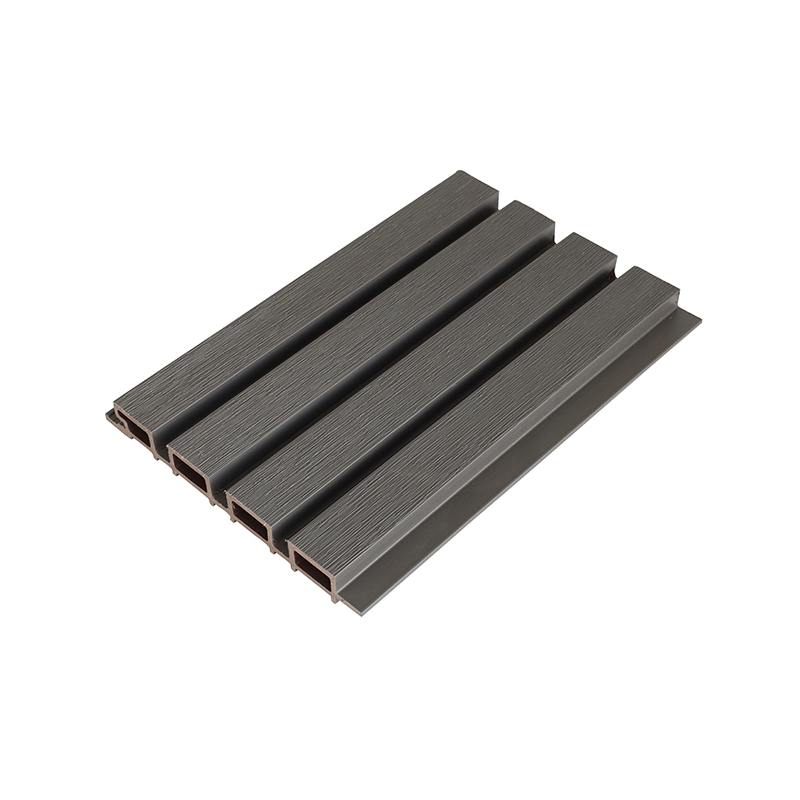
Wood plastic composite cladding is made from polymer and treated cellulose fiber. It can be cut and fixed like timber but does not need the same painting cycle. For facades that face rain, garden irrigation, or coastal humidity, that lower maintenance demand is part of the affordability case. The trade off is that fixing details matter. Boards need room to move, and fasteners must suit the profile.
Surface choice changes both appearance and price. A classic profile gives a clean painted look at the lower end of the WPC range. A 3D embossed board adds grain depth without a paint finish. A coextruded board adds a capped layer for color and weather protection. For a project that is still defining the spec, this guide to what composite siding cladding is explains the difference between capped and uncapped systems before you compare quotes.
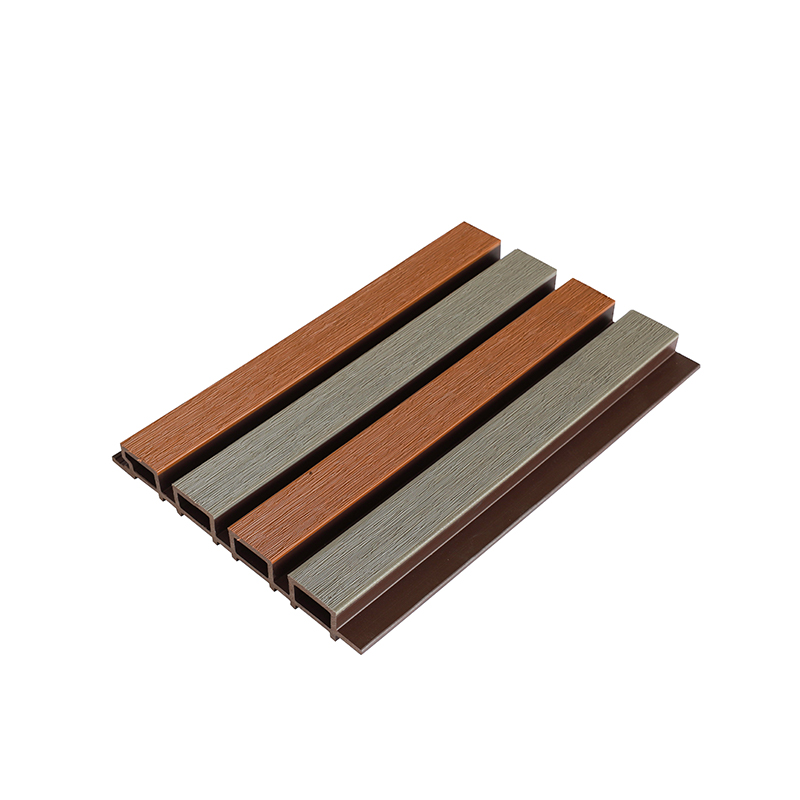
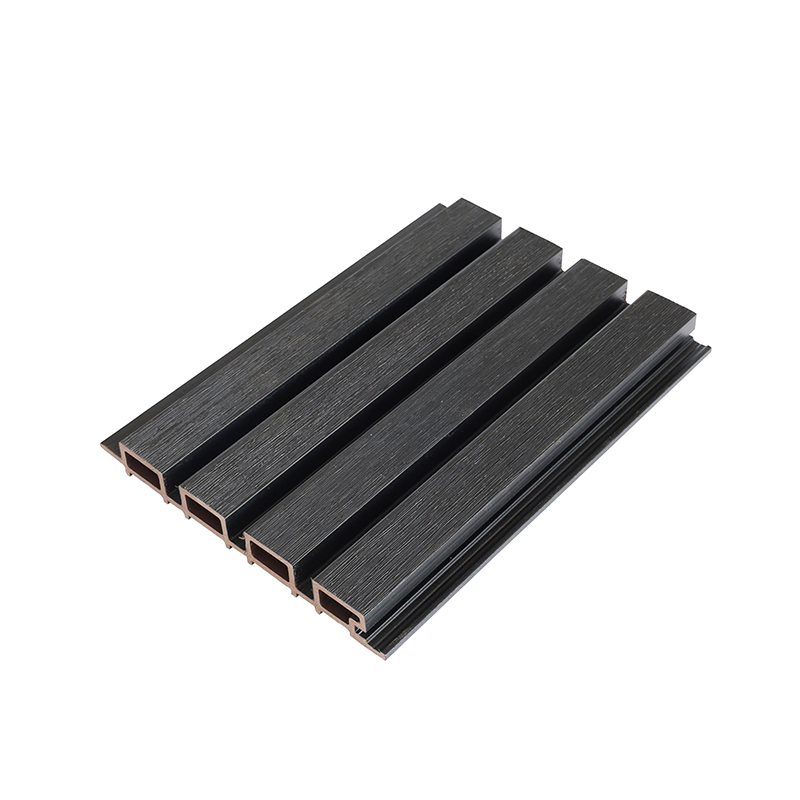 Coextruded WPC Siding Cladding 219 mm Wall PanelCapped composite wall panel for budget-conscious exterior projects, offering wood-grain finishes and weather protection; confirm coverage from supplier profile drawings.View Product →
On a style conscious budget, a 219 mm by 26 mm coextruded wall panel can cover a useful face width while keeping the fixing line neat. The exact coverage should come from the supplier profile drawing, not from a nominal width alone.
Ask for a quote with and without accessories. The difference shows whether the supplier is pricing a board or a system. It also exposes gaps that would otherwise appear on site as extra purchase orders.
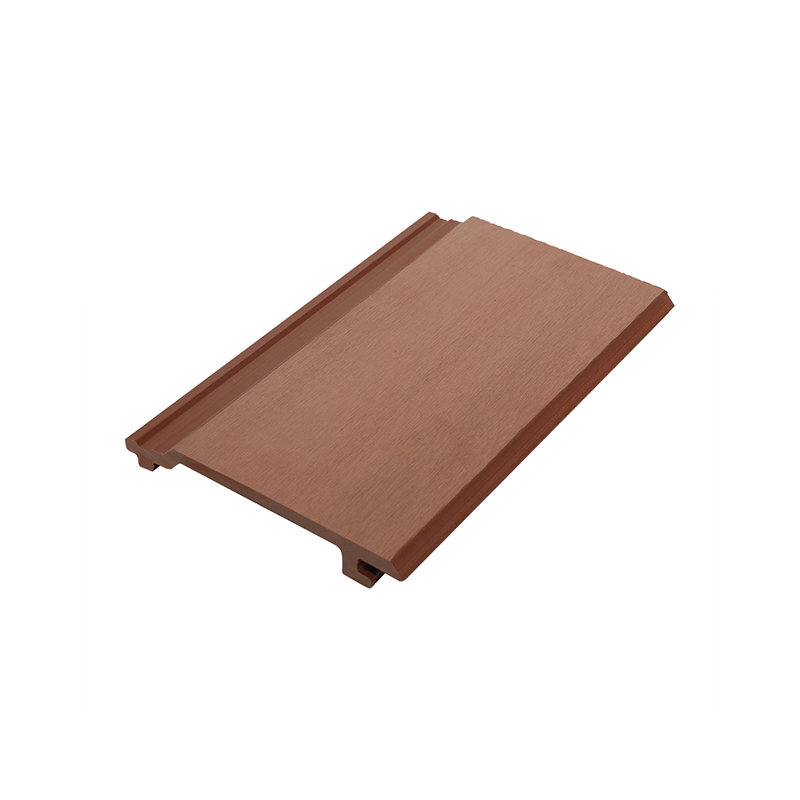
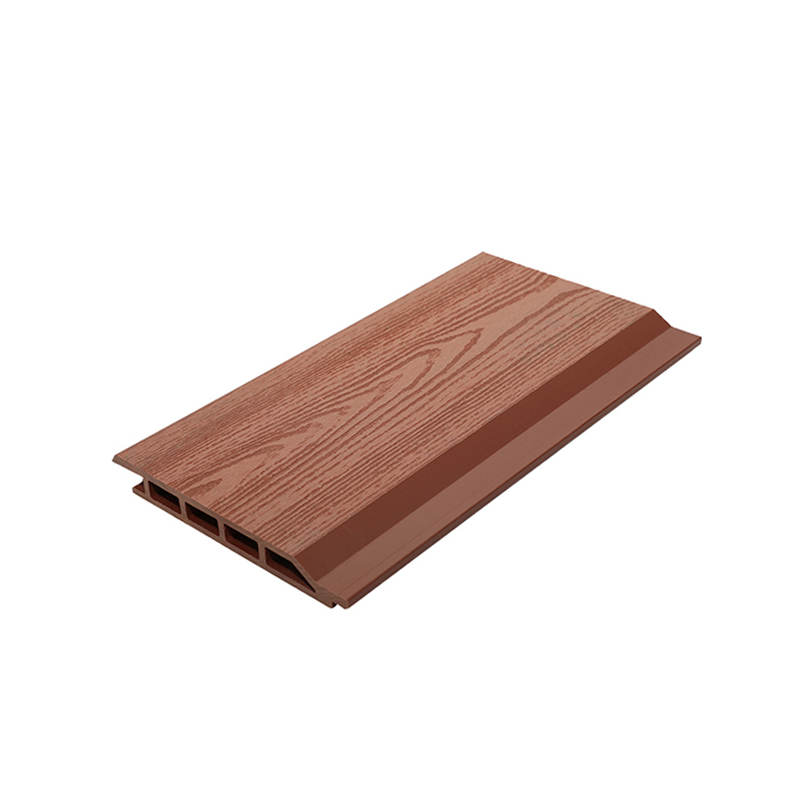 Classic WPC Outdoor Siding Wall PanelCoextruded wood-plastic cladding in smooth or embossed finishes for exterior walls; compare accessory-inclusive quotes before ordering.View Product →
Before you award the order, put these items in writing. They protect the budget more than a last minute discount.
One missing trim can stop a facade. One wrong screw can create a rust stain that never comes out. The cheapest quote is often the one that forgot these items.
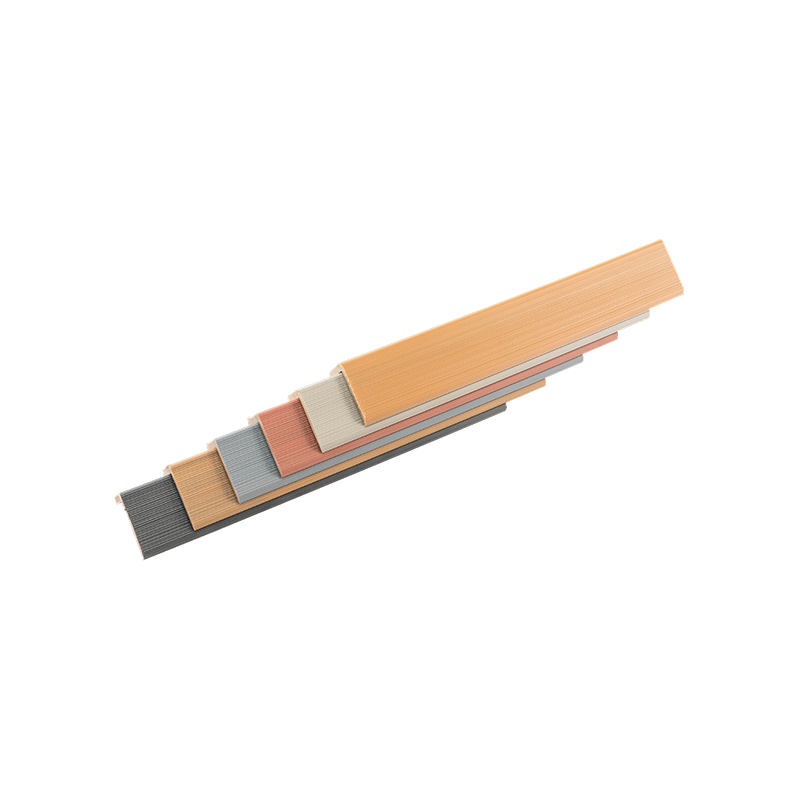
WPC cladding is light enough for one or two installers to handle, but it is not a direct swap for timber. The boards need a drained and ventilated cavity, suitable battens, and fixing points that allow movement. On a simple wall, that can be fast. Around windows, corners, and parapets, the detail work takes time. A supplier who can provide corner caps, edge caps, joists, and clips in one package reduces the number of site decisions.
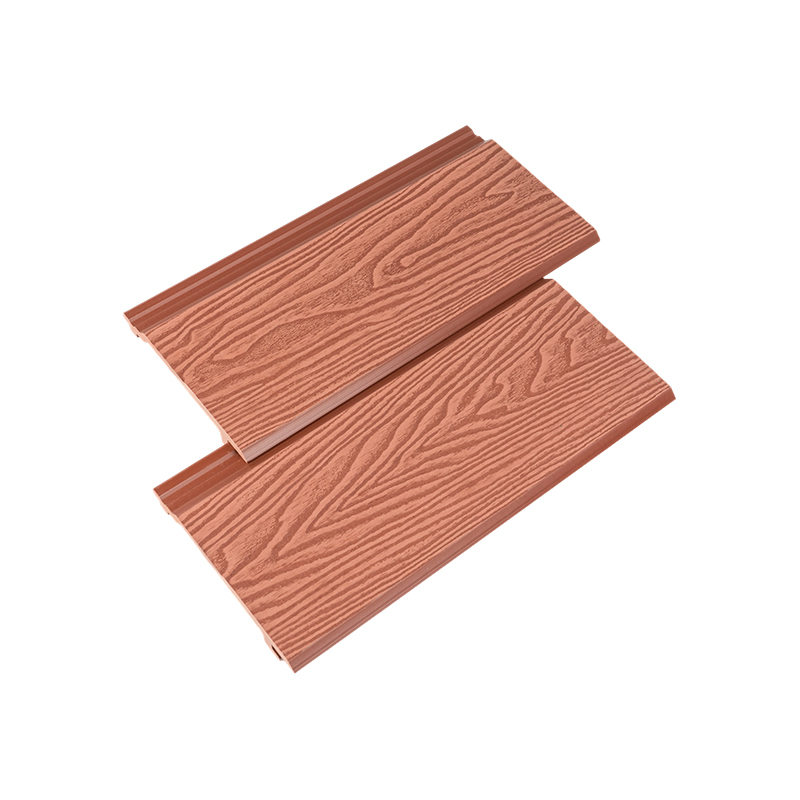
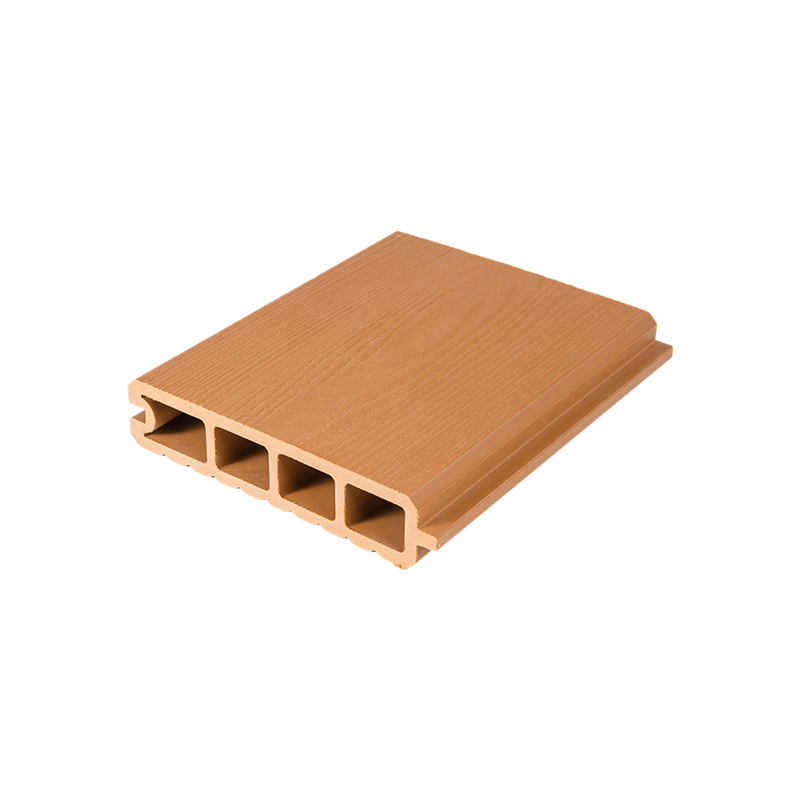 3D Embossed WPC Outdoor Wall Cladding PanelEmbossed wood-grain composite panel for exterior walls and fences, with UV and freeze-thaw resistance; pair with proper cavity and fixing accessories.View Product →
Maintenance is the other budget line. A painted timber facade may need re coating every few years. WPC usually needs periodic cleaning with water and a soft brush. That does not make it maintenance free. It means the annual cost is lower and more predictable, which matters for schools, rental properties, and public spaces.
Senyu Wood makes WPC cladding, decking, fencing, and matching accessories from its base in Jiangsu. For a buyer comparing affordable exterior cladding, the useful question is not only the board price. It is whether the supplier can hold the profile, color, and accessory schedule across production batches. A manufacturer that controls extrusion, surface finishing, and accessory supply can reduce the coordination risk that usually appears as a change order.
Send a drawing, an elevation takeoff, and your target quantity to the team. Ask for a system quote with boards, trims, clips, and packing listed separately. That format makes it easier to compare offers and easier to see where the real cost sits. You can send your project details through the contact page when you are ready to price a complete package.



 English
 Français
 Español
 Deutsch