2026-07-24
Content
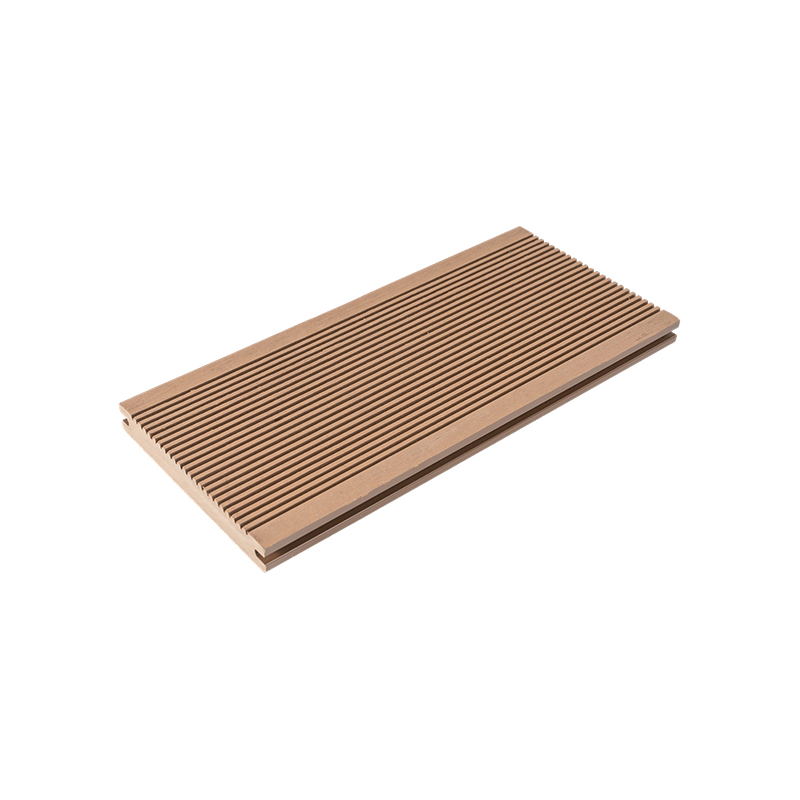
Yes, WPC decking can technically be painted, but it is rarely necessary and generally not recommended by manufacturers. WPC boards come with a factory applied color that runs through the capped surface layer, so unlike natural wood, they do not fade, splinter, or require refinishing to stay protected. Most manufacturer warranties do not cover issues caused by painting or staining, since aftermarket coatings can trap moisture beneath the surface or peel unevenly over time. If a color change is truly needed, it is possible with the right preparation and paint type, but in most cases replacing worn boards or choosing a different color at purchase is the more durable solution.
Traditional wood decking is painted or stained primarily to protect the surface from moisture, UV damage, and insect activity, and to refresh a faded appearance after years of exposure. WPC decking is engineered specifically to avoid these problems from the outset.
Independent testing referenced under the ASTM D7032 standard for wood plastic composite decking shows that capped composite boards maintain significantly more consistent color retention over multi year UV exposure compared to painted or stained wood surfaces.
The capped surface on most WPC boards is designed to resist absorption, which is exactly what makes staining difficult. Paint applied to this type of surface often has poor adhesion and can peel, crack, or flake within one to two seasons, especially in areas with heavy foot traffic or direct sun exposure.
If moisture becomes trapped between the paint layer and the composite surface, it can lead to bubbling or discoloration that is difficult to reverse without full paint removal and resurfacing.
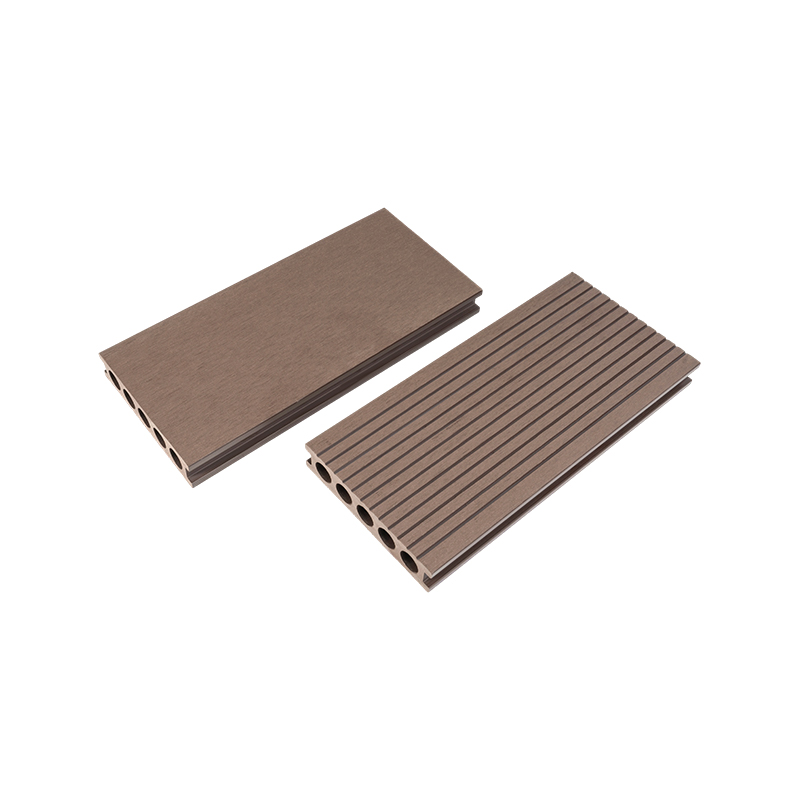
Many composite decking manufacturers state clearly in their warranty terms that surface coatings, including paint and stain, are not covered and may void protection against fading or structural defects. It is worth checking the specific warranty documentation for any product before applying aftermarket coatings.
For homeowners who want to change the color of an older WPC deck rather than replace the boards, painting is possible with proper preparation. The table below outlines the general process.
| Step | Details |
| Clean the surface | Wash thoroughly with soap and water to remove dirt, oils, and mildew |
| Light sanding | Use fine grit sandpaper to slightly rough up the capped surface for better adhesion |
| Apply a bonding primer | Use a primer specifically formulated for plastic or composite surfaces |
| Apply exterior grade acrylic paint | Choose a flexible, UV resistant exterior paint in thin, even coats |
| Allow full curing time | Keep the deck free of foot traffic for the period specified on the paint label |
Even with careful preparation, painted composite surfaces typically require touch ups every one to two years, which adds ongoing maintenance that WPC decking was originally chosen to avoid.
In most cases, there are more durable ways to update the look of a WPC deck without introducing the adhesion and maintenance issues that come with paint.
The comparison below illustrates why painting is a routine part of wood deck ownership but an unnecessary added step for WPC decking.
| Factor | Wood Decking | WPC Decking |
| Painting or staining requirement | Every 1 to 2 years to protect against moisture | Not required, color is built into the material |
| Risk of peeling or flaking | Common over time with sun exposure | High if painted, since adhesion is limited |
| Warranty impact | Not applicable in most cases | Often voids fading or defect coverage |
While it is physically possible to paint WPC decking, doing so goes against the low maintenance design that makes this material appealing in the first place, and it often introduces adhesion and touch up issues that outweigh the benefit. For most homeowners, selecting the right factory color at installation or replacing individual worn boards is a far more durable solution than applying paint. When choosing decking material for a project where color consistency and minimal upkeep matter most, WPC decking is designed to deliver lasting color without ever needing a paintbrush.



 English
 Français
 Español
 Deutsch