2026-07-31
Content
WPC decking typically lasts between 25 and 30 years with proper installation and basic maintenance, and many manufacturers back this durability with warranties ranging from 15 to 25 years. This is significantly longer than pressure treated wood, which the American Wood Council estimates lasts an average of 10 to 15 years before major boards need replacement due to rot, splintering, or insect damage. The exact lifespan of any WPC deck depends on the quality of the manufacturing process, the climate it is exposed to, and how consistently it is cleaned and cared for.
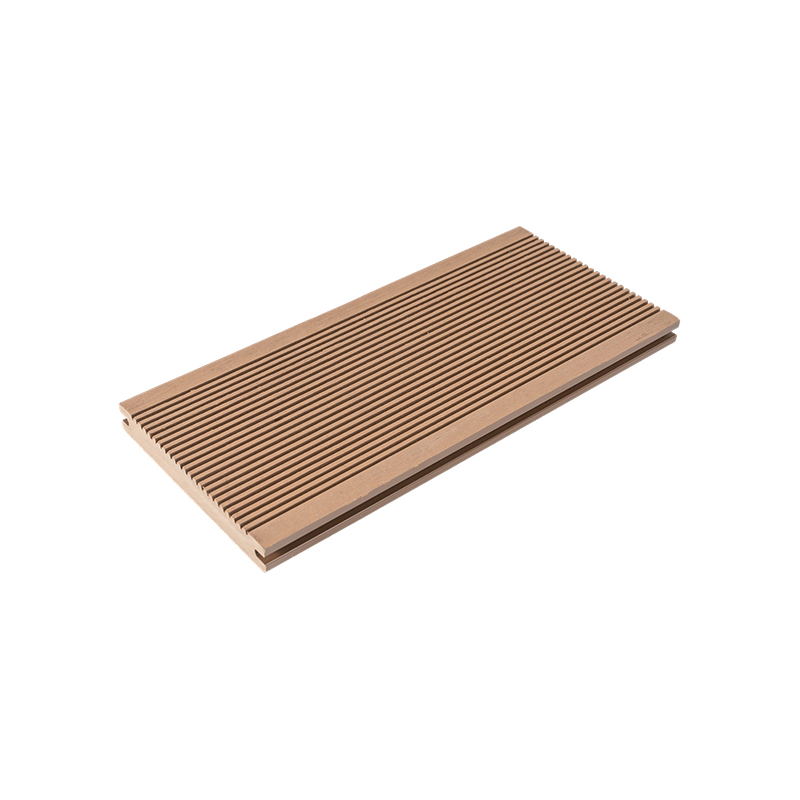
WPC decking is made from a combination of wood fiber and recycled plastic, which is then extruded and, in most higher quality products, wrapped in a protective cap layer. The durability of the final board depends on several factors during and after manufacturing.
Boards with a higher plastic content and a fully capped surface generally resist moisture absorption and UV degradation better than uncapped or low density alternatives. This is one reason capped composite products tend to carry longer warranty periods than basic wood plastic blends.
Proper joist spacing, correct expansion gaps, and adequate ventilation underneath the deck all play a direct role in preventing premature warping or moisture buildup that can shorten a board's usable life.
Decks in regions with intense UV exposure, heavy rainfall, or large temperature swings between seasons generally experience more surface stress than decks in milder climates, though capped boards are specifically engineered to handle this range of conditions.
The table below reflects general industry estimates compiled from manufacturer warranty data and maintenance guidance published by the North American Deck and Railing Association (NADRA).
| Decking Material | Typical Lifespan | Common Failure Points |
| Pressure treated wood | 10 to 15 years | Rot, splintering, insect damage |
| Uncapped wood plastic composite | 15 to 20 years | Surface fading, moisture absorption |
| Capped WPC decking | 25 to 30 years | Minimal, mainly gradual color mellowing |
| Tropical hardwood | 20 to 25 years | Cracking, requires regular oiling |
Manufacturer warranties offer a useful benchmark for expected durability, since they reflect confidence in the material's long term performance under normal residential use. Most reputable WPC decking products carry warranties in the following ranges:
It is worth noting that warranty terms typically require basic maintenance to remain valid, such as routine cleaning and avoiding prohibited cleaning agents, so reviewing the specific warranty documentation before installation is recommended.
Unlike wood, which shows clear signs of rot or splintering as it deteriorates, WPC decking tends to age gradually and predictably. Common signs after many years of use include:
While WPC decking is inherently low maintenance, a few consistent habits can help it reach and even exceed the upper end of its expected lifespan.
Case studies published by composite decking manufacturers commonly report residential decks remaining structurally sound and visually consistent after 20 plus years of installation, with the majority of reported issues traced back to installation errors, such as insufficient expansion gaps, rather than material failure. This reinforces that correct installation is just as important as material quality when it comes to achieving the full expected lifespan of a WPC deck.
WPC decking is built to last significantly longer than traditional wood, with most quality capped products reaching 25 to 30 years of service life when properly installed and maintained. Its resistance to rot, insects, and UV fading means homeowners spend far less time on repairs and refinishing compared to wood alternatives, making it a practical long term investment for outdoor spaces. For anyone planning a deck project with durability as a top priority, WPC decking offers a proven combination of longevity and low upkeep backed by manufacturer warranty support.



 English
 Français
 Español
 Deutsch