2026-07-03
Content
The best way to maintain Composite Decking is to sweep it regularly, wash it with mild soap and water every one to two months, keep furniture legs padded, and clear leaves or debris from the gaps between boards. Unlike wood, composite decking does not need sanding, staining, or sealing, which is why most manufacturers report it needs roughly 80 percent less upkeep than traditional timber decking over a ten year period. A few consistent habits are enough to keep the surface looking new for decades.
Composite decking is engineered from a blend of wood fibers and recycled plastic, which makes it resistant to rot and splintering, but surface dirt and pollen can still build up over time if ignored.
A soft bristle deck brush, a garden hose with a spray nozzle, and a non abrasive cleaner are usually all that is needed. According to maintenance guidance published by the North American Decking and Railing Association (NADRA), routine soap and water cleaning twice a year is sufficient for most composite deck owners in moderate climates, with more frequent cleaning recommended near trees or coastal areas with heavy salt spray.
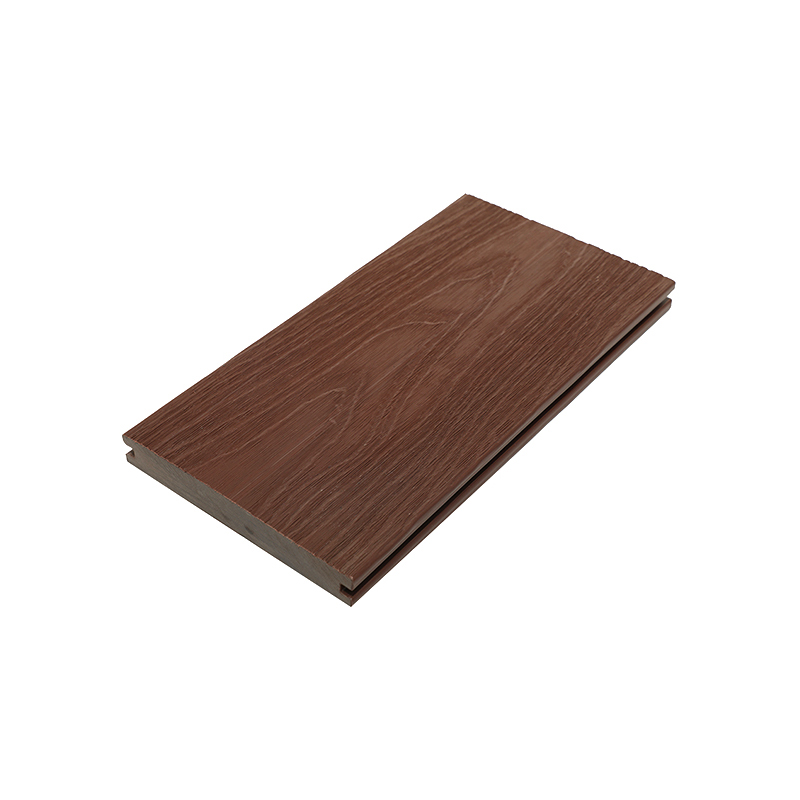
Because composite boards have a low porosity capped surface, most spills can be wiped away before they set. The table below outlines common stains and effective removal methods.
| Stain Type | Recommended Method |
| Grease or oil | Blot immediately, then clean with warm soapy water and a soft brush |
| Mud or dirt | Rinse with a hose, then scrub gently with soap and water |
| Wine or berry juice | Clean promptly with a mix of water and diluted white vinegar |
| Chalk or crayon marks | Wipe with a damp cloth and mild soap, avoid solvents |
| Rust from furniture | Use a composite safe rust remover and rinse well |
Avoid bleach, paint thinner, or abrasive powders, as these can dull the capped finish over time.
Mold and mildew can form on any outdoor surface when moisture, shade, and organic debris combine. Composite decking resists rot because it does not absorb water like natural wood, but a film of pollen or leaf residue left on the surface can still support surface mold growth.
Industry testing referenced by the American Society for Testing and Materials (ASTM D7032 standard for composite decking) confirms that capped composite boards show significantly higher resistance to mold staining than uncapped wood plastic composites, which is one reason fully capped products such as Composite Decking are favored in humid climates.
A short seasonal routine keeps the deck in top condition year round and prevents small issues from becoming bigger repairs.
Deep clean the entire surface after winter, check railings and fasteners for looseness, and inspect the substructure for any signs of moisture damage in the framing below.
Rinse weekly to remove pollen, use furniture pads to prevent scuffing from frequent foot traffic, and avoid dragging grills or planters directly across the boards.
Clear fallen leaves promptly since wet leaves left for extended periods can leave tannin marks, and clean the board gaps before the first frost.
Use a plastic shovel rather than a metal one to remove snow, and choose calcium chloride based ice melt products rather than rock salt, which can leave residue on the surface.
Most damage to composite decking comes from a small number of avoidable habits rather than normal wear.
Cost is one of the main reasons homeowners choose composite decking over natural wood. According to a 2023 cost analysis published by Remodeling Magazine's Cost vs Value report, ongoing maintenance is a major factor separating the two materials over a typical 15 year deck lifespan.
| Maintenance Task | Wood Decking | Composite Decking |
| Staining or sealing | Every 1 to 2 years | Not required |
| Sanding | Every 3 to 5 years | Not required |
| Board replacement due to rot | Common after 10 years | Rare, backed by long warranties |
| Annual cleaning | Recommended | Recommended |
This is why many homeowners find that total cost of ownership for composite decking is often lower than wood once refinishing labor and materials are factored in over the life of the deck.
While the decking boards themselves need little attention, the framing underneath still deserves a yearly check. Inspect joists and beams for moisture pooling, confirm that ventilation gaps beneath the deck are clear, and check that board fasteners have not backed out due to seasonal expansion and contraction. Composite boards expand and contract slightly with temperature, so gaps should be left according to the manufacturer's spacing guidelines during installation to prevent buckling in hot weather.
Maintaining composite decking comes down to a simple, consistent routine rather than intensive seasonal labor. Regular sweeping, an occasional soap and water wash, prompt stain cleanup, and sensible precautions around heat and heavy pressure are enough to keep a deck performing well for two decades or longer. For homeowners comparing long term outdoor flooring options, Composite Decking offers a practical balance of low maintenance and durability that traditional wood decking struggles to match.



 English
 Français
 Español
 Deutsch