2026-06-26
Content
A composite deck typically lasts between 25 and 30 years, with premium co-extruded products often carrying manufacturer warranties of 25–30 years. This is significantly longer than traditional wood decking, which generally requires replacement every 10–15 years without intensive maintenance. The actual lifespan depends on the type of composite used, installation quality, climate conditions, and how consistently the deck is maintained.
Understanding what drives composite deck longevity helps homeowners, contractors, and commercial property managers make smarter purchasing decisions. Below, we break down everything you need to know — from material types and expected service life to real-world factors that accelerate or reduce deck aging.
Not all composite decking is created equal. There are three primary types available on the market today, and each has a distinct expected lifespan based on its construction and protective features.
WPC decking is made from a blend of wood fibers (such as wood flour or rice bran) and polyolefin plastics. It typically lasts 15 to 25 years under normal residential conditions. WPC boards retain the natural warmth and texture of real wood while offering enhanced resistance to rot, insects, and moisture. However, the wood content in standard WPC means the surface can be more susceptible to staining and UV fading over time if not properly treated.
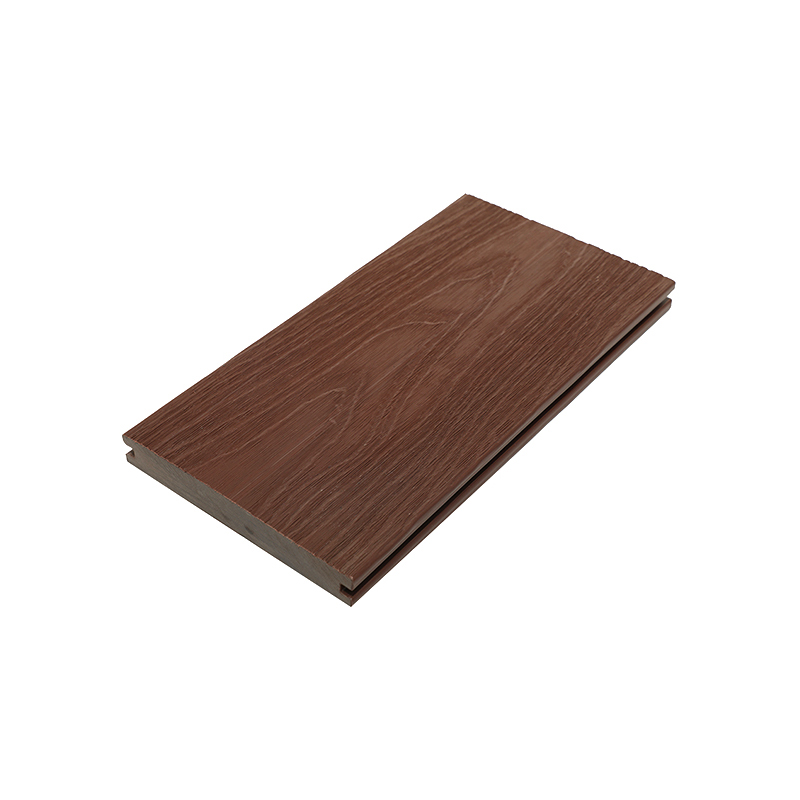
3D embossed composite decking uses a surface embossing process to replicate authentic wood grain patterns with greater visual depth and realism. It shares a similar core composition with WPC but offers improved aesthetic durability due to the deeply textured surface, which helps conceal minor scuffs and wear. Expected lifespan is generally 20 to 25 years with standard care.
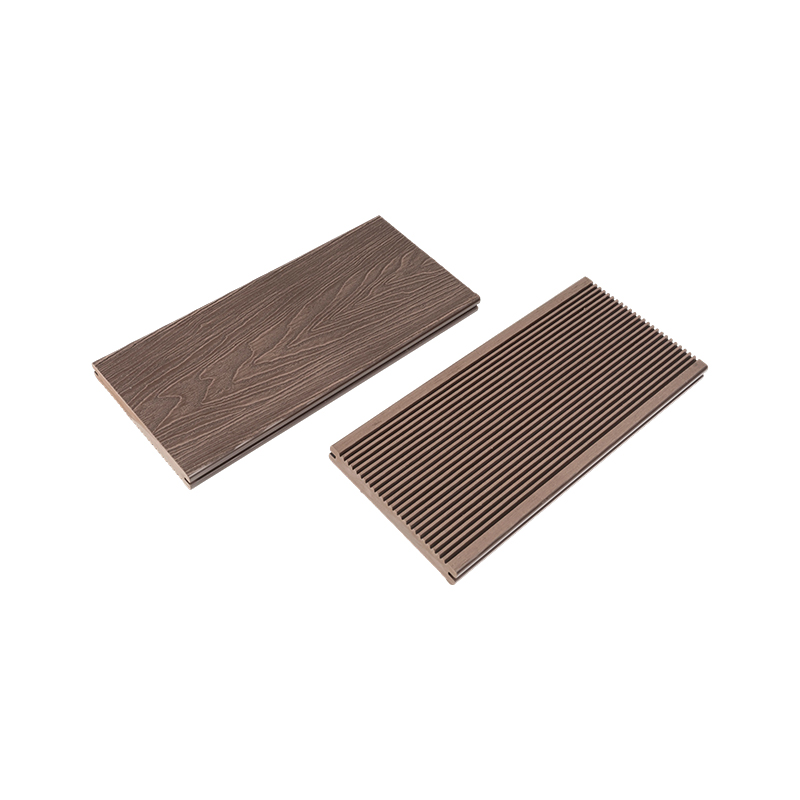
Co-extruded (or capped) composite decking is the most advanced and durable option available. It features a WPC core fully encased in a hard polymer shell, which is applied during production using a simultaneous co-extrusion process. This shell dramatically improves resistance to moisture penetration, UV exposure, staining, and surface abrasion. Co-extruded composite decking commonly lasts 25 to 30+ years and is the preferred choice for high-traffic commercial applications such as restaurants, marinas, commercial plazas, and public parks.
| Type | Expected Lifespan | Best For | Key Strength |
|---|---|---|---|
| WPC Decking | 15–25 years | Residential gardens, balconies | Natural wood appearance, cost-effective |
| 3D Embossed Decking | 20–25 years | Home terraces, pool surrounds | Realistic grain texture, aesthetic durability |
| Co-Extruded Decking | 25–30+ years | Commercial plazas, ports, parks | Maximum moisture and stain resistance |
Traditional pressure-treated wood decking typically lasts 10 to 15 years before it requires significant repair or full replacement, even with regular staining, sealing, and maintenance. Hardwood species like teak or ipe can last longer — sometimes 20–25 years — but at a substantially higher material cost and with demanding maintenance schedules.
Composite decking, by contrast, is largely maintenance-free. There is no need for annual sealing, staining, or painting. The color is either fully integrated through the board or uniformly applied to the surface, ensuring consistent appearance throughout the product's life without fading or peeling concerns that affect painted wood.
Over a 30-year period, the total cost of ownership for composite decking is typically 30–50% lower than wood when factoring in maintenance labor, materials (stains, sealers, replacement boards), and the environmental cost of chemical treatments.
Even with the most durable composite material, several real-world variables influence how well a deck holds up over decades of use.
The ratio of wood fiber to plastic, the type of plastic used (polyolefin vs. PVC), and the presence or absence of a co-extruded protective cap all significantly impact durability. Products manufactured with polyolefin plastics and specially treated cellulose materials — such as wood flour and rice bran — achieve superior structural integrity while maintaining the natural look and feel of wood.
Decks in tropical, coastal, or high-humidity climates face accelerated aging risks including mold growth, salt corrosion, and UV degradation. High-quality composite decking is engineered to withstand these conditions, but decks in extreme climates may show slightly more wear than those in temperate zones. UV-stabilized formulations help retain color vibrancy over years of direct sun exposure.
Proper installation is critical to composite deck longevity. Insufficient spacing between boards can trap moisture, leading to expansion stress and premature wear. Boards must be installed with correct fastener placement, proper substructure ventilation, and allowance for thermal expansion. Using hidden fastening systems not only gives a cleaner appearance but also reduces surface stress on individual boards.
Residential decks used primarily for family gatherings will naturally outlast commercial decks that see heavy foot traffic daily. For commercial environments — marinas, swimming pool surrounds, restaurant terraces, and public plazas — co-extruded composite decking is specifically recommended due to its enhanced hardness and scratch resistance.
Composite decking does not require painting, staining, or chemical sealing. However, basic periodic cleaning extends its service life. Removing leaf debris, organic matter, and surface stains prevents mold buildup in the board grooves. Composite decking offers outstanding resistance to common household staining agents, including coffee, wine, vinegar, sauce, red ink, lipstick, nail polish, stamp-pad ink, and shoe polish — all of which can permanently stain natural wood.
The longevity of composite decking is rooted in a combination of built-in performance properties that protect against the most common causes of outdoor material failure.
The environment in which a composite deck is installed plays a significant role in how long it will last in practice. Here is a breakdown by common application type:
| Application | Recommended Type | Typical Lifespan | Primary Challenge |
|---|---|---|---|
| Home Garden / Patio | WPC or 3D Embossed | 20–25 years | Leaf debris, occasional moisture |
| Balcony | WPC or Co-Extruded | 20–30 years | UV exposure, wind-driven rain |
| Swimming Pool Surround | Co-Extruded | 25–30 years | Chlorine, constant moisture exposure |
| Restaurant Terrace | Co-Extruded | 25–30 years | Heavy foot traffic, food/drink spills |
| Commercial Plaza / Port | Co-Extruded | 25–30+ years | Salt air, heavy loads, high foot traffic |
| Public Park Pathway | Co-Extruded or 3D Embossed | 20–30 years | Weather cycling, public use volume |
While composite decking is built to last, it is not entirely immune to wear over time. Recognizing early warning signs can help you address minor issues before they become major structural problems.
Following a few straightforward practices will help ensure your composite deck delivers its full expected service life and maintains its appearance over the years.
One underappreciated aspect of composite deck longevity is its environmental benefit. Because composite decking lasts significantly longer than traditional wood, fewer replacement cycles are required over a building's lifetime — meaning less material consumption, less waste, and fewer chemical treatments entering the environment.
High-quality composite decking is manufactured from recycled materials, including reclaimed plastic and cellulose byproducts from the timber industry. Products meeting the E0 formaldehyde emission standard contain no harmful chemical adhesives, making them safe for families, pets, and the surrounding ecosystem — critical for applications near swimming pools, water features, or children's play areas.
Unlike wood, composite decking does not require chemical sealants, stains, or preservatives throughout its service life. This eliminates the repeated environmental impact associated with the production, application, and disposal of these substances — a meaningful difference when you consider a deck that will be in use for 25 to 30 years.
With many composite products on the market, the following criteria will help you identify boards most likely to achieve the upper end of their expected lifespan.
Yes, eventually — but significantly less often than wood. Most high-quality composite decks will outlast the home improvement projects around them. When replacement does become necessary after 25–30 years, it is typically due to surface wear in very high-traffic areas rather than structural failure.
In most cases, individual boards can be replaced without removing the entire deck, provided the same product line is still available. This is one advantage of purchasing from manufacturers who maintain consistent product lines over many years. Individual board replacement is far more cost-effective than full deck replacement.
All outdoor materials experience some degree of weathering under UV exposure. Premium composite decking with UV stabilizers and through-body color integration retains its appearance far better than painted or stained wood. Some initial lightening in the first 8–12 weeks of outdoor exposure is normal and expected; after this weathering-in period, the color stabilizes.
Yes. Co-extruded composite decking is particularly well-suited for pool surrounds due to its moisture resistance, slip-resistant textured surface, and immunity to chlorine-related degradation. It does not absorb water, which means it will not swell, splinter, or develop the rough surface texture that makes weathered wood dangerous near pools.
High-quality composite decking handles freeze-thaw cycling well due to its low moisture absorption. Since water does not penetrate the board material, there is no internal expansion and contraction cycle that would cause cracking — a common failure mode in porous materials like natural stone or low-grade concrete in cold climates.



 English
 Français
 Español
 Deutsch