2026-04-17
Content
Quality WPC outdoor furniture has a lifespan of 15 to 25 years under normal outdoor conditions with basic maintenance — significantly longer than untreated solid wood furniture (5–10 years) and comparable to the best-grade tropical hardwoods. High-quality WPC produced with UV stabilizers, a protective co-extrusion cap layer, and durable polymer binders routinely achieves the upper end of this range with minimal maintenance beyond occasional cleaning. The longevity is primarily determined by the polymer matrix quality, UV stabilizer content, and installation conditions rather than by the wood fiber component.
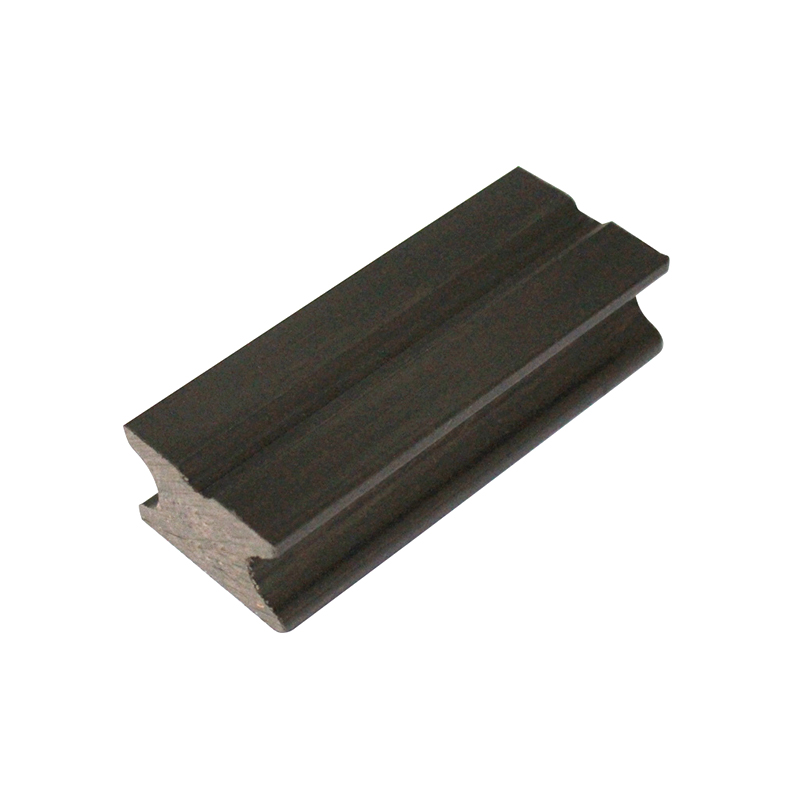
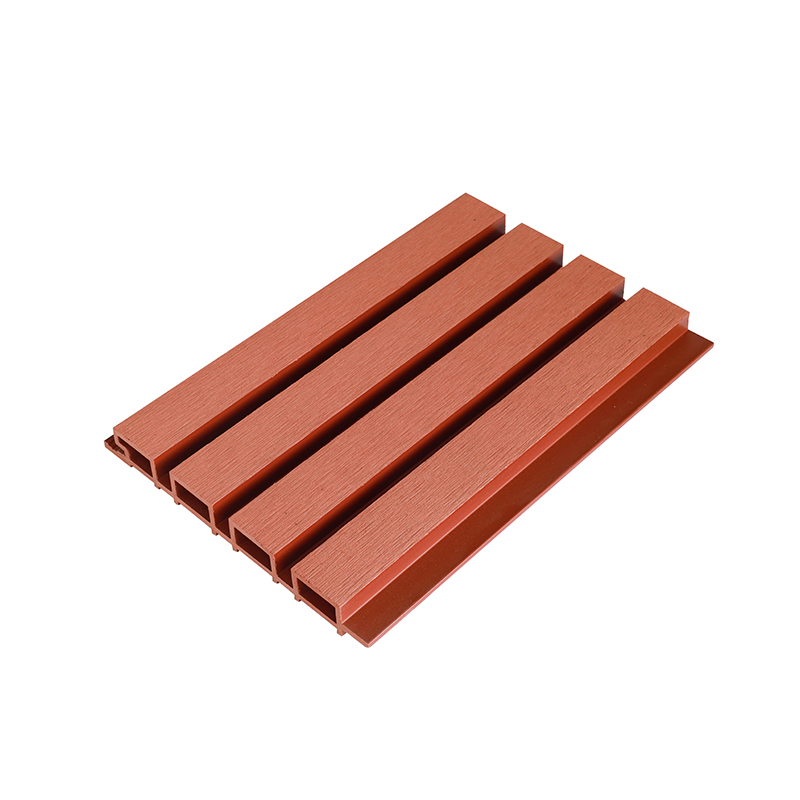
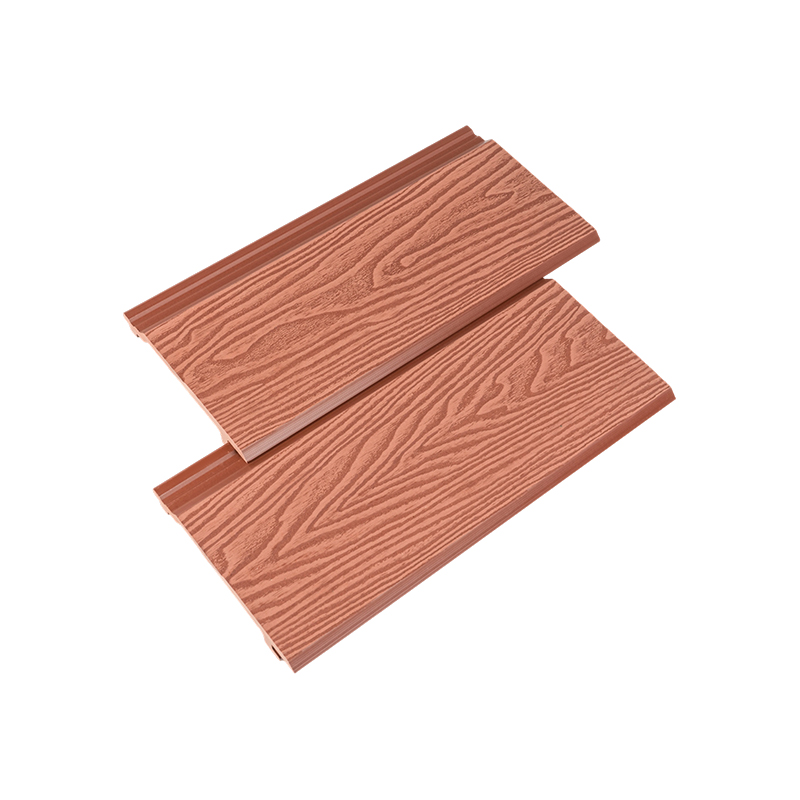
WPC is a composite material made by blending wood fiber or bamboo fiber (typically 50–70% by weight) with a thermoplastic polymer binder — most commonly polyethylene (PE), polypropylene (PP), or PVC — along with UV stabilizers, colorants, lubricants, and coupling agents. The mixture is extruded into profiles (boards, planks, beams) that have the visual texture of wood but the weather resistance of plastic.
The properties that make WPC outlast natural wood in outdoor environments:
| WPC Product | Expected Lifespan | Key Durability Factor |
|---|---|---|
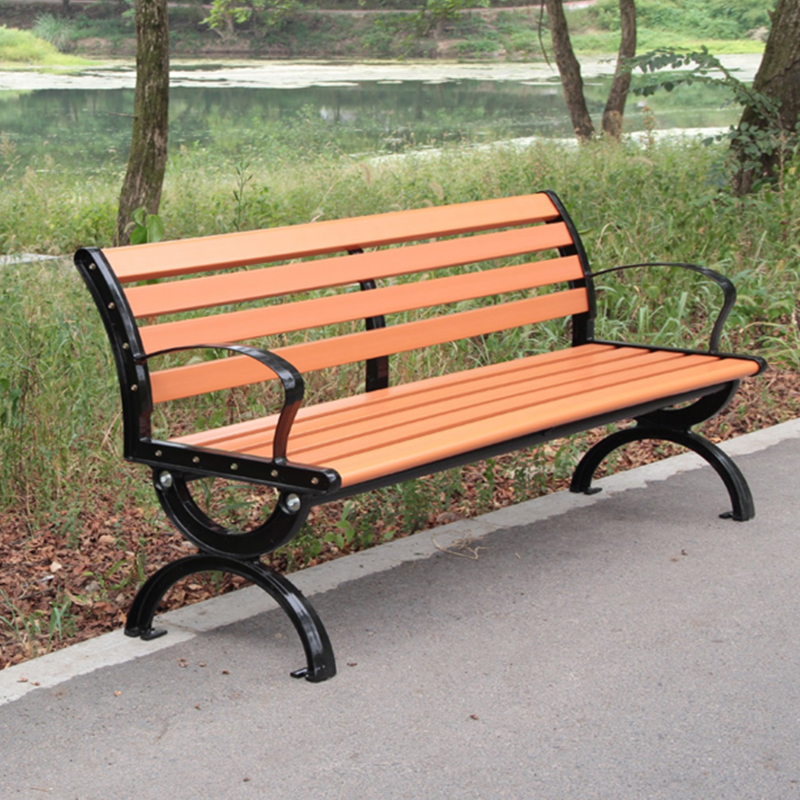
| Garden bench | 15 – 25 years | UV resistance, structural joint quality |
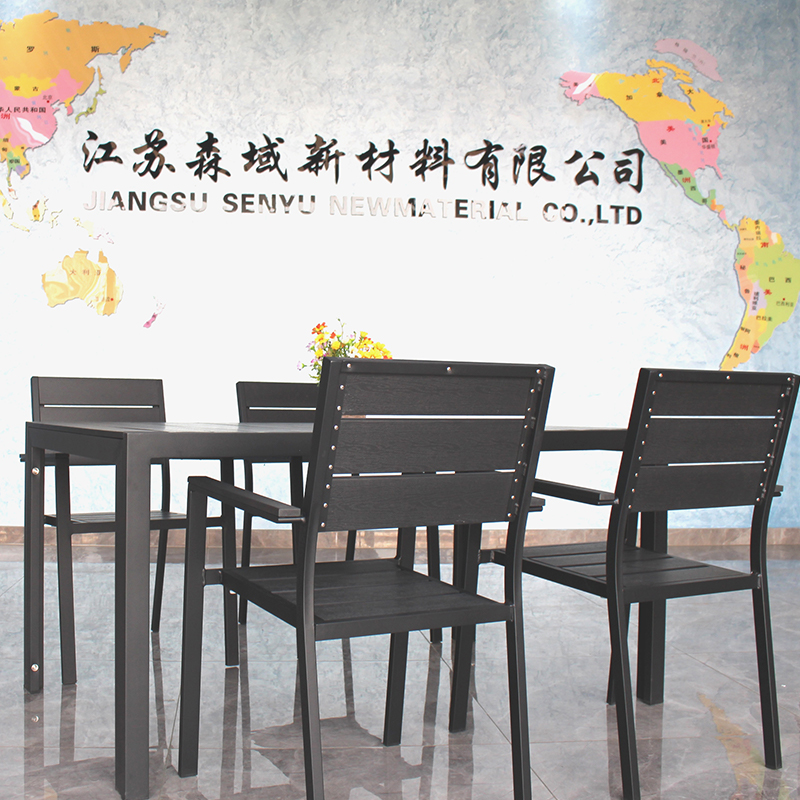
| Outdoor WPC table set | 15 – 20 years | Surface hardness, frame connection corrosion resistance |
| Garden planter / flower box | 10 – 20 years | Waterproofing at joints, drainage design |
| WPC decking boards | 20 – 30 years | Co-extrusion cap layer quality, UV stabilizer loading |
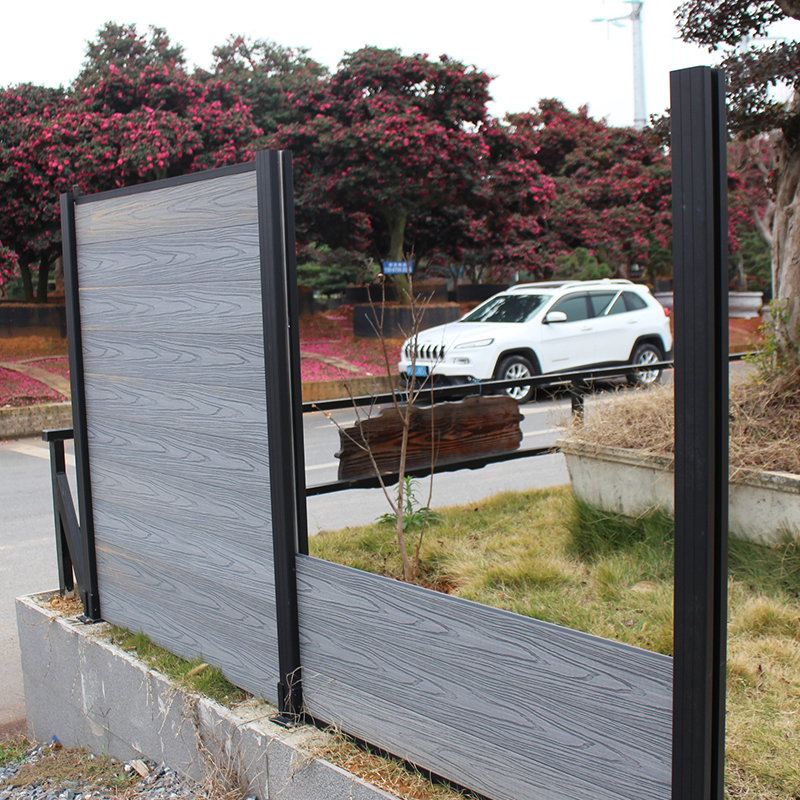
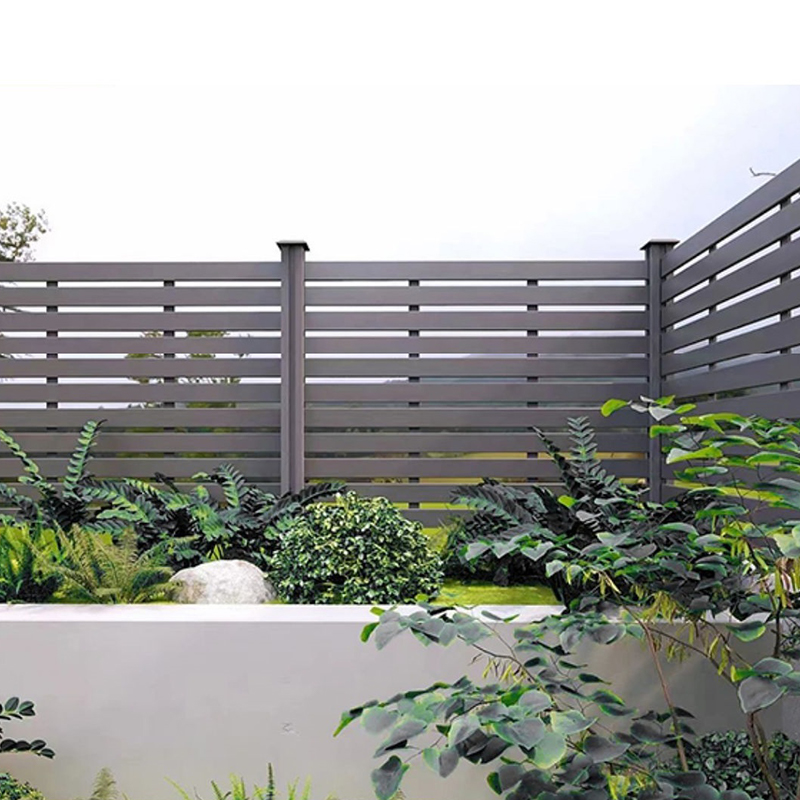
| Outdoor fencing | 15 – 25 years | Post installation quality, drainage at ground contact |
UV radiation is the primary degradation mechanism for WPC in outdoor environments — it breaks down the polymer binder and causes surface fading, chalking, and eventually surface cracking. High-quality WPC uses UV stabilizer packages at 0.5 to 2% loading by weight, including hindered amine light stabilizers (HALS) and UV absorbers. Products without adequate UV stabilization may show visible fading and surface degradation within 3 to 5 years of outdoor exposure, despite otherwise good structural integrity.
Premium WPC decking and furniture boards use a co-extrusion process that applies a thin (0.5 to 2 mm) polymer-rich outer "cap" layer over the wood-fiber core. This cap layer provides superior UV resistance, scratch resistance, and stain resistance compared to uncapped WPC, while also completely enclosing the wood fiber and preventing moisture access at the surface. Capped WPC products consistently achieve longer service lives than equivalent uncapped products.
WPC in high-UV environments (tropical, desert, or high-altitude locations) experiences accelerated UV aging. Coastal environments with salt air add corrosion stress to any metal fasteners and connectors used in WPC furniture assembly — stainless steel or hot-dip galvanized hardware should be specified to prevent fastener failure becoming the limiting factor in the furniture's life.
While WPC requires far less maintenance than natural wood, minimal care significantly extends its service life:



 English
 Français
 Español
 Deutsch