2026-04-24
Content
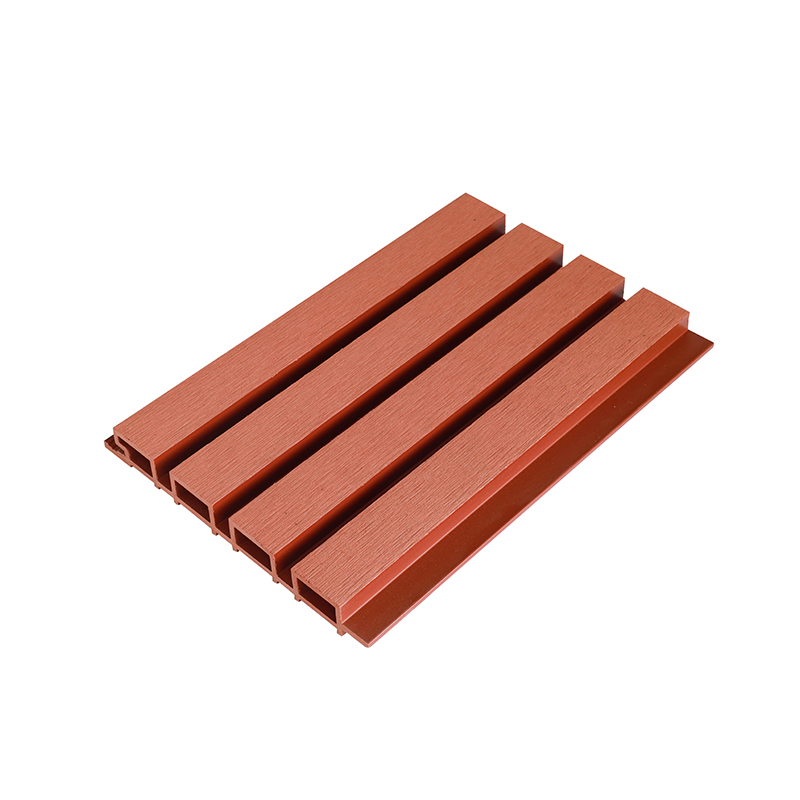
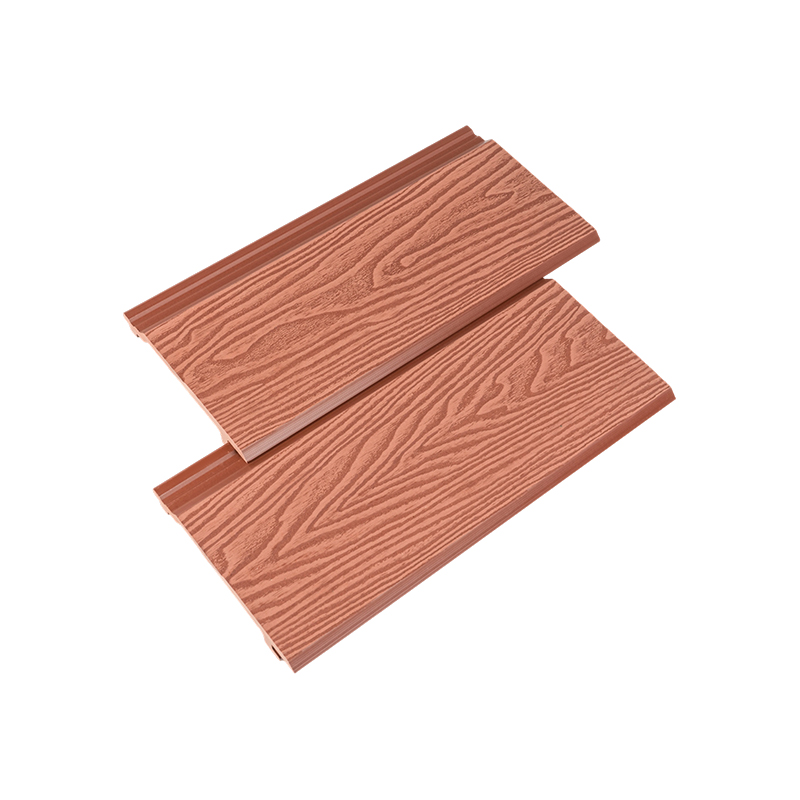
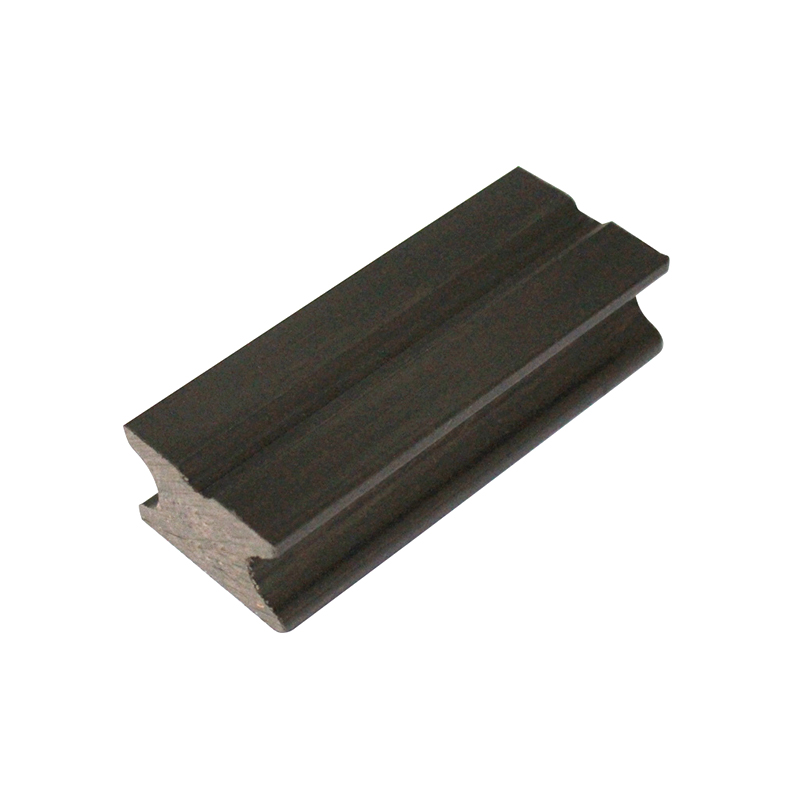
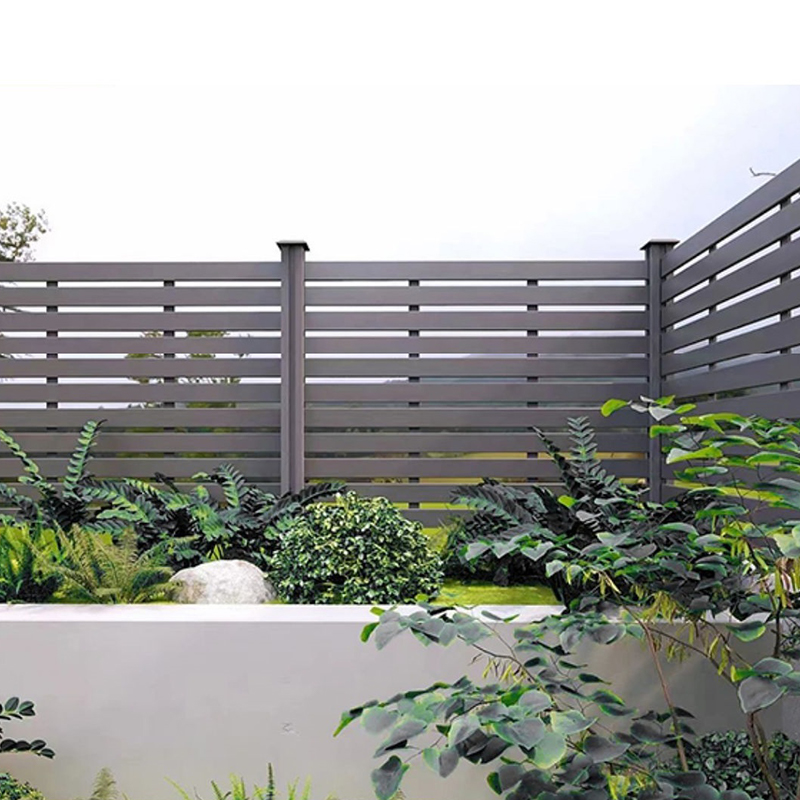
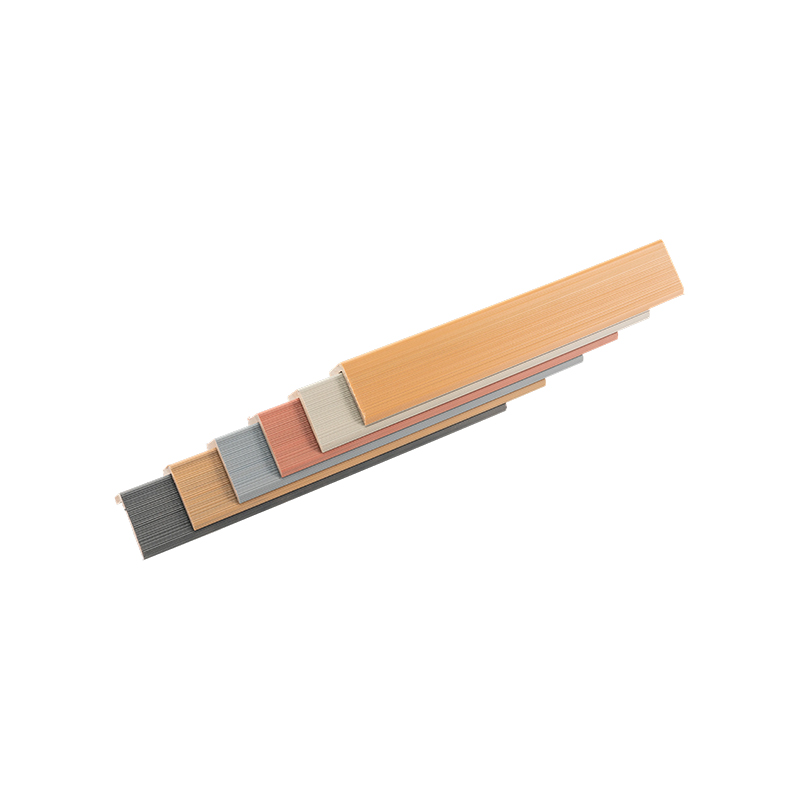
WPC edge caps — also called wood plastic corner caps or WPC corner trim — are L-shaped or U-shaped protective profiles made from wood-plastic composite material, designed to cover, protect, and finish exposed edges and corners of decking boards, wall panels, flooring, stairs, fencing, furniture, and landscape structures. They combine the natural wood-grain appearance of timber with the weather resistance and dimensional stability of thermoplastic polymer — providing both functional edge protection and aesthetic finishing in a single product that requires no painting, sealing, or ongoing surface treatment.
Standard WPC edge caps are produced in lengths of approximately 2 meters per piece, with cross-sectional dimensions matched to common decking and panel board thicknesses. They are available in natural light brown, dark brown, gray, and other colors that coordinate with WPC decking and cladding product ranges.
Exposed decking board ends, stair nosings, wall panel edges, and furniture corners are vulnerable to physical impact damage — chipping, splitting, or delamination from knocks, foot traffic, and dropped objects. WPC edge caps absorb these impacts and distribute the force over a larger area, protecting the underlying board from damage. The rounded outer edge profile of most WPC caps eliminates sharp 90° corners that would otherwise be present at board ends — reducing the risk of injury from contact with exposed edges and extending the life of the board beneath.
The cut ends of WPC boards expose the wood fiber core — the most moisture-absorptive part of the composite. Without protection, end-grain moisture absorption leads to swelling, checking, and accelerated degradation at board terminations. WPC edge caps physically cover these exposed cross-sections, sealing the end grain from moisture ingress and ensuring the board's moisture performance at the ends matches its performance along the main surface. This is particularly important for outdoor decking edges, stair risers, and any application where the board end is exposed to rain or water.
Uncapped board ends reveal the composite's interior structure — an unfinished appearance that is visually inconsistent with the board's decorative surface. WPC edge caps provide a clean, finished termination that matches the surface texture and color of the adjacent decking or cladding, creating a professional appearance at all visible edges. The imitation wood grain on the cap face integrates naturally into the overall installation aesthetic without requiring color matching or specialized finishing work.
WPC edge caps are designed for straightforward field installation using one or more of the following methods:
WPC edge caps can be cut to length with a standard wood saw or mitre saw at any angle, making them adaptable to non-standard installations and diagonal deck layouts without specialist tools or skills.
| Method | Appearance | Moisture Protection | Installation Ease |
|---|---|---|---|
| WPC edge cap | Matching grain and color | Full end-grain coverage | Simple (snap, glue, or screw) |
| Mitered return board | Seamless, high quality | Good (sealed joint) | Complex (precision cuts) |
| Painted end sealant | Poor (visible coating) | Moderate (cracks over time) | Simple but requires reapplication |
| Metal angle trim | Industrial; mismatched | Partial | Moderate |



 English
 Français
 Español
 Deutsch