2026-10-22
Content
A poolside deck on a hotel refurbishment passed every visual inspection and still failed at handover. The specification asked for a wet pendulum reading of 36 PTV or better. The boards that had been installed carried a shallow, glossy co-extrusion cap, and once the surface was wet the reading sat in the low thirties. Replacing 200 square metres of decking two weeks before opening cost more than the entire materials budget for that terrace.
Slip resistance on composite decking is not something you can see, and it is not a word you can trust on a brochure. It is a measured result on a defined surface, under defined conditions, against a defined standard. The sections below explain what actually creates grip on a WPC board, how the numbers are produced, and what to check before you release a purchase order.
A non slip WPC board needs three things working together: a deep and dense surface texture, a formulation that keeps grip-giving material at the surface, and an installation that moves water off the deck instead of holding it between the boards. Colour, brand and price come after. The three variables that decide the outcome are:
Change any one of those and the same nominal product can produce two very different figures. That is why two suppliers can both print the words non slip and both be technically honest, while delivering products that behave nothing alike underfoot.
Composite decking is tested with methods originally written for tile and stone. The results remain useful, but only when you know which method produced the number on the datasheet and what conditions it used.
| Standard | Test method | Typical rating | Where it is applied |
|---|---|---|---|
| DIN 51130 | Inclined ramp, shod operator, motor oil applied to the surface | R9 to R13 | Commercial floors and industrial areas in Europe and the Middle East |
| DIN 51097 | Inclined ramp, barefoot operator, soapy water | Class A, B or C | Pool surrounds, showers and other barefoot wet areas |
| AS 4586 with AS 4663 | Pendulum friction test, wet and dry | PTV and class ratings | External walkways in Australia and New Zealand |
| BS 7976 and HSE guidance | Pendulum test, wet | 36 PTV level, 45 PTV on ramps | UK public, workplace and commercial flooring |
| ANSI A326.3 | DCOF AcuTest, wet | 0.42 minimum | US interior wet areas and some exterior specifications |
Two traps appear again and again. First, a ramp result such as R11 is generated with oil on the surface and a shod operator, so it says very little about a barefoot pool surround, which needs a different test entirely. Second, pendulum results shift depending on whether the pendulum swings along the grain or across it, often by a few points. A test report that does not state the direction and the surface finish is incomplete, and a buyer cannot safely rely on it.
Texture is the variable you have the most control over at the specification stage. The main options behave quite differently in wet conditions.
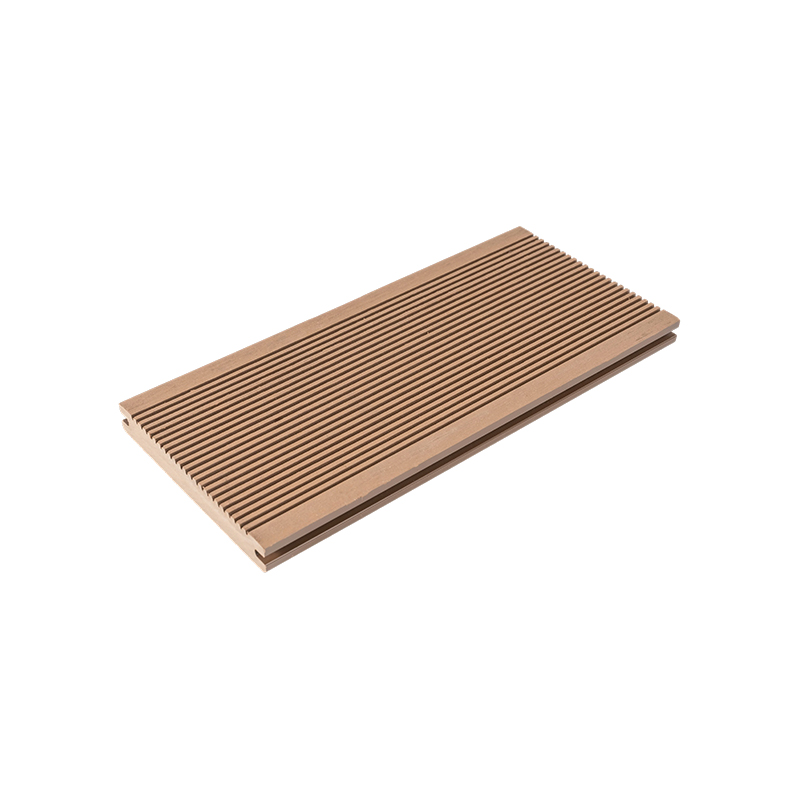
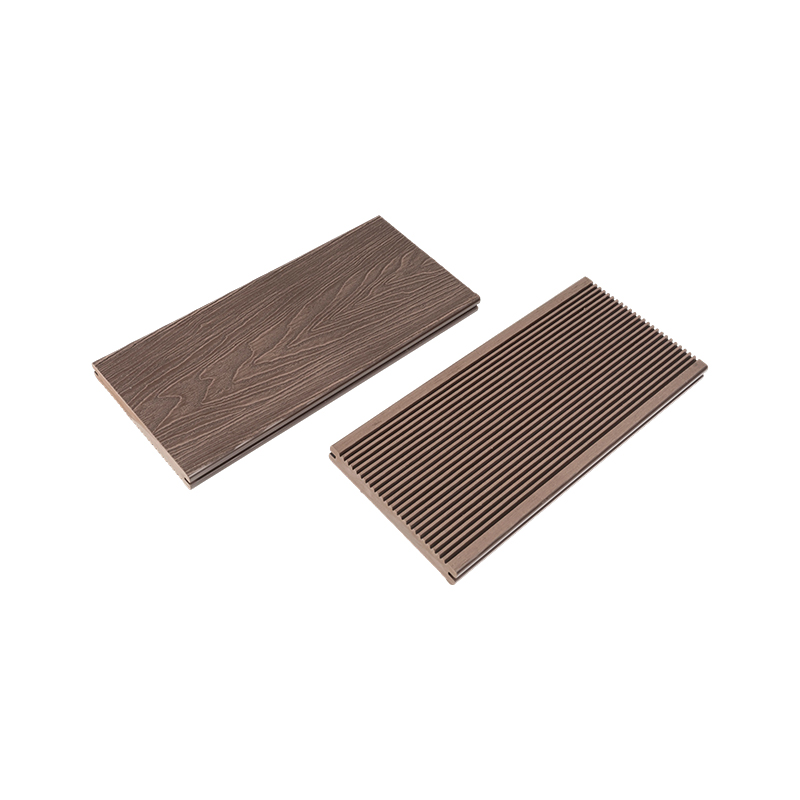
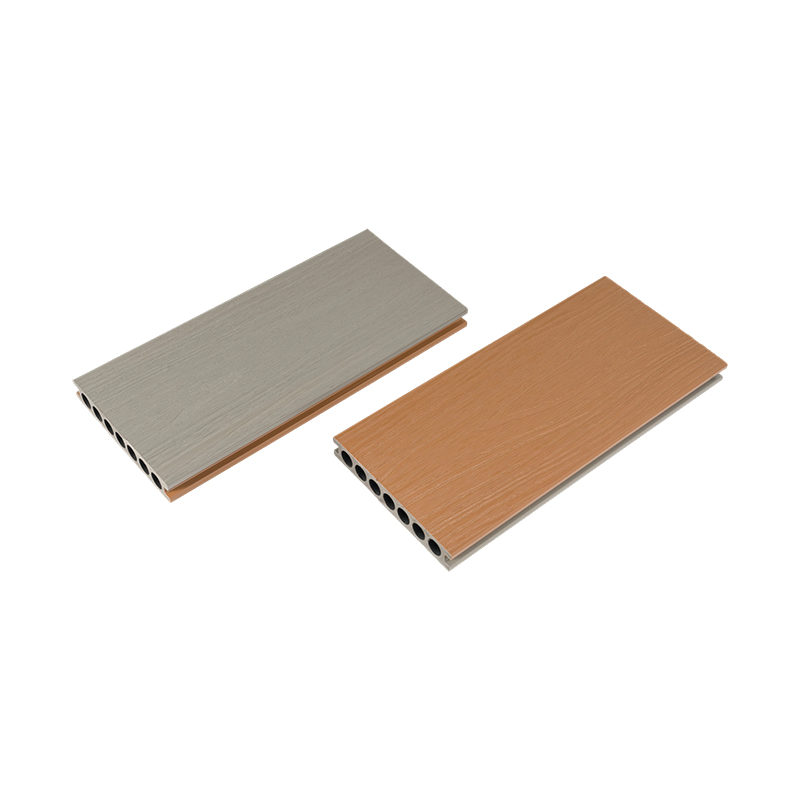
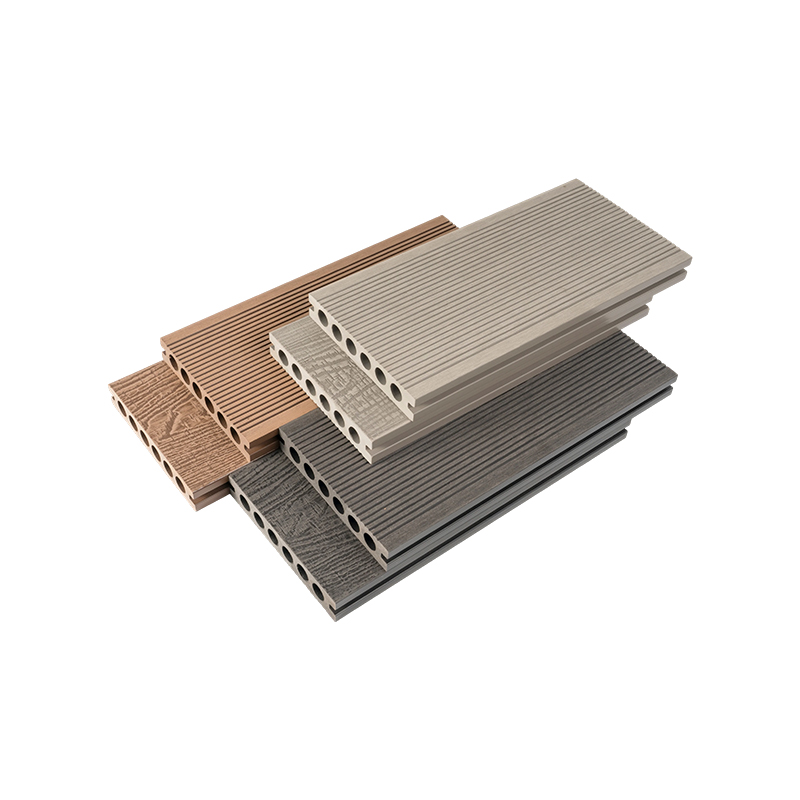 Hollow 3D Embossed Composite Decking for Outdoor DecksThis hollow WPC deck pairs 3D embossing with a slip-resistant grooved surface, making its texture depth worth comparing for wet outdoor decking.View Product →
Embossing is a mechanical feature, so it wears. On a busy commercial terrace, expect pattern depth to reduce over years of abrasion. A deep pattern has further to fall before it becomes smooth, which is a practical argument for specifying relief depth rather than accepting a light surface print.
The core structure does not change the friction coefficient of the face, but it changes how the deck feels and how reliably it performs over time. A hollow board is lighter, cheaper to ship and can span further per unit of weight, which matters on elevated terraces and long boardwalks. A solid board resists point loads better and stays flatter across the joists.
Flex matters more than most buyers expect. A board that depresses underfoot gives less predictable contact, and repeated movement can work clips loose, open the side gaps unevenly and allow water to pond in low spots. On commercial projects, stairs, and any deck receiving trolleys or heavy footfall, solid profiles are usually the safer specification. On residential terraces with well-spaced joists, hollow profiles remain a good value option.
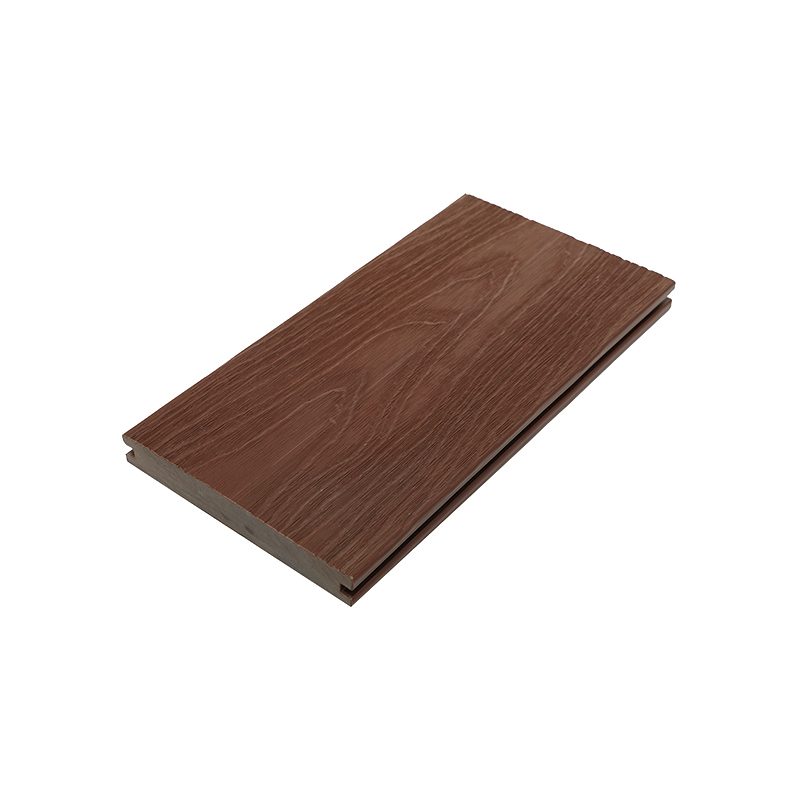 Solid Co-Extrusion WPC Decking for Heavy-Use Outdoor FloorsA solid 150x20 WPC plank with protective HDPE layer and wood-grain finish, relevant where flex control and durability under heavy footfall matter.View Product →
The best board on the market will still fail a wet test if it is installed carelessly. These details carry as much weight as the product specification itself.
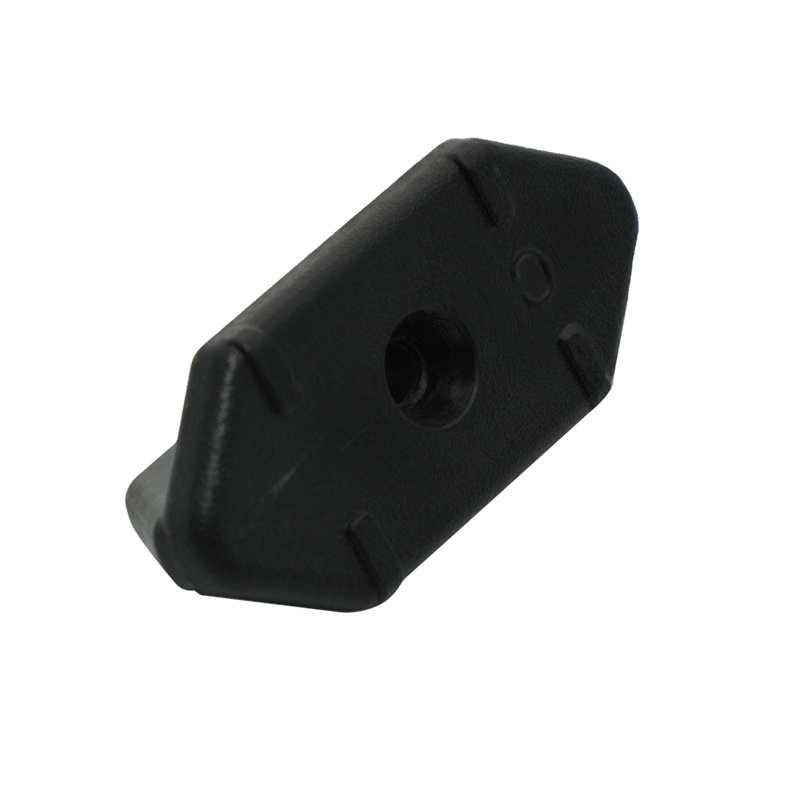
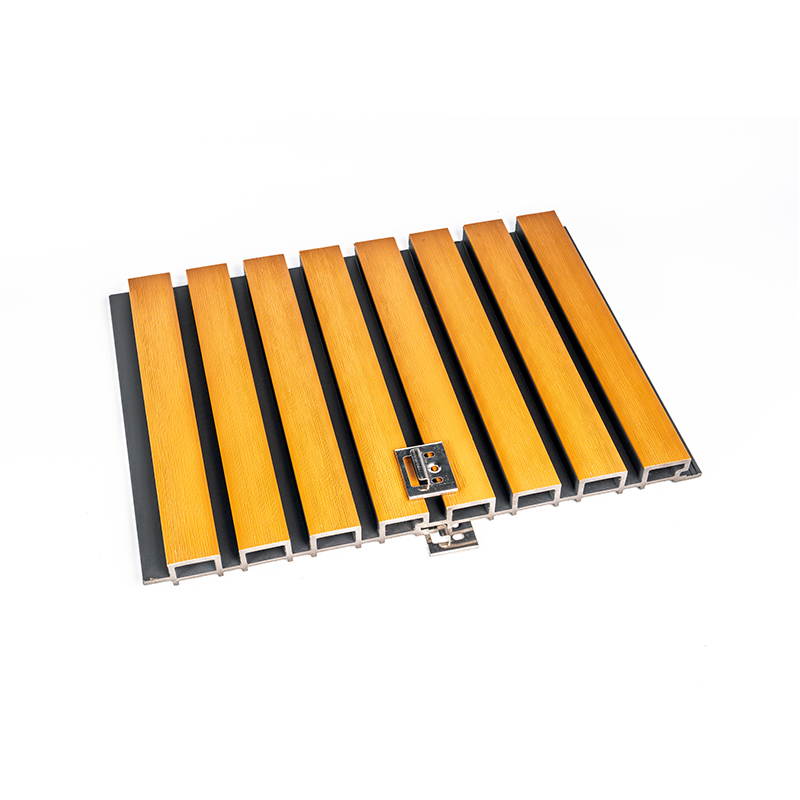 Stainless Steel Concealed Clips for Composite Decking InstallationA concealed stainless steel fastener with drainage gaps and corrosion resistance, worth reviewing where careful installation and coastal, damp deck conditions matter.View Product →
One further point applies to coastal and humid climates. An algae or mould film will reduce grip more than any difference between two board surfaces. If the deck sits in shade and stays damp, plan the cleaning regime before you choose the finish.
Notice that the required figure rises with the risk, not with the price of the project. A small domestic ramp used daily by an older resident deserves a higher slip class than a large decorative terrace that nobody walks on in the rain.
If a supplier cannot answer the first four questions clearly, treat the slip claim as unverified. This is a normal request in commercial procurement and a serious manufacturer will have the paperwork ready.
Maintenance is straightforward once the chemistry is understood. Wash the deck with a mild detergent and a stiff brush, rinse, and allow it to dry naturally. Remove algae and leaf litter promptly, particularly in shaded or coastal locations where a film forms within a season.
Two habits do real damage. Film-forming sealers and oil-based treatments fill the texture that provides grip, and they can leave a slick surface once wet. Aggressive high pressure washing at close range erodes the embossed pattern and flattens the relief that the deck was specified for. Use moderate pressure from a distance, and never treat the surface with a coating that the manufacturer has not approved.
Jiangsu Senyu New Material Co., Ltd. has spent twelve years developing and manufacturing wood plastic composite profiles under the Senyu Wood brand, working with polyolefin plastics and treated cellulose materials such as wood flour and rice husk. The company produces both hollow and solid decking across embossed, 3D embossed and co-extrusion ranges, along with the joists, clips, screws, edge caps and adjustable pedestals that make up a complete installation system. If you want the background on raw materials and profile construction before selecting a surface, this explanation of how WPC decking is manufactured is a useful starting point.
The relevant point for slip resistance is control over the surface. Because the surface pattern, cap compound and cross-section are developed in-house using CAD, buyers can specify relief depth, colour and profile together rather than choosing from a fixed catalogue. Annual capacity of 20,000 tonnes supports project-scale orders, and because decking, cladding, fencing and accessories come from the same production base, the fixing system is matched to the board rather than sourced separately.
If you are working to a defined slip class for a pool, ramp or commercial terrace, send us your specification and target rating and we will confirm which profile and surface match the requirement.
Non slip composite decking comes down to a short chain of decisions. Choose a textured surface suited to the environment, confirm the core structure matches the loading and span, fix it with the right clips and gaps at the right spacing, and ask for the wet test report before the order is placed. Do those four things and the deck will pass its handover test, then keep passing it five summers later.



 English
 Français
 Español
 Deutsch