2026-04-30
Content
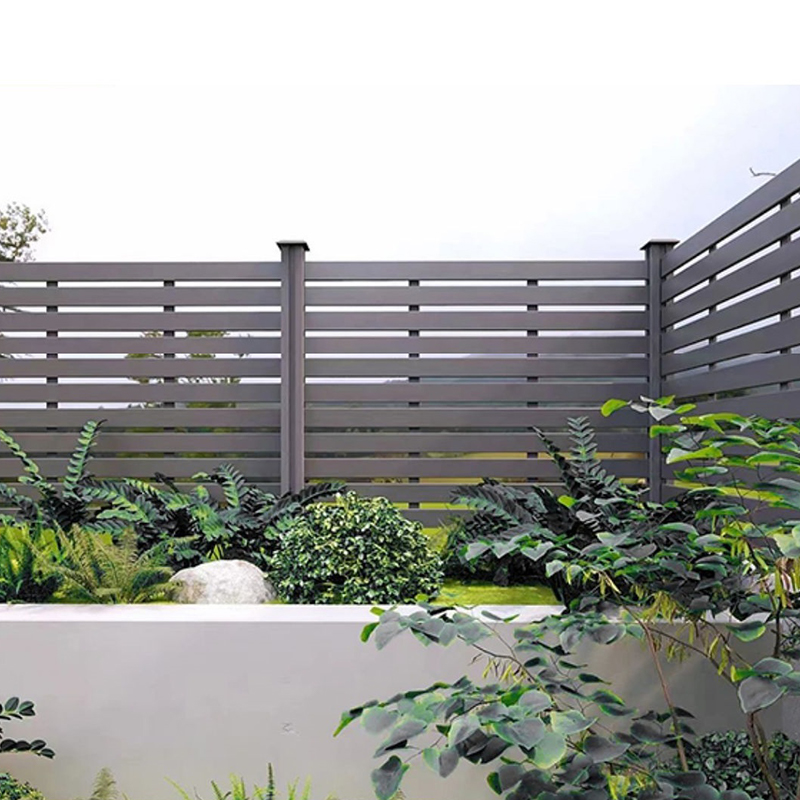
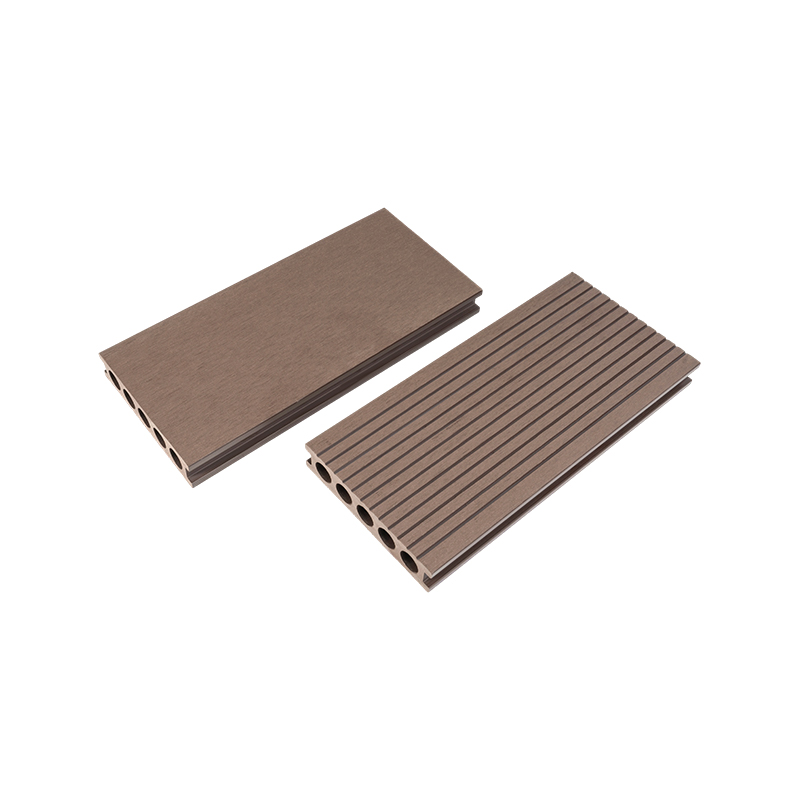
Composite fencing offers a compelling combination of durability, low maintenance, and visual versatility that traditional wood, metal, or vinyl fencing cannot fully match. Made from a blend of recycled wood fiber and thermoplastic polymers, composite fence panels resist rot, insects, moisture, and UV fading without requiring painting, staining, or chemical treatment. For homeowners and commercial property managers seeking a long-term fencing solution, composite fencing consistently delivers a lower total cost of ownership over a 20- to 30-year lifespan compared to wood alternatives that need refinishing every 2 to 3 years.
The following sections examine each core advantage in detail, supported by performance data and practical comparisons to help you evaluate whether composite fencing is the right choice for your property.
One of the most significant advantages of composite fencing is its resistance to the full range of environmental stressors that degrade traditional materials over time. Wood fencing is vulnerable to moisture absorption, which leads to swelling, warping, splitting, and eventually rot. Composite boards, by contrast, are engineered to be largely impermeable to water ingress.
High-quality composite fencing typically absorbs less than 1% of its weight in water after prolonged exposure, compared to untreated pine or cedar, which can absorb 20% or more. This near-impermeable characteristic eliminates the primary decay pathway for timber fencing and ensures the structural integrity of the fence boards is maintained even in high-humidity climates or regions with heavy seasonal rainfall.
Termites and wood-boring insects cause billions of dollars in structural damage annually. Because composite fencing contains no exposed cellulose-rich wood fibers on its surface—the outer shell is typically a continuous thermoplastic skin—it provides no nutritional or structural substrate for insect colonization. This makes composite fencing particularly valuable in termite-active regions across the southeastern United States, Australia, and tropical climates worldwide, where untreated timber fencing may fail within five to eight years without chemical treatment.
Modern composite fencing incorporates UV stabilizers and pigment systems within the outer cap layer that resist solar degradation. Premium capped composite products are tested to retain more than 90% of their original color after 2,000 hours of accelerated UV exposure (equivalent to approximately 5 years of outdoor exposure in high-sun climates). Untreated wood fencing grays and silvers significantly within 12 to 18 months without regular staining.
Maintenance is where composite fencing delivers its most tangible everyday advantage for property owners. The ongoing demands of wood fencing—sanding, repainting or restaining, treating for insects, replacing warped or cracked boards—represent both a recurring time commitment and a significant recurring cost.
Composite fencing requires only occasional cleaning with soap and water or a low-pressure rinse to remove surface dirt, algae, or mildew. There is no requirement for painting, staining, sealing, or chemical treatment at any point in the fence's life. For a typical residential fence of 150 linear feet, this can represent a saving of 20 to 40 hours of maintenance labor per decade compared to maintaining an equivalent softwood fence.
For commercial or multi-unit residential properties managing hundreds of meters of perimeter fencing, the labor cost reduction is proportionally greater and has a direct impact on facility management budgets.
The upfront cost of composite fencing is higher than softwood timber but comparable to or competitive with hardwood and premium vinyl options. When total cost of ownership is modeled over a 25-year period, composite fencing typically proves more economical than softwood and often comparable to or better than hardwood:
| Fencing Type | Initial Installation Cost | Maintenance Cost (25 yr) | Replacement Cost | Total 25-Year Cost |
|---|---|---|---|---|
| Softwood (pine/spruce) | Low | High (staining, repairs) | 1–2 full replacements | Highest |
| Hardwood (oak/teak) | High | Moderate (oiling, repairs) | Possible partial replacement | High |
| Vinyl / PVC | Moderate–High | Low (cleaning only) | Possible panel replacement | Moderate |
| Steel / Aluminum | High | Low–Moderate (painting) | Minimal | Moderate–High |
| Composite | Moderate–High | Very Low (cleaning only) | None expected | Lowest–Moderate |
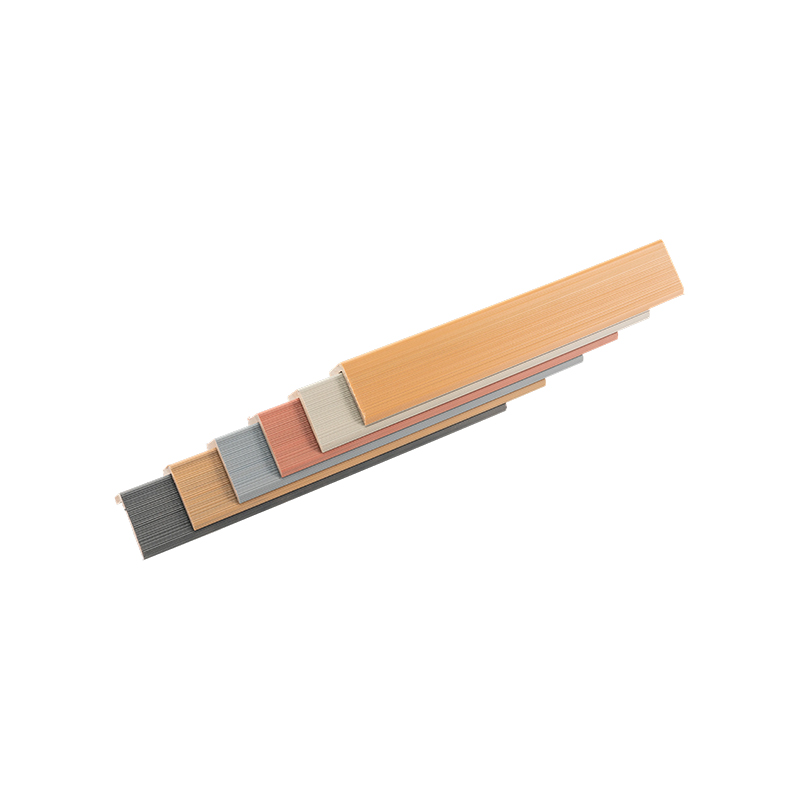
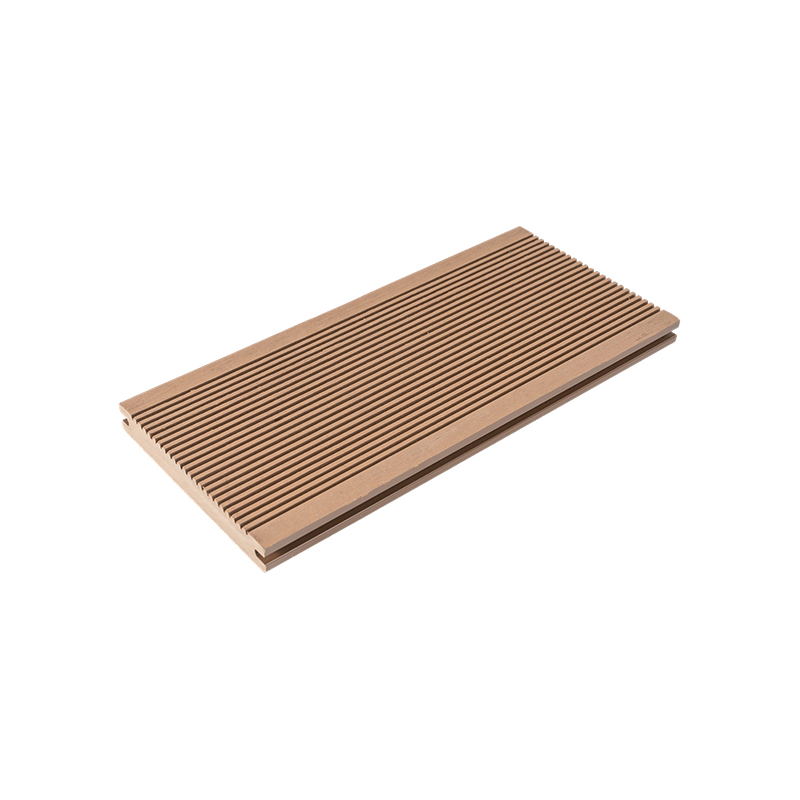
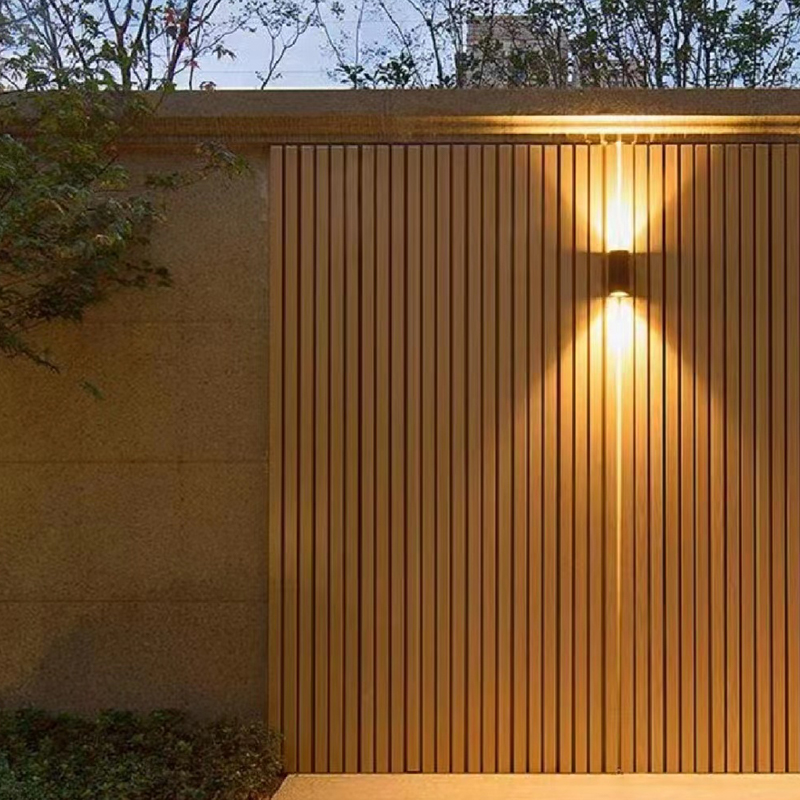
Composite fencing is available in a wide range of profiles, textures, and colorways that replicate the appearance of natural timber without its associated maintenance demands. Woodgrain embossing on cap layers produces a surface texture that closely mimics sawn or brushed timber, while smooth profiles suit contemporary architectural styles.
Common color options include warm timber tones (golden oak, cedar, teak), cool grays, charcoal, and natural brown—all manufactured with through-body or cap-layer pigmentation that resists fading. Unlike painted wood, composite fencing will not peel, blister, or flake, meaning the fence appearance 10 years after installation closely resembles the original.
Panel systems are typically modular, allowing for:
Composite fencing is typically manufactured using 50% to 95% recycled content by weight, combining post-consumer or post-industrial recycled wood fiber (sawdust, wood shavings, reclaimed timber) with recycled thermoplastic polymers (primarily HDPE or PP sourced from recycled packaging and industrial scrap). This diverts significant volumes of material from landfill streams.
From a forest resource perspective, composite fencing reduces demand for virgin timber, particularly relevant where fencing historically has drawn on old-growth or slow-growing hardwood species. The extended service life of composite fencing—typically warranted for 15 to 25 years—also means fewer total material cycles are needed over a property's lifetime compared to softwood fencing replaced every 8 to 12 years.
Composite fencing does not require chemical preservative treatments (copper-based biocides, creosote, or similar) that are used on pressure-treated timber and can leach into surrounding soil. This is a meaningful advantage for fence lines adjacent to vegetable gardens, water features, or environmentally sensitive areas.
At end of life, some composite fencing manufacturers offer take-back or recycling programs. While composite is not infinitely recyclable in the way that metals are, the material can be ground and repurposed in lower-grade composite products, plastic lumber, or aggregate applications.
Composite fence boards are engineered to consistent dimensional tolerances, unlike natural timber which varies in density, knot content, and moisture content from board to board. This manufacturing consistency translates to more predictable structural performance:
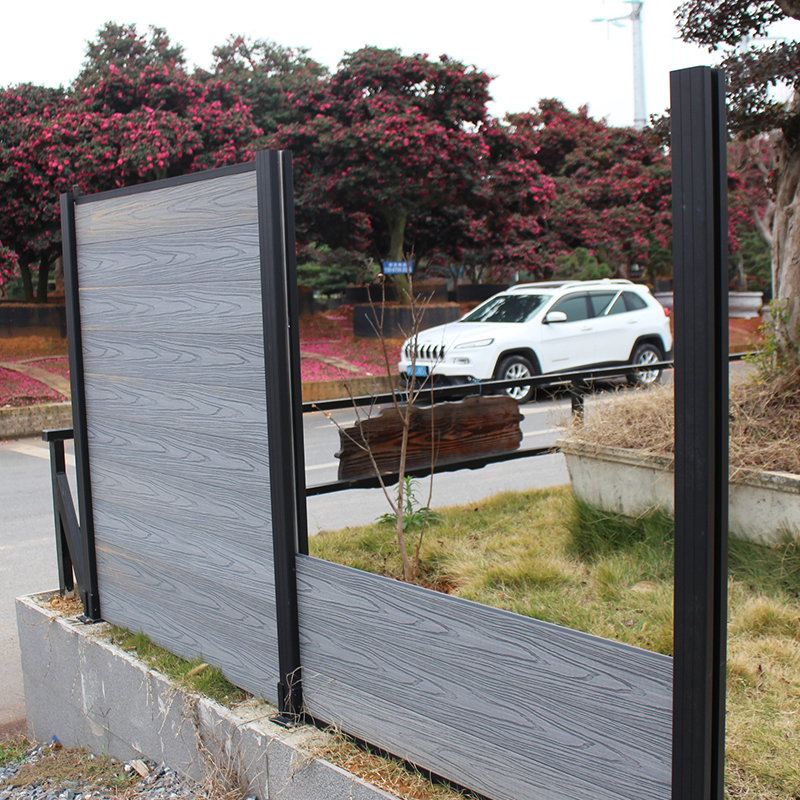
Composite fencing systems are designed for straightforward installation using standard carpentry tools. Most systems use a rail-and-board or panel-and-post arrangement with clip or channel fasteners that do not require face-fixing, reducing installation time and eliminating visible fastener heads.
Because composite boards are manufactured to consistent lengths and profiles, site trimming is minimal and predictable—boards cut cleanly with a standard circular saw fitted with a fine-tooth blade. The absence of knots, grain variations, and moisture-related warping means boards fit consistently without the manual selection and sorting that timber installation often requires.
A typical experienced installer can complete 15 to 25 linear meters of composite panel fencing per day, a rate broadly comparable to timber, with the added benefit that no priming, painting, or sealing step is required after installation.
Not all composite fencing products deliver equivalent performance. The following factors should be evaluated when specifying or purchasing:
Capped composite boards have a continuous co-extruded thermoplastic shell encasing the wood-polymer core on all four sides. Uncapped or partially capped products expose the wood-fiber composite material on cut edges or the back face, making them more vulnerable to moisture ingress and staining. Fully capped composite fencing is strongly recommended for perimeter applications where boards are exposed on both faces and at cut ends.
Leading composite fencing products carry structural warranties of 15 to 25 years covering rot, decay, and structural failure, plus fade and stain warranties of 10 to 25 years. Read warranty terms carefully: some warranties are limited to residential applications, require installation by registered contractors, or exclude certain exposure categories (coastal salt air, ground contact).
Composite fence boards are generally used with steel, aluminum, or concrete posts rather than timber posts, since timber posts remain the most failure-prone element in any fence system. Using a non-timber post eliminates the primary weakness in an otherwise durable composite fence installation.
Composite materials expand and contract more than timber with temperature changes. Most systems accommodate this through designed expansion gaps at board ends and within clip fastener systems. In climates with large temperature swings (greater than 40°C differential between summer and winter), following manufacturer spacing guidelines precisely is essential to prevent buckling or gap formation.



 English
 Français
 Español
 Deutsch