2026-05-22
Content
Composite siding cladding offers a compelling combination of advantages that traditional cladding materials — natural wood, fiber cement, vinyl, or brick — cannot individually match: the natural aesthetic of real wood combined with dramatically superior durability, minimal maintenance requirements, and long-term cost efficiency. Engineered from a blend of wood fiber (or other cellulosic materials) and thermoplastic polymers, composite siding delivers a product that looks and feels like natural timber while resisting the moisture, rot, insect, UV, and impact damage that limits the lifespan of conventional materials.
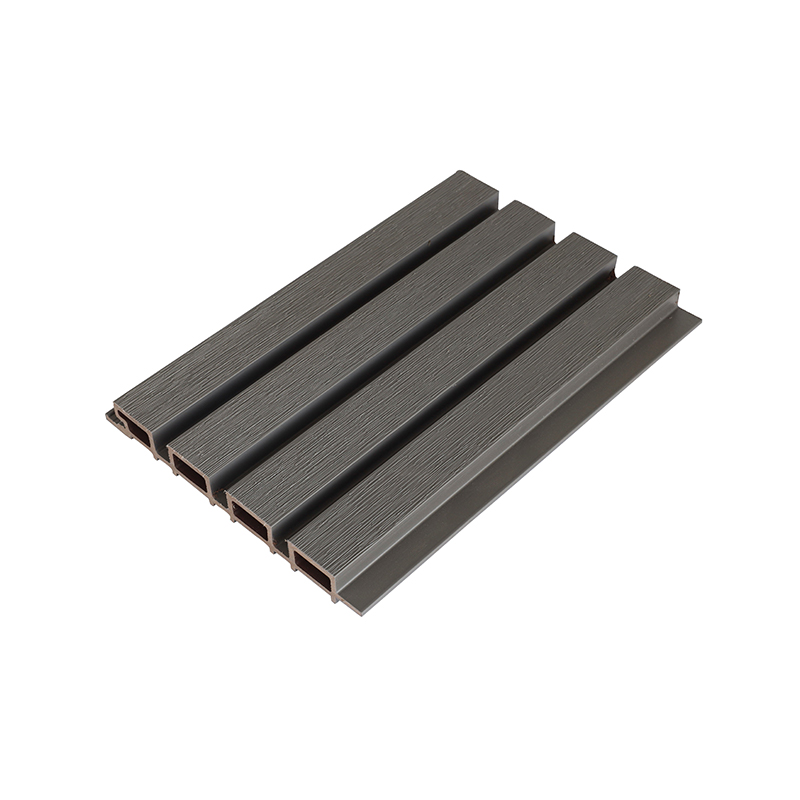
For residential and commercial buildings alike, composite siding cladding represents a significant advancement over traditional options: it is available in a wide range of colors, textures, and profiles (including WPC wall cladding, 3D embossed cladding, and co-extrusion cladding types), it is environmentally responsible, and it maintains its performance and appearance for decades with nothing more than occasional washing. The sections below explore each major advantage in detail, supported by performance data and real-world application context.
Durability is arguably the most significant advantage of composite siding cladding, and it is where the gap between composite and traditional materials is widest. The engineered composition of composite cladding addresses the specific failure modes that limit the lifespan of every other popular cladding material.
Natural wood cladding absorbs water through its cell structure, leading to swelling, warping, cracking, and ultimately rot when moisture levels are sustained. Composite siding's polymer matrix encapsulates the wood fiber content, preventing direct water absorption. Premium composite cladding products typically absorb less than 1% moisture by weight after 24 hours of submersion — compared to untreated softwood that may absorb 30% or more. This moisture resistance eliminates the rot risk that causes natural wood cladding to fail in as few as 10 to 15 years in wet climates, with composite panels maintaining structural integrity for 25 to 50 years or more.
Termites, carpenter ants, and wood-boring beetles cause billions of dollars in structural damage annually to buildings clad in natural wood. Composite siding — because its wood fiber content is fully encapsulated within a polymer shell — is not a food source for wood-boring insects. The dense, hard outer surface of composite panels provides no entry point for termite galleries, and the polymer components are chemically indigestible to all common wood-destroying insects. This protection is permanent and requires no chemical treatment — unlike natural wood, which requires periodic re-treatment with preservatives to maintain pest resistance.
Natural wood cladding requires repainting or re-staining every 3 to 7 years as UV radiation breaks down the paint film and the underlying wood oxidizes, grays, and checks. Composite siding incorporates UV stabilizers and colorfast pigments throughout its outer layer — not just as a surface coating. Quality composite cladding products are tested to retain more than 85% of their original color value after 10 years of outdoor exposure under accelerated weathering test conditions equivalent to decades of real-world UV loading. This built-in UV protection eliminates the cycle of stripping, sanding, and repainting that consumes significant time and cost over the life of a traditionally clad building.
Composite cladding is significantly more impact-resistant than vinyl siding (which cracks and dents in cold weather) and more consistent in its impact performance than natural wood (which can split along grain lines). The fiber-reinforced polymer structure of composite panels absorbs and distributes impact energy, resisting denting from hail, windborne debris, and accidental physical contact. For buildings in hail-prone regions or high-traffic areas, this impact resilience is a meaningful durability advantage over competing materials.
The maintenance advantage of composite siding cladding is one of the most practically impactful benefits for building owners, translating directly into time savings, cost savings, and freedom from the disruptive cycle of repainting and repair that characterizes natural wood or fiber cement cladding.
Maintenance requirements for composite siding cladding are limited to:
Over a 25-year ownership period, a natural wood-clad house of 200 square meters of facade area typically requires 4 to 6 full repainting cycles, each costing $3,000 to $8,000 in labor and materials. The same facade in composite cladding requires zero repainting cycles — a lifetime maintenance saving that often exceeds the premium paid for composite over vinyl or entry-level wood cladding products at initial installation.
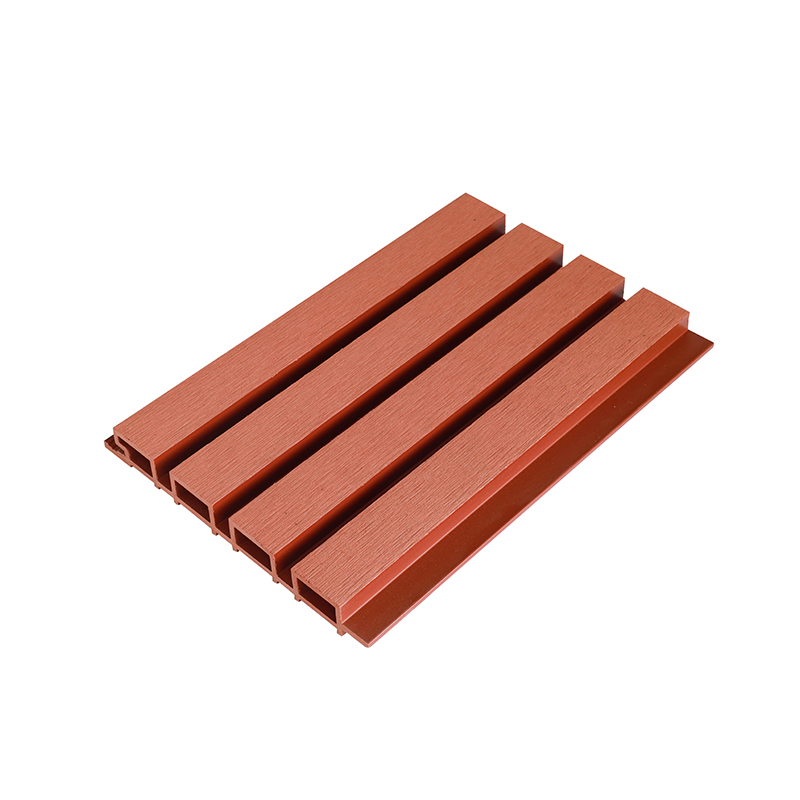
One of the most frequently cited advantages of composite siding cladding by architects and designers is its aesthetic flexibility — the ability to achieve a wide range of visual styles, from traditional timber to contemporary minimalist, without the material compromises associated with natural wood or the limited aesthetic range of vinyl.
Modern composite siding manufacturing — particularly 3D embossed cladding technology — produces surface textures that replicate the grain patterns, knot structures, and tactile character of real timber with remarkable fidelity. 3D embossing uses precision molds derived from real wood scans to imprint deep, three-dimensional grain textures onto the panel surface during manufacturing, creating a visual and tactile experience that closely approximates genuine wood. Unlike flat-printed wood-look finishes on vinyl, the embossed texture on composite panels catches light and shadow at different viewing angles in the same way natural wood grain does — a distinction immediately apparent in exterior applications where the facade is viewed in changing natural light.
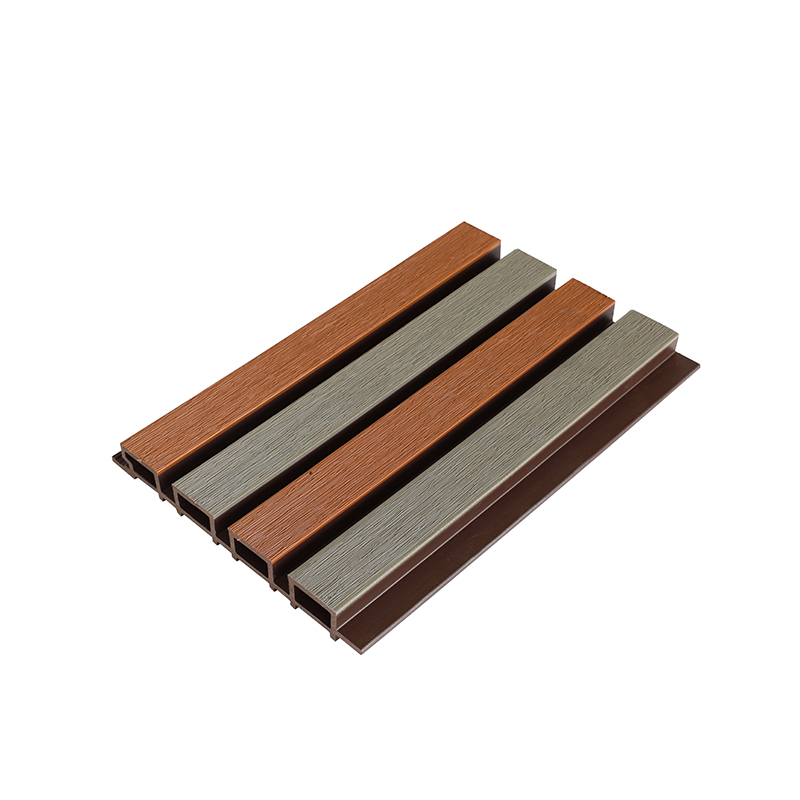
Composite siding is available in a comprehensive palette of colors — from natural wood tones (oak, cedar, redwood, teak, walnut, and grey weathered wood appearances) to contemporary solid colors (charcoal, anthracite, white, cream, and olive) to custom colors for commercial and high-design residential projects. Colors are integrated throughout the panel composition or applied as a factory co-extruded outer layer, ensuring that minor surface abrasion or edge exposure does not reveal a contrasting core material as it would with painted wood or coated fiber cement.
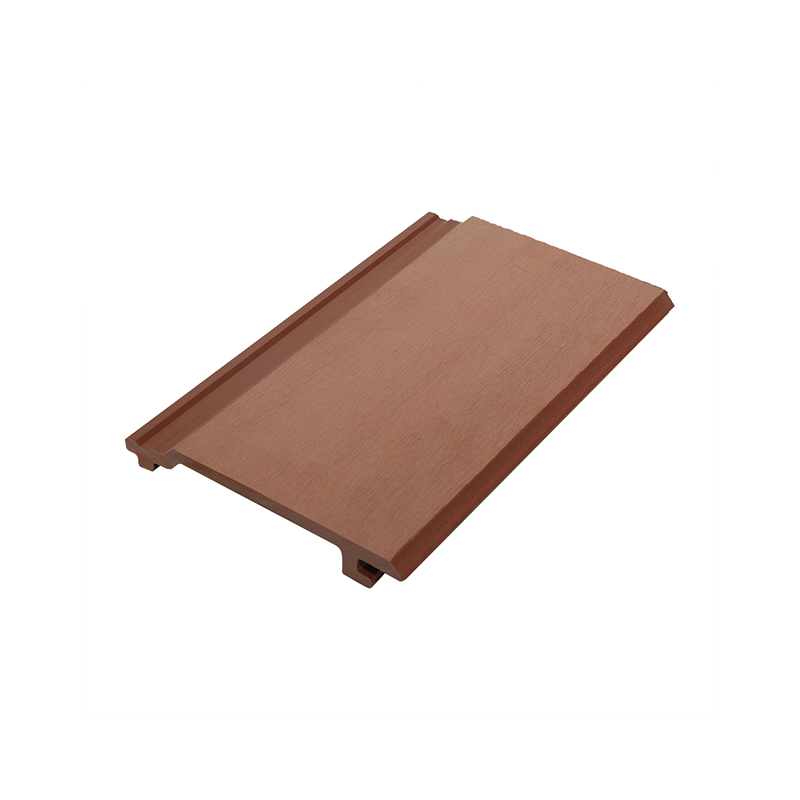
Composite cladding panels are available in horizontal lap siding profiles, vertical board-and-batten profiles, shiplap profiles, and flat panel configurations — covering the full range of traditional and contemporary architectural cladding styles. Different panel widths (commonly ranging from 140 mm to 300 mm) allow design adjustment of visual scale, making the same material appropriate for a modest cottage and a large commercial facade. This profile versatility, combined with color and texture options, means composite siding can authentically replicate virtually any traditional or contemporary cladding aesthetic.
Composite siding cladding is not a single product but a category encompassing several distinct engineered panel types, each with specific performance and aesthetic advantages suited to different applications.
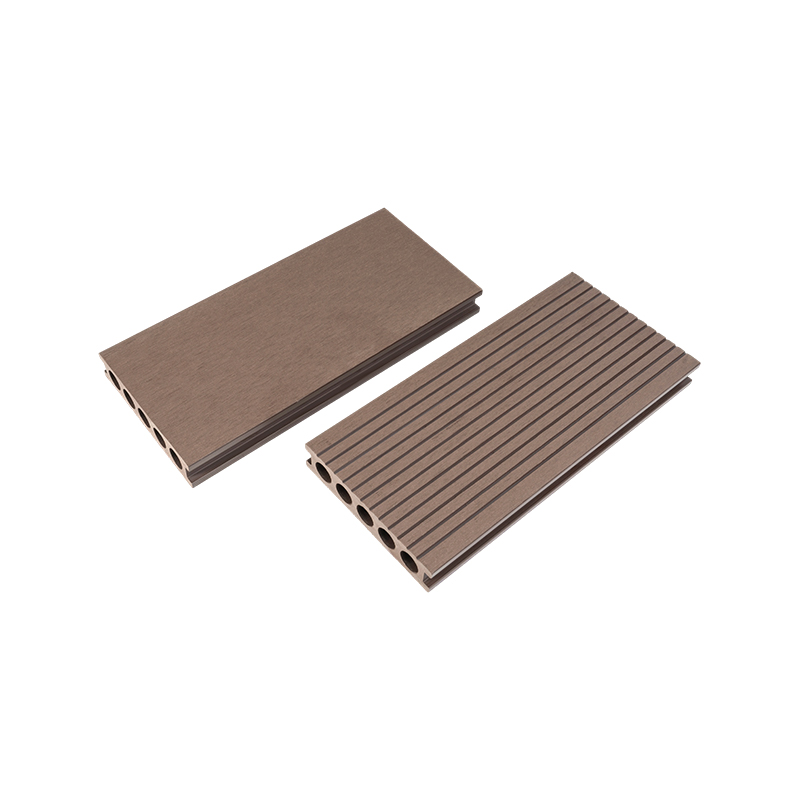
WPC (Wood-Plastic Composite) wall cladding combines wood fiber — typically 50% to 70% by weight, derived from recycled wood waste and sawdust — with thermoplastic polymers (polyethylene, polypropylene, or PVC) to form a dense, stable panel. The wood fiber content gives WPC its characteristic warm appearance and natural feel, while the polymer matrix provides the moisture, rot, and insect resistance that natural wood lacks. WPC cladding is the most widely used type globally, particularly for residential applications, and represents an excellent balance of natural aesthetics, performance, and value. Its hollow-core manufacturing option reduces weight and material cost while maintaining structural panel rigidity.
3D embossed composite cladding uses advanced compression molding or hot-pressing techniques to create deeply textured surface finishes that replicate specific wood species — including the raised grain of oak, the fine grain of cedar, and the rustic character of rough-sawn timber — at a level of realism that standard extruded composite surfaces cannot achieve. The deep surface relief of 3D embossing creates genuine shadow and highlight effects under natural light, producing a facade that is visually indistinguishable from natural timber in many cases. This type is particularly valued in high-design residential and hospitality projects where the natural wood aesthetic is a central design intent but where natural wood's maintenance and durability limitations are unacceptable.
Co-extrusion cladding is the most technologically advanced composite panel type, produced by simultaneously extruding two distinct material compositions — a structural core and a performance outer shell — in a single continuous manufacturing pass. The outer shell, typically a solid ASA (acrylic styrene acrylonitrile) or HDPE compound formulated for maximum UV stability, weathering resistance, and scratch resistance, is bonded to the structural composite core under heat and pressure during extrusion. Co-extruded composite panels offer the highest surface hardness, color stability, and scratch resistance of any composite cladding type — making them the premium choice for commercial applications, high-traffic areas, and buildings in extreme climate conditions where long-term appearance retention is paramount.
| Type | Key Composition | Standout Advantage | Best Applications |
|---|---|---|---|
| WPC Wall Cladding | 50–70% wood fiber + thermoplastic polymer | Natural warmth, excellent value, wide availability | Residential exteriors and interiors, garden buildings |
| 3D Embossed Cladding | WPC or solid composite with deep texture surface | Maximum wood realism, shadow/highlight depth | High-design residential, hospitality, premium commercial |
| Co-Extrusion Cladding | Composite core + ASA/HDPE outer shell | Highest UV resistance, scratch resistance, color retention | Commercial facades, extreme climates, high-traffic areas |
Composite siding cladding is engineered to perform across the full range of climatic conditions encountered in building applications globally — from tropical humidity to arctic cold, from coastal salt-laden air to desert UV intensity. This climate versatility is a significant advantage over materials that perform well in some conditions but fail prematurely in others.
As sustainability becomes an increasingly important criterion in building material specification — for both regulatory compliance and the growing preference of environmentally conscious building owners — composite siding cladding offers a compelling environmental profile.
The majority of composite cladding manufacturers use recycled wood fiber — primarily sawdust and wood chips from timber processing operations that would otherwise be landfilled or incinerated — as the primary wood component. The thermoplastic polymer content is also frequently sourced from recycled post-consumer plastic waste, including reclaimed polyethylene from packaging and agricultural film. Leading composite cladding products contain 50% to 100% recycled material by weight, giving them a significantly lower embodied environmental impact than products manufactured entirely from virgin raw materials.
High-quality natural timber cladding — hardwoods in particular — places demand on forest resources and raises deforestation concerns, especially for species sourced from tropical regions. Composite cladding that uses processed wood fiber from certified sustainably managed timber operations or from wood waste streams has a significantly lower impact on natural forest resources than products requiring large-dimension virgin timber.
Natural wood cladding requires periodic application of paints, stains, preservatives, and biocides throughout its service life — each of which carries environmental impacts from manufacturing, application (VOC emissions), and disposal. Composite siding's elimination of the painting and treatment cycle over a 25 to 50-year service life represents a meaningful reduction in the total chemical usage associated with building exterior maintenance.
A 50-year service life for composite cladding means that a building may complete its entire useful life without requiring facade re-cladding — whereas natural wood or vinyl cladding installed at the same time may require replacement after 15 to 25 years. Each avoided replacement cycle eliminates the manufacturing, transportation, installation, and disposal impacts of an entire set of building facade materials — a lifecycle environmental benefit that is substantial even if the per-unit manufacturing impact of composite is somewhat higher than simpler materials.
Fire safety is an increasingly prominent consideration in building material specification, particularly following high-profile fire events involving building facades globally. Composite siding cladding, particularly products formulated with fire-retardant additives, offers improved fire performance compared to untreated natural wood cladding.
Key fire performance advantages include:
It is important to note that fire performance varies significantly between composite products and manufacturers. Fire rating certifications should always be verified against current building code requirements for the specific application, as composite cladding is not uniformly classified as non-combustible, and some composite formulations perform no better than untreated wood in fire test conditions.
Composite siding cladding is engineered for efficient installation, offering practical advantages on the construction site that translate into time and labor cost savings compared to some competing materials.
While the initial purchase price of composite siding cladding is typically higher than entry-level vinyl or basic wood cladding, a full lifecycle cost analysis consistently demonstrates that composite delivers superior value over a 25 to 50-year ownership period. This total cost of ownership advantage is driven by three compounding factors:
| Cost Category | Composite Cladding | Natural Wood Cladding | Vinyl Cladding |
|---|---|---|---|
| Initial material and installation | High | Medium to High | Low to Medium |
| Repainting cycles over 25 years | 0 cycles — none required | 4–6 cycles ($15,000–$40,000) | 0–1 cycles |
| Rot/pest repair and replacement | Negligible | Moderate to high in wet climates | Low (but UV cracking common) |
| Full re-cladding within 25 years | Not required | Possible in harsh climates | Possible — UV degradation |
| Annual maintenance time (hours) | 1–2 hours (washing only) | 5–15 hours (inspection, treatment, repairs) | 2–5 hours |
| Expected service life | 25–50+ years | 15–30 years (with maintenance) | 15–25 years |
When maintenance costs are incorporated into the total cost calculation, composite siding typically delivers a lower total cost of ownership than natural wood cladding over any period exceeding 10 to 15 years, and becomes progressively more economical relative to competing materials as the time horizon extends. For commercial property owners, this long-term financial efficiency — combined with the property value enhancement that high-quality, low-maintenance cladding provides — makes the case for composite even more compelling.
Unlike some specialist building materials that perform well in a narrow range of applications, composite siding cladding is engineered for versatility — equally at home on building exteriors, covered exterior spaces, and interior feature walls.
The advantages of composite siding cladding are most clearly understood in direct comparison with the traditional cladding materials it competes with and frequently replaces.
| Property | Composite Cladding | Natural Wood | Vinyl / PVC | Fiber Cement |
|---|---|---|---|---|
| Natural wood appearance | Excellent | Excellent (authentic) | Poor to Moderate | Good (painted) |
| Moisture / rot resistance | Excellent | Poor (untreated) to Good (treated) | Excellent | Good |
| Insect resistance | Excellent | Poor (requires treatment) | Excellent | Excellent |
| Maintenance required | Minimal (wash only) | High (paint, treat, repair) | Low | Moderate (repainting) |
| Expected service life | 25–50+ years | 15–30 years | 15–25 years | 25–50 years |
| Recycled material content | High (50–100%) | None | Variable | Low to moderate |
| Installation complexity | Moderate (standard woodworking tools) | Moderate to High | Low to Moderate | High (heavy, specialist cutting) |
| Total 25-year cost | Low to Moderate | High | Low to Moderate | Moderate |
This comparison illustrates why composite siding cladding has grown rapidly in market share across residential and commercial construction globally. It occupies a unique position in the comparison matrix — delivering excellent natural wood aesthetics (which vinyl cannot match), excellent durability and pest resistance (which natural wood cannot provide without ongoing maintenance), low lifetime maintenance cost (which fiber cement requires repainting to sustain), and high recycled content sustainability. No single competing material matches composite cladding across all of these categories simultaneously, which explains its growing preference among architects, developers, and homeowners who prioritize long-term performance and total value over initial cost alone.



 English
 Français
 Español
 Deutsch