2026-08-07
Content
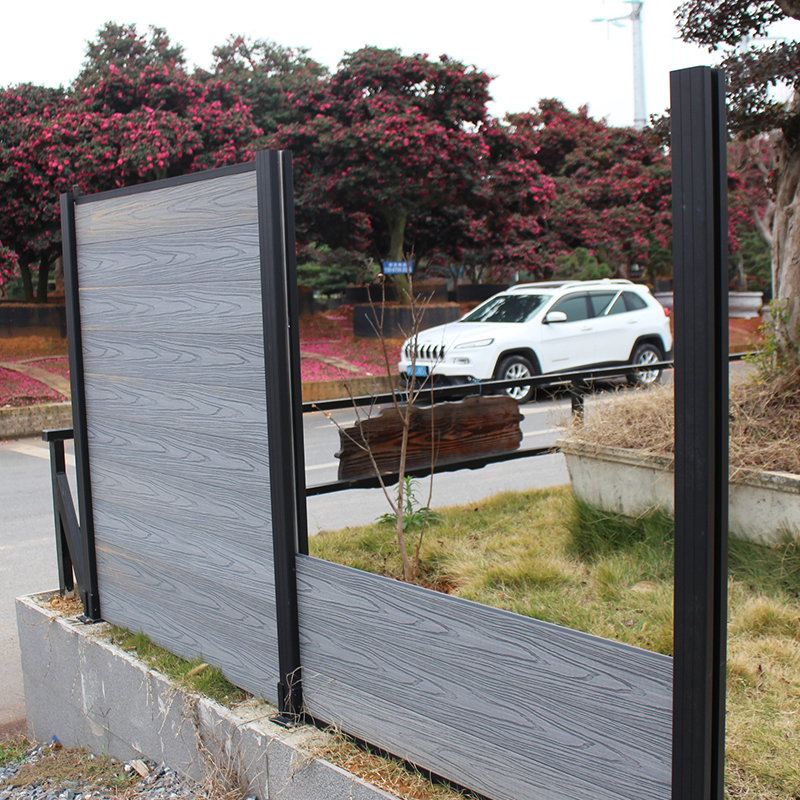
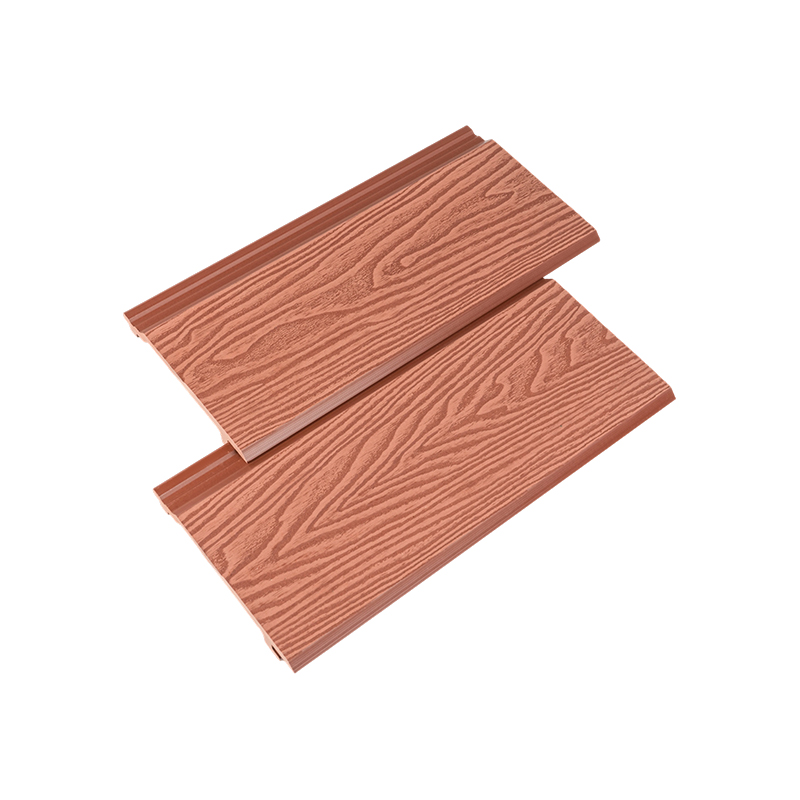
WPC wall cladding is a wood-plastic composite panel made by combining wood fiber with polymer resin and bonding agents, then extruding the mixture into boards used to cover exterior and interior walls. Unlike solid timber cladding, WPC panels resist moisture absorption, insect damage, and UV fading, making them a durable alternative for buildings exposed to weather extremes. According to material testing commonly referenced in the composite building products industry, WPC panels typically absorb less than 1 percent moisture by weight compared to solid wood, which can absorb well over 10 percent under similar humid conditions, directly reducing warping and swelling over time.
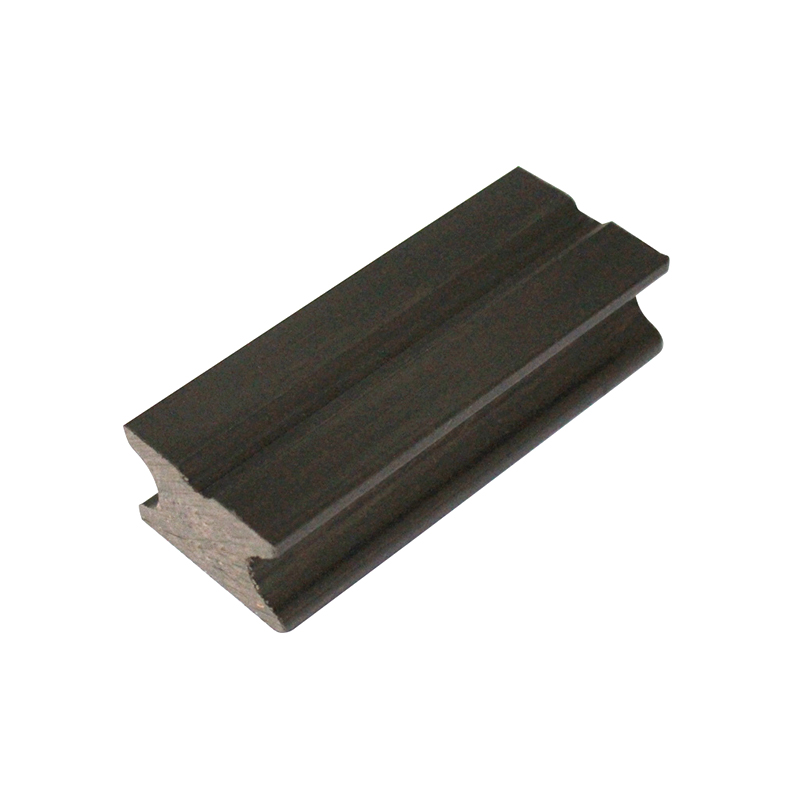
WPC stands for wood-plastic composite, and the material is manufactured by blending recycled or virgin wood fiber with a plastic base, most commonly polyethylene or polypropylene, along with additives that improve UV resistance and structural bonding. This mixture is then extruded under heat and pressure into board or panel form.
This composition is what allows WPC Wall Cladding to retain the visual texture of natural wood while gaining the moisture and pest resistance properties of plastic, making it suitable for both residential facades and commercial building exteriors.
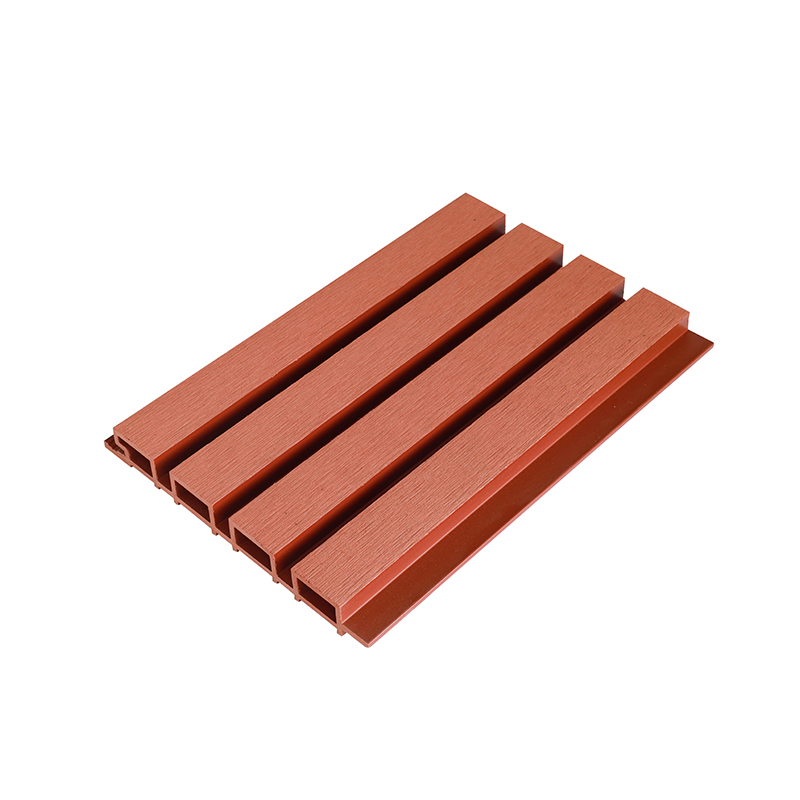
One of the defining advantages of WPC wall cladding is its resistance to moisture-related damage, which is the leading cause of failure in traditional wood siding. Because the wood fibers are fully encapsulated within the plastic matrix during extrusion, water has far less direct contact with the organic material inside the panel.
| Material | Moisture Absorption | Typical Lifespan |
| Solid wood cladding | 10 percent or more | 10 to 15 years |
| WPC wall cladding | Less than 1 percent | 20 to 30 years |
These figures are consistent with lifespan estimates reported by composite decking and cladding manufacturers, where reduced moisture uptake directly correlates with slower degradation and fewer replacement cycles over the life of a building.
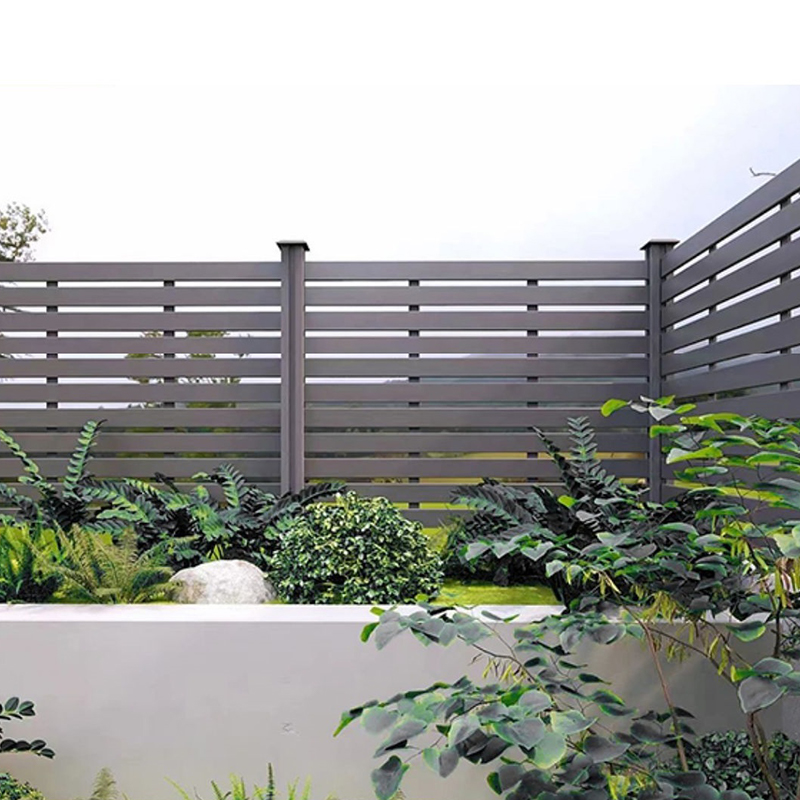
WPC wall cladding is versatile enough to be used across a range of settings, from residential exterior facades to interior feature walls, due to its stable dimensions and low maintenance requirements.
Exterior cladding applications benefit most from WPC's UV and moisture resistance, particularly in coastal or high-humidity regions where solid wood siding tends to warp, crack, or develop mold over just a few years of exposure.
Indoors, WPC panels are commonly used for accent walls, hallway paneling, and commercial interior design where a natural wood look is desired without the maintenance demands of solid timber, such as periodic sealing or refinishing.
Semi-exposed areas like covered balconies and porch walls also use WPC cladding since it withstands humidity fluctuations without the swelling and shrinking cycles that affect natural wood in these transitional environments.
Low maintenance is one of the most frequently cited reasons builders and homeowners choose WPC wall cladding over natural wood alternatives. Because the material does not require sealing, staining, or painting to maintain its appearance, long-term upkeep costs are significantly reduced.
This reduced maintenance burden is a major factor in why WPC cladding has gained adoption in both residential renovation projects and larger commercial building exteriors over the past decade.
Building codes in many regions require exterior wall materials to meet minimum fire resistance standards, and WPC wall cladding formulations have been developed to address this requirement through the inclusion of flame-retardant additives during manufacturing.
Manufacturers typically blend flame-retardant compounds into the polymer base before extrusion, which slows ignition and limits flame spread compared to untreated wood products. This makes WPC panels a viable option for multi-story buildings where fire safety compliance is a strict requirement.
WPC panels also maintain more consistent dimensions across temperature swings than solid wood, reducing the risk of gaps or buckling that can occur when natural wood expands and contracts with seasonal humidity changes.
Proper installation plays a significant role in how well WPC wall cladding performs over its expected lifespan. Panels are typically installed using a ventilated cavity system, which allows air circulation behind the cladding to prevent moisture buildup against the wall structure.
Following these installation practices helps ensure that WPC wall cladding performs as expected over decades of exterior exposure, rather than experiencing premature issues caused by trapped moisture or improper fastening.
WPC wall cladding is often positioned as a more sustainable alternative to solid wood siding because a significant portion of its wood fiber content can come from recycled sawdust and manufacturing byproducts rather than freshly harvested timber. This reduces pressure on virgin wood resources while still delivering a natural wood aesthetic.
Additionally, because WPC panels last significantly longer than solid wood before requiring replacement, the overall material consumption over a building's lifetime is often lower, even when accounting for the plastic component used in manufacturing.
WPC wall cladding is well suited for property owners and builders who want the visual warmth of natural wood without the recurring maintenance and weather vulnerability that solid timber requires. It performs particularly well in humid climates, coastal regions, and commercial projects where long-term durability and reduced upkeep costs are priorities. For projects where fire code compliance and dimensional stability are also important, WPC panels offer a practical balance between aesthetics and long-term building performance.



 English
 Français
 Español
 Deutsch