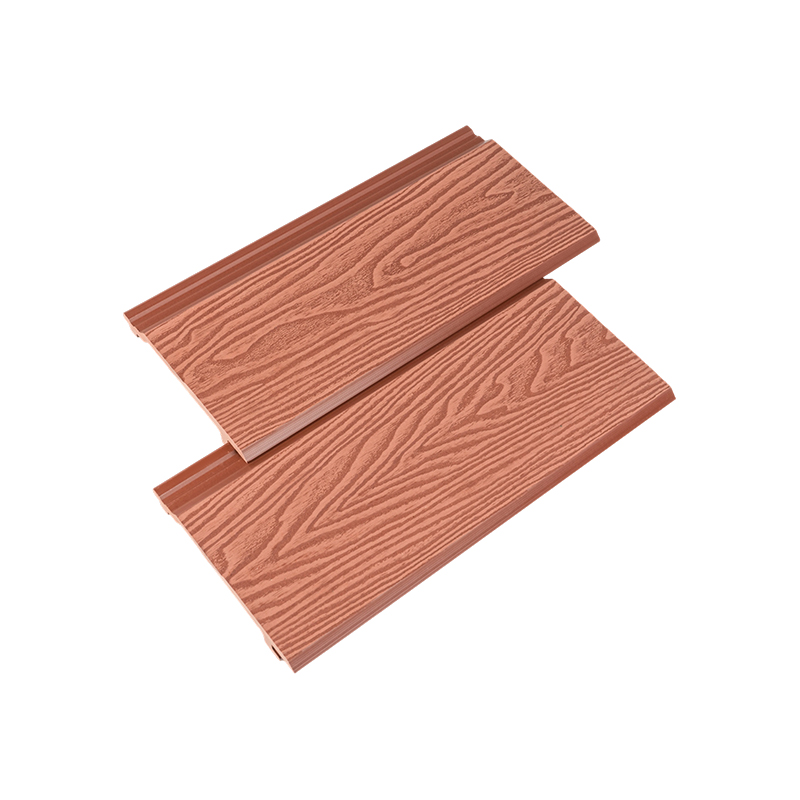
A wpc garden bench is an outdoor seating fixture designed for permanent or semi-permanent placement in gardens, parks, terraces, public spaces, and other outdoor environments. Unlike portable outdoor chairs that are brought out for use and stored between seasons, garden benches are built to remain in position year-round — enduring rain, UV radiation, temperature extremes, and biological exposure without requiring seasonal storage or intensive maintenance to preserve their appearance and structural integrity.
A well-designed garden bench balances three requirements simultaneously: comfort, so that sitting for extended periods in the garden is genuinely enjoyable; durability, so that the bench maintains its structural and aesthetic quality across years of outdoor exposure; and aesthetics, so that the bench complements and enhances the garden setting it inhabits. Garden benches come in a wide variety of materials, frame designs, seat configurations, and sizes — from single-person corner seats to wide multi-person park-style benches — to suit the specific requirements of residential gardens, public parks, hotel terraces, and commercial landscape settings.
WPC and Aluminium: The Optimal Material Combination for Garden Benches
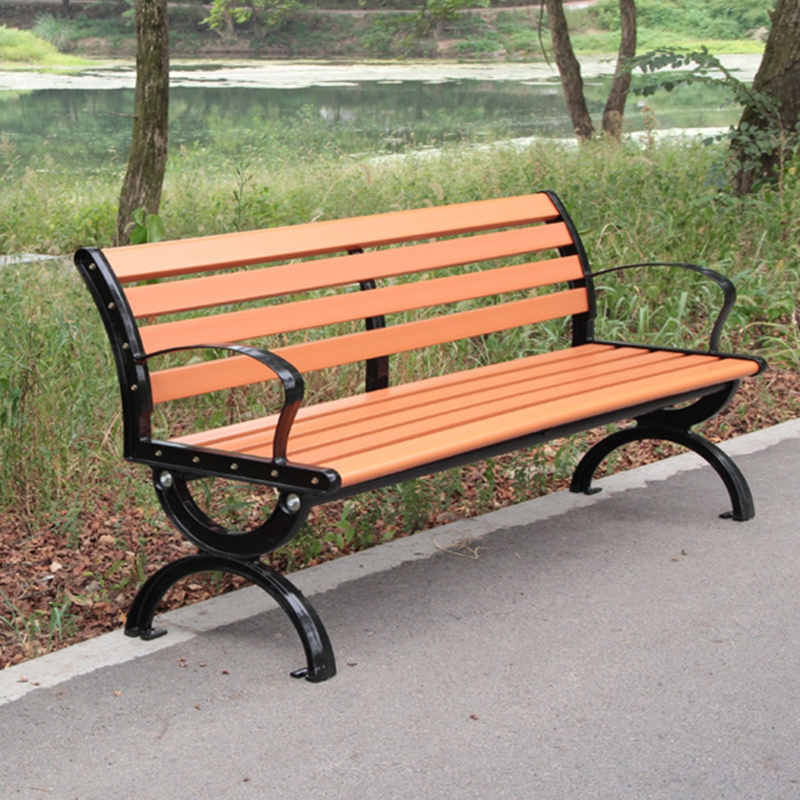
The most practical and visually refined garden bench construction combines wood-plastic composite (WPC) decking slats for the seat and backrest surfaces with a structural aluminium frame. Each material contributes distinct properties to the complete bench — properties that would be impossible to achieve using either material alone or through traditional alternatives such as cast iron frames and hardwood slats.
WPC Seat and Backrest Slats: Natural Warmth with Engineered Performance
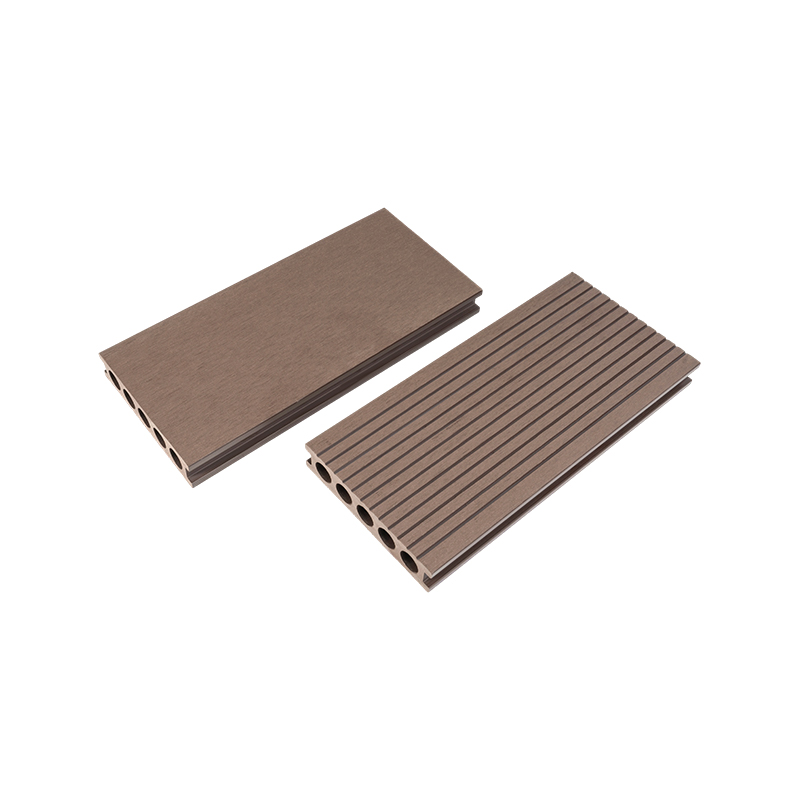
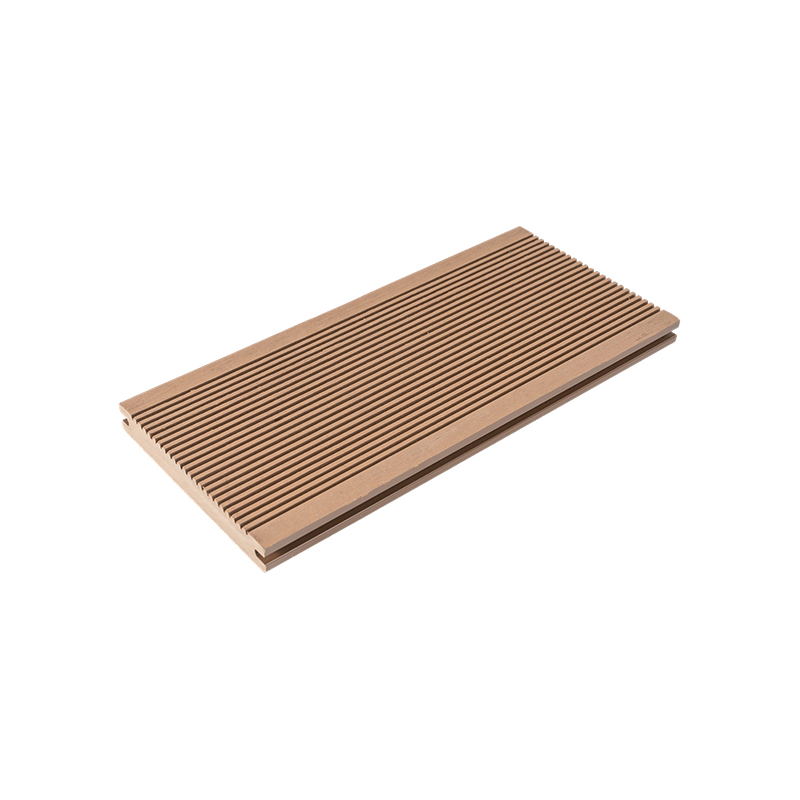
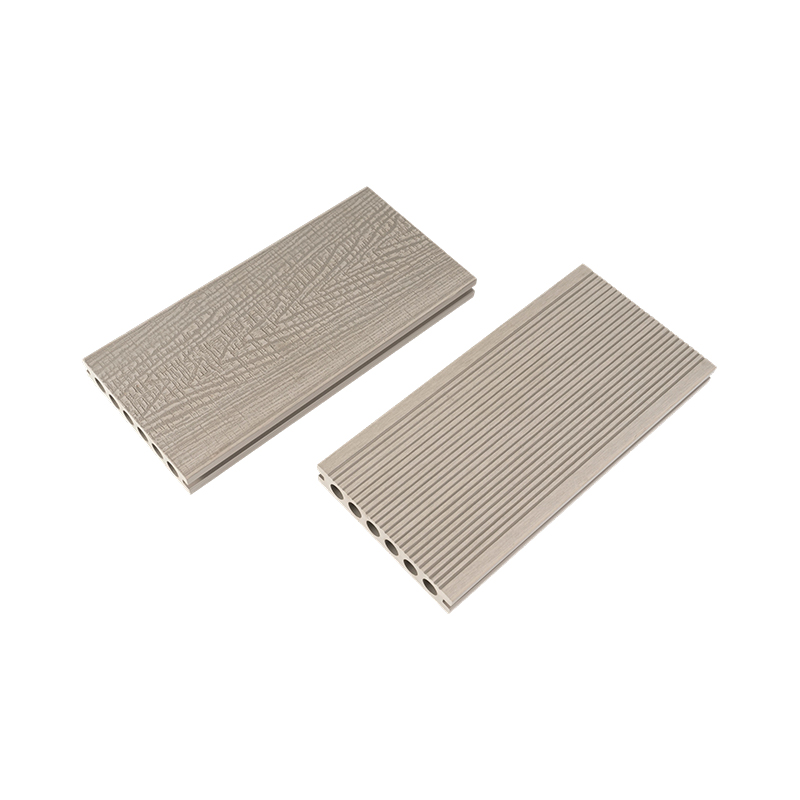
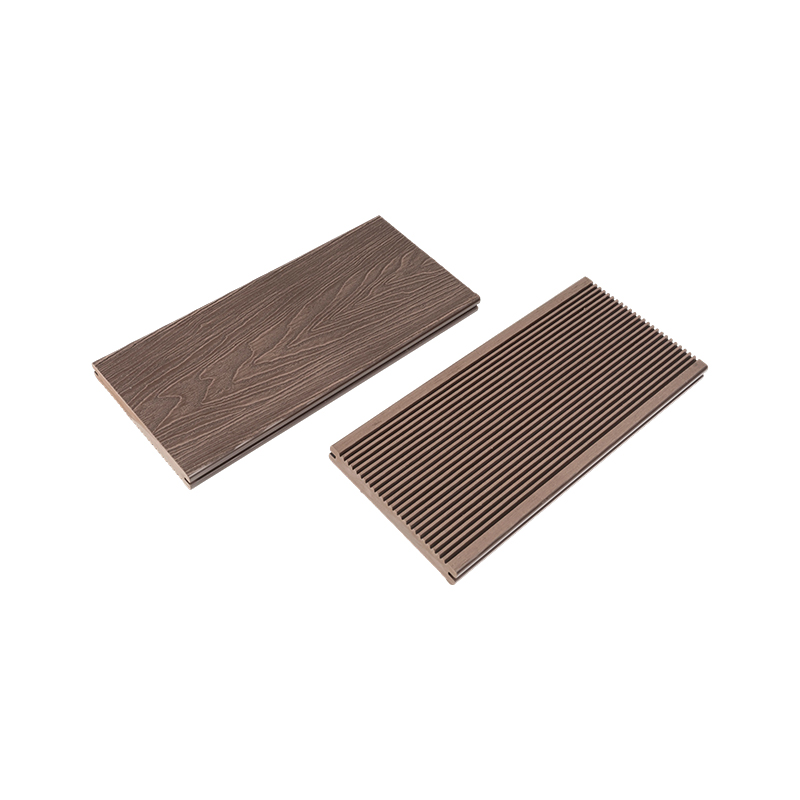
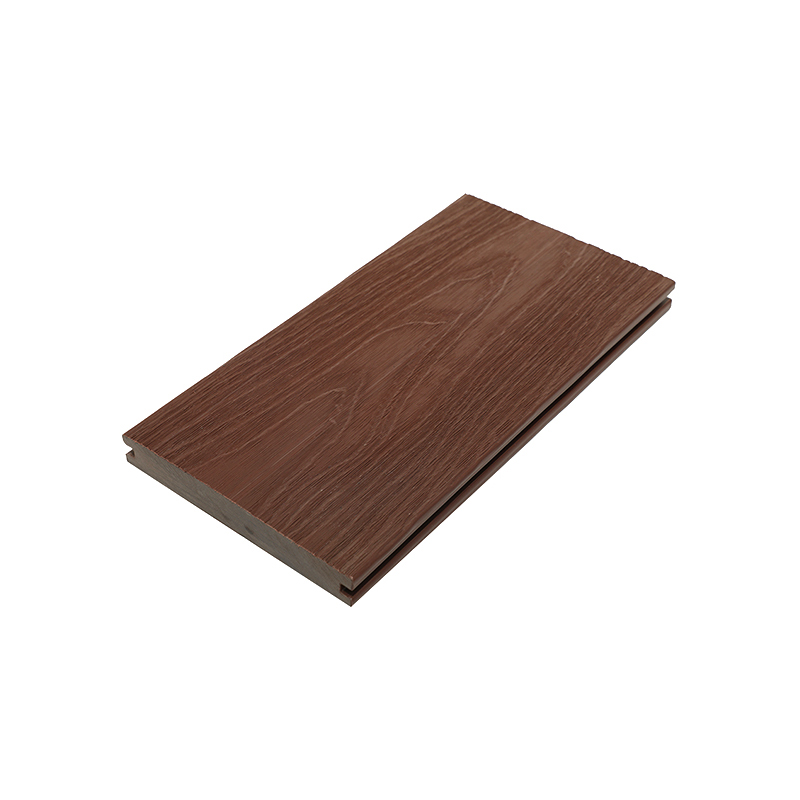
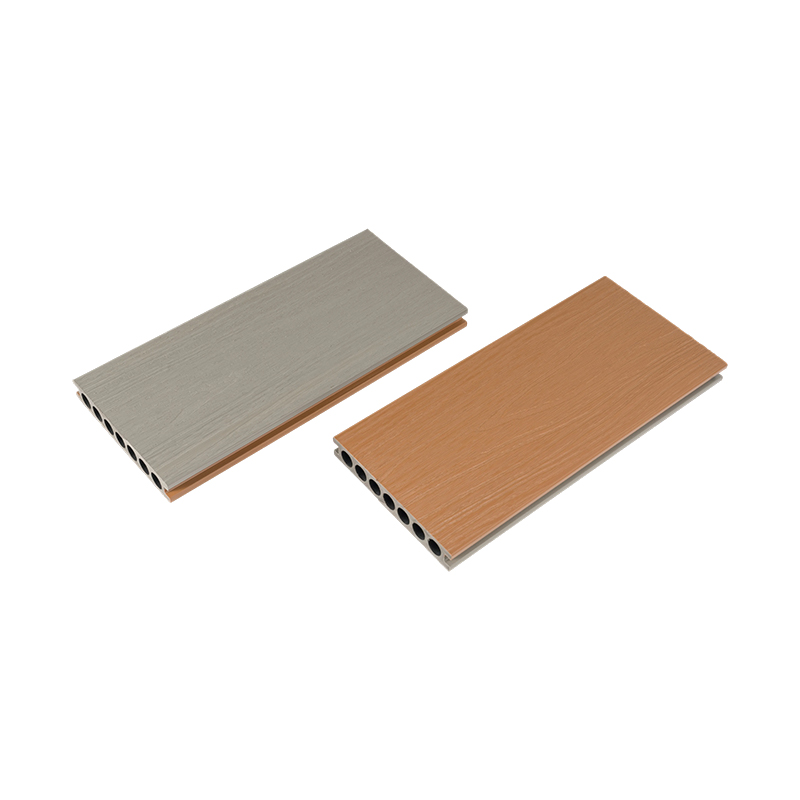
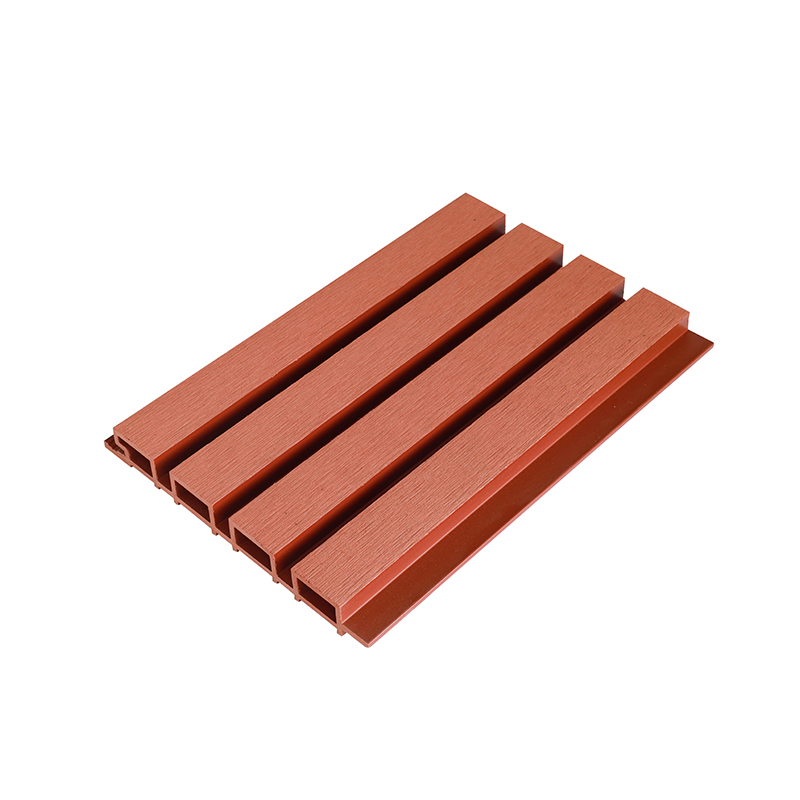
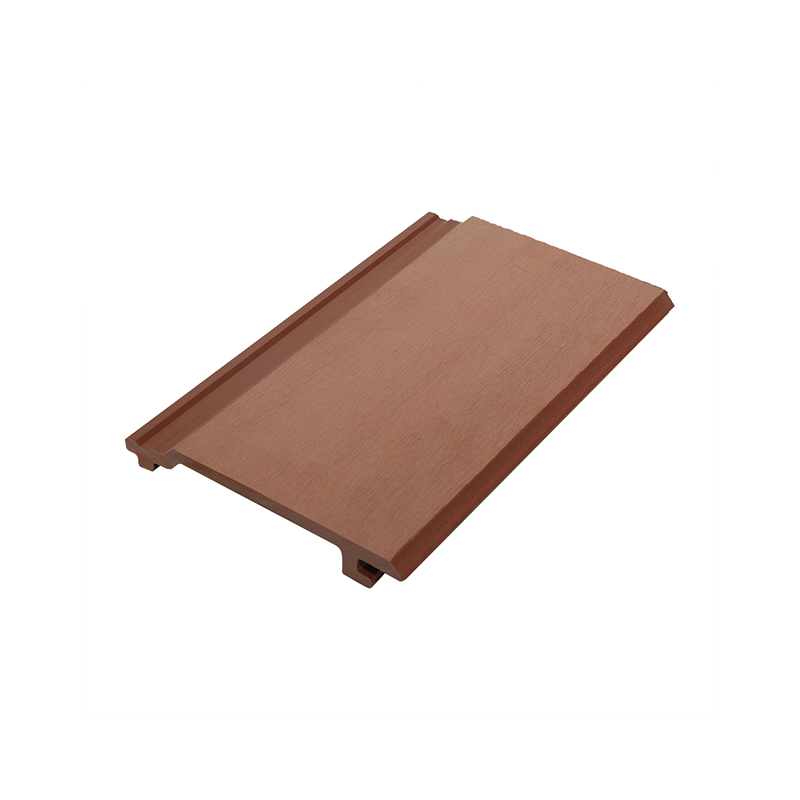
WPC is manufactured from a blend of 50–70% reclaimed wood fibre and 30–50% recycled thermoplastic polymer, processed through extrusion without chemical adhesives. When used as bench seat and backrest slats, WPC provides several specific advantages over both natural timber and metal alternatives:
- Better heat insulation: WPC slats do not absorb and radiate heat the way metal does — a WPC bench seat in direct summer sun remains comfortable to sit on without burning, while an equivalent metal seat surface becomes dangerously hot. In cold weather, WPC slats retain less cold than metal, making the bench comfortable to sit on without clothing protection earlier in the morning and later into the evening.
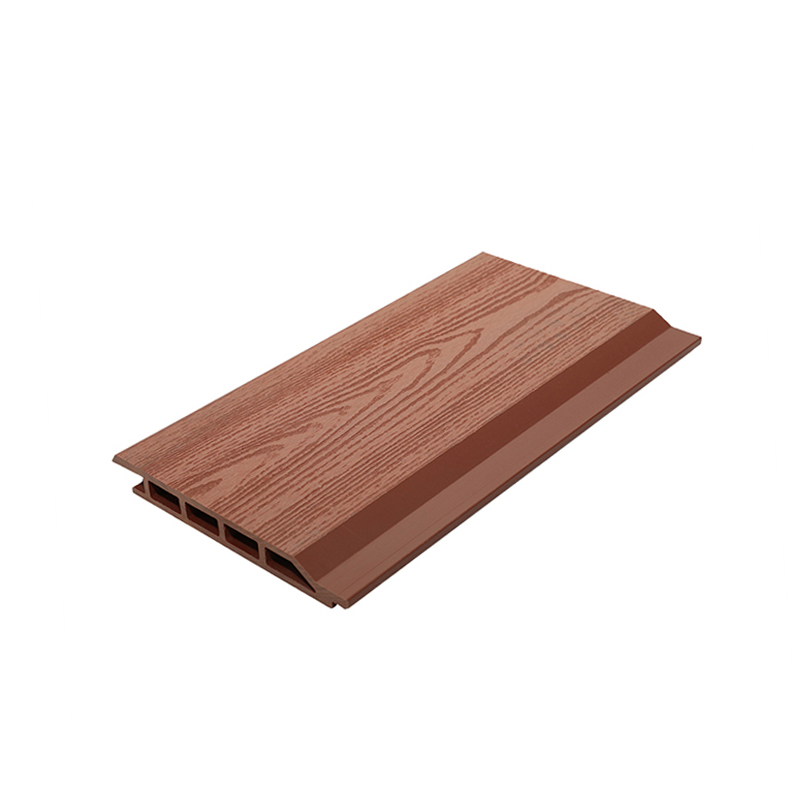
- Natural texture and appearance: The embossed wood grain surface of WPC slats replicates the warmth and character of real timber, giving the bench an organic, natural aesthetic that metal or plastic benches cannot achieve. This timber-grain quality is why WPC benches are chosen for high-specification residential gardens and premium public spaces where visual quality matters as much as durability.
- Excellent abrasion resistance: WPC slats resist the surface wear from regular sitting contact, outdoor cleaning, and incidental physical contact better than natural timber, which develops surface grain lifting and splinters under weathering. The composite material maintains its smooth, tactile surface character throughout its service life.
- Lightweight: WPC slats are typically 20–30% lighter than equivalent hardwood slats of the same profile dimensions, reducing the total weight of the assembled bench and making installation and positioning easier without sacrificing structural surface rigidity.
- Waterproof and rot-resistant: WPC does not absorb moisture, does not rot, and does not support insect activity — ensuring the seat and backrest surfaces remain structurally sound and splinter-free even after years of outdoor exposure without any protective treatment.
Aluminium Frame: Structural Precision Without Corrosion
The aluminium frame provides the structural backbone of the bench — the leg geometry, cross-bracing, and slat-mounting rails that determine the bench's stability, rigidity, and dimensional precision under load. Compared with the traditional cast iron frame construction used in classic park benches, aluminium framing offers significant advantages in practical outdoor use:
- Anti-corrosion: Aluminium forms a naturally stable oxide layer that prevents further oxidation without any additional treatment — it does not rust, unlike cast iron and steel, which begin to corrode at surface scratches and fixings. Combined with a powder-coat finish, an aluminium bench frame maintains its appearance and structural integrity in all outdoor conditions including coastal salt-air environments indefinitely.
- Easy installation and transport: Aluminium is approximately one-third the weight of cast iron at equivalent structural section sizes. This makes aluminium-framed garden benches significantly easier to transport, position, reposition, and install — a practical advantage for residential gardens where benches may be moved seasonally, and for commercial landscape projects where multiple benches must be installed across large sites.
- Precision manufacturing: Aluminium extrusion and fabrication processes produce frame components with tight dimensional tolerances — ensuring slat fixing holes, leg geometry, and cross-member alignment are accurate and consistent across every bench in a production run. This precision produces a bench that sits level, feels rigid, and looks well-crafted rather than approximate.
- Colour flexibility: Aluminium frames are powder-coated in a wide range of standard colours — matte black, anthracite grey, forest green, white, silver, and custom RAL colours — allowing the frame to complement or contrast with the WPC slat tone to achieve the intended design aesthetic.
Garden Bench Types and Configurations
WPC garden benches are available in a range of configurations to suit different spaces, uses, and seating requirements:
Single-Seat Benches and Accent Chairs
Single-seat garden bench forms — compact backed chairs or small solo benches — are suited to tight garden spaces, garden path junctions, sheltered corner positions, and locations where one or two people will sit contemplatively rather than as part of a social group. They work well as destination pieces at the end of a garden path, beside a water feature, or in a shaded arbour where a larger bench would feel oversized. Single-seat forms in WPC and aluminium typically weigh 8–15 kg, making them easy to reposition as the garden is used differently through the seasons.
Two-Seat (Double) Garden Benches
The two-seat garden bench — typically 110–130 cm wide — is the most widely used bench form for residential gardens. It provides comfortable seating for two adults with room for a small gap between them, fits most garden path and terrace widths, and creates a natural social seating point without the formality or space demand of a full park bench. Two-seat WPC-aluminium benches are the standard specification for garden borders, decking edges, and lawn centrepieces in residential gardens from compact urban plots to larger suburban settings.
Three-Seat and Multi-Person Park Benches
Three-seat benches — typically 150–180 cm wide — and larger multi-person bench forms are the standard specification for public parks, commercial landscapes, hotel gardens, and large private garden terraces where social gathering is the primary use. Park-style benches at this width comfortably accommodate three adults, and their greater visual presence makes them effective as anchoring focal elements within a larger garden or landscape design. Commercial and public applications typically anchor benches to a concrete foundation using base plates or anchor bolts to prevent removal or displacement.
Backless Bench Forms
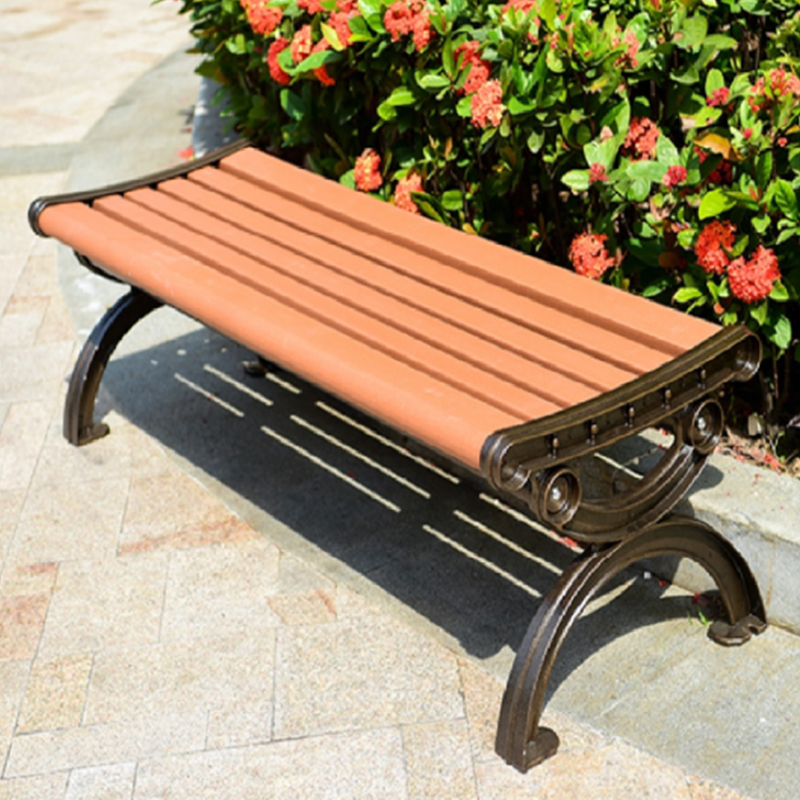
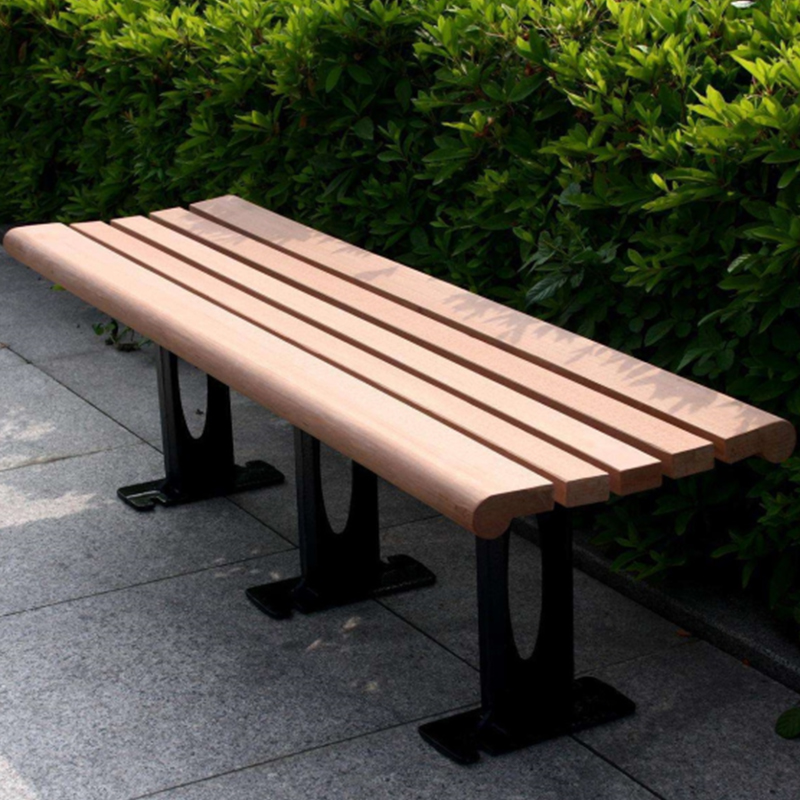
Backless garden benches — essentially a horizontal seat surface supported at each end — are used in settings where seating is required without the visual bulk of a full-back bench: garden path edges, raised terrace borders, retaining wall tops, and contemporary minimalist garden settings where clean horizontal lines are the aesthetic goal. WPC-slatted backless benches are also widely used as garden changing benches beside outdoor pools, where the drainage between slats and the waterproof composite surface are practical advantages.
Corner and L-Shaped Benches
Corner bench configurations — two bench sections meeting at a right angle — maximise seating capacity within a defined garden corner or terrace boundary, creating an enclosed social seating area that functions like an outdoor living room. WPC corner benches with a central table element create a complete garden dining and relaxation zone within the footprint of a single patio corner, and are widely used on urban patios and courtyard gardens where maximising outdoor living space within tight physical constraints is the design challenge.
WPC Garden Bench vs Other Bench Materials: A Comparison
Performance comparison of WPC garden benches against cast iron, hardwood timber, steel, and recycled plastic benches across key criteria for outdoor use
| Criterion |
WPC + Aluminium |
Cast Iron + Hardwood |
Hardwood Only |
Steel Frame |
Recycled Plastic |
| Corrosion resistance |
Excellent (no rust) |
Poor (iron rusts) |
N/A |
Moderate (requires coating) |
Excellent |
| Seat heat insulation |
Good (comfortable in sun) |
Moderate (iron heats up) |
Good |
Poor (very hot/cold) |
Moderate |
| Wood grain appearance |
Very good |
Excellent (real wood) |
Excellent |
None |
None |
| Maintenance required |
Wash only |
Oil wood + treat iron annually |
Oil every 1–2 yrs |
Touch up / treat rust |
Wash only |
| Weight / portability |
Light–medium |
Very heavy |
Heavy |
Heavy |
Light–medium |
| Splinter risk |
None |
Moderate (ageing wood) |
Moderate–high |
None |
None |
| Typical service life |
20–30 years |
20–40 yrs (maintained) |
15–25 yrs (maintained) |
15–25 yrs |
20–30 yrs |
| Eco credentials |
Good (recycled content) |
Good (certified timber) |
Good (if certified) |
Moderate |
Good (recycled plastic) |
Key Advantages of WPC Garden Benches
Zero Maintenance: No Oiling, Painting, or Seasonal Storage
Traditional hardwood wpc garden benches require oiling every one to two years to prevent progressive greying, surface cracking, and joint loosening as the timber dries. Classic cast iron benches require periodic rust treatment and repainting to prevent the structural rust through that eventually destroys the frame. WPC garden benches require no oiling, no painting, no staining, and no rust treatment at any point in their service life. Maintenance consists entirely of occasional washing with mild detergent and water — a task that takes under 15 minutes for a standard two-seat garden bench.
Permanently Outdoor: No Seasonal Storage Required
Most hardwood garden benches and cast iron benches are heavy enough that seasonal storage is impractical — but they still deteriorate more rapidly when left outdoors year-round without treatment. WPC garden benches are designed from the outset for permanent outdoor placement in all weather: the waterproof WPC slats do not absorb moisture, the aluminium frame does not rust, and the assembly does not loosen as the materials swell and contract with seasonal humidity changes. A WPC garden bench left in position through winter, spring, summer, and autumn performs identically in year 10 as it did in year one — without covers, without storage, and without treatment.
Comfortable in All Weather Conditions
The thermal properties of WPC slats make a garden bench comfortable to sit on across a wider range of temperatures than metal alternatives. In full summer sun, a WPC seat surface temperature typically remains 15–25°C lower than an equivalent powder-coated steel seat — the difference between sitting comfortably and having to spread a towel first. In cold morning conditions, WPC retains less cold than metal, making the bench usable at temperatures where a metal bench would require a cushion for comfort. This thermal comfort advantage is one of the most directly experienced practical benefits of WPC over metal garden bench alternatives.
Safe for Children and Pets: Splinter-Free Throughout Its Life
Natural timber bench slats develop surface splinters as wood grain opens under weathering — a progressive deterioration that makes aged timber benches a hazard for children's hands and bare legs. WPC slats do not develop splinters: the composite material maintains its smooth, even surface character throughout its service life as the polymer matrix holds the wood fibre securely even as the bench ages and weathers. WPC garden benches are safe for unsupervised use by children and pets from the day they are installed to the day they are eventually replaced.
Colour Stability: Looks the Same Year After Year
Unmaintained hardwood bench slats turn grey within one to two seasons as UV depletes surface oils and bleaches the timber colour. WPC bench slats with properly specified UV stabiliser packages maintain their original colour for 10 to 15 years on standard products, with premium co-extruded WPC products offering explicit fade warranties of 15 to 20 years. For parks, commercial gardens, and hotel terraces where the visual consistency of the seating across the space matters, this colour stability is a practical advantage that timber cannot match without consistent maintenance investment.
Where Garden Benches Are Used: Settings and Placement Considerations
Residential Gardens
In residential gardens, bench placement is primarily about creating inviting destinations within the garden that invite people to stop, sit, and experience the space from a specific viewpoint. Effective bench positions include the far end of a garden path — where the bench creates a sense of arrival and provides a resting point from which the whole garden can be viewed; a sheltered corner facing southwest for afternoon sun; beside a water feature or pond; and under a mature tree where dappled light and shade create a naturally comfortable environment. A single well-placed WPC bench can transform a garden from a space that is walked through into one that is lived in.
Public Parks and Urban Green Spaces
Public park benches face the most demanding combination of use frequency, weather exposure, and vandal resistance of any outdoor seating context. WPC-aluminium benches for public use are typically anchored to concrete foundations using base plate fixings to prevent removal, and are specified with heavier frame sections — typically 60 mm × 60 mm or 80 mm × 80 mm aluminium hollow sections — to resist the structural loads of high-frequency use and occasional misuse. The low maintenance requirement of WPC benches is a significant factor in public procurement decisions, as maintenance staff availability for ongoing timber oiling and rust treatment programmes is frequently constrained.
Hotel and Resort Gardens
Hotel and resort wpc garden benches must maintain a consistently premium appearance throughout the property's operating periods without maintenance intervention between seasonal refreshes. WPC benches' colour stability, zero treatment requirement, and easy-clean surface make them operationally well-suited to hospitality settings. For coastal resorts where salt air accelerates corrosion of any metal not specifically rated for marine environments, aluminium-framed WPC benches provide the corrosion immunity required without the weight and maintenance burden of cast iron alternatives.
Commercial and Workplace Outdoor Areas
Office campus gardens, retail destination outdoor areas, and workplace break zones use garden benches to create usable outdoor spaces for occupants who work primarily indoors. These settings benefit from WPC benches' professional aesthetic, durability under daily use, and zero maintenance requirement — commercial facility management teams typically have no resource for ongoing timber furniture treatment programmes, making low-maintenance specifications a practical necessity rather than a preference.
Garden Bench Ergonomics and Dimensions: What Makes a Bench Comfortable
A wpc garden bench can look excellent but be uncomfortable to sit on for more than a few minutes if its dimensions are poorly considered. Key ergonomic parameters for garden bench comfort:
- Seat height: The standard comfortable seat height for outdoor benches is 430–460 mm above ground level — allowing most adults to sit with feet flat on the ground and knees at approximately 90°. Benches set lower than 400 mm become difficult for older users to rise from; benches above 480 mm leave shorter users' feet hanging uncomfortably.
- Seat depth: 420–480 mm of seat depth allows the seat to support the thigh comfortably without the front edge cutting into the back of the knee. Shallower seats (under 380 mm) provide insufficient thigh support for extended sitting; deeper seats (over 520 mm) make it difficult to sit back and use the backrest simultaneously.
- Backrest angle: A backrest inclined at 100°–110° from horizontal provides comfortable lumbar and upper back support for relaxed garden sitting. Perfectly vertical backrests (90°) feel rigidly formal; backrests inclined beyond 115° tip into a reclined posture that is uncomfortable for upright use.
- Backrest height: A backrest top rail at 750–850 mm above ground level provides support for the mid-back and lower shoulder blades of most adult users. Backrests below 700 mm provide only lumbar support; those above 900 mm provide head support that suits a more reclined seating posture.
- Slat spacing: WPC seat slats should be spaced with a gap of 8–15 mm between adjacent slats — close enough to prevent discomfort from sitting across a gap, wide enough to allow rainwater and debris to drain freely from the seat surface so that the bench is usable immediately after a rain shower.
Caring for a WPC Garden Bench
No oiling, painting, or protective treatment is required at any point. The complete maintenance routine for a WPC-aluminium garden bench is:
- Brush between slats periodically: Remove accumulated leaves, debris, and organic material from between the seat slats with a stiff brush. This prevents moisture retention against the WPC surface and the biological growth that can develop in accumulated organic deposits in shaded positions.
- Wash the bench two or three times per year: Wipe down WPC slat surfaces and aluminium frame with warm water and mild detergent, using a soft cloth or sponge. Rinse thoroughly. For the aluminium frame, avoid abrasive pads or solvents that can scratch or dull the powder-coat finish.
- Remove biological growth if it develops: Green algae or surface mould on shaded bench slats can be removed with a dilute white vinegar solution or a purpose-formulated composite cleaner — apply, leave for 10 minutes, scrub gently along the slat grain, and rinse.
- Check and retighten fixings annually: Inspect slat-to-frame fixing bolts and leg connection screws for tightness once per year. Temperature cycling can cause minor slackening of fixings over time — a quick retightening with the appropriate screwdriver or spanner takes under 10 minutes per bench and maintains the rigidity and safety of the structure.
Frequently Asked Questions About Garden Benches
Can a WPC garden bench be left outside all year without covers?
Yes — WPC-aluminium wpc garden benches are designed for permanent outdoor placement in all seasons without protective covers. The waterproof WPC slats do not absorb moisture that would cause freeze-thaw damage in cold climates; the aluminium frame does not corrode; and the overall assembly does not loosen as materials cycle dimensionally with seasonal humidity changes. While furniture covers keep the bench clean and ready for immediate use after long periods of non-use, they are not required to protect the bench from weather damage.
How heavy is a typical WPC-aluminium garden bench?
A standard two-seat (120 cm wide) WPC-aluminium garden bench typically weighs 18–28 kg, depending on slat thickness, frame section size, and whether the bench includes armrests. This is significantly lighter than an equivalent cast iron bench of the same size, which typically weighs 35–55 kg. The lighter weight makes WPC-aluminium benches practical to reposition in the garden by one or two people without specialist equipment, while still being stable in normal garden conditions. For public installations where theft prevention is a concern, benches can be anchored to concrete foundations using base plate fixings.
Does a WPC garden bench get too hot to sit on in direct summer sun?
In high summer temperatures above 32°C combined with full direct sun, dark-coloured WPC slats can become warm to the touch — but significantly less so than equivalent metal surfaces. Measured surface temperatures of dark WPC in direct sun are typically 15–25°C cooler than dark powder-coated steel under the same conditions. Lighter WPC colour tones (natural wood tones, grey, off-white) retain even less heat. For garden settings in hot climates where the bench will be in prolonged full sun, choose lighter WPC slat tones and consider a pergola or parasol for shade provision during peak afternoon sun hours.
How long does a WPC garden bench last?
A quality WPC-aluminium wpc garden bench has a realistic service life of 20 to 30 years for both the WPC slat surfaces and the aluminium frame under normal outdoor conditions. The aluminium frame, in practice, has an indefinite service life as aluminium does not have a progressive structural degradation mechanism. WPC slats may eventually show UV-related colour change, but structural performance — rigidity, splinter resistance, and waterproof integrity — is maintained throughout the rated service life. Most quality manufacturers offer structural warranties of 5 to 10 years on assembled benches, though the material's realistic lifespan significantly exceeds this.
Can garden bench slats be replaced if one is damaged?
On most WPC-aluminium garden benches, individual seat or backrest slats can be unbolted and replaced without disturbing the frame or adjacent slats. This is a practical advantage over solid timber benches where matching replacement timber to the aged colour of in-situ boards is difficult, and over cast iron benches where seat board replacement requires frame disassembly. Always purchase and store two or three spare slats from the original production batch at the time of initial purchase — colour can vary slightly between manufacturing batches, and having matching spare boards ensures seamless future replacement if a slat is damaged.
Is a garden bench suitable for a coastal garden?
Yes — WPC-aluminium garden benches are among the most appropriate seating for coastal gardens. Aluminium does not rust in salt air, and co-extruded WPC slats with a non-porous polymer cap layer prevent salt-air penetration and resist the biological surface growth that affects porous materials in persistently humid coastal conditions. Ensure all fixings are stainless steel — not galvanised zinc, which corrodes rapidly in marine environments — and specify co-extruded WPC rather than standard uncapped WPC for maximum surface durability in heavy coastal exposure.
Selecting a Garden Bench: A Practical Checklist
- Define the bench's primary purpose and position before choosing size. A destination bench at the end of a garden path works best as a two-seat or single-seat form; a social seating point on a large terrace needs a three-seat or wider form; a public park setting requires a wider bench with provision for anchoring. Measure the intended location carefully and confirm the bench width allows comfortable circulation past it in the space it will occupy.
- Confirm the frame material is aluminium, not steel or cast iron. Steel and cast iron frames require ongoing rust management that undermines the low-maintenance proposition of a WPC bench. If a product listing does not clearly specify aluminium framing, confirm with the supplier before purchasing.
- Check all fixings are stainless steel, particularly for coastal and wet environments. Galvanised or zinc-plated screws and bolts will corrode and stain WPC and aluminium surfaces in outdoor conditions. Stainless steel fixings are the correct specification for any garden bench intended to last its full service life without rust staining.
- Assess the seat ergonomics against the standard dimensions. Confirm seat height (430–460 mm), seat depth (420–480 mm), and backrest angle (100°–110°) from the product specification before purchasing. Benches that deviate significantly from these ranges sacrifice comfort for aesthetics and will not be used regularly regardless of their appearance quality.
- Request a written warranty covering both WPC slats and frame. A structural warranty of 5+ years and a fade warranty of 10+ years for the WPC slats indicates a manufacturer confident in the product quality. Products without written warranties provide no meaningful assurance of performance.
- Assess physical colour samples in your garden's natural light before finalising colour. WPC slat tones and aluminium powder-coat colours appear differently in natural outdoor light than on screens or in showroom conditions. Request physical samples and assess them against your garden's existing materials — paving, planting, walls — in natural daylight before committing to a colour combination. Order two or three spare slats from the same production batch at the time of purchase for future replacement matching.

 English
 Français
 Español
 Deutsch