English
 Français
 Español
 Deutsch
A deck sitting 30 in above grade is a comfortable set of stairs waiting to happen. A deck at 40 in is where most first attempts go wrong, usually because the b...
READ MORE
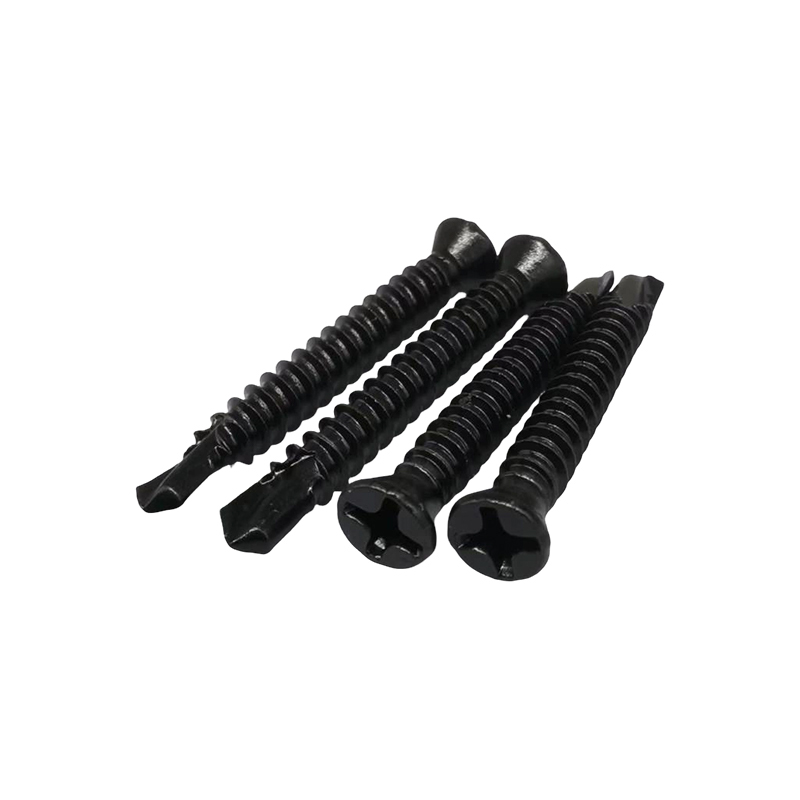
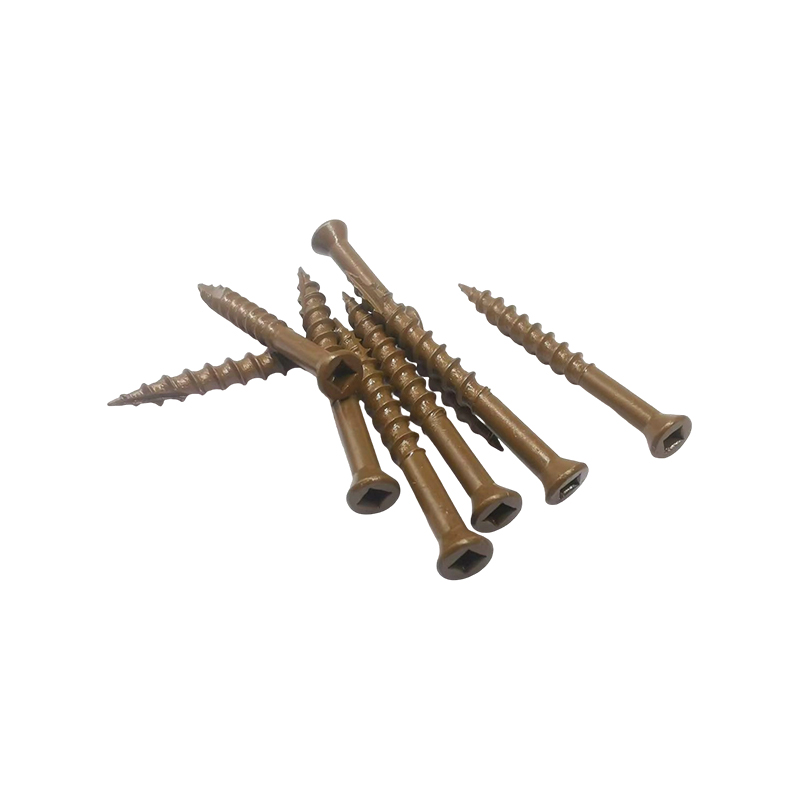
Stainless steel screws are self-tapping fasteners designed specifically for building assembly. Made from corrosion-resistant stainless steel such as 304/316, they can be left in their natural color or treated with a rust-resistant coating. Panheads are the most common screw head design, combining aesthetics with ease of use. The thread is self-tapping, and some models feature a drill-tapped design for direct drilling and fastening into metal studs.
Material: Stainless steel (natural or black rust-resistant coating)
Head: Panhead, with a few countersunk heads.
Thread: Self-tapping, with some models featuring a drill-tapped design.
Length: Approximately 20mm-25mm (common specifications).
Applicable studs: Metal studs (drill-tapped screws) or wood/WPC studs (standard self-tapping screws).
Advantages:
1. Excellent corrosion resistance: 304/316 stainless steel is inherently rust-resistant, ensuring structural security even in humid or outdoor environments.
2. Strong and reliable: The self-tapping design forms a secure thread directly into wood, metal, or composite materials, with the screw head slightly recessed into the board, preventing loosening.
3. Versatile Application
Metal Frame: Self-drilling screws can be drilled directly into steel for securement, making them suitable for lightweight steel framing systems.
4. Wood/WPC Frame: Standard self-tapping screws are suitable for wood or composite materials, ensuring a secure connection.
Easy Installation
Simply pre-drill holes (with a diameter slightly smaller than the screw diameter) and secure with a manual or electric screwdriver, eliminating complex steps like welding.
5. Environmentally Friendly and Recyclable
Stainless steel is recyclable, meeting the sustainability requirements of the construction industry.

A deck sitting 30 in above grade is a comfortable set of stairs waiting to happen. A deck at 40 in is where most first attempts go wrong, usually because the b...
READ MOREIf you are building or repairing a porch, railing height is not just a style choice. It affects safety, inspection results, and how the porch feels in daily us...
READ MORETwo suppliers quote the same 420 square metre rooftop terrace. Both describe their boards as green composite decking, both offer a fifteen year warranty, and t...
READ MOREA twelve foot front porch, a tape measure and three saved photos is the easy part. The hard part is choosing a railing that still looks straight after four hum...
READ MOREThree quotations land on the same desk for a 600-square-meter hotel facade: kiln-dried western red cedar, Siberian larch, and a wood-plastic composite panel sy...
READ MORE