2026-10-01
Content
A twelve foot front porch, a tape measure and three saved photos is the easy part. The hard part is choosing a railing that still looks straight after four humid summers, and that is where most front porch railing ideas either hold up or quietly fail. For a porch that sees rain, snow and direct sun, the combination that lasts is a composite railing built around reinforced posts set 6 feet on center, with a rail height of at least 36 inches and balusters spaced tighter than 4 inches. Wood wins on day one price and then asks for a fresh coat of stain every two to three years. Composite costs more at the start and mostly asks to be rinsed with a hose.
The sections below cover the measurements that set the design, the material trade offs, and the combinations that make a porch look finished rather than assembled.
Two numbers outrank color and profile. The first is rail height. Once a porch surface sits about 30 inches above the grade below, a guard is normally required, and that guard typically runs 36 inches from the finished porch floor to the top of the rail. The second is post spacing, because the rail is only as stiff as the post it is bolted to.
Most composite systems are engineered around posts at 6 feet or 8 feet on center. A 4 by 4 post handles the shorter span comfortably. Longer spans usually move to a 5 by 5 post or to a post with a metal insert, which is why one railing style can behave very differently on a 10 foot porch and an 18 foot porch.
Put those four numbers on the quote request. A supplier who asks for them has built railings before.
The strongest design move on a composite porch is to treat the railing as part of the floor system rather than an accessory bolted on afterward. When the rail, the deck boards and the fascia come from one color family, the porch reads as a single piece of architecture and the horizontal lines do the work.
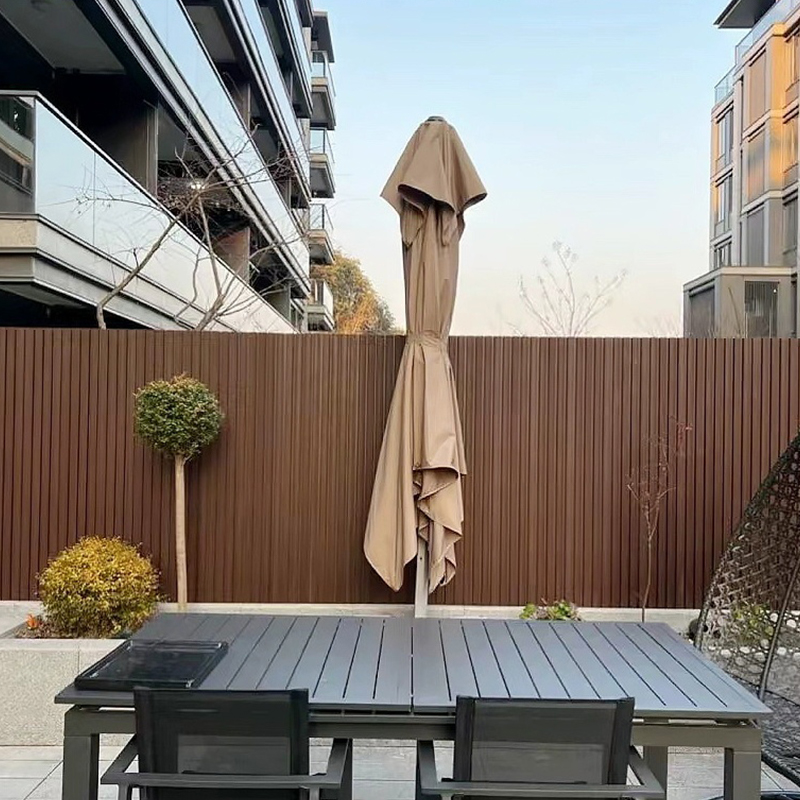 Environmentally friendly garden outdoor WPC FencingEnvironmentally friendly garden outdoor WPC Fencing (WPC Fencing) utilizes a co-extrusion process of wood fiber and recycled plastic, combining the natural texture of ...View Product →
Color matching is the practical reason to buy rail and deck from one source. Two suppliers can both list a warm brown and still ship two visibly different boards, and the railing sits right beside the floor where the difference shows.
The railing is the first line the eye follows across a facade, so contrast should be deliberate. A white or cream house usually takes a deep charcoal or espresso rail. Brick tends to settle into warm brown and walnut tones. Dark siding gives the most freedom, and a light gray or sand rail reads better than another dark tone stacked on dark.
Texture changes how a color behaves in daylight. A 3D embossed wood grain catches the sun and creates shadow lines that hide dust and fingerprints. A smooth matte finish reads cleaner and more modern. A double color co-extruded profile adds depth with a darker core showing at the board edges.
Composite brings the look, aluminum brings the stiffness. A powder coated aluminum insert inside a hollow composite post raises the allowable span considerably, and an aluminum frame keeps a wide infill panel from sagging over time. This is the combination that shows up most often on porches wider than 16 feet and on second story balconies.
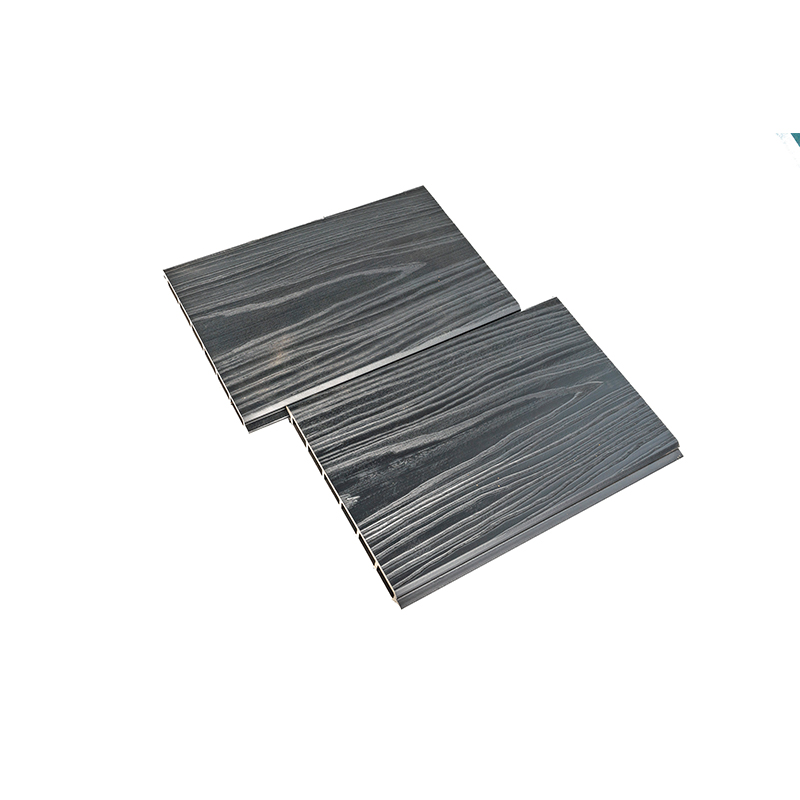 WPC Waterproof Aluminum FencingWPC waterproof aluminum fencing utilizes aluminum alloy posts, rails, and handrails, combined with wood-plastic composite (WPC) panels, for a sturdy yet lightweight st...View Product →
Aluminum balusters between composite rails solve a maintenance problem as well. Metal will not absorb water or need refinishing, while the composite top and bottom rails keep the warm appearance at eye level. Cable and glass infills follow the same logic but need a stiffer frame, which belongs in the structural drawing rather than the color sample.
Price is only one column. The others are the upkeep cycle, how the material behaves when it stays wet, and how stable the color remains after several seasons of sun.
| Material | Upkeep cycle | Moisture and rot behavior | Typical front porch fit |
|---|---|---|---|
| WPC composite | Rinse and inspect annually | Does not rot, absorbs very little water | Covered porches, humid climates, low maintenance homes |
| Pressure treated pine | Stain every 2 to 3 years | Swelling, checking and rot at joints | Budget builds and paint grade railings |
| Cedar or hardwood | Seal every 2 to 3 years | Better than pine, still greys and splits | Historic and natural wood facades |
| Aluminum | Wipe down, occasional touch up | Rust free when powder coated | Long spans, coastal exposure, modern homes |
| Vinyl PVC | Soap and water | Unaffected by water, can become brittle in cold | Hot climates and light colors |
The pattern is simple. Wood costs the least at the counter and the most over ten years. Composite and aluminum cost more at the counter and then stay quiet.
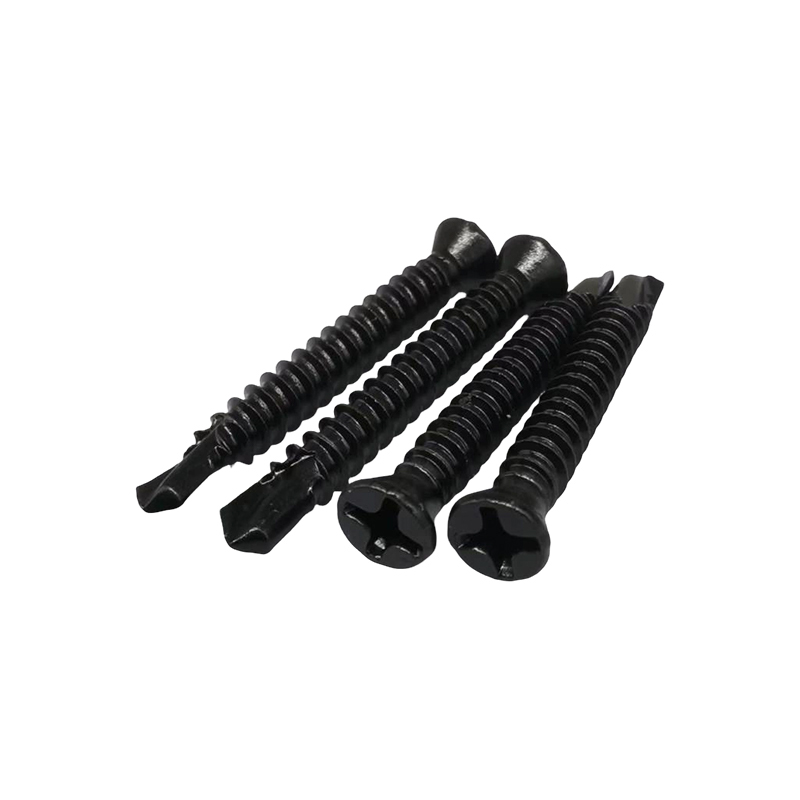
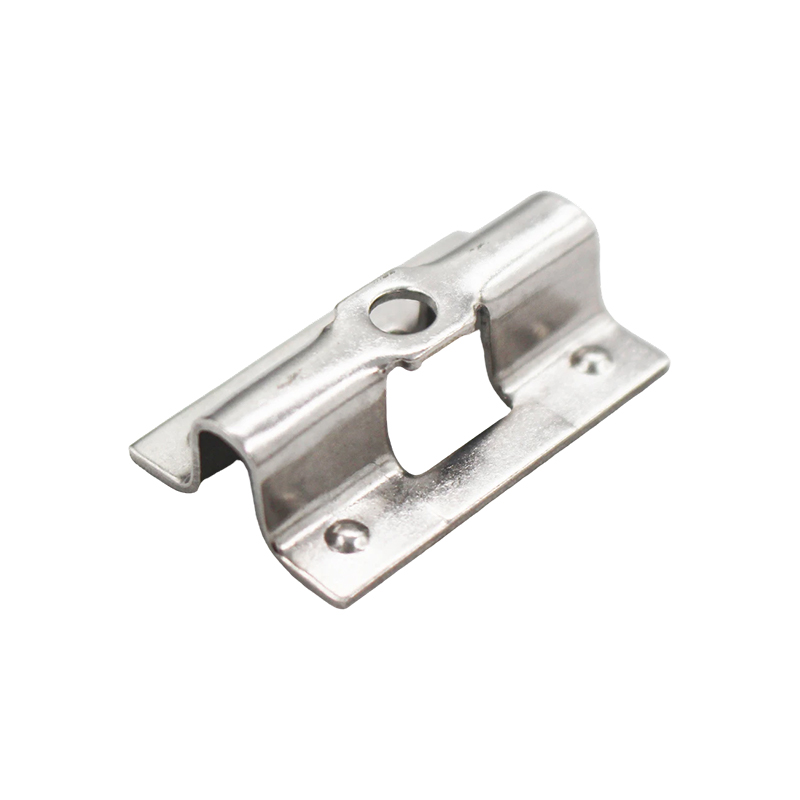
Most railing problems are not material failures. They are water and movement failures at the connections. A post base that traps water against the deck, a screw that reacts with treated lumber, or a cut end left open to rain will all show up long before the board itself wears out.
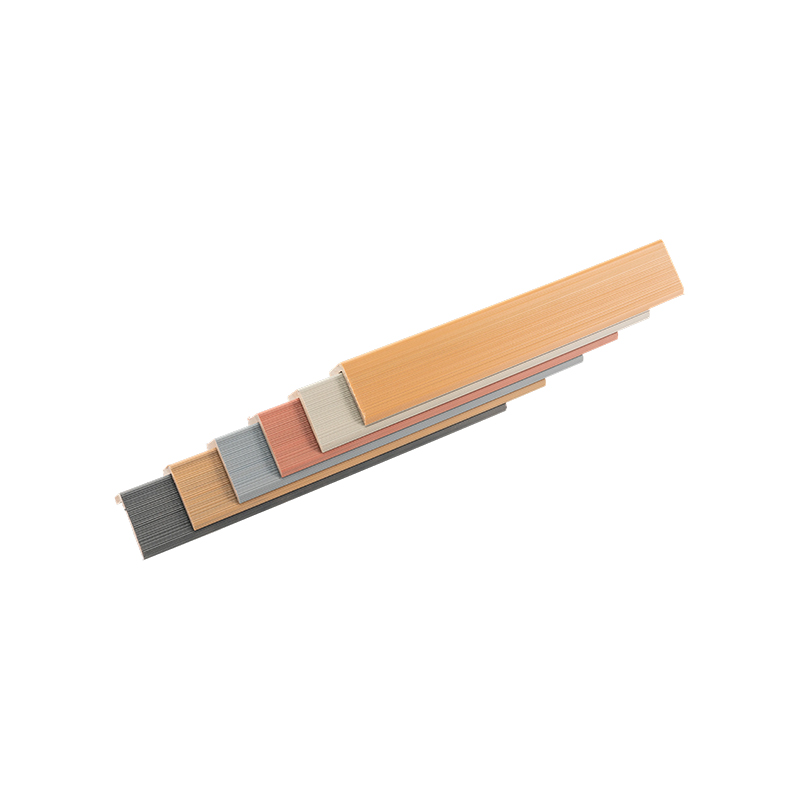
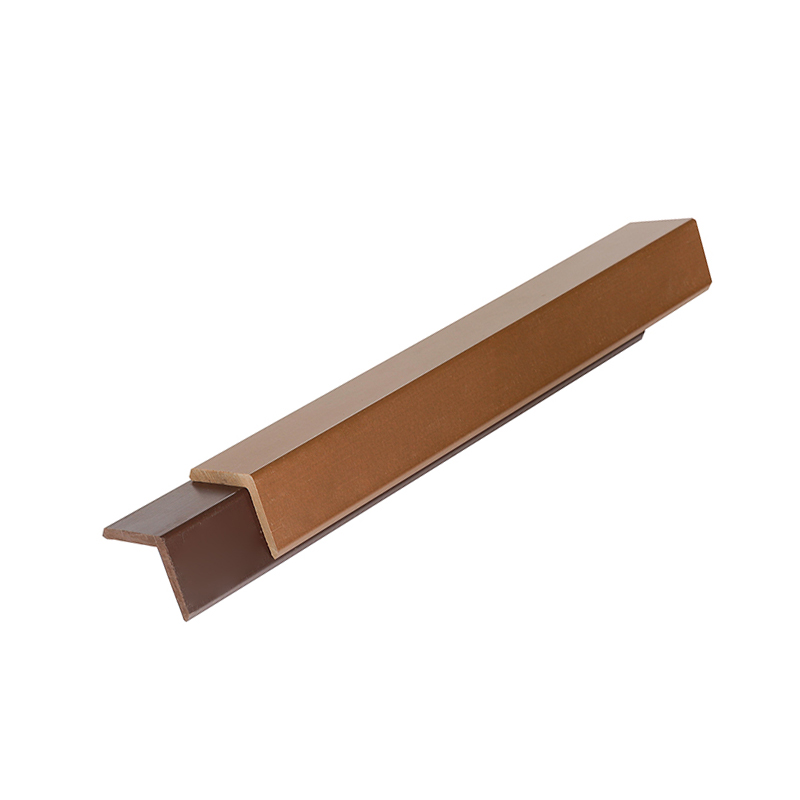 Edge Caps for composite decking wall panel cornerEdge Caps for composite decking wall panel corners are designed specifically for hollow composite decks. Made from co-extruded composite material, they feature a fine ...View Product →
Cleaning is deliberately simple. Soap, water and a soft brush handle almost everything. A stiff wire brush scratches the surface and leaves marks that collect dirt, which is the opposite of the goal. On a porch that faces the street, two rinses a year is the entire maintenance calendar.
The same railing design does not suit every footprint. These three layouts tend to pass design review the first time.
Keep the profile slim: square balusters at 3 in to 3.5 in centers, one top rail, one plain bottom rail and no decorative panel. Vertical emphasis adds height to a shallow porch, while heavy horizontal elements make it feel like a corridor.
Divide the run into two or three equal bays with a center post. Equal bays read as intentional and give the eye a resting point. A flat top cap wide enough for a coffee cup is worth the upgrade at this size.
Anchor both directions with the corner post and keep the top rail continuous through the turn. A solid lower panel in the first bay, with open balusters beyond, keeps the seating area private without darkening the elevation. Stair sections are a separate code item, measured from the stair nosing, so plan them as their own frame.
A front porch railing is a small structure with a long service life, so the decisions that matter happen before the first post is set. Get the height, the spacing and the moisture path right, choose a material that will not demand repainting every third summer, and then pick the color and profile that suit the house. Buyers who want to understand the material before specifying it can read more about what composite fencing is made of, and procurement teams comparing complete systems can review the composite fencing range for panel, post and accessory options in one place.



 English
 Français
 Español
 Deutsch